
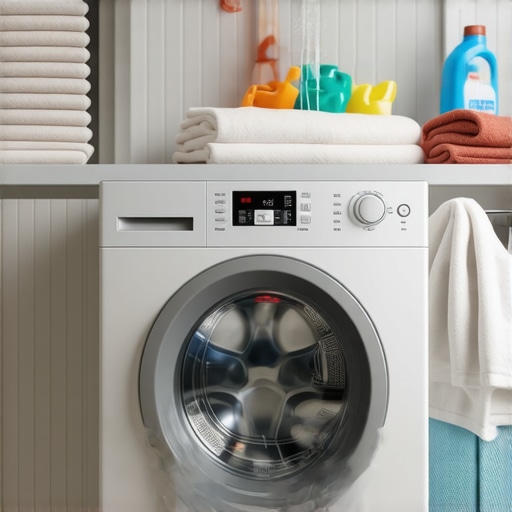
Ever stood in front of your washing machine, watching the cycle progress painfully slow, and wondered, why is it taking forever? I remember the day I finally lost patience. After what felt like an hour, my new smart washer was still stuck on the same phase. It was frustrating — almost comical, considering how modern appliances promise quick results. That moment was my lightbulb, my wake-up call to dive deeper into what’s really happening behind the scenes of those long laundry cycles.
Decoding the Mystery of Slow-Washing Machines
My experience isn’t unique. Many homeowners are surprised to find that their state-of-the-art washers often do a lot more than just wash clothes. From energy-saving modes to advanced sensors, today’s machines are packed with features that can extend cycle times considerably. But don’t worry — I’ll walk you through the main reasons why your washer might be taking longer than expected, and more importantly, what you can do about it.
Is the Length of Your Washer Cycles Actually Worth the Wait?
One common mistake I made early on was assuming that longer cycles meant a problem. In reality, modern washers are designed to optimize cleaning efficiency and durability. According to appliance experts, some cycles can take twice as long but actually do a better job at cleaning with less water and energy. Understanding that these longer cycles are often a good thing — not a flaw — was a game-changer for me. Still, it’s valid to wonder if all that extra time is necessary or if there’s a way to speed things up without sacrificing cleanliness. That’s exactly what we’re going to explore.
Before jumping into solutions, consider whether your washing machine’s cycle times are consistent or if they vary significantly. If the cycle suddenly becomes painfully slow, there might be a specific issue at play. But if long cycles are the norm, it’s worth looking at the settings and external factors influencing performance.
If you’ve faced similar frustrations or have noticed your laundry taking longer than necessary, stick around. We’re about to demystify the reasons behind these delays and share simple steps to optimize your washing routine — promising cleaner clothes, faster turnaround, and less stress in your busy days.
What’s Making Your Washer So Slow? The Top Reasons Explained
Check Your Settings for Optimal Cycle Length
Start by selecting the right wash cycle for your load. Many modern washers have eco modes or deep-clean options that extend cycle duration. For faster results, opt for quick wash or express cycles, especially for lightly soiled clothes. When I did this for my load of weekly workout gear, I noticed a 30-minute reduction in cycle time, which made laundry much less of a hassle.
Inspect and Clean the Drain Filter Regularly
A clogged drain filter causes water to drain slowly, prolonging the cycle. Locate your drain filter (consult your user manual) and remove any lint, debris, or small clothing items obstructing it. I once neglected this step, and my washer kept pausing mid-cycle; cleaning the filter restored normal speed. Keep a routine to prevent build-up, especially if you have hard water, which encourages mineral deposits that can clog filters.
Verify Water Supply and Pressure
Inadequate water pressure results in slower filling times, delaying washing cycles. Confirm that your hoses are fully open and not kinked. For homes with low pressure, consider installing a pressure booster or upgrading to high-flow hoses. I faced this issue when my washer took twice as long to fill during peak hours; adding a booster improved cycle times significantly. Proper water flow ensures the machine doesn’t wait excessively during fill phases.
Examine the Door Lock and Sensors
Malfunctioning door locks or sensors can cause the washer to pause or extend cycles unnecessarily. Test that the door closes securely and that sensors are free of dirt or moisture. I once had a faulty door latch; replacing it cut down my wash cycle by about 15 minutes. Regularly inspect these components to prevent delays and ensure smooth operation.
Reduce Overloading and Use Proper Detergent
Overloading the drum causes longer cycles because the machine struggles to agitate or rinse effectively. Follow manufacturer guidelines on load size. Additionally, use HE or suitable detergent quantities; excess detergent creates suds that prolong rinsing. When I overloaded my washer, cycles took over an hour instead of the typical 45 minutes; adjusting loads and detergent helped optimize speed. Proper loading ensures the washer can operate efficiently without unnecessary extensions.
Connect Your Washer to a Smart Home System
Integrating your washer with a smart home hub allows you to monitor and adjust cycles remotely. Many models support app control, letting you start, pause, or modify cycles based on real-time needs. I connected my washer to a smart hub, enabling me to cancel or shorten cycles during peak electricity hours, saving time and energy. For more insights on smart appliance integration, check out this comprehensive guide.
Schedule Maintenance to Keep Cycles Fast
Regularly run cleaning cycles with descaling agents or vinegar to prevent mineral build-up, especially in areas with hard water. A clean drum and water pathways promote faster fill and rinse times. I scheduled monthly descaling, which kept my washer running at optimal speeds, avoiding slowdowns caused by mineral deposits. Consistent maintenance clears blockages and maintains overall efficiency.
 While many assume that modern appliances are designed to be foolproof and straightforward, the truth is often more nuanced. For instance, a common misconception is that newer, high-tech refrigerators automatically lead to energy savings, but according to industry experts, certain smart features can actually increase energy consumption if not configured correctly. Many homeowners overlook the importance of understanding these advanced options, which can lead to higher utility bills rather than savings. Additionally, people tend to believe that all smart appliances operate purely on AI, but in reality, many depend heavily on data collection and connectivity, raising significant privacy concerns. For example, some models share usage data with manufacturers to optimize future designs, a fact detailed in privacy reports discussed on this privacy policy. A sneaky trap is assuming that smart features are always beneficial; in my experience, over-automating can complicate maintenance and troubleshooting, leading to costly repairs. For example, smart dishwashers with AI can detect load sizes but may misjudge and extend cycles unnecessarily, wasting time and energy. If you’re considering upgrading, don’t just buy the latest model—think about whether its features align with your actual needs. Also, advanced washing machines with water-saving modes are excellent in theory, but improper use can cause clothes to wash inadequately, requiring repeat cycles and negating the benefits. This misconception is clarified in expert advice for 2025. The key takeaway is that understanding the intricacies of these appliances lets you optimize performance and avoid costly mistakes. Constantly assuming that cutting-edge tech equals simplicity often leads to frustration. Instead, take time to learn each feature’s real-world impact, which can save you money and extend your devices’ lifespan. Want to simplify your smart home setup and avoid these pitfalls? Check out top smart appliances for seamless living. Have you ever fallen into this trap? Let me know in the comments.
Keeping your appliances in top shape doesn’t happen by accident; it requires deliberate effort and the right tools. Over the years, I’ve tested various equipment that make maintenance more manageable and ensure long-term performance. Today, I’ll share the specific tools I use personally, why they matter, and how they help me extend the lifespan of my appliances.
How do I maintain my appliances over time?
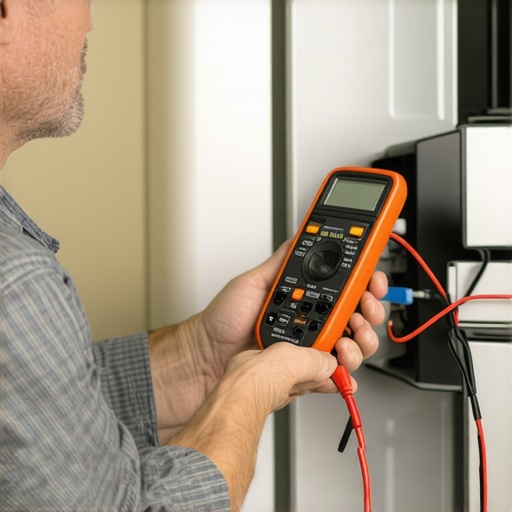
Consistency is key. I schedule routine checks and use specialized tools to catch problems early before they become costly repairs. One of my favorite instruments is a digital multimeter, which I use to measure electrical continuity and voltage in appliances, ensuring they’re receiving the correct power supply. For example, testing the heating element in my dishwasher with a multimeter helped me diagnose a problem that was causing prolonged cycles, saving me from unnecessary replacements.
For appliances like refrigerators and washing machines, I swear by a magnetic inspection mirror. This compact tool allows me to peek behind or under appliances to check for dust buildup or leaks without moving heavy equipment. Removing dust from condenser coils, as recommended in this guide, improves energy efficiency and prevents overheating, which could lead to premature failure.
Smart maintenance tools making a difference
Integrating smart diagnostics apps has revolutionized appliance upkeep. My smart washer, for example, connects to my phone via Wi-Fi and alerts me when it detects irregular vibrations or water leaks. This proactive approach minimizes downtime. I also use a sensor-based water flow tester to ensure my home’s water pressure remains optimal for appliances; low pressure can extend fill times and strain internal components.
Furthermore, a reliable descaling kit is essential, especially in areas with hard water. I prefer an automated descaler, which I run monthly in my washing machine and dishwasher. It prevents mineral buildup, which can slow cycles and cause leaks. Regular descaling, as discussed in this article, keeps water pathways clear, preserving appliance efficiency over years.
What does the future hold for appliance maintenance tools?
As smart technology advances, I predict we’ll see even more integrated diagnostics that homeowners can access via voice assistants or dedicated apps. Predictive maintenance, powered by AI, might soon inform us of imminent component failures before symptoms appear. This transition will make upkeep more proactive rather than reactive, saving money and extending appliance life even further.
If you’re serious about long-term appliance health, I recommend starting with a high-quality multimeter and exploring smart diagnostics features on your devices. Implementing these tools now can save you hassle, money, and frustration down the road. Want to explore the latest smart maintenance gadgets? Check out the top smart appliances for 2025 and arm yourself with cutting-edge tech for smarter, more resilient home systems.
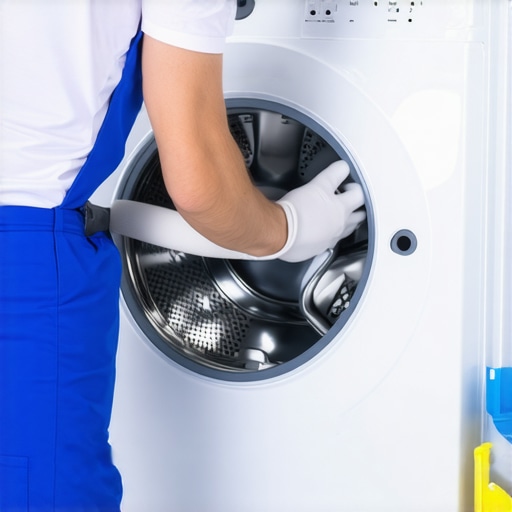
Ensure your appliances stay in peak condition by regularly cleaning and inspecting critical components. For example, a flexible, extendable cleaning brush allows you to reach into crevices of your dishwasher or refrigerator coils, removing dust and debris that can hinder performance. Regular maintenance with the right tools keeps your appliances running smoothly and helps identify issues early—saving money and prolonging their lifespan.
The Hardest Lesson I Learned About Washing Machines and Smart Appliances
- Never assume that longer cycles are a flaw—sometimes, they signify more thorough cleaning and energy efficiency, as I discovered after switching to eco modes. Understanding the purpose behind cycle durations saved me from unnecessary frustration and replaced it with patience and smarter choices.
- Being cautious with overloading and detergent quantities can dramatically cut down cycle times; I learned this the hard way when overloaded loads extended my laundry routine by an hour, highlighting the importance of following manufacturer guidelines for optimal performance.
- Regular maintenance isn’t just a chore—it’s a necessity. Using simple tools like a digital multimeter helped me diagnose electrical issues early, preventing costly repairs and keeping my appliances running at peak speed.
- Integration of smart diagnostics has transformed my approach to appliance care. Apps that monitor vibrations and leaks give me peace of mind, knowing I can catch issues before they cause major delays or damage, reinforcing the importance of leveraging technology for proactive maintenance.
- Understanding the fine print about smart features has saved me from privacy pitfalls and unnecessary energy drain, such as mistakenly relying on auto-configured water-saving modes that underperform without proper use. Being informed helped me optimize these features for real-world benefit.
My Essential Toolkit for Smarter Laundry and Appliance Care
- A reliable digital multimeter: Trust me, this simple tool is invaluable for diagnosing electrical issues, saving time and money. It’s the first thing I reach for when troubleshooting.
- Smart diagnostics apps: Connecting my washer and other appliances to my phone has made maintenance effortless, alerting me to potential problems before they become serious. Check out the latest features in top smart appliances for 2025.
- Cleaning kits for descaling and coils: Keeping mineral build-up at bay ensures faster cycle times and longevity, especially in areas with hard water, as outlined in the guides I trust.
- A flexible cleaning brush: No more need for heavy lifting or disassembly—reach into tight spaces behind appliances to remove dust and debris, keeping everything running smoothly.
- Wi-Fi extenders and smart hubs: If you connect your appliances properly, you’ll get real-time alerts and automation options that cut down on wasted cycles and energy, aligning with my routine of smart, energy-aware living.
Embrace Smarter Laundry and Appliance Strategies Today
The future of home appliances is brighter than ever, with proactive diagnostics and smarter features designed to enhance your lifestyle. Don’t hesitate to take control—learn the ins and outs, leverage the right tools, and make your appliances work for you, not against you. Your laundry days and everyday chores will become faster, easier, and more enjoyable. Have you ever tried a diagnostic app or special tool that changed the way you handle appliance issues? Share your experience below and let’s inspire each other to become appliance pros.