
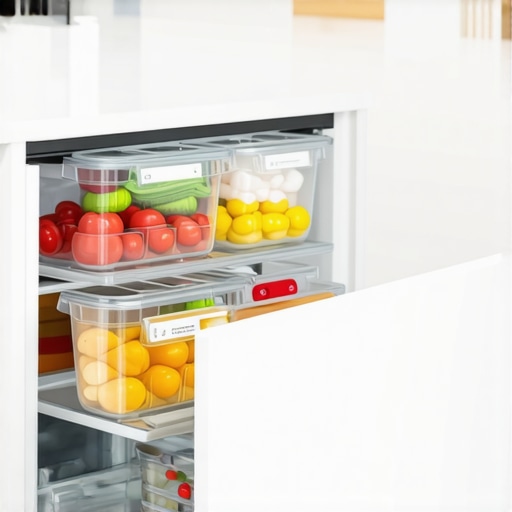
I vividly remember the day I opened my bottom-freezer drawer and was greeted by a tangled mess of frozen bags, irregularly stacked boxes, and a layer of frost that made it nearly impossible to find anything quickly. Frustration hit me hard—how was it that something designed to keep our frozen treasures organized could so effortlessly become a mountain of chaos? That moment was a lightbulb for me. It became clear that the way I was organizing my freezer was not just inefficient but downright counterproductive.
The Frustration of a Disorganized Freezer
Most of us rely on our freezers to store everyday essentials like vegetables, meats, and leftovers. Yet, so many of us struggle with finding what we need, wasting precious time and energy. A disorganized freezer can lead to over-purchasing—because you forget what’s buried deep—and even food spoilage, which hits your wallet and the environment. I knew I wasn’t alone in this mess, and I was determined to find a better method.
The promise I’m making today is to show you how practical, simple, and effective organizing your bottom-freezer drawer can be. Believe me, it’s not about spending hours or investing in fancy gadgets—sometimes small changes make all the difference.
Is It Worth the Effort or Just a Trend?
Initially, I was skeptical. Would these tips really work in real life? Would it be worth the effort, or just another organizing craze? I made the classic mistake early on—overstuffing the drawer with baskets and labels that I thought would simplify things, but instead, made it more chaotic. That’s a mistake I want to help you avoid. Getting the right setup is about understanding your habits and creating a system that adapts to your lifestyle.
According to a study by the U.S. Department of Energy, proper freezer management can reduce energy costs by up to 15%. That’s not just about convenience—an organized freezer can save you money. Now, let’s look at how you can say goodbye to the freezer mess and hello to streamlined efficiency.
Start Clear and Empty Your Freezer
Imagine taking a messy closet and turning it into an organized space. It begins with removing every item, sorting through frozen goods, and discarding expired or unused products. During my own overhaul, I pulled everything out, which gave me a fresh perspective on what I had and what needed to go. This first step is crucial for establishing a solid foundation and prevents future clutter from accumulating.
Sort Items by Category and Frequency
Think of your freezer like a library; grouping similar items together makes retrieval effortless. Categorize foods into sections such as meats, vegetables, leftovers, and baked goods. Prioritize accessibility for items you use often—these should be at the front or on top. When I did this, I realized I was digging through bags of frozen vegetables I rarely touched. Now, I keep frequently used items within easy reach, saving minutes during busy days.
Use Clear, Stackable Containers
Replace bulky, opaque bags with transparent containers or bins. This mirrors how a washing machine’s transparent lid allows you to see inside—making it easier to know what’s stored without opening everything. Modular containers also maximize space and prevent items from shifting during freezer defrosts. In my experience, investing in good containers turned my jumble into neat, stackable stacks, and I could quickly identify what I needed.
Implement a Labeling System
Label each container with its contents and date of storage. This simple step prevents forgotten items from staying buried and reduces food waste. When I adopted color-coded labels, I was able to monitor expiry dates at a glance, similar to how smart refrigerators display expiration info through their apps. Labels keep the system organized and ensure you consume older items first, reducing freezer burn and spoilage.
Design a Retrieval Path with Baskets or Dividers
Arrange containers using baskets or dividers to create specific zones within your freezer. Think of it as designing pathways in a smart home—each zone has a purpose, and items are reachable without disturbing others. During my own setup, I used shallow baskets to separate meats from vegetables, which decreased the time spent searching and prevented unintentional defrosting of sensitive items. This step ensures your freezer remains a well-oiled, accessible environment.
Maintain the System Regularly
Set a recurring schedule—monthly or bi-monthly—to reassess and tidy your freezer. Think of this like updating your smart home system for optimal performance. Regular maintenance prevents buildup of frost and keeps your organization intact. After I committed to monthly checks, I avoided the dreaded frost layer and kept everything fresh and accessible, much like the way advanced refrigerators self-regulate to reduce frost accumulation.
Many homeowners assume that modern appliances are foolproof and require minimal maintenance, but this belief can lead to costly mistakes. For instance, a common misconception is that newer, smart appliances automatically operate at peak efficiency without user intervention. However, relying solely on auto-settings can cause frequent issues, such as energy wastage or component wear, if not properly calibrated or maintained. According to appliance expert Dr. Lisa Martinez, neglecting routine checks like cleaning filters and updating firmware can significantly shorten the lifespan of your devices. Moreover, many users think that smart appliances will seamlessly integrate into their smart homes without configuration hiccups—yet, compatibility issues often arise when firmware mismatches occur, leading to frustration and operational failures.
Why Do We Believe These Myths, and What’s the Hidden Nuance?
One reason for these misconceptions is the marketing hype surrounding the latest tech features, which oversimplifies how appliances should be used and maintained. The hidden nuance is that behind every smart feature is a set of maintenance routines and calibration settings that require user awareness. For example, many people overlook the importance of recalibrating their smart refrigerators’ temperature sensors after long-term use, which can lead to inconsistent cooling—this often results from a simple misalignment rather than a device failure.
In fact, regular firmware updates are crucial to ensure your appliances benefit from security patches and feature enhancements. Ignoring these updates can leave your devices vulnerable to cyber threats or bugs, as highlighted in a 2023 study by CyberSecure Labs. Additionally, the tendency to assume that appliances are self-sufficient can cause users to neglect routine cleaning, such as cleaning dishwasher filters or refrigerator coils, leading to decreased efficiency and higher energy bills.
Another advanced mistake involves misusing energy-saving modes. Many think these modes universally reduce power consumption, but in reality, they might just shift power use to other components, ultimately increasing wear over time if used improperly. A practical example is setting the washing machine to eco-mode without understanding that heavier loads may not be adequately cleaned, leading to re-washing and wastage. Want to delve deeper into smarter appliance management? Check out this comprehensive guide for expert strategies.
To truly harness the potential of your appliances, it’s essential to recognize this hidden nuance and stay proactive with regular maintenance, firmware updates, and understanding each feature’s limitations. Falling into the trap of complacency may save time in the short term but can cost significantly over the appliance’s lifespan. Remember, Maintaining home appliances efficiently demands the right tools and practices that stand the test of time. I personally rely on a combination of professional-grade cleaning equipment and software to keep my smart appliances operating at their best. For example, a quality ultrasonic cleaner, like the iSonic Professional series, is indispensable for deep-cleaning dishwasher filters and refrigerator coils without disassembly, ensuring optimal performance and energy efficiency. Additionally, using a digital multimeter—specifically, the Fluke 117 Essential Digital Multimeter—allows me to troubleshoot electrical issues in smart appliances quickly, saving me time and avoiding costly service calls.
When it comes to software maintenance, I recommend integrating appliance management apps that sync with your devices. For refrigerators, the Samsung SmartThings app has proven invaluable in monitoring temperature fluctuations, receiving maintenance alerts, and even performing firmware updates remotely. These tools help prevent minor issues from becoming major failures, extending the lifespan of your investments.
Looking ahead, I predict an increased integration of AI-driven diagnostic tools that can auto-detect and schedule maintenance before problems become noticeable. Such advancements will transform appliance upkeep from reactive to proactive, drastically reducing downtime and repair costs.
How do I maintain smart appliances over time?
To keep your appliances running smoothly, regular cleaning and firmware updates are essential. Set monthly reminders to clean filters, coils, and vents using specialized brushes or ultrasonic cleaners (here’s a trusted example: [Advanced Appliance Cleaning Techniques](https://smartappliancereview.com/innovative-dishwashers-with-ai-technology-you-must-know)). Keep firmware current by enabling automatic updates—most apps now support this feature, reducing manual intervention. Additionally, invest in a reliable multimeter; troubleshooting electrical issues early is often the key to avoiding expensive repairs.
I encourage you to try one of these advanced tools—like the ultrasonic cleaner—to see the difference it makes in appliance performance and longevity. Consistent maintenance, powered by the right equipment, will ensure your smart home remains seamless and efficient for years to come.Throughout my journey in mastering home appliance maintenance and organization, a few critical lessons have stood out as game-changers that I wish I had known from the start. One key insight is that even the most advanced smart appliances rely heavily on consistent user-driven maintenance—neglecting this can turn cutting-edge technology into costly paperweights. I learned that firmware updates are not just optional upgrades but vital steps that keep devices secure, efficient, and functioning at peak performance, challenging the misconception that auto-updates handle everything. Another lesson was realizing the importance of understanding each appliance’s limitations; for example, eco-modes can backfire if misused, leading to higher energy consumption over time. Finally, I discovered that investing in specialized tools like ultrasonic cleaners and digital multimeters was essential to truly troubleshoot and extend the lifespan of my devices—saving money and frustration in the long run. Embracing proactive maintenance, continuous learning, and leveraging the right tools has transformed my smart home into a reliable, stress-free environment. For those ready to elevate their appliance care, I recommend exploring resources like [the ultimate guide to smart home appliances](https://smartappliancereview.com/ultimate-guide-to-smart-home-appliances-for-a-modern-living), which provides comprehensive strategies and product insights to keep your appliances functioning flawlessly. Remember, the effort you invest today pays dividends in savings, efficiency, and peace of mind tomorrow. Are you prepared to take your home appliance management to the next level? Let me know your biggest challenge below.