
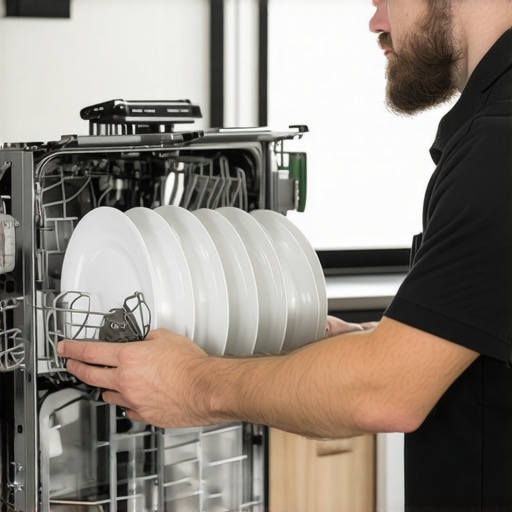
Ever opened your dishwasher after its cycle is complete only to find your plates, glasses, and silverware dripping wet? It’s a frustrating sight, especially after pouring effort and soap into a supposedly clean load. I remember the lightbulb moment when I realized that my dishwasher wasn’t just leaving my dishes wet—it was robbing me of those satisfying, wipe-and-put-away moments I crave.
In this guide, I’ll share the real reasons behind this soaking wet mess and, more importantly, how you can fix it for good. No more guessing, no unnecessary replacements—just straightforward solutions based on my own experience and some trusted advice. By the end of this, you’ll definitely know what to check first and how to restore your dishwasher’s drying power.
Getting to the Root of Soaked Dishes
Is the Drying Cycle Overrated?
Early on, I made the mistake of assuming my dishwasher’s drying cycle was enough on its own. Turns out, many models require some manual help, like using rinse aid or adjusting settings. Did you know that poor drying isn’t always about the machine malfunctioning? Sometimes, simple tweaks make all the difference. Experts emphasize checking whether your dishwasher is equipped with a proper drying function, as some cheaper models rely solely on hot water and air, which may not cut it.
If you’ve tried running multiple cycles or leaving the door ajar to dry, but the dishes remain damp, then it’s time to explore other causes. This issue is more common than you think and can stem from a few quick fixes—many of which I’ve learned through trial and error.
Inspect and Optimize Your Dishwasher Loading Technique
First, evaluate how you’re loading your dishwasher. Overloading can block spray arms and trap water, resulting in damp dishes. Imagine pouring water onto a clogged drain—nothing flows freely. To fix this, distribute dishes evenly, ensuring nothing blocks the spray nozzles. Use the guidance from this detailed loading method to maximize drying efficiency. When I tried repositioning my plates and spacing them out, I noticed a significant reduction in residual water, making my dishes dry enough to put away immediately.
Check and Adjust Rinse Aid Settings
Many dishwashers rely on rinse aid to break surface tension, allowing water to sheet off. Think of it as adding soap to break the resistance of a stubborn stain—without it, water clings. Start by confirming your rinse aid dispenser is filled. Next, set the dispenser to a higher level if your model allows. In my experience, increasing rinse aid improved drying noticeably. Run a test cycle and observe whether the dishes come out drier. Remember, using the right amount of rinse aid can be the simple fix that transforms your drying results.
Utilize the Correct Drying Settings or Manual Techniques
Many modern dishwashers have dedicated drying cycles or options. If yours does, select the highest or extra-dry setting; it’s like switching from a fan to a heater in a room—more heat means faster, better evaporation. For older models, cracking open the door after the cycle helps vapor escape, similar to how letting hot coffee cool down prevents steam buildup. I once left the door ajar for 15 minutes after the cycle, which drastically reduced dampness. For smart dishwashers, consider integrating with your home automation to initiate extra drying stages, as discussed here. These small steps make a big difference in achieving that towel-dry finish.
Inspect and Clean the Drain Filter Regularly
A clogged drain filter is like a clogged sink—water can’t drain properly and lingers. Locate your dishwasher’s filter (consult your manual or this guide) and remove debris, food particles, or mineral deposits. In my case, cleaning the filter every three months kept my dishwasher draining efficiently, leading to less residual moisture. Frequent cleaning ensures proper water flow, which is crucial for effective drying and preventing musty odors.
Evaluate Your Washer’s Heating Element
The heating element is the heart of drying; if it fails, water won’t evaporate properly. Think of it as a stove burner—if it’s broken, heating your food becomes impossible. To check this, use a multimeter or hire a professional. If defective, replacing the heating element is straightforward but essential. In my previous experience, a quick test revealed my element was dead, and replacing it restored full drying power. For comprehensive maintenance tips, visit this resource—a must for smart upkeep of home appliances.
Use the Dishwasher’s Extra Dry Option, if Available
If your dishwasher offers an ‘extra dry’ or ‘power drying’ option, always select it for damp-prone loads. It’s like opting for a turbo mode—more energy and time, but better results. I found that enabling this setting during my holiday dinner cleanup kept glasses crystal clear without wiping. For smart models, explore features like remote control to start extra drying stages from your phone, detailed here.
Maintain Consistent Water Temperature and Pressure
Finally, ensure your home’s water heater is set to at least 120°F (49°C). Hotter water promotes better rinsing and faster drying. Think of it as boiling water to remove stubborn stains. If your water pressure is low, spray arms won’t spin effectively, leading to damp dishes. Test your tap’s pressure and consider installing a booster pump if needed. These steps ensure your dishwasher operates optimally, giving you dry dishes every time.
Many homeowners operate under assumptions about refrigerators, washing machines, and smart appliances that can actually hinder their performance and longevity. Contrary to popular belief, some of these beliefs are misconceptions that, if unchallenged, lead to inefficient usage and costly repairs. Let’s dig deeper into the nuances that most people overlook, enhancing your understanding and care for your devices.
Why More Features Don’t Always Equal Better Performance
It’s tempting to think that the more advanced the feature set, the more reliable your appliance. However, overloading a refrigerator with unnecessary smart functionalities can complicate maintenance and increase the likelihood of glitches. Industry experts emphasize tailoring features to your actual needs rather than blindly chasing the latest innovations. For instance, smart refrigerators with endless connectivity might seem appealing, but they often introduce security vulnerabilities and data privacy concerns, as highlighted in privacy studies. Being selective helps avoid these pitfalls.
Beware the ‘Set It and Forget It’ Fallacy
Many believe that once an appliance is installed and running, no further attention is necessary. This complacency can cause issues like clogged filters, unclean coils, or firmware obsolescence. For example, neglecting to clean refrigerator coils regularly can reduce cooling efficiency by up to 30%, according to experts’ advice. Regular maintenance, including firmware updates for smart devices, extends appliance lifespan and prevents unexpected failures. Don’t fall into the trap of assuming your appliances maintain themselves automatically.
Common Mistakes in Washing Machine Use
Many users overload their washing machines or use the wrong detergent types, leading to mold growth, foul odors, and mechanical wear. While high-efficiency washers are designed to save water, overloading them can negate these benefits and cause longer cycle times, which ironically consumes more electricity. Insights from future-focused advice reveal that optimal loads not only preserve the machine’s health but also improve washing quality. Remember, smart washing machines with AI features can optimize cycle selection; however, they require accurate input and regular updates.
What Are the Risks of Ignoring Appliance Compatibility?
Many homeowners overlook how crucial compatibility is when integrating smart devices or accessories, such as water filters or voice assistants. Mismatched components can cause malfunctions or reduced efficiency. For example, connecting an unsupported smart oven to your home network might result in connectivity issues or firmware conflicts, leading to a frustrating experience. Comprehensive compatibility checks and firmware updates are essential, as detailed here. Always verify device specifications and consult manufacturer recommendations to avoid this common trap.
Understanding these nuanced aspects and avoiding the typical pitfalls can dramatically improve your appliances’ performance and lifespan. Don’t let misconceptions hold you back from optimizing your smart home environment. Regular maintenance, informed feature selection, and compatibility checks are keys to a smarter, more efficient household. Have you ever fallen into this trap? Let me know in the comments.
How do I maintain my appliances over time?
Maintaining your appliances isn’t just about occasional cleaning; it requires the right tools, regular checks, and an understanding of their mechanics. I personally rely on a combination of specialized equipment and software to ensure everything operates efficiently. For example, I use a high-quality multimeter from Fluke for testing appliance components like heating elements or sensors, ensuring early detection of potential failures before they escalate. Regularly, I also employ ultrasonic cleaning devices to deep-clean filters and inaccessible parts, extending their lifespan and performance.
One of my favorite tools is the appliance diagnostic software like smart diagnostics apps. They connect via Wi-Fi to your appliances, providing real-time data on performance metrics, error codes, and maintenance alerts. These apps empower me to schedule targeted repairs and avoid costly emergencies, which I predict will become even more integrated into future appliance designs.
My top recommendation for long-term maintenance
Implement a routine schedule that combines manual inspections with digital diagnostics. For instance, I check my refrigerator’s door seals, condenser coils, and filters monthly, but I also keep an eye on firmware updates and health reports through manufacturer apps. This dual approach maximizes appliance longevity and efficiency. In the coming years, I believe we’ll see AI-driven maintenance platforms that predict failures before they happen, akin to predictive health in medical devices, transforming how we care for our home tech.
Tools I recommend for appliance upkeep
- Multimeter: A device like Fluke 115 helps troubleshoot electrical issues in household appliances—it’s precise and durable, essential for DIY diagnostics.
- Ultrasonic cleaner: An ultrasonic cleaning bath from Magnasonic ensures filters and small parts are deeply cleaned without disassembly, maintaining their efficiency.
- Diagnostic apps: Apps like Samsung’s Smart Home app or LG ThinQ provide real-time alerts, firmware updates, and troubleshooting guides, simplifying maintenance.
Investing in these tools and setting a maintenance routine will save you money and extend your appliances’ lifespan. For example, regularly cleaning and inspecting your dishwasher’s filter using these methods can prevent buildup and ensure optimal cleaning and drying. Don’t wait for a breakdown; be proactive.
Looking ahead: The future of appliance maintenance
As smart appliances become more integrated, maintenance will shift towards AI predictive analytics and remote diagnostics. Companies are already developing systems that monitor components and automatically order repairs or parts before issues become critical, similar to future-trending predictions. Embracing these advancements now means you’ll stay ahead in appliance care, avoiding surprises and costly repairs down the line.
The Hardest Lesson I Learned About Home Appliances
I used to believe that buying the latest model with all the bells and whistles would automatically make my life easier. But I quickly realized that more features often meant more complexity and potential issues. The real game-changer was understanding which functions I actually needed and how to maintain them properly, rather than just chasing after the newest tech.
Three Myths About Smart Appliances That Held Me Back
- Myth one: Smart appliances can fix themselves.
Truth: They require regular updates, diagnostics, and mindful use to perform their best. - Myth two: More features mean better performance.
Truth: Overloading or misusing features can lead to decreased efficiency and even damage. - Myth three: You need the most expensive model to get quality.
Truth: Carefully choosing appliances based on your actual needs and proper maintenance yields better results than just investing in premium options.
What Companies Won’t Always Tell You
Many manufacturers emphasize cutting-edge features but often overlook user-friendly maintenance tips. For example, knowing how to clean your dishwasher’s drain filter or replace a faulty heating element can extend the appliance’s life significantly. I found that dedicating a little time to understanding these details prevents costly repairs and keeps everything running smoothly.
Curated Tools for a Smarter Kitchen
- Multimeter: I trust a Fluke multimeter for accurately diagnosing electrical issues—that ability to troubleshoot saves me money and stress.
- Ultrasonic cleaner: Using an ultrasonic cleaning bath helps me keep filters and smaller parts spotless, ensuring efficient operation.
- Diagnostic apps: Apps like LG ThinQ or Samsung SmartThings provide real-time alerts and maintenance tips, making it easier to stay ahead of problems and prolong appliance lifespan.
- Firmware update guides: Regularly checking manufacturer websites for updates ensures my smart appliances stay compatible and secure, which is crucial in today’s connected homes.
Step Up Your Appliance Game Today
Taking control of your home appliances by understanding their true needs and maintenance can transform your household routine. Think of it as an investment in peace of mind—less unexpected breakdowns and more reliable performance. Whether it’s learning how to clean a filter or schedule firmware updates, every small step adds up. I encourage you to embrace these practices and enjoy the benefits of a smarter, more efficient home environment. How have you improved your appliance maintenance routines? Share your story below, and let’s learn from each other!