
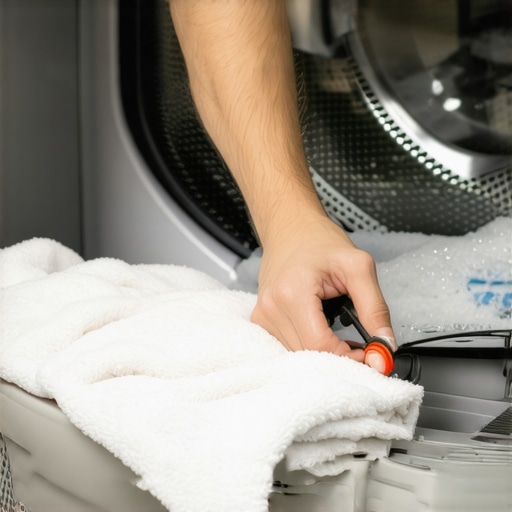
I stood there, barefoot on the cold tile, listening to the silence. My washer had stopped at the 22-minute mark for the third time that week. It wasn’t a power outage, and the cat hadn’t bumped the buttons. It was just… stuck. I felt that familiar dread of a four-hundred-dollar repair bill looming over my head. But before you call the pro, let me tell you what I learned the hard way.
The Night My Laundry Room Became a Crime Scene
I remember my first smart washer. I thought it would change my life, but instead, it just gave me new ways to be annoyed. One Tuesday night, I found myself staring at a drum full of soapy, lukewarm water. Every time I hit the start button, the machine would groan, spin for three seconds, and then give up on life again. I realized then that why your high efficiency washer takes so long to complete a load isn’t just about the cycle time; sometimes it’s because the machine is literally fighting itself. I made the classic rookie mistake of assuming the main computer board was fried. I spent hours Googling replacement parts, only to find out later that the issue was a tiny piece of a toothpick wedged in the drain. It was embarrassing, but it taught me that these machines aren’t as invincible—or as smart—as we think.
Is Fixing This Yourself Actually Possible?
You might be looking at your digital display and thinking you need a PhD in robotics to touch it. I get it. I’ve been there. But most mid-cycle pauses come down to three simple culprits: sensors, drainage, or balance. Today, we are going to tackle exactly how to diagnose a faulty lid switch on your top loader or how to clear a blocked pump on your front load washing machine without needing a toolbox the size of a sedan. According to Consumer Reports, many modern appliances are designed with sensitive safety triggers that pause the machine to prevent major mechanical damage or floods, which means the ‘broken’ washer is actually just being overly cautious. Have you ever been halfway through a cycle only to find your machine has gone on strike? Let’s get that water moving again and save you the service fee.
Clear the Path for Trapped Water
When your machine stops with a tub full of water, it is usually because the pump is acting like a straw with a piece of ice stuck in it. I remember the time I took apart my front-loader’s base panel, expecting a mechanical failure, only to find a single dime wedged perfectly in the impeller. It cost me two hours of my life and a very wet floor, but it is the first thing I check now. You need to learn how to clean a front load washer filter without flooding the room by using a shallow tray to catch the initial gush. If the pump cannot push water out within a specific timeframe, the computer board simply gives up to prevent the motor from burning out. This is a classic reason why your high efficiency washer takes so long to complete a load—it is trying to drain, failing, and retrying until it eventually throws an error code. 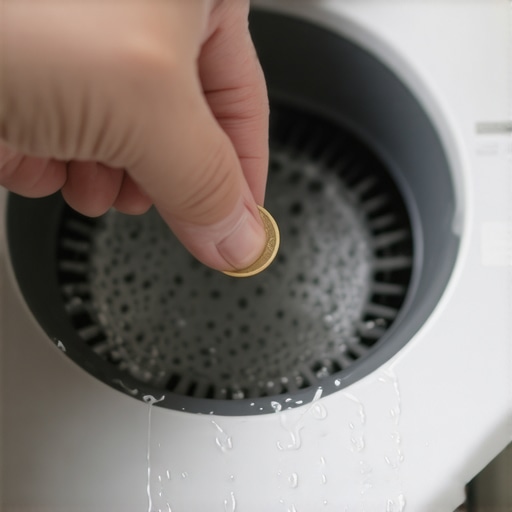
Stop the Machine From Walking Away
If you have ever heard a sound like a helicopter taking off in your laundry room, your balance is likely off. A machine that is not level will not just be noisy; it will actually pause the spin cycle to protect the drum bearings. I once lived in a 1920s bungalow where the laundry room floor had a slope that would make a mountain goat nervous. I had to learn how to level a washing machine on an old slanted floor using heavy-duty rubber pads. If the internal accelerometer detects too much vibration, it cuts power. This is exactly why your washing machine is moving across the floor during the spin and then quitting halfway. Adjust the legs until that bubble on your level is dead center, or you will be resetting the cycle every twenty minutes.
Outsmart the Safety Sensors
Modern washers are paranoid. They have sensors for everything from suds levels to the lid latch. If the machine thinks the door is open, even by a millimeter, it will not spin. This is where you need to diagnose a faulty lid switch on your top loader. Sometimes it is just a build-up of dried detergent preventing a clean contact. I have seen cases where people thought their motor was dead, but they just needed to wipe a glob of blue soap off a plastic sensor. Also, be extremely careful with your detergent; using too much creates a ‘suds lock’ that confuses the pressure sensor. You should understand why your washer doesn’t need a whole cup of detergent to get clothes clean to avoid these digital hiccups. When the sensor sees a mountain of bubbles, it pauses to let them dissipate, which can add an hour to your cycle.I’ve spent years tinkering with these ‘smart’ behemoths, and if there is one thing I’ve learned, it’s that common wisdom is often twenty years out of date. For example, most people see a shallow pool of water in the drum and panic. They think the machine is malfunctioning or that their clothes won’t get clean without a full soak. But here is the truth: modern high-efficiency machines are designed to work with minimal water to maximize the friction between fabrics. In fact, why your high efficiency washer doesn’t fill all the way to the top is a calculated engineering choice. If you force more water into the tub, you are actually diluting the detergent’s enzymes and reducing the ‘scrubbing’ effect of the clothes rubbing against each other. This counter-intuitive reality is the backbone of modern appliance design.
The Fabric Softener Trap That Kills Machines
The real trap—the one that keeps repairmen in business—is what I call the ‘freshness fallacy.’ We have a psychological urge to add ‘just a little more’ detergent or a massive capful of softener to ensure our towels smell like a spring meadow. This is a silent killer for internal components. Over time, that excess liquid creates a thick, waxy film called biofilm, which acts as a glue for lint and skin cells. This is the reason your high efficiency washer smells like old gym socks even after a cleaning cycle. Even more dangerous is how these chemicals interact with metal. The fatty acids in softeners can actually corrode the aluminum ‘spider arm’ that supports the drum, leading to a catastrophic mechanical failure. You absolutely must understand why you should never use too much fabric softener in your smart washer if you want to avoid a total replacement in under five years. 
Why Does My High-End Washer Still Smell Like a Locker Room?
If you are getting a funky scent despite using ‘clean’ cycles, you are likely dealing with hidden mold in the gasket or the detergent drawer. It is not just about the smell; it is about the sensors. Modern machines use conductivity sensors to detect soil levels, and a layer of sludge can trick the machine into running longer or shorter than it should. You might even notice how to fix a leaking detergent drawer in your washer becomes a frequent search because the buildup is physically blocking the water jets. According to the Association of Home Appliance Manufacturers (AHAM), nearly 60% of service calls for ‘broken’ HE washers are actually related to maintenance issues caused by improper detergent use or neglected cleaning of internal filters. Knowing the secret to odor free laundry in a high efficiency machine often involves less ‘product’ and more airflow. Finally, don’t ignore the sounds. We often dismiss a rhythmic thumping as just a heavy load, but it could be the first sign of a hardware death knell. If your machine is older and the noise persists even with a light load, you need to learn how to tell if your washer bearings are about to fail before the drum completely seizes. A little bit of proactive observation saves you from the ‘oops’ of a flooded laundry room. Have you ever fallen into the trap of thinking more detergent equals cleaner clothes? Let me know in the comments below!It turns out most of us are over-cleaning with chemicals and under-cleaning with the right tools. I used to think a microfiber rag and some multi-surface spray were the gold standard, but then I invested in a dedicated long-reach condenser coil brush. It is a simple tool that looks like an oversized pipe cleaner, and it quite literally saved my refrigerator from a premature compressor failure. If you have been wondering why your high efficiency fridge runs more often than your old one, it is almost certainly because the coils are suffocating under a thick blanket of pet hair and dust. I also swear by using the best smart plugs for monitoring appliance energy use. These little devices allow me to see real-time power consumption spikes; if my dishwasher starts pulling 20% more juice than usual during the heat cycle, I know a heating element is likely failing before it actually breaks.
Stop Smothering Your Refrigerator
Every few months, you need to get down on your hands and knees and learn how to clean the hidden debris under your refrigerator grille. According to the technical guidelines provided by the Association of Home Appliance Manufacturers (AHAM), a significant percentage of compressor failures are directly linked to poor heat dissipation caused by neglected airflow. When the heat cannot escape, the inverter compressor has to work twice as hard. This is the same reason why your modern fridge is making a clicking sound every ten minutes—it is trying to start up against high pressure and failing. 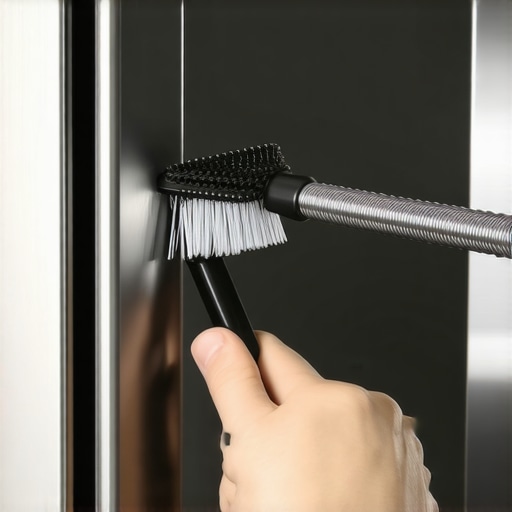
How do I keep these complex machines running for years?
The secret to longevity is consistency over intensity. Instead of doing a ‘deep clean’ once a year, I spend five minutes every month checking the seals and filters. For your dishwasher, stop ignoring the spray arms. If you notice why your dishwasher isn’t drying the dishes well, check the tiny holes in those arms for calcified hard water deposits. I use a simple toothpick to clear them out, ensuring the water pressure remains high enough to trigger the sensors correctly. In the world of laundry, the future of home appliances trends to watch in 2025 suggests we will see even more AI integration, but no software can fix a physical blockage. I recommend keeping a small shop-vac nearby specifically for the dryer vent and the washer drain pump area.
The AI Revolution is Coming for Your Repairs
Looking ahead, I predict a massive shift toward self-diagnosing hardware. We are already seeing washing machines that save water expert advice for 2025 that includes internal sensors capable of predicting mechanical fatigue. Soon, your machine will tell you exactly how to tell if your washer bearings are about to fail via a push notification, weeks before you hear that dreaded grinding noise. Until then, you have to be the ears and eyes for your home. If you want to save yourself a massive headache later, take five minutes today to pull your fridge out and vacuum those coils. It is the single most effective thing you can do for your kitchen’s health.
The Hardest Lesson I Learned About Modern Sensors
After years of wrestling with digital displays, I’ve realized that most appliance failures are actually maintenance gaps rather than terminal mechanical breakdowns. We treat these machines like magic boxes that never need a break, but they are highly sensitive tools that respond to the environment. The biggest takeaway? Trust your ears. If your machine starts making a new rhythmic sound, it is talking to you. Don’t wait for a total breakdown to learn how to tell if your washer bearings are about to fail. Being proactive rather than reactive is the only way to avoid the mid-cycle panic I used to feel every Tuesday night. Most of the time, the solution is as simple as clearing a filter or checking a door seal before the software forces a shutdown.
#IMAGE_PLACEHOLDER_E#
Where I Go for Reliable Technical Advice
I don’t navigate these repairs alone; I rely on specific data points and professional resources to keep things running. I highly recommend checking out the ultimate guide to smart home appliances for a modern living for a birds-eye view of how these systems should ideally interact. For those looking to stay ahead of the curve, keeping an eye on the future of home appliances trends to watch in 2025 will help you decide when it is time to repair and when it is time to upgrade. I also personally use the best smart plugs for monitoring appliance energy use to catch electrical spikes before they damage expensive circuit boards. These small investments in knowledge and monitoring save thousands in the long run.
Mastering Your Home Machines Once and for All
It can be intimidating to open up a machine that costs more than your first car, but remember that these devices are designed with modularity in mind. By understanding the basics of drainage, airflow, and sensor maintenance, you can keep your home appliances in peak condition for a decade or more. You have the tools, the guides, and the ability to fix this yourself. Have you ever managed to fix a confusing appliance error with just a simple reset or a quick cleaning? Let me know your success stories in the comments below!