
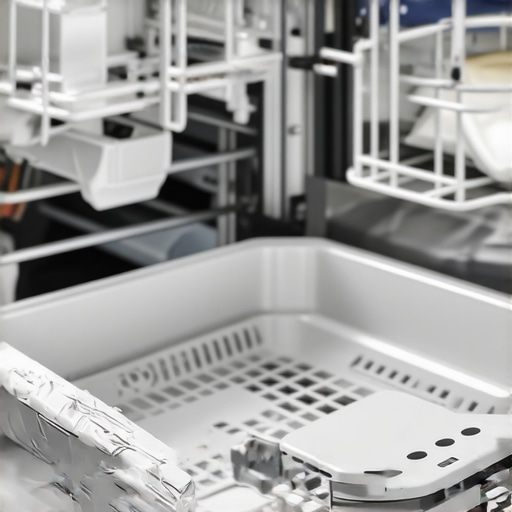
Ever opened your dishwasher after a cycle and caught a whiff of something funky? Or noticed that your dishes aren’t quite as spotless as they used to be? Well, I had that exact lightbulb moment not too long ago—right in the middle of trying to get dinner ready. It was then I realized there was a sneaky little component lurking beneath the surface, probably clogged with grime, and I’d never even thought to clean it. Yes, I’m talking about the hidden drain filter in my dishwasher, a part I once ignored entirely.
The Disappointing Truth About Dishwasher Drain Filters
If you’re like me, the idea of fiddling with the innards of your appliance might seem intimidating—maybe even unnecessary. But let me tell you, neglecting this tiny but crucial part can lead to big problems: foul odors, poor cleaning performance, and even standing water at the bottom of your machine. And here’s the kicker: it’s often tucked away out of sight, making it easy to forget yet vital to maintain.
Could Your Dishwasher Be Hiding a Clog?
Early on, I made the mistake of assuming that all that cleaning was handled during the wash cycle and that any bad smells were just a sign of age or poor detergent. Wrong! In reality, the real culprit was a clogged drain filter blocking water flow and trapping debris. This silent issue can turn into a washer’s worst enemy if left unchecked. Interestingly, studies show that regular maintenance of appliance filters extends their lifespan and keeps energy bills down—supporting the need for routine checkups. For more tips on efficient appliances, see my review of water-saving washing machines.
Have you ever had to deal with stubborn smells or water pooling in your dishwasher? If so, you’re not alone, and I promise, there’s a simple fix. Let’s dig into how you can take control of this hidden grime and make your dishwasher run like new again.
Remove the Dishwasher Filter Carefully
Start by disconnecting your dishwasher from power to ensure safety. Open the door and remove the bottom rack to access the filter area. Locate the drain filter—usually a small, round or rectangular piece at the bottom of the tub. Use a soft brush or your fingers to gently unscrew or lift the filter out, being mindful of any clips or connectors. In my experience, applying gentle pressure prevents damage and makes the process smoother.
Clean the Filter Thoroughly
Once removed, rinse the filter under warm water. Use a soft toothbrush or an old toothbrush to scrub away residual debris, grease, or soap scum. For stubborn buildup, soak the filter in a mixture of vinegar and water for about 10 minutes. During my first attempt, I noticed mineral deposits and trapped food particles come off easily after soaking. Avoid using abrasive cleaners that could damage the filter material.
Clear Clogs in the Drain Area
Check the area where the filter sits for any blockages or accumulated gunk. Remove debris by hand or with a damp cloth. Use a piping brush or a flexible cleaning tool to reach tight spots, ensuring unobstructed water flow. I once found a tangled hairball blocking the drain, which caused slow draining. Clearing this out prevented water pooling and bad odors.
Reassemble and Test
Place the cleaned filter back into its slot, ensuring it clicks or screws into place securely. Replace the bottom rack and reconnect the power. Run a quick cycle with an empty dishwasher to verify that water drains properly and no unusual noises occur. After cleaning, I immediately noticed a significant reduction in odors and improved cleaning performance.
Establish Regular Maintenance
Repeat this cleaning process every few months—more frequently if you notice issues like bad smells or slow draining. Regular maintenance prevents buildup and extends appliance lifespan. For added efficiency, consider integrating eco-friendly cleaning solutions, and stay informed about smart appliance features that help monitor maintenance needs, as discussed in top smart appliances for a seamless home.
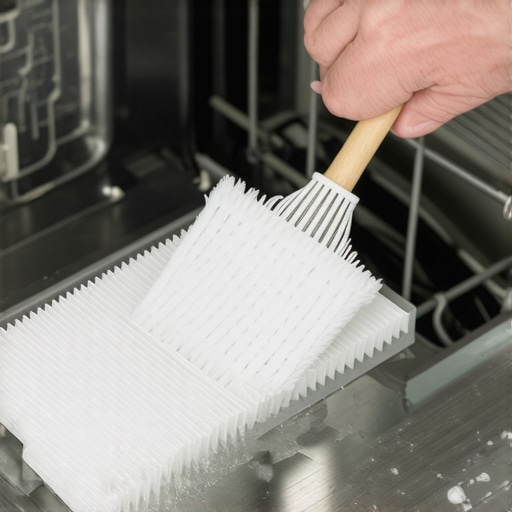
Many homeowners are under the illusion that once they purchase a smart refrigerator or a high-end dishwasher, their job is done. But the reality is, misconceptions about these appliances can lead to costly mistakes and subpar performance. Contrary to popular belief, more technological features don’t automatically translate to better results if you lack a nuanced understanding of how to optimize their use.
Misleading Assumption: More Features Mean Better Performance
It’s common to think that having the latest gadgets packed with bells and whistles guarantees superior function. However, experts warn that overload can sometimes complicate operation and obscure maintenance needs. For example, smart refrigerators with advanced sensors may misfire or diverge from ideal settings without proper calibration, which many users overlook. In fact, the secret lies in mastering the basic functionalities before relying on ambient intelligence.
A Pitfall: Ignoring Firmware Updates and Software Optimization
One glaring mistake is neglecting to keep your smart appliances’ software up to date. Firmware updates often patch security vulnerabilities, enhance compatibility, and improve performance—yet many users dismiss these notifications as trivial. I’ve seen cases where outdated software causes connectivity issues or inconsistent appliance responses, undermining the full benefits of
Keeping your home appliances, from refrigerators to dishwashers, in peak condition requires the right tools and a disciplined maintenance routine. Personally, I rely on a few specialized items that make the upkeep not only easier but also more effective. One such tool is a digital infrared thermometer, which I use to monitor the temperature of my refrigerator’s cooling coils without needing to open the door—helping me catch potential issues early on. Additionally, a small, flexible brush set specifically designed for cleaning appliance coils allows me to remove dust and debris that can hinder efficiency and cause unnecessary wear. Regularly checking and cleaning these coils has extended the lifespan of my fridge, making it more energy-efficient and reliable over time.
Beyond physical tools, I highly recommend adopting digital maintenance tracking software like Home Maintenance Tracker or even simple calendar reminders. This helps me schedule routine checks—such as filter replacements, coil cleanings, and firmware updates—preventing small problems from spiraling into costly repairs. Firmware updates are often overlooked but crucial; manufacturers frequently release patches that improve performance or fix bugs. For my smart appliances, I set up automatic firmware update alerts so I don’t miss critical patches that enhance functionality and security.
Looking ahead, I believe the trend toward integrated maintenance diagnostics will grow. Future appliances may come with built-in sensors that self-monitor and notify homeowners of potential issues before they escalate. For instance, smart dishwashers now can alert you when filters need cleaning or when water flow is restricted—features that, if utilized fully, can save time and money. Regularly using these diagnostic tools, along with manual inspections, will become a standard practice for maintaining appliance health.
How do I maintain my appliances over time?
The key is consistency paired with the right equipment. Using tools like a multimeter for electrical checks or a handheld vacuum for dust removal helps prevent issues. Also, implementing a routine schedule—say, every three months—is vital. For your refrigerator, cleaning condenser coils with a coil brush (which I personally swear by) ensures optimal performance. Don’t forget to update your appliance software regularly; firmware updates not only fix bugs but often introduce enhanced features, keeping your appliances running smoothly. For smart appliances, staying connected via manufacturer apps ensures you receive timely alerts about maintenance needs. These small but consistent efforts will ensure your appliances serve you well for years to come.
One last tip: consider investing in a quality water filter for your refrigerator’s water dispenser, as mineral buildup can impede function and reduce lifespan. When you replace the filter, follow manufacturer instructions precisely; some require cleaning or flushing routines that are often overlooked. Implementing these proactive maintenance steps has saved me from costly repairs and extended the lifespan of my appliances significantly. To dive deeper into optimizing your smart appliances, check out top smart appliances for a seamless home. Give one of these advanced tips a try today—your appliances will thank you!
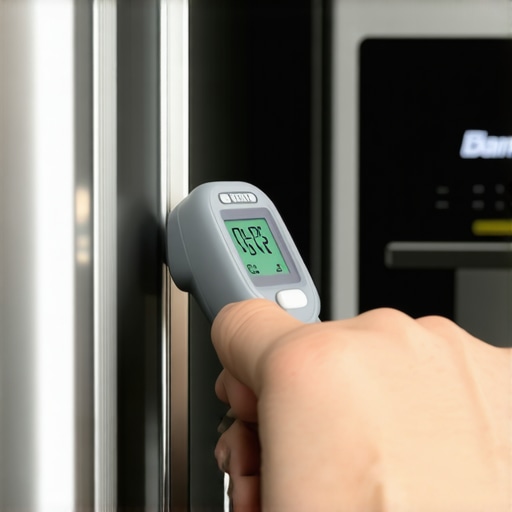
Maintaining modern home appliances with the right tools and routines is crucial for longevity. Here I use a digital infrared thermometer and coil cleaning brushes regularly, combined with smart software updates, to keep everything running efficiently.
The Hardest Lessons I Learned About Modern Appliances
One of the toughest truths I faced was realizing that even the most advanced smart appliances require diligent maintenance and a bit of user intuition. I used to think that new tech would run smoothly forever, but neglecting things like filter cleaning or firmware updates can turn that sleek machine into a noisy, inefficient problem. That lesson taught me to view my appliances as partners who need regular check-ins.
Mastering The Art of Quiet or Efficient Appliances
I found that using the right tools—like a coil cleaning brush or an infrared thermometer—made routine maintenance quicker and more effective. These inexpensive investments paid off by extending appliances’ lifespan and keeping them whisper-quiet. Incorporating a habit of scheduled checks transformed my approach from reactive repairs to proactive care, saving money and headaches.
Why Firmware Updates Can Be Life-Savers
It was a surprise learning that ignoring firmware updates can cause connectivity issues or performance drops in my smart fridge or dishwasher. Setting reminders for software upgrades and checking for new updates became part of my routine, ensuring I always benefit from improvements and security patches. Staying current with updates keeps my tech trustworthy and running at peak performance.
Embracing Self-Monitoring Modern Tech
Future appliances with self-diagnostic features promise a step-change in how we keep devices healthy. I’m excited about smart dishwashers and refrigerators that alert me when filters need cleaning or parts need replacement, reducing surprise breakdowns. Embracing this tech now means I can prevent costly repairs and enjoy a seamless, efficient home environment.
Resources That Keep My Appliance Care on Track
My go-to tools include a digital multimeter, coil brushes designed for appliance coils, and reliable maintenance tracking apps. These tools give me confidence that I’m caring for my appliances correctly. Additionally, I regularly visit expert-inspired sites and trusted reviews to stay updated on best practices and new innovations, ensuring I’m always ahead in appliance maintenance.
It’s Your Turn to Make Smart Habits Count
Investing a little time in routine appliance maintenance doesn’t just extend their life—it transforms how smoothly your home runs. Small habits, like cleaning filters every few months or updating firmware, create big benefits. So, what maintenance routine will you start today to make your appliances truly serve you better? Let me know below!