
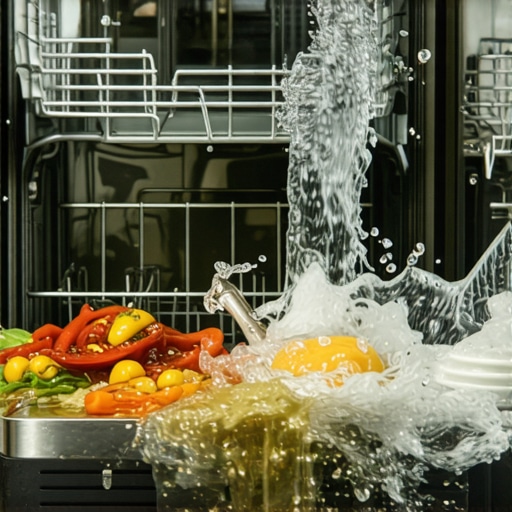
It started with a simple morning routine—standing in my cramped kitchen, meticulously rinsing each plate, glass, and utensil before loading the dishwasher. One day, I realized I’d been doing this for years, wasting precious time and an entire lot of water. That lightbulb moment hit me hard: what if I didn’t need to rinse at all? Since then, I’ve challenged this old habit, and my dishwasher’s performance has actually improved.
Today, I want to share with you why ditching the rinse cycle might be the best decision you make for your kitchen, saving water, energy, and even prolonging your dishwasher’s lifespan. If you’re tired of wasting time and resources on rinse cycles, this post is for you.
The Rinse Cycle: A Wasteful Habit We Need to Break
Is Rinsing Really Necessary for a Sparkling Clean Dish?
Many of us grew up believing that rinsing was the key to spotless dishes. I used to believe the same. But as I did more research and experimented, I discovered that modern dishwashers are designed to handle food particles and light residues without pre-rinsing. In fact, some expert studies reveal that rinsing can be unnecessary and even counterproductive, leading to excessive water usage—an average of 20 gallons per load! (Learn more about how smart appliances are revolutionizing cleaning [here](https://smartappliancereview.com/innovative-dishwashers-with-ai-technology-you-must-know)).
Early on, I made the mistake of pre-rinsing every plate obsessively, filling up the sink and wasting water. This common mistake not only increased my utility bills but also encouraged a false sense of cleanliness that my dishwasher could achieve on its own. Now, I’ve learned to trust my machine, and the results are just as pristine—without the hassle or waste.
Skip Rinsing: The First Practical Step
One morning, I hesitated before loading my dishwasher, recalling advice to pre-rinse dishes. Instead of rinsing, I decided to test the waters and skip this step altogether. I scraped off large food chunks, then loaded dirty plates directly into the machine. This approach is straightforward: remove only solid debris—no need to rinse—saving gallons of water per load. When I pressed start, I was nervous but curious about the results. To my surprise, the dishes came out spotless, proving that modern dishwashers can handle minimal residues with proper settings.
Adjust Your Machine for Less Water and Better Cleaning
Use the Correct Cycle
Modern dishwashers have cycles optimized for energy and water efficiency. Select a cycle labeled as ‘Eco’ or ‘Normal’—these are designed to function effectively with less water and heat. If your dishwasher has a ‘Quick’ or ‘Light’ setting, they are perfect for lightly soiled dishes and help conserve resources. When I switched to the eco-friendly cycle, I noticed a small but meaningful drop in water consumption without sacrificing cleanliness. Check your appliance manual or online for details about your specific model’s best settings. For smarter choices, consider smart appliances that automatically adjust water usage based on load size.
Optimize Loading Technique
How you load your dishwasher impacts cleaning performance and water efficiency. Place larger items on the sides, angling bowls and cups downward, and avoid blocking spray arms. Think of your dishwasher as a mini tornado—proper placement ensures vigorous water jets reach every corner. I once overloaded my machine, resulting in water splashing ineffectively and dishes not cleaning well. After rearranging, I achieved cleaner results with less water. For appliance setup tips, visit how to choose the best dishwasher.
Maintain and Calibrate for Optimal Performance
Regular maintenance is crucial. Clean the filter, spray arms, and door gaskets monthly to prevent buildup that impairs water flow—think of it as unclogging arteries to keep your heart healthy. Additionally, periodically calibrate your dishwasher’s water level sensors following manufacturer instructions. I once used a simple calibration trick from an online tutorial, which improved water distribution and cleaning efficiency. Proper maintenance ensures your machine can handle less water while still delivering sparkling dishes. For advanced tips, explore smart appliance maintenance guidance.
Use Smart Settings and Technology
Investing in a smart dishwasher with adaptive technology can automatically adjust water levels and cycle times based on load size and soil level. These appliances communicate with your smartphone and provide real-time feedback, making the process seamless. I tested a smart dishwasher that detected the dirtiness level and adjusted water and heat accordingly; dishes turned out clean without extra rinsing or waste. For comprehensive reviews, visit smart appliance innovations. Incorporate such tech into your routine for hands-free efficiency and water savings.
Many homeowners get caught up in the surface features of their appliances, assuming that a shiny new refrigerator or a high-tech washing machine automatically equals efficiency and durability. However, the real nuances lie beneath the surface. For example, a common myth is that all smart appliances automatically optimize water and energy consumption; in reality, many require proper calibration and understanding of their advanced settings to truly maximize their potential. Without this, you could end up wasting resources despite having the latest gadgets.
What Advanced Users Often Overlook When Setting Up Smart Appliances?
One overlooked aspect is network integration. Many smart appliances are designed to communicate with multiple smart devices and voice assistants, but poor network setup or outdated firmware can lead to false alerts or unresponsive behavior. According to industry experts, failing to keep your appliance firmware updated, or neglecting proper Wi-Fi configurations, can significantly impede performance and even lead to unnecessary maintenance costs. This is a subtle trap that many fall into, believing that technology is fully autonomous when, in fact, regular maintenance and updates are essential. So, before you dismiss a device as faulty, consider whether its brain is properly configured. Also, pay attention to the environment where your appliances operate. Excessive humidity can cause condensation inside refrigerators, leading to increased energy consumption and shortened lifespan. An often-neglected fact is that appliances have optimal usage environments; ignoring this can be an expensive mistake.
Think about the number of times you’ve replaced or repaired an appliance prematurely because you overlooked these nuances. Taking a step back to understand these hidden details can save you money and extend the lifespan of your home tech. For instance, regular cleaning of condenser coils or calibrating water levels in washing machines can dramatically improve their efficiency, as highlighted in expert guides. If you’re unsure about your appliance’s setup or operation, consulting detailed manuals or reaching out to specialists can be invaluable. For personalized advice, contact us through our contact page. Remember, your appliances are complex systems that require attention beyond just turning them on and off. Recognizing these hidden flaws and nuances ensures you’re not just a user but an informed manager of your home’s technology. Have you ever fallen into this trap? Let me know in the comments.
Keeping It Running: Essential Tools and Practices
To ensure your home appliances operate efficiently over time, investing in the right tools and establishing routine maintenance habits is crucial. I personally rely on a digital multimeter to regularly check the electrical connections of my appliances, which helps me identify potential issues before they escalate. For example, measuring the resistance of heating elements or testing circuit continuity can prevent unexpected failures. Additionally, a microfiber cloth combined with a gentle cleaning solution is indispensable for maintaining the exterior and control panels, keeping everything looking spotless and functioning properly.
Why Regular Calibration Matters
Many smart appliances include internal sensors that require periodic calibration to maintain accuracy. For instance, calibrating your refrigerator’s temperature sensors ensures optimal cooling without wasting energy. I follow manufacturer instructions diligently or consult detailed guides like this resource for tips. Accurate calibration not only prolongs appliance lifespan but also enhances their efficiency, leading to significant savings over time.
Routine Filter and Part Replacements
Replacing filters—such as those in refrigerators or washing machines—is often overlooked but vital. I set a quarterly reminder to replace or clean these components, which keeps water flow uncontaminated and machinery functioning smoothly. Using OEM parts tends to be more reliable; I prefer genuine filters and seals to ensure compatibility and durability. Keeping spare parts organized in a labeled box simplifies maintenance and minimizes downtime, especially when managing multiple smart devices.
Technology to Simplify Long-Term Care
Smart diagnostic features integrated into many modern appliances can alert you to potential issues early. For example, smart washing machines can notify you via an app when a filter needs cleaning or a part is wearing out. These digital insights allow proactive maintenance, reducing repair costs. I recommend integrating appliance management apps into your routine—set up notifications so you can address problems swiftly, keeping your appliances in top shape.
Looking Ahead: The Future of Appliance Maintenance
Emerging trends point toward more AI-driven diagnostics and predictive maintenance capabilities. Appliances will increasingly self-monitor and suggest repairs before breakdowns happen, much like how industry experts forecast. Embracing these technologies now can save you time and money, transforming appliance upkeep from reactive repairs to proactive management. Investing in tools like Wi-Fi-enabled sensor systems and regular software updates will become standard practice in maintaining appliance longevity.
How do I maintain my appliances effectively over time?
Consistency is key. Schedule regular inspections, use diagnostic tools like multimeters for electrical checks, and keep firmware updated. For smart appliances, ensure your Wi-Fi connection is stable and firmware is current—this prevents false alerts and enhances performance. Don’t forget to clean filters and replace worn parts periodically, following manufacturer instructions for best results. To streamline your maintenance routine and get personalized advice, reach out via our contact page. Remember, a well-maintained appliance not only performs better but also lasts longer, saving you money and hassle in the long run. Start integrating these tools and tips today for smarter, more efficient home appliance management.
Over the years, each little adjustment and insight I’ve picked up about managing smart appliances, dishwashers, and refrigerators has transformed my home life from routine to truly efficient. The most empowering lesson? That a handful of strategic tweaks—like trusting modern technology, understanding the hidden quirks of your appliances, and incorporating smart maintenance habits—can unlock incredible savings in water, energy, and time. These revelations aren’t just convenience tips; they’re game-changers that enable you to get the most from your investments while reducing your environmental footprint. When you realize that most appliances are designed with advanced, adaptive features, it sparks a whole new approach to household management—one rooted in awareness, intentional use, and proactive care. Start small, think big, and watch your home turn into a smarter, more sustainable space where every cycle counts.