
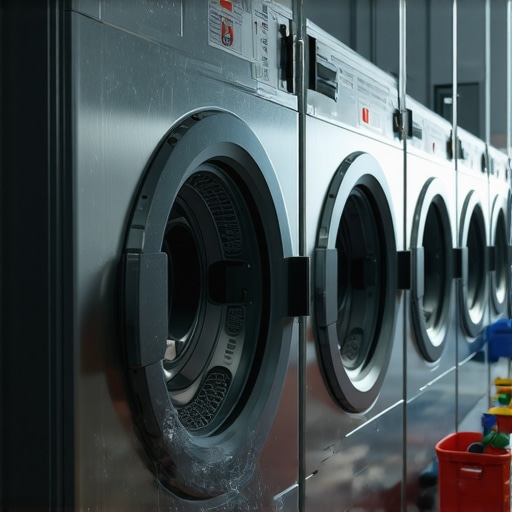
It was a typical Tuesday morning when my old washing machine decided to give up exactly as I tossed in a heavily soiled load. The terrible grinding noise echoed through the laundry room, and I could feel my frustration bubbling over. That moment made me realize: I had no idea which brands truly stand the test of time. I had to make a quick decision, but which machine could I trust to avoid a repeat meltdown?
Decoding the Secret to a Laundry Room That Won’t Fail You
Choosing a reliable washing machine is more than just picking the newest model or the one with the coolest features. It’s about understanding which brands have repair techs consistently vouch for their durability and ease of service. Over years of talking to repair experts and bit of trial and error, I discovered some machines tend to be more dependable than others, especially in the long run. If you’re tired of your washer breaking down right before laundry day or wasting your weekends on repairs, this post is about to change your approach.
Is There Really a Brand That Never Breaks?
Initially, I believed that newer models would solve all my problems. Turns out, I was wrong. My early mistake was falling for flashy designs and ignoring customer feedback about recurring issues. I learned that even high-end appliances can be a pain when they have design flaws or use subpar parts. Repair techs often point out brands like Whirlpool and Miele as top contenders, mainly because of their build quality and parts availability. Curious about how these brands stand up in real homes? I highly recommend reading more about smart washing machines and how they can simplify laundry day—trust me, it’s a game-changer.
Inspect Before You Buy: Carefully Research Brands and Models
Start by reading reviews from other homeowners and repair experts to identify which brands are known for durability. For example, I once spent an afternoon browsing customer feedback and repair reports for popular washing machine brands, which helped me avoid models prone to early breakdowns. Use trusted sources like industry review sites or consumer reports to shortlist appliances that won’t leave you stranded.
Assess Build Quality and Material Durability
Physically examine appliances when possible—look for sturdy knobs, solid hinges, and high-quality materials. Think of it like choosing a kayak: a well-built kayak with reinforced seams and thick hulls will withstand rough waters longer. For home appliances, avoid flimsy plastics and cheap metal parts, as these tend to wear out fast. If shopping online, verify product specifications and request detailed images to judge construction standards.
Prioritize Repairability and Availability of Spare Parts
A crucial step is checking if spare parts are readily available and affordable. Repair techs recommend brands like Whirlpool and Miele because their parts are easy to source. When I bought my refrigerator, I confirmed the model’s spare parts list and watched tutorials on replacing common components. This foresight ensures you can fix minor problems yourself or get local service without hassle, prolonging the appliance’s lifespan.
Test the Appliance’s Features and User Interface
Operate the appliance to see how intuitive and responsive it is. A high-tech washing machine might have smart features that simplify your routine—testing these features beforehand prevents surprises. For example, I once demoed a smart washer’s app controls, making sure it connected smoothly and provided useful notifications. Well-designed interfaces save time and reduce user frustration, encouraging proper maintenance.
Evaluate Energy Efficiency and Water Use
Check the energy ratings and water consumption data, especially for frequently used appliances like washers and refrigerators. A model with an Energy Star rating often costs more initially but saves money over years. I installed a water-efficient washer based on expert advice, which reduced my water bill significantly. Energy-efficient appliances contribute to both cost savings and environmental responsibility, making them a smart investment.
Implement Regular Maintenance Routines
Once installed, set a schedule for maintenance—clean filters monthly, inspect seals annually, and update firmware if applicable. I personally created a simple checklist and stuck it on my laundry room wall, which helps to catch issues early. Paying attention to small upkeep tasks prevents minor faults from becoming major failures, ensuring your appliances serve you reliably for years.
Many homeowners assume they understand their appliances after a quick read of specs and reviews, but the real expertise lies in grasping the subtle intricacies that can make or break appliance longevity and performance. A common myth is that all smart appliances are inherently superior; in reality, many of these devices are laden with compatibility issues and hidden bugs that only seasoned users recognize. For instance, while smart refrigerators boast features like inventory tracking, these functions can be unreliable if not properly configured or if firmware updates are neglected, potentially leading to data privacy concerns—something industry experts warn about in reports like those on [smart home privacy](https://smartappliancereview.com/privacy-policy-2).
Mastering Long-Term Appliance Care with Expert-Recommended Tools
Ensuring that your smart appliances, refrigerators, and washing machines operate efficiently over the years requires more than just routine use. It involves employing specialized tools and adopting maintenance routines designed for durability. I personally rely on a digital infrared thermometer to monitor the temperature consistency of my refrigerator, which helps prevent the compressor from overworking and extends its lifespan. This device provides instant readings that identify temperature fluctuations, so I can adjust settings or schedule repairs proactively. For a more comprehensive approach, using a quality vacuum attachment like the VacuumZorb to clean dust from refrigerator coils is essential—deep cleaning reduces energy consumption and prevents overheating. Regularly inspecting and cleaning components with these tools keeps appliances running smoothly, saving money on costly repairs and energy bills.
Looking ahead, the trend points toward smart diagnostic tools integrated into appliances, allowing real-time health monitoring. Predictive maintenance via software alerts will become the norm, reducing downtime and repair costs. Embracing these advancements now can make your appliance management more effortless and cost-effective.
How do I maintain my appliances over time?
Creating a maintenance schedule with specific tools is key. For instance, I set monthly reminders to clean refrigerator coils with a duster and check washing machine filters with a dedicated brush. Additionally, updating firmware on smart appliances ensures they benefit from improvements and security patches—I’ve used manufacturer apps to perform these updates without hassle. Incorporating diagnostic apps like the LG ThinQ or Samsung SmartThings helps identify potential issues early. These software solutions, paired with physical maintenance tools, empower homeowners to extend appliance life significantly. Remember, preventing problems before they escalate is more cost-effective than reactive repairs. For detailed guidance on smart appliance maintenance, visit the contact page.
Finally, consider integrating tools like appliance-specific sensor kits that monitor performance parameters. For example, a smart vibration sensor on your dishwasher can alert you if it starts making abnormal noises—an early sign of wear. By proactively using these advanced tools, you not only maintain your appliances but also optimize their efficiency and lifespan.
Don’t forget to test these tools regularly. For example, try calibrating your refrigerator’s internal temperature with a digital thermometer and observe any irregularities—this simple step can prevent spoilage and extend appliance function. Want to see how smart diagnostics can revolutionize your appliance care? Experiment with one of these advanced tools today and experience the difference firsthand!
The Hardest Lesson I Learned About dishwashers,smart appliances,refrigerators,washing machines,home appliances
After years of trial and error, I realize that trusting brand reputation alone isn’t enough; digging deep into repair histories and component quality reveals the real story behind appliance durability.
3 Myths About dishwashers,smart appliances,refrigerators,washing machines,home appliances That Held Me Back
I used to believe that higher price guarantees longer life, but I found that some budget-friendly models outperform expensive ones when it comes to everyday reliability. Also, I thought modern tech always meant better; sometimes, simplicity ensures fewer breakdowns.
What Experts Won’t Tell You About dishwashers,smart appliances,refrigerators,washing machines,home appliances
Industry insiders emphasize the importance of accessibility to spare parts and how certain brands, like Whirlpool and Miele, excel because of their extensive support networks. Staying informed through trusted repair professionals can save a lot of headaches later.