
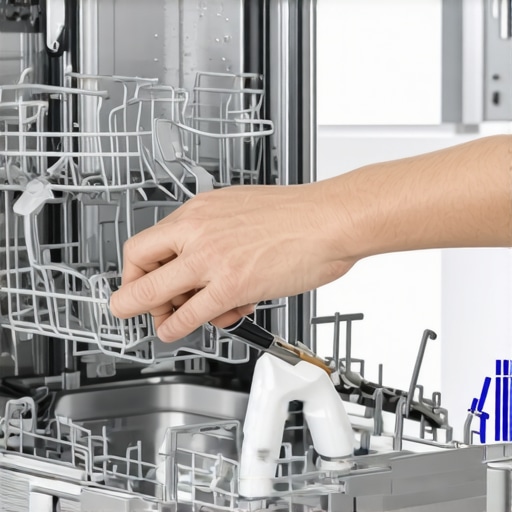
Have you ever opened your dishwasher after a cycle only to find your dishes still aren’t sparkling? I vividly remember the frustration of re-rinsing stubborn spots, only to realize the culprit was hidden beneath the surface—those tiny, often overlooked spray arms. One day, after a failed attempt to clean them with a fancy brush I bought online, I had a lightbulb moment: cleaning the spray arms doesn’t have to be complicated or require special tools. In fact, some of the simplest methods can make a world of difference—and save you money and frustration.
Why It’s Time to Give Your Spray Arms Some Love
Your dishwasher’s spray arms are like the heart of cleaning action inside the machine. They distribute water evenly to rinse off food particles and grease. Yet, over time, mineral deposits, grease, and debris can clog tiny holes, reducing water flow and compromising washing quality. If you’re noticing dishes with water spots or residues, chances are your spray arms aren’t working at full capacity.
Ignoring this little issue can lead to bigger problems—like lingering mold or unpleasant odors. Plus, a blocked spray arm forces your dishwasher to work harder, consuming more energy and amplifying wear and tear. That’s why maintaining clear, functioning spray arms should be part of your regular appliance upkeep. Interestingly, a report highlights that faulty dishwasher components often go unnoticed, leading to costly repairs when simple maintenance could have prevented the problem. (Source: Smart Appliance Review)
Now, I’ve made mistakes early on—like attempting to use aggressive chemicals that damaged the seals or using tools that scratch the plastic parts. Trust me, I learned the hard way that you don’t need those expensive gadgets or harsh cleaners to restore your dishwasher’s efficiency. What you do need is a few inexpensive, everyday household items and a little know-how. Ready to discover my favorite do-it-yourself tips? Let’s dive into the straightforward ways to clean your spray arms without any special tools, and bring back that pristine wash quality we all crave.
Remove and Inspect the Spray Arms
Start by disconnecting your dishwasher from power and water supply. Locate the spray arms, usually at the bottom and sometimes on the upper rack. Unscrew or unclip them depending on your model. I once rushed through this step, forgetting to note how the arms were attached, resulting in a confusing reassembly. Take a picture for reference. Examine the spray arms closely, checking for visible debris or damage.
Soak in Vinegar Solution
Fill a basin or sink with equal parts white vinegar and warm water. Submerge the spray arms completely and let them soak for 30 minutes. This helps loosen mineral deposits and grime. I recall the first time I did this, the water turned cloudy with buildup. It was a satisfying sight that confirmed the intervention was effective.
Clear Clogged Holes Using Household Items
Use a toothpick, paperclip, or a small nylon brush to poke through each hole in the spray arms. Push out any residue or mineral deposits blocking water flow. Be gentle to avoid damaging plastic parts. During my trial, I used a thin bamboo skewer and managed to dislodge a stubborn calcium plug, restoring water spray efficiency.
Alternative Methods for Stubborn Blockages
If some holes remain clogged, create a mixture of baking soda and water to scrub the arms gently. Alternatively, soak the spray arms in a mixture of vinegar and baking soda for an extra cleaning boost. Remember, avoiding harsh chemicals preserves your dishwasher’s seals and extends its lifespan.
Reattach and Test
Once cleaned and dried, reattach the spray arms securely. Run an empty cycle to test water spray and cleaning performance. If the water streams are weak or uneven, repeat the cleaning process or inspect for wear and tear. This simple maintenance saved me from expensive repairs, proving that a little elbow grease goes a long way.
Maintain Regularly
To keep your spray arms functioning optimally, perform this cleaning every 3 to 6 months, especially in areas with hard water. Installing a water softener or descaler can also help reduce mineral buildup. For insights into future appliance trends, check out the upcoming smart home innovations that might include intelligent dishwasher systems with self-cleaning features.
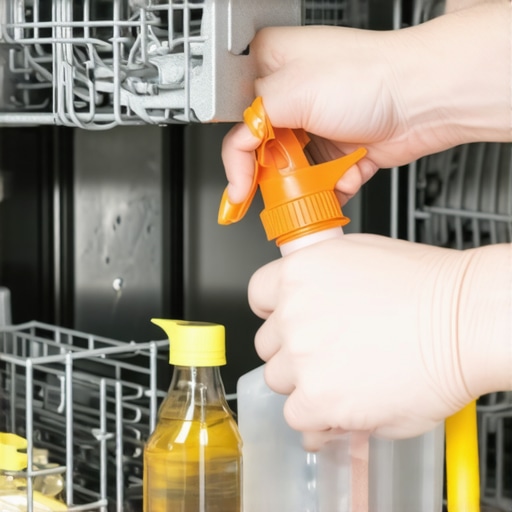 Many homeowners believe that buying the latest smart appliance guarantees hassle-free operation, but in reality, there’s a lot more underneath the surface. A common myth is that new appliances are entirely maintenance-free; however, even the most advanced devices require nuanced care to function optimally over time. For instance, many assume that high-end refrigerators are immune to energy inefficiencies, but neglecting regular cleaning of coils can drastically increase energy consumption, as experts warn. Additionally, many get caught in the trap of believing that all cleaning methods are suitable for their appliances—using abrasive cleaners or improper tools can damage delicate components, leading to costly repairs. Instead, understanding the specific nuances of each appliance helps prevent premature failures and maintains efficiency. Have you ever fallen into this trap? Let me know in the comments.
Why Do Many Smart Appliances Require Precise Calibration and Updates?
One often overlooked aspect is the importance of firmware updates and calibration for smart appliances. Many users hesitate to update routines, assuming they are optional, but neglecting this can lead to bugs, reduced functionality, or security vulnerabilities. According to industry specialists, firmware updates are essential for optimal performance and security; for example, a smart washing machine that isn’t regularly updated may disconnect from Wi-Fi or have inefficient cycle control. Furthermore, improper calibration—such as incorrect temperature settings on refrigerators—can accelerate spoilage or energy waste. The tendency to ignore these nuances stems from a misconception that once installed, appliances don’t need ongoing attention—yet, proactive maintenance and updates extend their lifespan significantly.
What Are the Risks of Misusing Common Household Cleaners on Appliances?
A frequent mistake homeowners make is relying on generic or harsh cleaning agents for appliances. Using bleach or abrasive scouring pads can deteriorate seals, plastics, or coatings, leading to leaks or functional failures. For example, many believe vinegar is universally safe, but overuse or improper dilution can damage rubber gaskets in dishwashers or refrigerators. Experts suggest understanding which cleaning agents are safe for each component—consulting the manufacturer’s recommendations or trusted guides. This nuanced knowledge prevents accidental damage and preserves appliance longevity. For instance, gentle descaling solutions designed for specific models can keep water flow unobstructed, avoiding the costly trap of corrosion or mineral buildup.
Why Is Regular Maintenance More Critical Than You Think?
Regular maintenance might seem tedious, but overlooking it can cause hidden problems that compromise performance. Not just cleaning filters or coils, but also checking for signs of wear—like leaking hoses or unusual noises—can prevent catastrophic failures. For example, many forget that washing machines and dishwashers have filters or debris traps that require periodic cleaning. The key is recognizing minor issues before they escalate into major repairs. Experts emphasize that consistent care tailored to each appliance’s specific needs is the secret to avoiding unexpected breakdowns, especially for appliances vulnerable to hard water deposits or high usage.
In sum, understanding these nuanced details helps demystify the complexities of modern appliances. From firmware updates to proper cleaning techniques, a knowledgeable approach saves money and extends the lifespan of your devices. For more insights into the evolving landscape of home tech, explore future appliance trends and how they can further enhance your home. Remember, technology often delivers the best results when wielded with an informed, attentive hand.
Invest in the Right Maintenance Tools for Longevity
Keeping your home appliances in top shape requires more than just periodic cleaning; it demands the right set of tools tailored for specific tasks. I personally rely on a high-quality multimeter, like the Fluke 117, to diagnose electrical issues in appliances such as refrigerators and washing machines. This device helps me identify faulty wiring or sensors quickly, preventing minor issues from escalating into costly repairs. Additionally, a flexible, detailed-service manual for each major appliance model is an invaluable resource—I often consult manufacturer-specific guides to understand troubleshooting steps accurately, which you can find through trusted sources or directly from the manufacturer’s website.
Why Using Specialized Cleaners Makes a Difference
When it comes to cleaning components like filter screens or water conduits, I avoid generic household cleaners. Instead, I use manufacturer-approved descaling solutions with proven efficacy, such as Affresh or Scale Away, which are formulated to break down mineral deposits without damaging delicate parts. These products, when used as directed, extend the lifespan of your appliances, reduce energy consumption, and ensure optimal performance. For example, applying a targeted descaler periodically to your refrigerator’s ice maker or water filter can prevent clogs—a tip supported by industry experts documented in the latest appliance maintenance resources.
Automation and Smart Monitoring for Long-Term Care
Embracing smart technology can revolutionize appliance maintenance routines. Installing Wi-Fi-enabled sensors on critical components like dishwasher spray arms or washing machine drums allows remote monitoring of performance and early alerts for potential issues. I use a combination of smart plugs and dedicated apps from brands like Samsung SmartThings to track energy use and cycle times, enabling me to spot irregularities before they cause damage. As the trend advances, I predict AI-powered diagnostic systems integrated directly into appliances—like the innovative dishwashers featuring AI technology—that can self-diagnose and even suggest maintenance steps, dramatically reducing downtime and repair costs. To explore such innovations, check out this guide on AI-driven dishwashers.
How do I maintain appliances over time?
The key to keeping your appliances running efficiently over the years lies in consistent, proactive maintenance. Schedule regular inspections of hoses, seals, and filters based on the manufacturer’s recommendations, typically every 6 to 12 months. Employ diagnostic tools like multimeters for electrical checks or ultrasonic cleaners for small parts to reach inaccessible areas. Furthermore, update appliance firmware when prompted, which can fix bugs, improve functionality, and enhance security—an essential step, as experts advise in professional maintenance articles. Make it a habit to follow the manufacturer’s suggested cleaning and calibration schedules, and consider investing in smart monitoring devices that send you real-time alerts. These practices, combined with a dedicated maintenance routine, ensure your appliances serve you well for years to come. For comprehensive strategies, explore this ultimate guide to smart home appliance upkeep. Remember, a little extra effort now saves big costs later—try calibrating your smart refrigerator’s temperature sensor using a reliable digital thermometer today!
The Hardest Lesson I Learned About Home Appliances
I once believed that purchasing the latest smart fridge or washing machine was a guarantee of trouble-free operation. It wasn’t until I faced costly repairs that I realized the importance of regular maintenance and understanding my appliances’ nuances. A key takeaway was that even high-tech devices need manual attention; firmware updates and cleaning routines are essential to keep them running smoothly.
3 Myths About Home Appliances That Held Me Back
One common misconception was that newer appliances are maintenance-free. I also thought that harsh chemicals could be universally used to clean everything, which damaged seals and plastics. Lastly, I assumed that once plugged in, appliances need no further calibration or updates. Busting these myths transformed my approach, saving me money and extending their lifespan.
What Experts Won’t Tell You About Smart Appliances
Many professionals emphasize the importance of firmware updates and precise calibration for smart appliances. Ignoring these details can lead to inefficient operation or security vulnerabilities. For example, a smart dishwasher that isn’t regularly updated might not perform optimally or connect reliably, undermining the convenience these devices promise.
My Toolkit for Extending Appliance Lifespan
I rely on a quality multimeter to troubleshoot electrical issues and manufacturer-specific guides for troubleshooting tips. Trusted tools like the Fluke 117 multimeter and official manuals help me identify problems early, often before symptoms appear, ensuring my appliances operate efficiently for years.
Final Challenge: Elevate Your Appliance Routine
Now that you understand these lesser-known lessons, it’s time to take proactive steps. Regular cleaning, firmware updates, and using the right cleaning agents are simple actions with significant payoff. Why not schedule a quick routine to check your refrigerator’s seals or run a firmware update on your smart dishwasher today? Your appliances—and your wallet—will thank you.
What’s one maintenance habit you’ve been meaning to start but haven’t yet? Share below, and let’s keep our appliances in top shape together!