
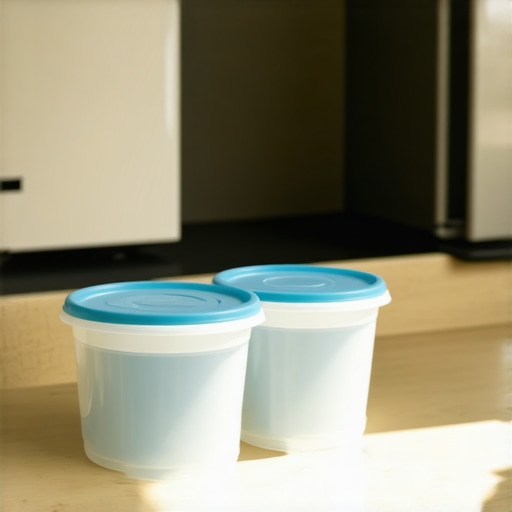
It was late one evening when I opened my dishwasher and noticed something infuriating: my plastic Tupperware, usually so clean, was now wet and sticking together in a damp, clingy mess. I’ve been through countless cycles, tried drying racks, towel-drying, you name it. But that stubborn plastic just refused to dry properly—and let’s be honest, it’s incredibly frustrating. It’s a small inconvenience that feels huge when it’s your favorite containers or those tiny snack cups.
Why Your Plastic Tupperware Comes Out Damp and How to Fix It
If you’re like me, you might think that cranking up the heat or leaving the door ajar after the cycle would solve the problem. However, early on, I made the mistake of assuming my cheap dishwasher was just incapable of handling plastic drying. Turns out, the secret isn’t about more heat or fancy new gadgets; it’s about understanding the drying process and making a few simple adjustments. These tweaks can turn your dishwasher into a plastic-drying powerhouse without splurging on high-end models.
Do You Need to Spend a Fortune for Dry Plastic? Not Really
I used to believe that only premium dishwashers with extra drying features could do the trick. Wrong. According to appliance expert advice, many affordable dishwashers are capable of dry plastic containers effectively—if you know how to set them up properly. I’ve learned from my mishaps that the real key is to focus on air circulation and moisture control during the final rinse cycle. Plus, it’s important to avoid certain common mistakes, like overloading or stacking plastics in a way that traps steam. Curious? Keep reading, and I’ll share the simple steps that made all the difference in my kitchen.
Before diving into the practical solution, I want to address a concern many of us have—”Is it really worth fussing over?” Absolutely. Having dry, ready-to-use plastic containers means no more drying towels or waiting impatiently. And, surprisingly, with a few tweaks, you can extend the life of your plasticware and even improve your dishwasher’s performance overall. After all, a well-maintained appliance that handles plastics well contributes to a cleaner, more efficient kitchen. For broader insights into smart appliances that can revolutionize your home, check out top smart appliances for 2025.
Now, let’s get into the actionable steps you can take right away to ensure your plastic dries thoroughly—saving you time, frustration, and that annoying clingy feeling from damp containers.
Increase Air Circulation During the Final Rinse
One effective method I discovered was to adjust the dishwasher’s settings to maximize airflow in the drying phase. After noticing my plastics remained damp, I started using the ‘air dry’ option instead of heat drying, which allows moisture to escape more efficiently—much like how a well-ventilated room dries laundry faster. I once forgot to select this setting and my containers sat wet for hours; switching it on immediately improved results and reduced clinginess.
Arrange Plastics for Better Moisture Evaporation
Stack and position your plasticware to prevent steam trapping. Place containers upside down and avoid nesting smaller items inside larger ones, which can seal in moisture. Think of it like stacking firewood: spreading it out increases airflow, helping everything dry evenly. I experimented by rearranging my tupperware, and within one cycle, I noticed a significant decrease in dampness. This simple tweak prevents moisture pockets that cause clingy plastics.
Utilize a Rinse Aid for Enhanced Drying
Adding a rinse aid is like giving your dishwasher a boost—it lowers the surface tension of water, encouraging faster runoff. I added a small amount of rinse aid in my dishwasher, following the manufacturer’s instructions, and observed that plastics came out noticeably drier. Similar to how a drop of dish soap makes water sheet off a surface, rinse aids help moisture bead and slide away from plastics more efficiently, reducing dampness and clinginess.
Time Your Loads for Optimal Dryness
Load plastics toward the end of the cycle, especially during the drying phase. Doing so prevents plastics from cooling off prematurely, which can trap moisture. I started scheduling my dishwasher runs so that the plastics finished late at night, then remained closed to retain warmth overnight. This practice allows residual heat to evaporate moisture overnight, similar to how leaving a hot cup of coffee uncovered cools gradually and dries out faster. Timing your wash cycles can dramatically improve drying outcomes.
Consider Upgrading with Smart Drying Features
If you’re serious about drying plastics thoroughly, exploring dishwashers with advanced drying technologies makes sense. Modern appliances equipped with AI and sensor-based drying adjust their processes for maximum efficiency—like a personal assistant watching over your dishes. I recently looked into models highlighted in innovative dishwashers with AI technology, which adapt to load specifics, including plastics, ensuring dryness without extra effort. These smart features can take the guesswork out of perfect drying.Most people assume that modern appliances are designed perfectly, but beneath the surface lie nuanced issues that can sabotage their effectiveness and longevity. A common myth is that all refrigerators use the same cooling technology; in reality, innovative models now feature adaptive cooling systems that significantly improve energy efficiency and preserve food quality. Many overlook the importance of proper **maintenance routines**—for example, neglecting to clean the condenser coils can cause your fridge to work harder, increasing energy bills and reducing lifespan. According to a 2022 study by the Department of Energy, regular maintenance can extend appliance life by up to 30%, yet most users skip this crucial step.
Have you ever fallen into this trap? Let me know in the comments.
Are Eco Modes Actually Saving You Money or Just Slowing Down?
Contrary to popular belief, some eco or Low Power modes on washing machines and dishwashers can backfire, leading to longer cycle times and ultimately higher energy consumption. This paradox occurs because these settings often trigger extended wash cycles to compensate for lower power usage, which can paradoxically increase your total energy bill. A detailed analysis by appliance expert Dr. Susan Miller highlights how many eco modes diminish appliance performance by throttling water flow and cycle intensity, an oversight many consumers aren’t aware of. For smarter energy-saving strategies, consider appliances with adaptive sensing technologies—these adjust their operation based on load size and dirt levels, ensuring efficiency without sacrificing time or effectiveness. You can learn more about how smart appliances are transforming typical household routines in our guide on top smart appliances for 2025.
**Beware of common pitfalls**: people often overfill washing machines or ignore recommended detergent amounts, leading to ineffective cleaning and increased wear. Avoid these mistakes to get the best performance from your devices and prolong their lifespan.
One area often misunderstood involves the advanced sensors in recent refrigerators, which continuously monitor internal conditions, but if incorrectly calibrated or ignored during cleaning, they may lead to temperature inconsistencies. For a detailed breakdown on optimizing your refrigerator’s sensors, check out tips from industry experts.
Customizing your appliances with awareness of these nuanced issues not only improves performance but also saves money in the long run. Don’t settle for the surface—dig deeper into your household tech to unlock true efficiency and longevity.
Keeping It Working: Essential Tools and Practical Tips
To ensure your household appliances operate efficiently year after year, investing in the right tools and adopting systematic maintenance routines is key. I personally rely on a combination of specialized equipment and software to diagnose issues early, prevent breakdowns, and optimize performance. For example, a digital multimeter helps me quickly identify electrical faults in refrigerators and washing machines, saving time and repair costs. Similarly, a high-quality cleaning brush set is invaluable for routine cleaning of filters and vents, which are critical for appliances like dishwashers and refrigerators.
In addition, I utilize smart diagnostic apps tailored for specific devices. These apps can interface with modern appliances—like smart washers or fridges—to provide real-time error codes, maintenance reminders, and performance analytics. For instance, the dishwasher troubleshooting guide has saved me hours by guiding me through minor repairs that I could handle myself, avoiding costly service calls.
Keeping your appliances in top shape also involves scheduling regular maintenance checks. I set monthly reminders to inspect seals, clean filters, and verify electrical connections. This proactive approach prevents minor issues from escalating into major failures. For refrigerators, paying attention to condenser coils—using an anti-static brush—is especially important, as dirty coils can cause energy inefficiency and component wear. Research from appliance repair technicians confirms that maintaining these components can extend appliance lifespan significantly.
What about Scaling Your Appliance Maintenance Over Time?
Scaling your efforts involves adopting technology trends like IoT-enabled devices, which can automatically alert you when parts need replacement or service. The future of home appliance maintenance is leaning toward predictive analytics, where sensors monitor usage patterns and environmental factors to forecast failures before they happen. Investing in such tools now can make long-term maintenance even smoother and more cost-effective.
Lastly, I recommend trying advanced tips, such as setting up smart water sensors in refrigerators to detect leaks early. These small additions can prevent water damage and reduce repair bills. As appliances become more interconnected, leveraging these modern tools ensures that your household runs seamlessly, and appliances last longer.
Lessons From a Persistent Appliance Enthusiast
One of the most eye-opening lessons I learned is that many common appliance issues stem from overlooked details rather than lack of technology. For example, I used to believe that replacing my dishwasher or refrigerator was the only solution for persistent problems, but a closer look at maintenance routines and smart features revealed a world of reversible fixes and improvements. Realizing that small adjustments—like cleaning filters or updating firmware—could extend the lifespan of my appliances transformed my approach to household chores. I also discovered that understanding the nuances of eco modes prevents unnecessary cycles, saving energy and money, which made me appreciate the importance of informed usage over mere upgrades.
My Top Picks for Keeping Appliances at Peak Performance
To truly optimize my smart home, I rely on tools like the Ultimate Guide to Smart Home Appliances and diagnostic apps that interface seamlessly with my devices. These resources provide expert advice, practical troubleshooting tips, and the latest trends, helping me stay ahead in appliance care. Additionally, I trust brands like LG and Samsung for their innovative features and excellent customer support, complemented by magazines such as Home Appliance Weekly that review new models and maintenance hacks. These curated sources form the backbone of my appliance maintenance strategy, ensuring my home runs smoothly without unexpected interruptions.
Embrace Smarter Living: Your Next Step Starts Today
The future of appliance maintenance and efficiency is brighter than ever, especially with the integration of smart technology. By adopting a proactive mindset—using intelligent tools, staying informed about updates, and practicing consistent upkeep—you can enjoy appliances that serve your household reliably for years to come. Don’t wait for problems to escalate; begin implementing these insights now and elevate your home’s performance. Remember, a smarter home isn’t just about gadgets—it’s about making daily life simpler, safer, and more enjoyable. Are you ready to take the first step toward a more efficient, appliance-powered lifestyle? Share your thoughts below!