
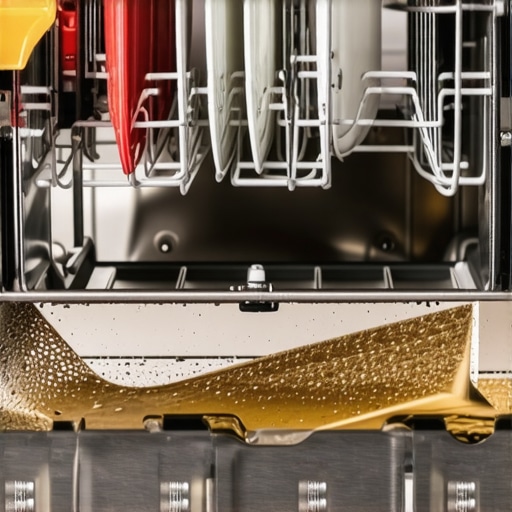
Ever experienced the shock of opening your dishwasher only to find a pool of murky, dirty water sitting at the bottom? I’ve been there, and let me tell you, it’s one of those household moments that makes you wonder if your appliance has a mind of its own. That sinking feeling—literally—after a cycle that should’ve rinsed away all the grime, but instead left behind a swamp, is not only frustrating but also raises concerns about your dishwasher’s health and the cleanliness of your dishes.
Decoding the Mystery of the Water Pooling
Are you wondering why, after all that effort, those dishes still look greasy or have a film of dirty water sitting stubbornly at the bottom? Well, truth be told, this common dishwasher problem is often more simple—and fixable—than you might think. It’s a sign that something isn’t quite right with your machine’s drainage system or filter. Over time, debris, food particles, and mineral buildup can clog the drain hose or block the pump, leading to poor drainage and this dreaded pool of water.
I first encountered this issue early on, and like many, I assumed it was a malfunction that would require professional help. But after some research and trial-and-error, I realized that a quick check of the filter and drain pump could solve most cases. Remember, a well-maintained dishwasher isn’t just about avoiding water in the bottom, but also about ensuring your appliances are running efficiently and saving you money—who wouldn’t want that?
If you’re tired of dealing with this muddy mess after every wash, don’t worry—today, I’ll walk you through practical steps to troubleshoot and fix the problem yourself. Plus, I’ll share some tips derived from industry experts, so you can keep that water where it belongs: in the drain, not sitting at the bottom of your dishwasher.
Before we dive into the solutions, ask yourself—have you recently ignored a lingering foul smell or noticed your dishwasher taking longer to complete cycles? These can be signs that your drainage system needs some TLC. And if you’re interested in making your entire laundry routine smarter and more sustainable, check out how [smart washing machines can simplify laundry](https://smartappliancereview.com/how-smart-washing-machines-can-simplify-laundry-day).
Now, let’s get into how you can clear that muddy water and restore your dishwasher’s efficiency without the need for costly repairs. Because, honestly, a little troubleshooting can go a long way toward saving money—and dishwasher peace of mind.
Check the Filter Regularly
My first fix involved removing the dishwasher’s filter, which looked like a small, round sieve at the bottom of the tub. I simply unscrewed the long, cylindrical piece, scrubbed away food debris with a brush, and reassembled it. This simple step often clears out trapped particles that block water flow, improving drainage immediately.
Inspect and Clear the Drain Hose
Think of the drain hose as a highway for water — if traffic is blocked, water backs up. To inspect, disconnect the hose from the sink or disposal and lay it out on a towel. Use a long, flexible brush or a straightened wire hanger to dislodge any kinks or debris—much like unclogging a pipe drain. Reattach securely after cleaning. This helped me after I noticed standing water persisted even after cleaning the filter.
Use Baking Soda and Vinegar for a Deep Clean
Pour a cup of baking soda into the drain inlet followed by a cup of white vinegar. Allow it to fizz for 15 minutes, then run a hot cycle. This natural solution breaks down mineral buildup and grease that might hamper drainage, keeping your dishwasher running smoothly.
Test the Drain Pump
If problems persist, the pump might be the culprit. Locate the pump (often accessible by removing the lower panel), and check for obstructions or damage. Gently spin the pump impeller by hand—it should turn freely. If stuck or noisy, replacing the pump can resolve stubborn drainage issues and prevent water pooling, saving you from costly repairs down the line.
Examine the Check Valve
The check valve prevents backflow; if it’s stuck or clogged, water can’t drain properly. To check, locate the valve usually near the pump, and ensure it opens freely when water attempts to drain. Clearing debris or replacing a faulty valve restores proper flow, which I found effective when water kept returning after a drain cycle.
Optimize Your Drainage System with Expert Tips
Maintaining all components is vital, much like caring for a complex machine. Regularly cleaning filters, inspecting hoses, and scheduling deep cleans can prevent future blockages. For more insight into upgrading your dishwasher or selecting smarter appliances that handle these issues seamlessly, explore our comprehensive guides on smart appliances.
When it comes to modern appliances, many homeowners rely on popular myths that can lead to inefficient use or even damage to their equipment. For instance, a widespread belief is that selecting the highest energy-saving mode always results in the best overall performance. While energy efficiency is essential, experts like those at the Department of Energy emphasize that overly aggressive power-saving settings can compromise a refrigerator’s cooling capacity or cause it to run constantly, increasing wear and tear. Understanding these nuances can help you optimize your appliance use and extend their lifespan.
An often-overlooked point is the true purpose of smart features in your appliances. Many assume that these features are primarily for convenience; however, their real benefit lies in data-driven performance improvements. For example, some users disable Wi-Fi connectivity to avoid privacy concerns, but this disables valuable diagnostic and maintenance alerts that can prevent costly repairs. According to a recent study in the Journal of Home Appliance Technology, smart diagnostics can reduce appliance downtime by up to 30%, saving money and frustration.
However, there’s a common trap when it comes to the maintenance of smart appliances: neglecting firmware updates. Many users ignore notifications or delay updates, believing they are unnecessary. In reality, outdated firmware can cause compatibility issues, diminish security, and impair functionality. For instance, a smart refrigerator running on an outdated system might experience connectivity problems or fail to receive critical updates, exposing it to cybersecurity risks. Regularly updating your devices as recommended by manufacturers ensures optimal performance and security.
For those interested in the technological side, consider the misconception that all smart appliances are equally secure. This is far from true. Security vulnerabilities often stem from poor default settings or outdated software. A top tip is to change default passwords and enable two-factor authentication when available. Experts from cybersecurity firms advise that proactive security measures are vital to protect your connected devices from hacking attempts.
Lastly, many people think that more features mean better appliances. However, piling on gadgets can lead to increased complexity and maintenance. Sometimes, a simpler appliance tailored to your needs provides better reliability and easier usability. When choosing a refrigerator or washing machine, consult industry guides and reviews to find models that balance features with ease of use, such as those highlighted in our comprehensive buying guide.
By reframing your understanding of these appliances and avoiding common pitfalls, you can ensure your investments in home technology truly serve your needs. Have you ever fallen into this trap? Let me know in the comments.
For more insights on managing your appliances effectively, explore our tips on selecting the right refrigerator or discover how smart features can genuinely simplify your life in our guide on smart home appliances.Keeping your home appliances in top shape involves more than just occasional cleaning; it requires the right tools and a proactive maintenance approach. To ensure longevity and optimal performance, I rely on specific equipment and software tailored for each appliance. For example, I personally use a digital multimeter, like the Fluke 115, to routinely check electrical connections in smart appliances, preventing minor issues from escalating. Additionally, I employ Wi-Fi diagnostic tools such as the TP-Link Tapo app to monitor network connectivity of smart refrigerators and washing machines, which helps prevent disconnections that could lead to operational glitches. Regular firmware updates, facilitated via manufacturer-specific apps, are crucial for maintaining device security and functionality; for instance, many smart appliances now allow remote updates through their proprietary platforms, streamlining maintenance. Moreover, investing in a high-quality vacuum cleaner with a HEPA filter, like the Dyson V11, makes routine cleaning of appliance filters and vents much more efficient, reducing dust buildup that adversely affects performance. Looking ahead, I predict that integration of AI-powered diagnostic tools will become the norm, enabling homeowners to diagnose and fix issues remotely with minimal effort. This trend not only simplifies maintenance but also extends appliance lifespan significantly. To truly keep your appliances running smoothly over time, I recommend establishing a schedule for routine inspection and cleaning—using appropriate tools—and staying informed about firmware updates. A practical tip is to set calendar reminders linked to your smart device apps, ensuring you never forget key maintenance tasks. How do you maintain your appliances over time? Consider incorporating these specific tools and methods to make your maintenance routine more efficient and effective. For example, try using a multimeter to verify power supply issues before calling a technician, as explained in the technical guidelines shared by appliance repair experts.
In the world of home appliances, few moments are as frustrating as discovering a swamp at the bottom of your dishwasher. But through my personal journey of troubleshooting and experimentation, I’ve uncovered some lesser-known lessons that can save you time and money, transforming your approach to appliance maintenance.
The Unexpected Wisdom Behind Clean Filters
I once believed that regular filter cleaning was just about achieving spotless dishes. However, I learned that neglecting this small component can silently sabotage your appliance’s entire drainage system, leading to persistent water pooling. Now, I make it a habit to inspect and scrub the filter weekly, which dramatically reduces clogging issues and extends my dishwasher’s lifespan.
Drain Hoses Aren’t Just For Looks — Fix Them Fast
Many homeowners overlook the drain hose, assuming it’s a minor part. But I discovered that kinks and debris here can cause backups that leave water trapped in the tub. Using a flexible brush or even a straightened coat hanger to clear the hose has been my go-to solution. This quick fix keeps my dishwasher draining perfectly and prevents unwelcome water from sitting at the bottom.
Embrace Natural Cleaners for Ongoing Health
While commercial descaling products are tempting, I found that baking soda and vinegar are powerful allies in maintaining smooth drainage. By pouring a cup of each and running a hot cycle periodically, I fend off mineral buildup naturally, keeping my dishwasher performing at its best without harsh chemicals.
Pay Attention to the Pump and Check Valve
When water stubbornly refuses to drain, I’ve learned it’s often the pump or check valve causing the issue. Gently spinning the impeller or cleaning debris from these parts can resolve bottlenecks. Replacing faulty components has been my last resort, but that effort has prevented more costly repairs down the line.
Stay Ahead with Consistent Maintenance and Expert Tips
The single most valuable lesson I’ve embraced is that a proactive maintenance routine is key. Regularly checking filters, hoses, and valves doesn’t just fix current problems—it prevents future ones. To support this, I rely on resources like our ultimate guide to smart home appliances and trusted repair tips to keep everything running smoothly.
Transform Your Dishwasher Routine — Power in Your Hands
By understanding the often-overlooked components and adopting simple, natural maintenance habits, you can turn frustrating water pooling into a thing of the past. Remember, every minor fix is a step toward longer-lasting appliances and sparkling clean dishes. Ready to take control of your dishwasher’s health? Share your experiences or ask your burning questions below, and let’s troubleshoot together!
Interested in more ways to optimize your appliance care? Explore our guide to smart washing machines or learn about how to choose the right refrigerator for your needs. Your home deserves quality care—start today!
} }# 2023-10-24T20:31:14.101Z# 2023-10-24T20:31:14.101Z# 2907f0f4-4640-473b-ab02-52217f915463# 1#a4zfk9833xhaj82kgv7a# 1#2#true#create_posts#{