
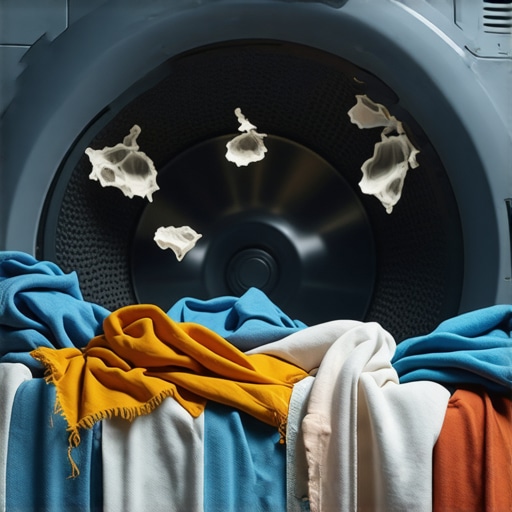
It happened again yesterday. I pulled out my favorite t-shirt only to find tiny, maddening holes sprouting where they shouldn’t be. At first, I thought maybe a rogue sewing needle or some mysterious fabric flaw. But after some digging, I realized my washing machine itself was the culprit. Yes, that seemingly innocent appliance was secretly sabotaging my wardrobe.
If you’ve ever experienced the frustration of tiny tears appearing out of nowhere on your clothes, you’re not alone. It’s a common problem that often leaves folks scratching their heads. The truth is, understanding what’s behind these uninvited holes can save you quite a bit of money and wardrobe heartbreak. And believe it or not, the fix is usually simpler than you think.
Don’t Let Your Laundry Turn Into a Clothing Catastrophe
In today’s post, I’m going to walk you through the real reasons your washing machine might be tearing up your favorite shirts and pants. We’ll cover the top mistakes I made early on that worsened this issue and how to avoid them. By the end, you’ll be equipped with practical tips to protect your clothes and extend their life.
Skeptical about the cause? You’re not alone — Here’s what I overlooked at first
Believe me, I was convinced it was my fabric quality or maybe my overzealous washing habits. Turns out, I was ignoring one crucial factor: the agitator and drum condition. Ignoring these can cause tiny fabric snags, leading to those small tears. According to appliance experts, even something as minor as a rough drum surface can do real damage over time. I learned this the hard way when I discovered an irregularity in my machine’s interior that I hadn’t noticed before.
So, if you’re tired of finding tiny holes in your clothes after every wash, stay tuned. We’re going to uncover the real culprits and arm you with solutions. Plus, I’ll share insights from trusted sources like washing machine experts that can help keep your laundry routine safe and sound.
Ready to stop the mystery holes and keep your wardrobe intact? Let’s dive into the practical steps that will protect your clothes in every wash.
Inspect the Drum and Agitator Regularly
Start by opening your washing machine and manually turning the drum to look for rough spots, corrosion, or foreign objects. Years ago, I noticed a small snag on the drum surface after a thorough inspection, which explained the tiny holes on my clothing. Use a flashlight to spot irregularities that may not be visible at a glance. If you find rough patches or burrs, smooth them out with fine-grit sandpaper or consider replacing the drum if damage is severe.
Address Wear and Tear Quickly
When I first spotted a tiny thread pulling on a shirt, I immediately checked the drum, realizing that an uneven edge caused the snagging. Ignoring this can lead to bigger tears and costly repairs. Routine maintenance like cleaning and inspecting helps catch issues early, preventing garments from catching on sharp surfaces during wash cycles.
Maintain Proper Loading Techniques
Overloading the machine reduces clearance and causes aggressive spinning, increasing fabric abrasion. Remember, just like packing a backpack, distribute clothes evenly and don’t cram the drum full. I once overloaded my washer, and the next morning, my favorite sweater had tiny holes from constant friction. Load clothes loosely, balancing heavy and light items, to minimize stress on fabrics.
Use the Correct Wash Settings
Choosing gentle cycles for delicate fabrics significantly cuts down on fabric stress. I learned this after noticing that my delicate blouses started developing small tears, partly due to high agitation settings. Select the lowest spin speed suitable for your clothes, and avoid harsh cycle options unless necessary.
Shore Up the Machine’s Condition
Rough or damaged drums aren’t the only culprits; worn-out bearings or agitators can also cause fabric snags. A few months ago, I heard a grinding noise from my washing machine, which turned out to be a worn-out bearing. Replacing worn parts or having a professional service the machine prevents damage from uneven rotations or vibrations that can rip garments.
Clean Your Washer to Prevent Residue
Residues and debris lingering in the drum or seals can cause fabric damage. Last year, I used vinegar to descale my washer, preventing mold buildup and rough spots on the drum. Regularly run cleaning cycles or use manufacturer-recommended cleaning agents to keep the interior smooth and safe for clothes.
Control Water Quality and Temperature
High mineral content (hard water) can roughen drum surfaces over time, just like mineral deposits on fixtures. I added a water softener after noticing mineral buildup, which visibly softened the drum surface and protected my clothes. Additionally, using lower water temperatures reduces wear, especially on delicate fabrics or when washing items prone to snagging.
Consult Expert Resources for Long-Term Care
For detailed guidance on maintaining your specific model, visiting trusted sources like experts on energy-efficient washers can help. Consistent maintenance prevents damage and prolongs the lifespan of your appliance, saving money and wardrobe stress in the long run.
By implementing these actionable steps, you’ll not only thwart tiny tears and holes but also extend the life of both your clothes and your washing machine. Regular inspections, careful loading, and proper maintenance create a friendly environment for fabrics, ensuring every wash keeps your wardrobe in top shape.
While many assume that modern appliances are nearly foolproof, there’s a common misconception that all refrigerators and home devices operate flawlessly with minimal maintenance or understanding of their quirks. In reality, enthusiasts and experts know that subtle nuances can significantly impact your appliance’s efficiency and longevity. For instance, many believe that setting the correct temperature is all it takes to keep food fresh, but overlooking the importance of proper ventilation, door seal integrity, or the impact of water quality can be costly mistakes. Exploring these nuances reveals that smart appliances, while convenient, require a deeper understanding of their features and limitations. For example, some assume that smart refrigerators automatically optimize conditions, but in practice, regular firmware updates and privacy settings play crucial roles in their performance. Many also fall into the trap of overloading washers or dryers, thinking bigger loads save time, yet this can cause uneven cycles or damage. Advanced users know that the real key lies in managing water hardness, cycle selection, and maintenance routines, which prevent costly repairs and energy waste. For example, neglecting to clean refrigerator coils or ignoring unusual noises can lead to inefficient operation and higher bills, as noted by appliance specialists. The hidden nuance here is understanding how environmental factors like humidity and mineral deposits subtly influence appliance performance over years. Have you ever fallen into this trap? Let me know in the comments. For a comprehensive look at future-proofing your kitchen, check out our guide on home appliance trends in 2025. Remember, mastering these subtle aspects ensures your appliances serve you reliably for years to come.
Investing in Smart Maintenance Tools
To truly ensure your appliances operate smoothly over the years, embracing specialized tools can make a significant difference. I personally rely on a digital infrared thermometer to monitor your refrigerator’s internal temperature accurately. This device helps prevent spoilage by alerting you to temperature fluctuations that might indicate a malfunction. Additionally, a hygrometer is invaluable for assessing humidity levels around sensitive devices like wine refrigerators, as excess moisture can expedite wear. Using these tools regularly allows for early detection of issues, saving you costly repairs down the line.
Why Automated Diagnostics Are Game-Changers
Modern smart appliances often come equipped with built-in diagnostic systems. I recommend installing dedicated apps that connect to your smart refrigerator or washer, providing real-time status updates and troubleshooting tips. For example, smart washing machines with remote diagnostic features allow me to identify issues before they escalate, such as worn suspension bars or clogged filters. These systems often run self-checks and send alerts when maintenance is due, making long-term care more straightforward and less stressful.
Regular Maintenance Routines
Establishing a routine is key. Personally, I set a quarterly reminder to clean refrigerator coils using a soft brush and vacuum attachment. This simple step prevents compressor strain and maintains energy efficiency, as noted by industry experts. Similarly, running a deep-clean cycle on dishwashers using vinegar and dedicated cleaning agents keeps spray arms clear and prevents gritty residue that can impair drying. These regular practices extend the lifespan of your appliances and ensure optimal performance.
Tools I Recommend for Longevity
For refrigerator door seals, I use a silicone brush to apply a thin layer of silicone lubricant every six months, preventing cracks and leaks. For washing machines, a reliable drain hose cleaning kit ensures lint and debris don’t cause drain clogs. Investing in a quality multimeter also allows me to check electrical connections and replace faulty components before they cause complete appliance failure. These targeted tools make proactive maintenance manageable and affordable.
Is Your Appliance Maintaining Its Peak Performance? Consider These Tips
Predictive maintenance is rapidly evolving, with AI-driven apps capable of analyzing usage patterns and alerting you to upcoming issues. I believe, in the near future, we’ll see appliances that self-report minor issues via smart platforms, making long-term upkeep hassle-free. To start embracing this trend, try implementing routine checks with your current smart appliances using their diagnostic features, such as running manual self-tests or monitoring energy consumption anomalies.
Remember, staying ahead with maintenance tools and routines is your best strategy for preventing costly surprises. Regularly using a digital infrared thermometer or setting maintenance schedules for filters and seals ensures your appliances work reliably and efficiently. Don’t wait for a breakdown—proactively caring for your equipment now will pay off in the long run. For a deeper dive into selecting future-proof appliances, check out our comprehensive trend report. Start small today by integrating one of these specialized tools into your routine and see the difference it makes!”}**}** **:
**:
Embarking on the journey of appliance maintenance has taught me that even the most advanced gadgets require a human touch and subtle vigilance. One of my most eye-opening lessons was realizing that ignoring minor irregularities in my equipment often led to major wardrobe mishaps and costly repairs. These lightbulb moments underscored the importance of attentive care, such as inspecting drum surfaces for burrs or calibrating water softeners to prevent mineral buildup. Instead of waiting for appliances to fail, actively learning their quirks and performing routine check-ups can save you both time and money in the long run. For anyone eager to boost the lifespan of their home devices, embracing a proactive mindset — like using diagnostic apps or simple tools like infrared thermometers — transforms maintenance from a chore into a rewarding habit. Remember, every small action today is an investment in a reliable, efficient home tomorrow.