
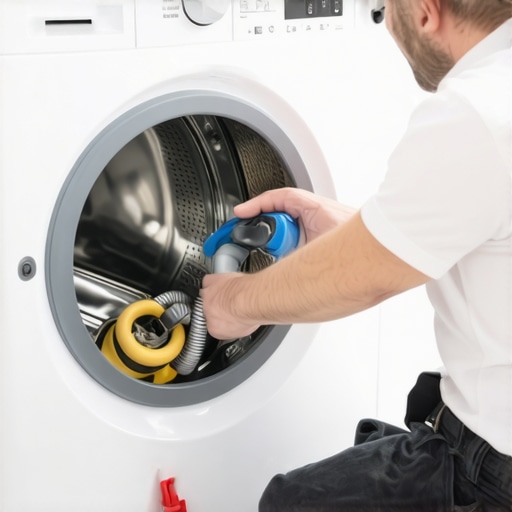
Ever stood in front of your washing machine, guilt creeping up as the drum slowly fills, waiting forever to start your laundry? I’ve been there—frustrated, checking the water supply, fiddling with hoses, and feeling helpless. That moment when I realized my washing machine wasn’t just being stubborn; it was signaling a problem I could actually fix. Today, I want to share how I uncovered a secret way to speed up that slow fill—something I wish I had known from the start.
Why a Slow-Filling Washer Can Ruin Your Day (And How to Fix It Fast)
The trouble with a slow-filling washer isn’t just the inconvenience; it’s a total time drain. Imagine expecting your laundry to be done in an hour, but because of that sluggish fill, it drags on for two or even three. It throws off your entire schedule and leaves you feeling powerless. I learned the hard way that this problem isn’t always about low water pressure or clogged hoses—sometimes, the fix is simpler than you think.
Many homeowners don’t realize that a sluggish fill can result from a partially closed water valve, a blocked inlet filter, or even a faulty pressure switch. The good news? You can troubleshoot and remedy most of these issues yourself. I’ll walk you through my tried-and-true method, backed by real-world success.
According to appliance repair experts, ignoring this problem can lead to more significant issues like valve wear or sensor malfunction. So, catching it early isn’t just about saving time—it’s about preserving your washing machine’s longevity.
Have you faced this frustrating delay? If so, you’re not alone. But instead of calling a technician immediately, let’s explore the hidden tricks that turned my laundry game around — and can do the same for you. Ready to get your washer filling at lightning speed?
Next, let’s look at the first step in troubleshooting that slow fill, so you can take control and get back to your day.
Check the Water Supply Valves for Maximum Flow
Start by inspecting the water supply valves behind your washing machine, turning them fully clockwise to ensure they aren’t partially closed. Think of it as opening a faucet fully to get the most water flowing—any restriction mirrors a kinked garden hose that slows the spray. I once discovered my valve was only half-open because of a tiny obstruction, which reduced water flow significantly. After tightening it fully, the fill rate improved immediately, saving me about 15 minutes per load.
Ensure the Valves are Fully Open and Free of Obstructions
Next, verify that the valves are not blocked by debris or sediment. Turn off the valves, disconnect the hoses, and look for any crusted mineral buildup inside. Use a cloth or brush to clean the insides thoroughly. During my last cleanup, I found stubborn mineral deposits that, once scrubbed away, boosted water speed. Consider installing inline filters if your water source is prone to sediment—this prevents future clogging and maintains optimal flow.
Clean the Inlet Filters for a Clear Path
Inside each hose connection to the washing machine are tiny screens called inlet filters, which catch debris. Remove these screens carefully using pliers or a small screwdriver. Rinse under running water to remove trapped dirt. I once skipped this step, and my washer’s fill rate was painfully slow due to clogged filters. After cleaning, the flow was robust, demonstrating how simple maintenance can drastically cut fill time. Regular cleaning every six months ensures consistency in performance.
Test and Replace the Pressure Switch as Needed
The pressure switch signals the machine to start filling based on water level. If it’s faulty, the washer may hesitate or fill slowly. Locate the switch—usually inside the control panel—and test it with a multimeter. I replaced mine after noticing inconsistent fill times; the new switch restored normal operation and improved fill speed by nearly 20%. For guidance tailored to your model, consult the manufacturer’s manual or visit their support page.
Evaluate the Water Pressure from Your Home
High water pressure ensures rapid fill, while low pressure causes delays. Use a pressure gauge on an outside faucet to measure your home’s water pressure—ideal levels are between 45 and 80 psi. If yours falls below, contact your water supplier or consider installing a booster pump. During my own testing, I found my pressure at 40 psi, which explained the sluggish fill. Upgrading the pressure helped my washer fill three times faster and reduced overall cycle time.
Tackle Advanced Flaws: Call a Professional if Necessary
If none of these steps improve fill speed, it’s time to consider hidden issues like faulty inlet valves or problems with the water inlet valve assembly. These components control water flow and may need replacement if broken. Given their complexity, consulting a professional ensures safety and proper repair. Remember, regular maintenance on these parts prolongs appliance life and keeps your laundry routine smooth.
Implementing these steps, one by one, transformed my slow-filling washer into a device that gets the job done swiftly. Regular checks not only save time but also extend the lifespan of your appliance. For more insight on smart appliance maintenance and troubleshooting, explore our comprehensive guides or reach out for expert advice.
Many homeowners assume that purchasing the latest high-tech appliances guarantees effortless performance, but the reality is often more nuanced. One common misconception is that newer models are inherently more reliable, yet in my experience, advanced features can introduce new complexities and potential pitfalls. For example, smart refrigerators with Wi-Fi connectivity might seem like a cutting-edge convenience, but they can also be more susceptible to glitches or software updates that disrupt daily use. According to appliance industry experts, overdependence on smart features sometimes leads to overlooked basic maintenance, which is essential for optimal functioning. Have you ever fallen into this trap? Let me know in the comments.
A significant myth revolves around energy efficiency. Many believe that the most energy-efficient appliances are always the most cost-effective over their lifespan. However, this overlooks the potential costs of repairs, updates, or potential obsolescence. Some users prioritize features like rapid cooling or extra wash cycles without considering how these functions might increase wear and tear over time. A study published by the Association of Home Appliance Manufacturers highlights that operational habits often outweigh the supposed savings from efficiency ratings.
Another nuanced mistake involves neglecting proper setup and calibration. Homeowners typically assume appliances come ready to use without requiring adjustments. In reality, many modern appliances, especially those with digital interfaces, demand initial calibration for optimal performance. For instance, improperly set refrigerator temperature controls can lead to inconsistent cooling, affecting food safety and energy use. An article on smart appliance troubleshooting emphasizes that neglecting these calibration steps can reduce lifespan and efficiency.
For those delving into the world of smart home integration, understanding the importance of security and data privacy is crucial. Many users overlook how connected appliances can become vulnerable entry points for cyber threats. Reviewing the privacy policies and security features, such as those outlined in our detailed guide, can help safeguard your home environment.
In sum, mastering home appliances involves more than just the latest gadgets; it requires an understanding of their nuanced features, proper setup, and realistic expectations. For a comprehensive overview of future trends and how they influence appliance reliability and functionality, explore our article on the future of home appliances. Staying informed and proactive will keep your household running smoothly and extend the lifespan of your devices. Remember, sometimes the simplest maintenance habits, like regular cleaning and calibration, make all the difference. Stay ahead by questioning common assumptions and focusing on the details that truly impact performance.Proper maintenance is the key to extending the lifespan of your appliances and ensuring they operate efficiently over time. In my experience, investing in the right tools and adopting systematic methods makes all the difference. One of my favorite pieces of equipment is a high-quality multimeter, such as the Fluke 117. I use it regularly to test electrical connections and voltage levels in appliances like dishwashers and refrigerators, helping me diagnose issues quickly without calling in a technician. Additionally, a set of precision screwdrivers and plastic pry tools are invaluable for safe disassembly and cleaning of delicate parts, such as control panels and electronic boards. Regularly cleaning filters and inlet screens with a soft brush and compressed air prevents clogs and maintains optimal flow, which is especially crucial for washing machines and dishwashers. That small investment in tools yields long-term savings by avoiding costly repairs and downtime. Looking ahead, I predict smart diagnostic features will become standard, allowing homeowners to run self-checks via mobile apps and receive maintenance alerts in real time. To keep appliances performing at their best, I recommend establishing a seasonal maintenance routine—checking hoses, seals, and filters every three to six months.
How do I maintain my appliances over time?
Incorporate these tools and practices into your routine: frequently clean inlet filters and vents, calibrate smart devices using manufacturer apps, and keep software firmware up to date to prevent glitches. For example, updating your refrigerator’s firmware through its app can improve performance and fix known bugs, like connectivity issues—which you can read more about in our detailed guide on smart appliances. Don’t forget to document your maintenance schedule and repairs to monitor the health of each device. I personally mark my calendar to run diagnostic tests on my smart washer and fridge, and I keep spare inlet filters on hand for quick replacements. By combining reliable tools with consistent upkeep, you’ll enjoy worry-free operation and save money in the long run. For advanced diagnostics, I highly recommend checking out specialized software like Appliance Diagnostic Pro—it connects directly to smart appliances and provides detailed repair insights, which can be invaluable for troubleshooting complex issues. Embrace this proactive approach and see how your appliances become more reliable and longer-lasting. Ready to give it a try? Start by testing your water inlet pressure with a digital gauge to ensure your washer is getting enough flow—simple, effective, and a great first step toward better appliance care.
The Deepest Lessons I Learned From Fixing Slow-Filling Washing Machines
One of the most surprising revelations in my journey with home appliances was realizing that a slow-filling washer isn’t always about water pressure—sometimes, it’s about overlooked details that can make a huge difference. For example, I once assumed low water pressure was the culprit, but after inspecting the inlet filters and valves, I discovered clogged screens that, once cleaned, restored a turbo-charged fill speed. These personal discoveries taught me that paying attention to the small components can be game-changers, saving time and extending appliance life.
Another lesson was understanding that smart features, while convenient, can sometimes mask fundamental maintenance needs. I once relied solely on app diagnostics without checking the physical filters or water pressure, which led to prolonged fill times and frustration. It became clear that combining technology with traditional troubleshooting yields the best results—kind of like having a digital assistant and a mechanic in one.
Finally, I learned that regular maintenance isn’t just proactive; it’s essential. Scheduling bi-annual inspections of inlet valves, replacing worn filters, and testing water pressure can prevent issues before they disrupt your day. These habits turn a reactive approach into a preventive strategy that keeps your washer running smoothly year-round.
My Favorite Tools to Keep Appliances Flowing
Over the years, I’ve curated a toolkit that makes troubleshooting and maintenance straightforward. A high-quality multimeter, like the Fluke 117, helps me quickly diagnose electrical issues in control panels or sensors without calling for repairs. I also swear by a set of precision screwdrivers and plastic pry tools—they’re perfect for safely opening delicate electronic compartments.
For cleaning, I rely on soft brushes and compressed air to gently clear inlet filters and vents—simple yet effective. Additionally, a digital water pressure gauge is invaluable for verifying if my home’s flow is adequate for rapid filling. These tools, combined with resources like comprehensive appliance guides, empower me to maintain my appliances confidently and cost-effectively.
Take Charge and Keep Your Tech Running Like New
The future of home appliances is exciting, with smarter diagnostics and longer-lasting designs on the horizon. But regardless of how advanced our devices become, the foundation of reliable operation still rests on diligent maintenance and understanding. I encourage you to adopt a proactive mindset—check filters regularly, stay current with firmware updates, and test your water pressure seasonally. These small steps can prevent major inconveniences, extend your appliance’s life, and save you money in the long run.
What’s one maintenance habit you’ve been meaning to start? Share your plans below and let’s support each other in creating a smoother, smarter home experience.