
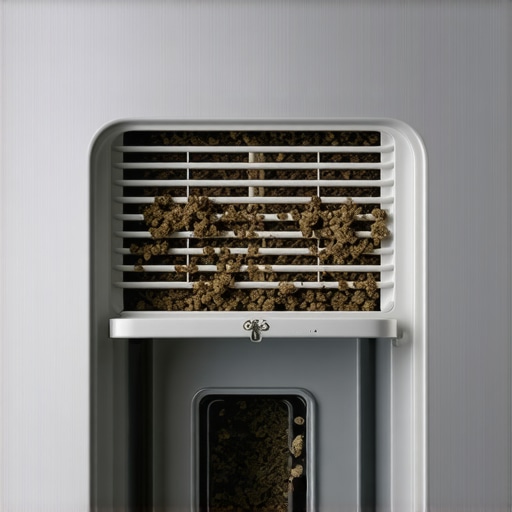
Have you ever opened your refrigerator to find it running louder than usual, or worse, feeling uncomfortably warm to the touch? I used to dismiss these signs as minor glitches, only to discover that lurking behind my fridge was a simple vent, clogged with dust and pet hair, causing it to struggle and eventually overheat. That lightbulb moment changed everything for me. Turns out, there’s a secret vent in almost every fridge that, if neglected, can lead to overheating and even premature failure.
The Surprising Power of a Clean Vent
When I first realized my fridge was running hot, I thought it was a typical issue that professional repair would fix. But after a bit of digging, I found out that a blocked vent could be the culprit. This tiny opening allows heat to escape from inside the fridge’s compressor and coils, helping it maintain an optimal temperature. When this pathway is clogged with dust, pet hair, or food particles, the appliance has to work harder, leading to increased energy use and the risk of overheating.
Cleaning this vent is a straightforward maintenance task that can dramatically extend your fridge’s lifespan and improve efficiency. Think of it as giving your appliance a much-needed breath of fresh air. I learned this lesson early on when my fridge started turning on more frequently, and I was pouring money into repairs that could’ve been avoided with a simple vent cleaning. Trust me, avoiding this step is a common mistake many homeowners make—not checking the ventilation system of their appliances.
Knowing how vital this can be, I want to walk you through the process of locating and cleaning this secret vent. By doing so, you’re not just preventing overheating; you’re also saving on energy bills and extending the life of your valuable kitchen investment. Curious how to spot it? Let’s dive into the signs that indicate this hidden vent needs attention and how to keep it clear from obstructions.
Locate the Vent Precisely
Start by unplugging your refrigerator to ensure safety. Next, open the fridge and pull out the crisper drawers and shelves to access the back wall. Look for a small vent or grille—it’s often at the top or along the back wall inside the fridge. Use a flashlight if needed. I remember once I spent fifteen minutes searching, only to realize I was looking at the wrong side since my model has an external vent at the bottom back, which is equally critical. Knowing your specific fridge model helps. Consult the user manual or manufacturer website if you’re unsure. Once you spot it, prepare your cleaning tools.
Gather Effective Cleaning Supplies
Equip yourself with a vacuum cleaner with a brush attachment, a soft-bristled toothbrush, microfiber cloths, and a mixture of warm water with mild dish soap. For stubborn grime, a small amount of white vinegar can help. In my messy initial attempt, I was tempted to use harsh chemicals, but I learned that gentle solutions work best to avoid damaging sensitive components. Remember, a clean vent not only improves airflow but also minimizes dust circulation inside your fridge. Microfiber cloths are excellent for capturing dust without scratching surfaces. Now, proceed to cleaning.
Remove Dust and Debris Effectively
Start by vacuuming the vent area carefully. Use the brush attachment to loosen dust and pet hair. Be gentle: the goal is to dislodge debris without damaging the fins or grills. After vacuuming, dip your toothbrush into the soapy water and scrub the vent’s grille or fins, especially where dust has accumulated stubbornly. I once spent twenty minutes scrubbing a vent, only to realize I was brushing the wrong side—so patience and a careful approach are key. Wipe everything down with a damp microfiber cloth to remove residual dust and soap. Ensure no moisture remains before plugging your fridge back in.
Inspect and Maintain Coils and Other Components
While you’re at it, check the condenser coils, which are often located at the back or beneath the fridge. Dust on coils severely hampers efficiency. Use the vacuum and a coil brush to clean them thoroughly. Getting into this habit can extend your appliance’s lifespan—it’s like giving it a spa day. Also, look for any signs of damage or corrosion. For detailed guidance, you can explore how to check your fridge coils for dust and pet hair. Regular maintenance prevents overheating issues, saving energy and repair costs.
Schedule Routine Cleaning
Set a monthly reminder to perform this cleaning. Consistency keeps dust and pet hair from building up excessively, ensuring optimal airflow and efficiency. In my case, I kept forgetting until my fridge started making noises, which prompted me to clean the vent more diligently. Making this a habit can also help catch small issues early, avoiding costly repairs down the line. Plus, a clean fridge runs quieter, providing a more pleasant kitchen environment. Incorporate this step into your appliance maintenance routine—your appliance and your wallet will thank you.
Many homeowners believe that modern appliances are virtually maintenance-free, and while technology has significantly improved their reliability, misconceptions still abound. One prevalent myth is that smart appliances don’t require regular updates or checks. In reality, firmware updates for devices like smart refrigerators and washing machines are crucial for security and optimal performance; neglecting these can open vulnerabilities or cause unexpected malfunctions. According to industry experts, failing to update firmware can lead to compatibility issues with your home network or missed features, undermining your investment.
Why do so many advanced appliances still malfunction despite their smart features?
The answer lies in user oversight: many forget that even smart devices need routine maintenance, such as cleaning sensors and inspecting connections, much like traditional appliances. Overlooking these basic tasks can lead to problems that seemingly appear from nowhere, contradicting the assumption that smart tech handles itself. Additionally, a common mistake is assuming that newer models are inherently more reliable, which isn’t always true. Sometimes, cutting-edge features can introduce bugs or complexities that make troubleshooting harder for the average user. For example, many users are unaware that Wi-Fi connectivity issues with smart washers often stem from outdated router firmware or interference, not the appliance itself. External studies highlight that user education is vital for maximizing appliance lifespan and functionality. If you’re investing in smart home technology, it’s worth exploring comprehensive guides on how these systems integrate seamlessly into your daily life. For instance, understanding how to connect your smart washer to your home automation system can streamline laundry routines and save time, but proper setup is essential. Don’t forget to check the manufacturer’s instructions or consult trusted review sites for expert advice on maintenance best practices. Remember, even the most sophisticated home appliances benefit from periodic care to prevent costly breakdowns later. Have you ever fallen into this trap? Let me know in the comments.Maintaining your appliances isn’t just about occasional cleaning; it involves investing in the right tools, employing precise methods, and understanding future trends to ensure long-term reliability. One essential tool I personally use is a digital infrared thermometer, which helps me monitor the temperature of my refrigerator and washing machine components. For example, checking the temperature of the condenser coils with an infrared gun allows me to detect early signs of overheating before any failure occurs. This non-contact device provides quick and accurate readings, making routine inspections faster and more reliable.
Why I Recommend Using an Infrared Thermometer
I’ve found that a good infrared thermometer simplifies identifying issues that aren’t immediately apparent. When I notice my fridge running hotter than usual, I spot the problem early and can perform targeted cleaning or maintenance, saving time and money. In the future, I predict that IoT-enabled diagnostic tools will become more mainstream, providing real-time alerts right to our smartphones. This trend will make appliance maintenance more proactive, reducing unexpected breakdowns and extending lifespan.
Get Serious About Routine Checks
Alongside the infrared thermometer, I utilize a high-quality vacuum cleaner with a brush attachment specifically designed for coils. Regularly cleaning the condenser coils—at least every six months—keeps the appliance running efficiently and prevents unnecessary strain on the compressor. For washing machines, I use a specialized drum cleaning device, which I find more effective than manual scrubbing and ensures the elimination of mold and detergent buildup. These targeted tools make maintenance less daunting and more effective.
How do I maintain my appliances over time?
Consistent, scheduled maintenance is vital. I set digital reminders, usually syncing with my smartphone calendar, to perform deep cleans and inspections regularly. For example, I check and clean the appliance filters, vents, and coils based on manufacturer recommendations. Incorporating smart diagnostic tools from [industry experts](https://smartappliancereview.com/why-your-washing-machine-drum-is-making-a-loud-metal-clanging-noise) helps me stay ahead of potential issues. These sensors notify me of anomalies before they escalate, which is particularly helpful for smart appliances with firmware that can be updated to improve performance or fix bugs. For more insights on smart maintenance, exploring [top smart appliances for seamless home management in 2025](https://smartappliancereview.com/top-smart-appliances-for-a-seamless-home-experience-in-2025) is highly recommended.
Lessons That Changed My Approach to Appliance Care
One of the most eye-opening insights I’ve gained is that regular maintenance isn’t just about cleanliness—it’s about understanding how each component plays a role in overall performance. I once ignored the simple step of cleaning my fridge’s vent, only to face costly repairs later. Now, I know that paying attention to minor details, like dust on coils or blocked vents, can save a fortune and extend the life of my appliances.
Another lesson was realizing that even smart appliances require routine checks and updates. I used to trust that my Wi-Fi-connected refrigerator would troubleshoot itself, but learned the hard way that firmware updates and sensor inspections are essential. Making time for these often-overlooked tasks transformed my experience from reactive repairs to proactive upkeep.
Furthermore, I discovered that investing in the right tools, like an infrared thermometer, makes preventative maintenance much more effective. Monitoring component temperatures helps catch overheating early, preventing breakdowns and increasing efficiency. This small shift in approach has made me more confident in handling appliances and avoiding unnecessary stress.
Tools and Resources That Make a Difference
For anyone serious about maintaining their home appliances, I highly recommend exploring the Ultimate Guide to Smart Home Appliances. It offers comprehensive advice that combines modern technology with practical maintenance tips, empowering you to stay ahead of issues. Additionally, smart washing machine guides have been invaluable for understanding how to integrate routine checks seamlessly into daily routines. Finally, I trust expert advice on selecting and caring for refrigerators to ensure I make informed decisions that promote longevity and efficiency.
The Drive to Keep Improving Your Appliance Knowledge
Taking action today can make a significant difference in your appliance’s lifespan and performance. Don’t just wait for your fridge or washing machine to break down—be proactive. Regular maintenance, smart upgrades, and utilizing the right tools can give you peace of mind and keep your home running smoothly. Remember, the best investment you can make is in your own knowledge and preventative care. So why not start today and turn appliance maintenance from a chore into a simple, satisfying routine?