

It was a普通 morning when I opened my dishwasher, only to find my favorite coffee mug still stained and streaked. Frustration bubbled up—I’d trusted that eco-mode was saving both the planet and my energy bill. Yet, here I was, re-running a cycle, wasting water and precious time. That lightbulb moment hit me hard: are these so-called eco-settings genuinely beneficial, or are they just marketing hype that might be doing more harm than good?
Why Modern Eco-Modes Can Be Both a Blessing and a Challenge
In our quest to be greener and cut costs, many of us opt for eco-modes on appliances like dishwashers, washing machines, and refrigerators. These settings promise reduced energy and water consumption, which is appealing—especially with rising utility bills and climate concerns. According to a report from the Environmental Protection Agency, high-efficiency appliances can cut water use by up to 50% compared to older models. But here’s the thing: the actual impact of eco-modes depends heavily on how and when we use them. Sometimes, these settings are a game-changer; other times, they can extend cycles, compromise performance, or leave us with less-than-clean dishes and clothes. I learned this firsthand early on when my eco-cycle took twice as long, leaving me baffled and still needing to rewash my laundry. That mistake made me realize I needed to dig deeper. If you’ve ever faced similar frustrations, you’re not alone. Today, I want to share practical insights into how eco-modes work, their pros and cons, and how to make the most of them without sacrificing performance.
Is Eco-Mode Worth the Hype If It Slows Things Down?
When I first started using eco-settings, I thought I was doing my part for the environment. But I quickly learned that these modes are not a one-size-fits-all solution. Some cycles save water and power, yes, but they can also take significantly longer, leading to inconvenience and, paradoxically, higher energy use if I kept running appliances multiple times to get things done right. This early mistake taught me the importance of understanding my appliances’ features rather than blindly trusting marketing slogans. If you’re skeptical about eco-modes and wonder whether they are truly beneficial or just a clever marketing ploy, you’re asking the right questions. In the sections ahead, I’ll guide you through how to evaluate these settings based on your actual needs, ensuring your appliances work for you—not against you.
Optimize Your Washing Machine Settings for Better Performance
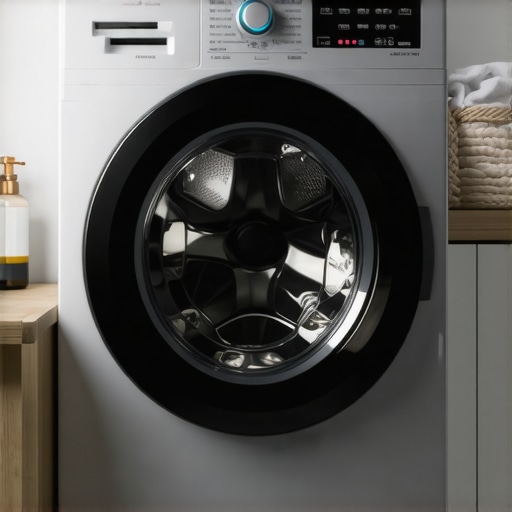
Think of your washing machine as a concert pianist—pressing the right keys at the right time produces harmony, but hitting random notes creates noise. To maximize eco-mode benefits, start by selecting the appropriate cycle for your laundry load. Heavy fabrics like jeans or towels may require a different setting than delicate blouses. When I first tried this, I initially used the eco-cycle for everything, including heavily soiled work clothes. The result was longer cycles and clothes not as clean as desired. I learned that reserving eco-mode for lightly soiled garments, and switching to regular cycles for stubborn stains, saves water and energy without sacrificing cleanliness. For insight into newer, water-efficient models, check out expert advice on water-saving washing machines.
Maximize Your Dishwasher Efficiency with Smart Loading
Loading your dishwasher correctly is like preparing a Mardi Gras float—you want everything to be visible and accessible for a thorough wash. When using eco-mode, avoid overloading or blocking spray arms, which can hinder cleaning. I once stacked dishes haphazardly, resulting in dirty mugs and having to rerun the cycle. Instead, I learned to place larger items on the sides and avoid nesting utensils, allowing water and detergent to reach all surfaces. To further enhance efficiency, pre-rinsing is unnecessary; modern dishwashers with AI technology, as discussed in this guide, are designed to handle typical food residues. Proper loading ensures water reaches everything without overusing resources.
Set Refrigerator Temperatures for Optimal Savings
Your refrigerator is like a guardian of freshness—keeping your food safe while conserving energy. The key is to set the right temperature: 37°F (3°C) for the fridge and 0°F (-18°C) for the freezer. I once left my fridge at 45°F, thinking it was saving power, but found my dairy spoiling quickly. Adjusting the thermostat improved food preservation and lowered energy use. Smart refrigerators often have touchscreen controls or apps to help regulate these settings, as highlighted in latest refrigerator features. Regularly cleaning condenser coils, as explained in coil cleaning tips, also boosts efficiency. Ensuring proper door seals prevents excess humidity, making your appliance work smarter, not harder.
Leverage Smart Technology for Better Eco-Results
Modern smart appliances are like having an energy-saving coach whispering reminders—connect them to your Wi-Fi and learn their secrets. Features such as scheduling and remote monitoring, discussed in smart home guides, help you run appliances during off-peak hours. For example, setting your dishwasher to run late at night can reduce electricity costs and carbon footprint. Similarly, smart washers can be programmed to start after midnight, using less power, and alert you when cycles are complete, minimizing unnecessary energy usage. If you need assistance with integrating devices, visit our contact page. By embracing these techniques, your appliances work not just for your convenience, but for the planet as well.Many homeowners assume that simply purchasing the latest washing machines, refrigerators, or smart appliances guarantees efficiency and durability. However, even seasoned users often fall into traps due to misconceptions about how these devices actually work. Let’s dig deeper into common myths and advanced mistakes that can undermine your appliance performance and energy savings.
One widespread misunderstanding is that newer, high-end appliances automatically operate optimally without proper setup or maintenance. For instance, many believe that smart refrigerators will always self-optimize their cooling, but neglecting routine tasks like cleaning condenser coils or calibrating temperature controls can lead to increased energy consumption and food spoilage. According to experts, neglecting regular maintenance can reduce efficiency by as much as 20%. So, always invest time in understanding your device’s nuanced features; a quick review of your appliance’s setup instructions can prevent costly issues.
Another common myth revolves around eco-settings on dishwashers and washing machines. Everyone says eco modes drastically cut water and electricity use, but in reality, they often extend cycle durations and sometimes lower cleaning effectiveness. Ironically, this can lead to more runs—which consumes more energy—highlighting a hidden downside of blindly trusting these modes. A more savvy approach involves running eco-settings during lightly soiled loads and using intensive cycles only when necessary. For example, modern water-efficient washers—discussed in the expert advice on this resource—are designed to optimize performance exactly in such scenarios.
Beware of the trap of overloading smart appliances. Many assume they can pack their dishwasher or washer to capacity for maximum efficiency, but this can significantly hamper cleaning quality and increase cycle times. Proper loading ensures water and detergent reach all surfaces effectively. Additionally, overloading can cause mechanical strain, shortening appliance lifespan. As emphasized in this guide, understanding load capacity and optimal arrangement is crucial for maintaining performance.
For the tech-savvy, understanding the nuances of smart appliance connectivity is vital. Devices often disconnect from Wi-Fi or fail to sync properly, causing frustration and potentially wasting energy if they run at unintended times. Regular firmware updates and correct network placement are essential, as explained in this article. Many users overlook these simple steps, leading to reduced usability and efficiency.
Finally, don’t underestimate the importance of understanding your appliance’s actual performance metrics. For example, setting your refrigerator to a lower temperature doesn’t always mean fresher food; it can lead to excessive energy use and even cause freezing of items, as shown in this insight. Knowing the right settings based on advanced features is essential for both preservation and conservation.
Have you ever fallen into this trap? Let me know in the comments. The key to maximizing your appliance investment is understanding these hidden nuances, ensuring longevity, efficiency, and performance.
Essential Tools for Appliance Care
Maintaining your home appliances requires more than just routine checks; it demands the right tools to diagnose and address issues effectively. I personally rely on a digital multimeter, like the Fluke 117, to test electrical connections and troubleshoot power-related problems in my refrigerators and washing machines. This device allows me to verify voltage levels, ensuring that appliances receive proper electrical input, which is vital for longevity. Additionally, a microfiber cloth and mild cleaning solution are invaluable for regular cleaning of sensors and vents, like condenser coils, to prevent overheating and energy loss. An infrared thermometer also helps me quickly identify hot spots on components, pointing to potential malfunctions before they escalate. Investing in these tools has empowered me to perform basic maintenance, saving time and repair costs. As appliances become smarter, connecting diagnostic tools via apps, such as the Samsung SmartThings platform, can offer real-time data on device performance, facilitating proactive care.
Routine Maintenance Strategies for Long-Term Performance
Consistent maintenance is key to extending the lifespan of your appliances. For refrigerators, this means cleaning coils every six months to remove dust and pet hair, which I do with a coil cleaning brush and a vacuum attachment. Regularly checking door seals ensures a tight fit, preventing humidity buildup that hampers efficiency. Washing machines benefit from clearing out detergent residue and lint filters monthly, along with inspecting the drum for any signs of mold or debris. I’ve found that using a vinegar-based cleaning cycle, as recommended in this guide, helps keep appliances fresh and odor-free. For smart appliances, firmware updates play a crucial role; I schedule updates during low-usage hours to keep devices optimized. Setting reminders to perform these tasks ensures I don’t forget, maintaining peak performance over the years.
Predicting Future Maintenance Trends in Smart Homes
As home appliances continue to evolve, the future points toward AI-driven diagnostics and predictive maintenance. Devices will soon self-report issues before symptoms manifest, allowing homeowners to schedule repairs proactively. I anticipate more integration with home automation systems, making maintenance routines seamless and less invasive. According to this report, advancements will provide real-time health metrics and maintenance alerts, significantly reducing downtime and repair costs. Embracing these technologies now, like installing smart sensors in refrigerators to monitor compressor health, prepares us for a future where appliances practically maintain themselves. For now, utilizing tools like smart diagnostic apps and following manufacturer-recommended maintenance schedules remains our best approach.
How do I keep my appliances in top shape for years to come?
Focus on consistent cleaning, timely firmware updates, and monitoring performance with diagnostic tools. Using a multimeter to check electrical connections, or scheduled coil cleanings, are simple steps with lasting benefits. Don’t hesitate to explore smart device diagnostics—these features will become standard soon. Take a cue from experts and incorporate proactive maintenance into your routine to ensure your appliances serve you efficiently long-term. To start, try setting up alerts through your smart appliances, like as described in this comprehensive guide, and see how early warnings save you both time and money. Ready to upgrade your routine? Begin by inspecting and cleaning your refrigerator coils this weekend—it’s easier and more impactful than you think.
What I Wish I Knew About Smart Appliances Before Diving In
- Getting excited about new tech? I assumed all smart appliances would automatically optimize themselves—big mistake. Learning to calibrate and maintain them personally proved crucial for peak performance.
- Over-relying on eco-modes without understanding their nuances led me to longer cycles and less clean clothes. Now, I choose settings based on load type, saving resources without sacrificing quality.
- Neglecting regular maintenance like coil cleaning or firmware updates can reduce efficiency by up to 20%. Small, consistent actions keep appliances running smoothly and extend their lifespan.
Where to Find Smarter Solutions for Your Household
- My go-to resource is the Ultimate Guide to Smart Home Appliances. It offers comprehensive advice on optimizing everything from refrigerators to washing machines, backed by industry experts I trust.
- For troubleshooting, I rely on this detailed walkthrough that demystifies smart washer features, making maintenance straightforward and less intimidating.
- Innovative tools like diagnostic apps linked with appliances (see AI-enabled dishwashers) are game-changers. They empower me to identify issues early and plan repairs proactively.
Your Next Step Toward Smarter Living
Embracing smarter, well-maintained appliances isn’t just about convenience—it’s about creating a sustainable future and saving money in the long run. Every small action, from cleaning condenser coils to setting the right refrigerator temperatures, adds up to significant benefits. Remember, your appliances can do more for you when you understand their workings—so start experimenting today. Have you ever struggled with identifying the right settings for your smart appliances? Share your experience below and join the conversation on transforming everyday chores into smarter habits.