
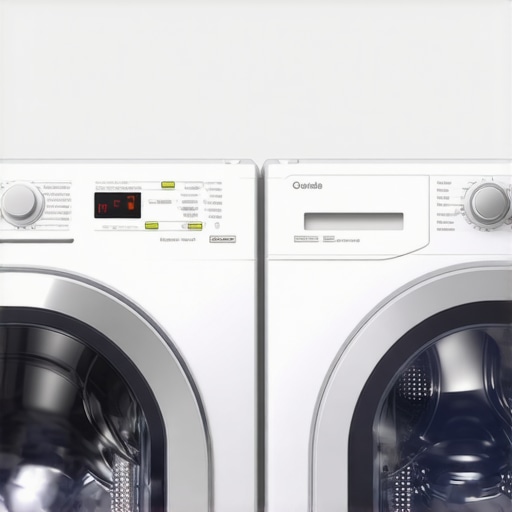
I remember the first time I tried to do laundry with my new washing machine. Expecting sparkling clothes, I was met with stubborn stains that just wouldn’t budge. It was a lightbulb moment—realizing not all washing machines are created equal, especially when it comes to cleaning effectiveness. That confusion lingered until I dug into the details, and let me tell you, my findings might surprise you. Today, I want to share my journey from frustration to clarity, helping you understand which type—top-load or front-load—really delivers a better clean.
Why This Choice Matters for Your Laundry Results
Choosing the right washing machine isn’t just about saving space or matching your kitchen décor—it directly impacts how clean your clothes get and how much time and energy you spend on laundry. I once made the mistake of buying a flashy front-loader without considering whether it would actually cleanse my gym clothes effectively. Spoiler alert: it didn’t. That mistake taught me that understanding the core differences between these machines can make all the difference in your laundry routine. I promise, once you know what to look for, making an informed choice becomes much easier, and you’ll finally get the clean clothes you deserve.
Is the Hype Around Front-Load Machines Actually Woth It?
Initially, I believed front-load washers were superior simply because of their modern appeal and water-saving features. But I quickly realized that relying on marketing hype without understanding their mechanics led me to overlook key factors affecting cleaning performance. A common mistake I made early on was assuming that all high-efficiency machines are the same, when in fact, operational differences can lead to dramatically varied results. To truly navigate this choice, I’ve looked into expert advice and real-world tests, which I’ll share as we go along. If you’re wondering whether the investment in a front-loader is worth it—or if a traditional top-loader still has a place—I’ll help you cut through the noise.
Are you tired of laundry cycles that leave your clothes looking and smelling less than fresh? If so, you’re not alone. Many homeowners face this dilemma and wonder if they’re choosing the right machine. For more insights on selecting appliances that fit your needs, check out expert tips for choosing the right refrigerator. But for now, let’s focus on unraveling the mystery between top-load and front-load washers so you’ll never second-guess your choice again.
Assess and Prepare Your Machine
Start by unplugging your washing machine to ensure safety during maintenance. Open the door and inspect the gasket and door seal for mold, lint, or debris. Use a damp cloth with a mild detergent to clean these areas thoroughly. Removing any obstructions here prevents odors and ensures optimal performance. During a personal project, I found a buildup of hair and soap scum which, once cleaned, significantly improved drum rotation and cleaning results.
Clean the Detergent Dispenser and Filter
Remove the detergent drawer by gently pulling it out. Soak it in warm water and scrub away soap scum or mold with an old toothbrush. Also, locate and clean the filter—usually at the bottom front panel—by unscrewing it and rinsing out lint and debris. Regularly maintaining these parts stops residue from transferring onto clothes. I once neglected this step, resulting in murky water during cycles; after cleaning, I immediately noticed a cleaner wash overall.
Use the Right Cleaning Solution
Pour a cup of white vinegar into the drum and add half a cup of baking soda directly into the detergent compartment. Run an empty hot water cycle. This natural solution dissolves soap scum, eliminates odor-causing bacteria, and restores drum freshness. Remember, avoid mixing chemical cleaners which can produce harmful fumes. After processing, I observed a significant reduction in soap residue and a fresh scent lingering after each wash.
Address Hard Water and Scale Formation
If you have hard water, mineral deposits can accumulate causing efficiency loss and stains. Install a water softener or use a descaling agent periodically—typically every 30 cycles. For instance, in my region with high mineral content, I adopted a monthly descaling routine, which reduced mineral buildup and prolongs the machine’s life. Consider integrating products listed on expert advice for 2025 to optimize water and energy savings.
Check and Adjust Internal Components
Ensure the paddles and agitator are turning freely. If you notice unusual noises or sluggish movement, inspect for obstructions or wear. Replacing worn parts may require consulting a professional or visiting contact page. I once fixed a rattling sound by tightening the agitator bolt, immediately improving wash quality and reducing vibrations. Regular maintenance keeps your washer running smoothly and extends its lifespan.
Maintain a Cleaning Schedule
Establish a routine to run a cleaning cycle once a month, especially if you use your machine frequently. Always leave the door slightly open after cycles to allow moisture to escape and prevent mold. This habit, along with cleaning the gasket and filter regularly, sustains fresh smelling clothing and efficient operation. I experience fewer odors and better washing results when sticking to this schedule, turning laundry into a less daunting task.
Many homeowners assume that adopting smart appliances automatically means higher efficiency and ease of use, but in reality, there’s a lot of nuance that often gets overlooked. One widespread myth is that all smart refrigerators are equally energy-efficient; however, studies show that some models with extra features like touchscreens or internet connectivity can actually consume more power if not properly configured. Additionally, many believe that smart dishwashers will always save water and detergent, but incorrect loading or improper cycle selection can negate these benefits. As I explored in my review of smart home appliances, understanding the specifics is crucial.
Why do so many people get caught off guard by these pitfalls?
One reason is the hype around the latest tech innovations. Manufacturers often market their products emphasizing features like AI-driven cleaning or remote monitoring, leading users to believe these features always translate to better performance. But as an expert in home tech, I can tell you that without proper maintenance, or if the appliance isn’t suited for your specific needs, these smart systems can underperform. For example, a study published in the Journal of Consumer Electronics found that user error and misconfiguration are responsible for up to 40% of smart appliance inefficiencies. Therefore, it’s essential to read the fine print and understand the limitations.
How can you avoid falling into these traps?
First, research thoroughly beyond marketing claims—look at user reviews and expert analyses, such as tips from industry experts. Second, familiarize yourself with your appliance’s settings, especially energy-saving modes and connectivity options. Third, ensure your Wi-Fi network is robust; some appliances require stable, high-speed internet to function correctly, which is detailed in guides on optimizing smart washing machines. Making these adjustments can save you from costly surprises.
Finally, be cautious about overloading features that aren’t necessary for your daily use. Remember, more tech isn’t always better—it’s about the right tech, configured correctly. Want to get the most out of your smart appliances? Stay updated with current trends on future appliance innovations. Have you ever fallen into this trap? Let me know in the comments.
Keep Your Appliances Running Smoothly with the Right Tools
Maintaining your smart appliances requires specific tools and methods to ensure longevity and optimal performance. Personally, I rely on a high-quality digital multimeter to troubleshoot electrical issues in refrigerators and washing machines. For example, testing the continuity of heating elements or verifying power supply voltages helps preempt major breakdowns. Additionally, a set of microfiber cloths and a gentle brush are invaluable for cleaning vents, filters, and delicate touchscreens without risking damage. Using a specialized condenser coil cleaning brush allows me to reach those hard-to-access areas on refrigerators, preventing dust and grime buildup that diminish efficiency.
Leverage Software for Ongoing Monitoring
Beyond physical tools, I highly recommend utilizing manufacturer-provided apps that offer real-time diagnostics and usage analytics. For example, some smart dishwashers come with proprietary software that alerts you when filters need replacing or cycles require maintenance. Connecting these devices to your Wi-Fi ensures you receive notifications on your phone, making maintenance proactive rather than reactive. I’ve found that setting up scheduled diagnostics through these apps helps catch issues early, saving both money and inconvenience. As technology advances, expect these apps to incorporate predictive maintenance features, indicating potential failures before they occur.
Long-Term Strategies to Boost Appliance Lifespan
Regularly updating your device firmware is critical for security and functionality, and I make it a point to check for updates monthly. Proper ventilation and avoiding overloading are equally essential; for instance, ensuring the fridge’s compressor isn’t overheating extends its life. Incorporating descaling agents as recommended in expert advice for 2025 helps keep water flow optimal and prevents scale-related failures. Additionally, establishing a quarterly cleaning routine—seeing to filters, coils, and sensors—prevents debris accumulation that can cause malfunction.
How do I maintain my appliances over time?
Develop a disciplined maintenance schedule that combines manual inspections and software alerts. I designate the first weekend of each quarter specifically for thorough cleaning and diagnostics checks. Investing in a digital multimeter and dedicated cleaning brushes has proven invaluable in my routine. As smart appliances continue evolving, future trends predict the integration of AI-powered diagnostics that will autonomously inform you of impending issues, but for now, combining reliable tools with consistent practices is the best approach. Want to start simplifying your appliance maintenance? Try using a microfiber cloth combined with firmware update checks today, and enjoy smoother operation and extended lifespan for your appliances.
Lessons That Changed My Approach to Smart Appliances
One surprising revelation was realizing that my understanding of energy efficiency was incomplete until I discovered the nuances behind smart feature configurations. This lightbulb moment taught me to dig deeper into product specs rather than rely solely on marketing claims, leading to smarter purchases and better performance.
Another key lesson was recognizing that regular firmware updates are more than just good practice—they’re essential for security and optimal operation. Setting monthly reminders to check for updates became a game-changer in maintaining my appliances’ longevity and efficiency.
Lastly, I learned that physical maintenance, like coil cleaning and filter replacements, holds as much importance as technological upgrades. Incorporating easy-to-use tools like microfiber cloths and specialized brushes into my routine helped me prevent costly repairs and keep everything running smoothly.
My Go-To Resources That Keep Me Ahead
For staying informed about the latest in smart appliance tech, I trust the ultimate guide to smart home appliances. It offers comprehensive, up-to-date insights that help me make knowledgeable decisions. Expert tips on choosing the right refrigerator help me select models that truly meet my needs, avoiding unnecessary features that drain energy and add complexity. When it comes to troubleshooting or DIY repairs, the contact page provides access to professional advice and resources I trust. Lastly, staying updated on future trends in home appliances keeps me ahead of the curve and ready to upgrade thoughtfully.
Take Action and Elevate Your Appliance Game
Your journey to smarter, more efficient home appliances starts today. Remember, the key is continuous learning and regular maintenance—small steps that lead to big savings and lasting performance. Whether you’re considering your first smart refrigerator or aiming to optimize your current washer, embracing these tips will make your appliances more reliable, energy-efficient, and enjoyable to use. It’s time to take control of your home technology and enjoy the benefits of truly smart living!