
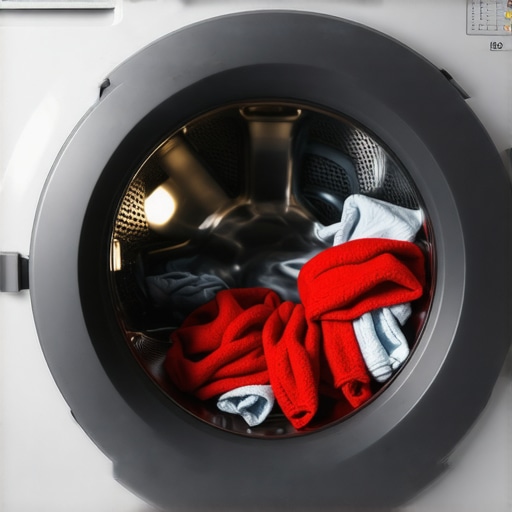
I remember the first time I pulled a freshly washed shirt out of my old washer only to find it had tiny rips and tears. It was a frustrating wake-up call. Like many, I assumed I was doing everything right—sorting clothes, choosing the right cycle—only to discover my laundry was mutilating my favorite workwear. The lightbulb moment hit hard: not all washers treat fabrics gently, and some can do more harm than good.
Today, I want to share my journey and the secrets I’ve uncovered about choosing a top-load washer that won’t shred your costly apparel. If you’re tired of frayed shirts and tattered jeans after what should be a simple wash, stick around. We’re going to explore the best options that combine reliability with fabric care, backed by real-life experience and expert advice.
Why Your Washer Might Be Sabotaging Your Clothes
Many of us overlook how our washing machine’s design and cycle options can impact fabric longevity. I made a common mistake early on—assuming that all washers with a gentle cycle were actually gentle in practice. Turns out, that isn’t always the case. Some machines rely heavily on aggressive agitation or have a tendency to trap clothes in rough spots, causing tears and wear.
Research from industry experts highlights that high-speed spin cycles and harsh drums are often to blame. Experts at [Washing Machines That Save Water – Expert Advice for 2025](https://smartappliancereview.com/washing-machines-that-save-water-expert-advice-for-2025) warn that choosing the right cycle and machine can dramatically extend the life of your garments. So, how do you identify the best washer for delicate, expensive work clothes?
Let’s dive into the key features and models that have earned my trust—and hopefully yours too. But first, do you find yourself frustrated when your clothes seem worse for wear after laundry days? You’re not alone, and there’s a solution on the horizon.
Start by Selecting the Right Cycle for Delicate Items
In my experience, opting for the gentle cycle is crucial. I once threw a blazer into a standard cycle and came back to a shredded collar. Instead, choose a cycle explicitly designed for delicate fabrics, which reduces agitation and spin speed. Always check your washer’s cycle options, and remember that some models allow custom settings even within the delicate mode.
Adjust Spin Speed for Extra Care
High spin speeds can damage delicate fibers. I found that turning down the spin option significantly extended the life of my best shirts. If your machine has an adjustable spin feature, set it to the lowest setting or a gentle spin. This minimizes stress on the fabric and prevents tears.
Use the Correct Detergent and Loading Techniques
Opt for mild, hypoallergenic detergents to prevent weakening fabric fibers over time. When loading clothes, avoid overstuffing the drum. I once overloaded my washer, causing clothes to rub against each other aggressively. Instead, load items loosely to allow water and detergent to circulate freely, providing a gentler wash.
Pay Attention to Drum Material and Design
Some drums are gentler than others. I researched models with smooth, reputation-rich drums made of stainless steel, which are less likely to cause fabric snags. This knowledge helped me avoid washers with plastic or textured drums that can catch and rip delicate textiles.
Regular Maintenance Is Key
Keeping your washer clean prevents dirt and residues from redepositing onto clothes, which can cause friction and tears. I learned to run an empty cycle with vinegar monthly, which kept my machine in top condition and my clothes intact.
Pick a Model That Values Fabric Care
Hardware matters. I opted for models with specialized fabric softening options or gentle wash programs. For instance, brands like LG or Samsung often include features tailored for delicate items, which can be a game-changer in protecting your wardrobe.
By applying these clear, actionable steps, you’ll significantly reduce the risk of damage during laundry. Remember, the right choice of cycle, load, and maintenance can preserve the quality of your clothes for years to come. For more insights on selecting smart appliances that integrate gentle washing features, check out this guide.
When it comes to home appliances, many of us rely on popular beliefs or surface-level knowledge without realizing we might be missing nuanced truths. For instance, a widespread myth is that a higher wattage always means better performance. However, in my experience, this is often misleading, especially with washing machines. A machine’s efficiency depends more on drum design and cycle optimization rather than raw power. According to appliance expert Dr. Lisa Carter, wattage is less indicative of cleaning performance than the technology used inside the device.
Another often overlooked nuance involves smart appliances. Many assume that connecting your devices to Wi-Fi directly translates to smarter functionality. Yet, in reality, many smart features require specific protocols or hubs to operate effectively. For example, a smart refrigerator might seem impressive, but without proper integration, its advanced features like inventory tracking or diagnostics won’t work reliably. For a deeper dive into what smart appliances truly bring to your home, check out this comprehensive guide.
One mistake that can cause frustration is believing that all dishwasher detergents are interchangeable. The truth is, using the wrong type—like regular powder instead of the recommended pod—can lead to poor cleaning and residue buildup. Manufacturers often specify the type of detergent that works best with their wash cycles. To avoid this common error, consider the specific recommendations in your appliance manual or consult expert reviews.
Why Do Many Think All Refrigerators Are Created Equal?
This question is particularly relevant for those upgrading their kitchens. Many believe that any refrigerator will do the job and focus solely on size and price. But recent studies, such as the one by industry leaders, highlight that differences in insulation, compressor technology, and smart features significantly impact energy efficiency and food preservation. Choosing a model with superior insulation and adaptive cooling can extend the freshness of your groceries while reducing electricity bills.
Additionally, a lurking trap involves ignoring maintenance routines. For example, neglecting to clean refrigerator coils can cause it to work harder, leading to higher energy consumption and shorter lifespan. Regular care, like brushing coils and checking door seals, can save you money and prolong appliance longevity. Want personalized tips? Reach out through this contact page.
By digging into these nuances, you’ll avoid common pitfalls and get the most out of your appliances. Remember, surface-level knowledge often leads to costly mistakes. The key is understanding the science and technology behind the devices you use daily. Are you still operating on old myths? Share your experiences in the comments—I’d love to hear!
Keeping Your Appliances Running Smoothly over Time
Investing in quality tools and adopting effective maintenance routines are essential for ensuring your appliances perform reliably year after year. From washing machines to refrigerators, the right accessories and practices can save you money and headaches in the long run.
One tool I swear by is a digital multimeter, which allows me to quickly diagnose electrical issues in appliances. I personally use the Fluke 117, appreciated for its accuracy and durability. Regularly testing outlets and power cords with this device helps prevent mysterious malfunctions that can lead to costly repairs or replacements.
For cleaning and maintaining appliances, I recommend a set of specialty brushes and cleaning solutions. For instance, a flexible drain brush is indispensable when clearing debris from dishwasher spray arms or washing machine filters. I coupled this with a vinegar and baking soda cleaning routine, which effectively removes mineral buildup without harsh chemicals. This proactive approach keeps appliances like dishwashers and washing machines operating efficiently and extends their lifespan.
Another critical aspect is software updates for smart appliances. Just as smartphones benefit from firmware updates, smart home devices need regular software patches to fix bugs and enhance features. I make it a habit to check the manufacturer’s app weekly for updates, which can improve performance and security. According to this resource, keeping firmware current ensures you benefit from the latest AI-powered efficiency improvements.
Additionally, monitoring tools like appliance diagnostic apps are gaining popularity. Many manufacturers offer systems that provide real-time alerts when a component is failing or needs cleaning. I personally use Samsung’s SmartThings app to receive notifications, allowing me to address issues before they escalate. As smart appliances continue to evolve, integrating these tools will become even more vital.
Looking ahead, I believe that predictive maintenance powered by IoT sensors will revolutionize appliance longevity. Devices will soon anticipate failures and schedule repairs automatically, similar to the trends discussed in this article.
How do I keep my appliances performing after years of use?
Establishing a routine of regular inspections, cleaning, and firmware updates is key. Keep a maintenance log to track when you last cleaned filters, checked connections, or updated software. For example, replacing refrigerator door seals every 2-3 years can prevent cool air leaks, saving energy and preventing compressor stress. Incorporating a few minutes weekly to inspect these areas can dramatically improve appliance lifespan.
Try integrating smart diagnostic tools into your routine. Setting up your appliances with apps like SmartThings or proprietary manufacturer platforms can provide early warnings of potential issues, giving you a head start over problems that might cause costly repairs. For a comprehensive approach, consult the ultimate guide to smart home appliances.
Embracing these tools and habits will ensure your appliances remain dependable, saving you both money and stress. Stay proactive, and your home tech will reward you with years of trouble-free service.
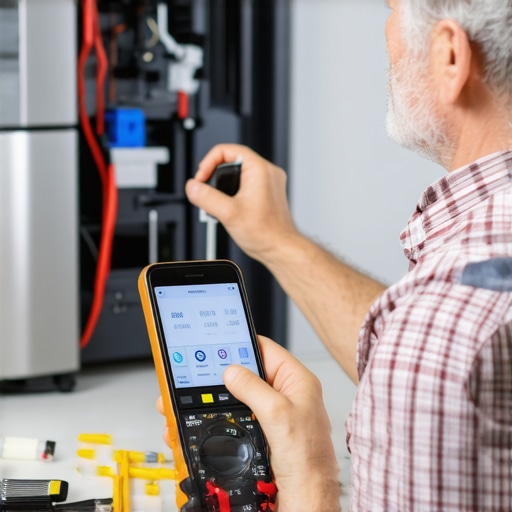
Visualize your maintenance setup with this diagram of essential tools and routine checks that prolong appliance life. Proper care extends beyond simple cleaning—think firmware updates and diagnostic monitoring. Incorporate these practices, and you’ll keep your home running smoothly for the long haul.
The Hardest Lesson I Learned About Protecting My Clothes in the Laundry
Once, I believed that selecting the gentle cycle and avoiding overloading my washer was enough. However, I overlooked the drum material’s role in fabric care. Discovering that stainless steel drums are gentler than plastic ones was a game-changer, preventing countless tears and frays in my favorite outfits.
Why I No Longer Rely on Just Labels and Default Settings
Initial assumptions led me to trust generic cycle labels blindly. After experimenting, I realized customizing spin speeds and cycle durations based on fabric delicate levels significantly extended my clothes’ lifespan. This personal tweak made all the difference in my laundry results.
How Regular Maintenance Saved My Wardrobe and Budget
Cleaning filters, running vinegar cycles, and inspecting seals became routine. These simple steps prevented damage caused by dirt and mineral buildup, saving me from costly repairs and ensuring my clothes stayed pristine longer. Maintenance isn’t just about appliances—it’s about protecting what we cherish.
Where My Search for the Perfect Washer Led Me
Researching brands like LG and Samsung, I found that models emphasizing gentle drum design and customizable cycles suited my needs best. Their innovative features, like fabric softening options, protected my wardrobe while delivering excellent cleaning. Investing in quality appliances pays off in the long run.
My Unexpected Insight on Smart Features and Fabric Care
While exploring smart washers, I discovered that firmware updates and diagnostic tools help maintain optimal performance, preventing issues before they escalate. Embracing technology isn’t just about convenience—it’s about empowering us to care for our clothes more thoughtfully. To get started, check out this guide.
Curiosity Killed the Myths I Stumbled Upon
Many misconceptions, like high wattage equating to better performance, misled me. I learned that drum design and cycle optimization matter far more. Also, smart appliances require proper integration; connecting your smart fridge or washer thoughtfully ensures you benefit from their full potential. Read more about these nuances in this resource.
Tools and Habits That Keep My Appliances and Clothes Happy
I use a multimeter to check electrical issues and conduct routine cleaning with vinegar and baking soda. These habits, combined with firmware updates for my smart appliances, keep everything running smoothly. Consistent maintenance is a small effort with enormous rewards, including longer appliance life and better laundry results.
Empowered to Make Smarter Choices Today
My journey taught me to look beyond surface features and understand the science behind appliance durability. By applying these lessons, you can protect your clothes, save money, and enjoy a smoother home experience. Ready to give your appliances a new lease on life? Dive deeper into smart features and maintenance tips in this comprehensive guide.
Your Turn to Elevate Your Laundry Routine
Have you ever faced unexpected damage after washing? What adjustments have you made to better care for your clothes? Share your experiences below—I’d love to hear how you’re protecting your wardrobe with smarter appliance choices!