
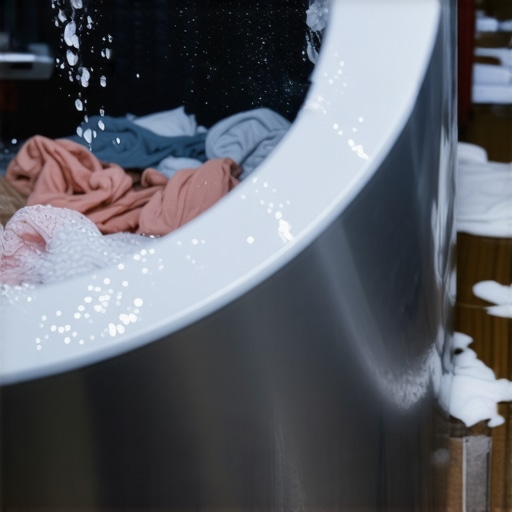
Have you ever stood in front of your washing machine, expecting crisp, dry clothes, only to be greeted by soggy, damp garments that seem to cling to life? I remember a time when I thought my trusty washer had suddenly decided to betray me. The frustration was real—each load ended with clothes still dripping, and I couldn’t figure out what I was doing wrong. That lightbulb moment hit me hard: it wasn’t about the laundry load itself, but a hidden glitch in the machine that I didn’t understand at first.
When the Spin Ends, But Your Clothes Stay Wet
That sinking feeling of pulling out wet clothes after a cycle is more common than you might think. It turns out, there are several reasons why your clothes might still be damp, and addressing these can save you a lot of time, energy, and frustration. Today, I promise to share the most common culprits and simple fixes based on my own experiences and some expert advice. By the end, you’ll know exactly what to check and how to troubleshoot this pesky problem effectively.
Is Your Washer Actually the Problem?
One mistake I made early on was assuming the issue was with my clothes or washing detergent. It’s tempting to blame the laundry—maybe I overloaded the machine or used too much soap. But the truth is, many times, the culprit is a mechanical or electronic glitch within the washer itself. Sometimes, the spin cycle isn’t functioning correctly because of a faulty belt, a worn-out motor, or an electronic control board malfunction. Ignoring these signs can lead to more than just damp clothes; it can cause bigger machine trouble down the line. Expert advice emphasizes regular maintenance to keep your washer and dryer working seamlessly.
Inspect the Drive Belt
First, unplug your washer and locate the drive belt, which connects the motor to the drum. Look for signs of wear, fraying, or if it has slipped off its pulley. I once found a snapped belt after a long day, and replacing it restored my washer’s spinning ability. If the belt is damaged, consult your user manual or a technician for replacement instructions.
Replace the Drive Belt
To replace, remove the agitator if necessary, loosen the tension pulley, and install the new belt in the correct position. Be cautious: a loose or broken belt will prevent the drum from spinning effectively. For detailed guidance, check trusted repair resources or videos tailored to your washer model.
Test the Motor and Motor Coupling
The motor drives the belt, so if the belt looks fine, the motor might be the issue. Listen for humming sounds when attempting to spin; silence could indicate motor failure. Sometimes, the motor coupling connects the motor to the transmission; a broken coupling means no spin. I discovered a failed coupling by observing the tub not turning during the spin cycle.
Replace the Motor or Coupling
Replacing the motor involves disconnecting wires and removing mounting bolts—consider consulting an appliance repair professional if you’re unfamiliar. The motor coupling is usually a small plastic piece; replacing it is straightforward but critical. Regular maintenance helps prevent these failures, ensuring your washer continues to save water and energy.
Check the Lid Switch and Door Lock
The washer’s safety lock prevents spinning if the lid or door isn’t properly closed. A faulty switch might falsely detect an open lid, halting the cycle. I learned this firsthand when my lid switch wore out, causing constant interruptions. Test the switch with a multimeter or replace it if faulty.
Replace or Realign the Switch
Access the switch by opening the control panel or lid. If it’s damaged or misaligned, replace or adjust it according to your model’s guide. Ensuring the lid lock is secure will enable the spin cycle to proceed smoothly, saving you from damp laundry and repeated loads.
Evaluate the Transmission and Bearings
If the belt and motor are functioning, but the drum still doesn’t spin, the issue could be with the transmission or bearings. Worn bearings can cause excessive noise and prevent proper spinning. This is akin to a wheel that wobbles and stalls—warning signs that maintenance is needed.
Addressing Worn Bearings
Replacing bearings is complex—often requiring partial disassembly of the drum. Unusual sounds during a spin cycle or a burning smell are signals to seek professional help. Regularly inspecting and lubricating components can extend your washer’s lifespan and prevent damp clothes.
Many homeowners assume that modern appliances like refrigerators, washing machines, and dishwashers are infallible or straightforward in their operation. However, there’s often a common misconception that could lead you to overlook crucial nuances. For instance, a prevalent myth is that newer, high-tech models don’t require regular maintenance, which isn’t true. Regularly inspecting and understanding these appliances’ nuanced functionalities can prevent costly repairs and prolong their lifespan. Moreover, the appeal of smart appliances with connectivity features sometimes leads users to rely solely on app notifications without understanding their limitations—this can cause missed alerts or misdiagnoses of issues.
Why Do Most People Overlook the Subtle Signs of Malfunction?
One advanced mistake is ignoring the early warning signs that a component is failing, such as slight increases in noise levels or unusual vibrations. For example, a slight wobble in a refrigerator’s compressor can indicate impending failure, but many dismiss it until it causes a complete breakdown. Experts suggest paying attention to these subtle cues and consulting reputable sources like industry tips on selecting refrigerators for better awareness. Additionally, relying solely on digital diagnostics without manual inspections can be misleading, as electronic error codes sometimes fail to capture mechanical wear. Always combine tech diagnostics with regular physical checks to stay ahead of issues.
Beware the Silent Killers in Your Home Appliances
Many users fall into the trap of dismissing minor inconveniences, such as a slightly longer cycle time or a marginal increase in energy consumption. Overlooking these signs can lead to more significant failures, like a total compressor failure in a refrigerator or a damaged drive belt in a washing machine. An example is the misconception that a dishwasher’s poor drying performance is merely a defect in the rinse cycle, but often, it stems from a clogged filter or malfunctioning heating element—both solvable with proper maintenance. To avoid these pitfalls, consider routine checkups informed by expert advice, and stay mindful of the latest water-saving tips for washing machines and other appliances.
How Smart Are Your Smart Appliances Really?
For the tech-savvy, there’s a temptation to believe that smart appliances will automatically solve all household issues. However, many users are unaware of the subtleties in software updates, network stability, and integration compatibility. An often-overlooked aspect is that firmware updates might introduce new bugs or disable features if not properly installed, leading to confusion and frustration. According to experts on smart home integration, maintaining an understanding of these digital aspects is critical. Ensuring your smart appliances are correctly configured and up-to-date helps maximize their efficiency without falling prey to common pitfalls.
In summary, while household appliances today appear to operate flawlessly, understanding the nuanced mechanisms, paying attention to subtle signs of wear, and avoiding common myths can save you money and extend their service life. Think you might be falling into one of these traps? Share your experience in the comments below!
Invest in Quality Maintenance Tools for Longevity
Personally, I rely on a few specialized tools that have saved me time and money in the long run. A digital multimeter is essential for diagnosing electrical issues in appliances like washing machines and refrigerators. I use a sturdy, reliable multimeter from Fluke, which provides precise readings of voltage, resistance, and continuity. This tool helps me quickly identify faulty sensors, blown fuses, or bad connections without needing to call a repair technician immediately.
Another must-have in my toolkit is a flexible inspection camera. When dealing with hard-to-reach areas such as the inside of a dishwasher or the back of a refrigerator, a small inspection camera allows me to visually assess components without disassembly. I personally prefer models with LED lighting and a screen, as they make it easier to detect mold, debris, or broken parts.
Embrace Smart Monitoring Devices
Beyond physical tools, I recommend integrating smart monitoring devices into your appliance maintenance routine. Smart plugs, for example, help track energy consumption patterns, alerting you to potential issues like faulty motors or heating elements. I use a smart plug with energy monitoring features from TP-Link, which syncs with my smartphone to notify me if a washing machine unexpectedly consumes more power during a cycle—an early sign of motor or bearing problems.
Similarly, smart sensors placed in refrigerators can monitor temperature fluctuations and door seals. These sensors alert you when temperatures drift outside optimal ranges, preventing food spoilage and signaling potential compressor or gasket failures. Combining these digital tools with routine visual inspections enhances your capacity to maintain appliances proactively.
Schedule Regular Maintenance Routines
Consistent upkeep is vital. I set monthly reminders to clean filters, check hoses for leaks, and examine belts for wear. For example, regularly flushing out dishwasher filters prevents buildup that can strain pump systems, extending appliance lifespan. Using recommended cleaning agents—like a vinegar soak for lime scale—keeps internal parts functioning smoothly.
In addition, I treat appliance manuals as invaluable resources. Modern appliances often have diagnostic modes accessible via software or hardware interfaces, helping pinpoint issues before they escalate. For instance, some smart washing machines allow you to run self-diagnostics through their companion apps, providing detailed reports that guide repairs or maintenance actions.
Look Ahead at Emerging Trends
Looking to the future, I believe this trend toward smart, connected maintenance will accelerate. Devices that can self-diagnose and even auto-schedule repairs could become standard, reducing downtime considerably. Industry experts predict that AI-driven diagnostics will enhance appliance reliability, making proactive upkeep accessible to the average homeowner.
So, I encourage you to try integrating a smart sensor or energy monitor with your appliances today. It’s a small step that can significantly extend their lifespan and improve performance. For comprehensive guidance on selecting the right smart devices, consider exploring top smart appliances for 2025.
The Hardest Lesson I Learned About Smart Appliances
One of the most valuable lessons I discovered was that even the most advanced smart appliances require regular attention and understanding. I once trusted my smart refrigerator to alert me of any issues, only to realize I had neglected firmware updates, which led to connectivity problems. This experience taught me that technology serves us best when I actively stay informed and maintain my devices, rather than expecting them to operate flawlessly out of the box.
3 Myths About Home Appliances That Could Hold You Back
For years, I believed that newer appliances were entirely maintenance-free, which isn’t true. The myth that smart appliances don’t need regular checks can lead to sudden breakdowns. Another misconception was that electronic diagnostics replace regular physical inspections—combining the two is what truly keeps your appliances running smoothly. The third falsehood is assuming that all appliance brands have equal longevity; in reality, some brands prioritize durability and support better than others. Avoiding these myths has helped me extend the lifespan of my home devices significantly.
What Industry Experts Won’t Tell You About Your Washer and Fridge
Many professionals emphasize routine maintenance, yet they seldom warn about subtle signs of wear, like increased energy use or slight noises that seem insignificant. These small cues can be precursors to costly repairs if ignored. I learned to pay close attention to these indicators by monitoring my appliances’ performance changes over time. Industry insiders also suggest investing in quality maintenance tools and digital monitoring devices—these empower you to spot issues early and avoid unexpected failures. Incorporating their advice has transformed how I care for my appliances, making maintenance less daunting and more proactive.
My Essential Toolkit for Appliance Care
I rely on a trusty multimeter from Fluke for electrical diagnostics—knowing the state of fuses, sensors, and wiring helps me troubleshoot efficiently. Additionally, I use a flexible inspection camera to peek inside hard-to-reach areas, saving me hours of disassembly and guesswork. Incorporating smart monitoring devices, like energy-use sensors for my washer, provides real-time alerts about potential problems. These tools have been game-changers, giving me confidence to handle repairs myself or make informed decisions when consulting professionals.
Rise to the Challenge with Smart Maintenance
The future of appliance care is exciting, with AI-powered diagnostics and automated alerts becoming more accessible. I encourage you to explore smart sensors and energy monitors—small investments that can save you money and frustration. Taking control of your appliance health today means fewer surprises tomorrow. Are you ready to adopt smarter maintenance habits and keep your appliances functioning at their best? Share your experiences or questions below, and let’s grow together in this journey of proactive home care!
,