
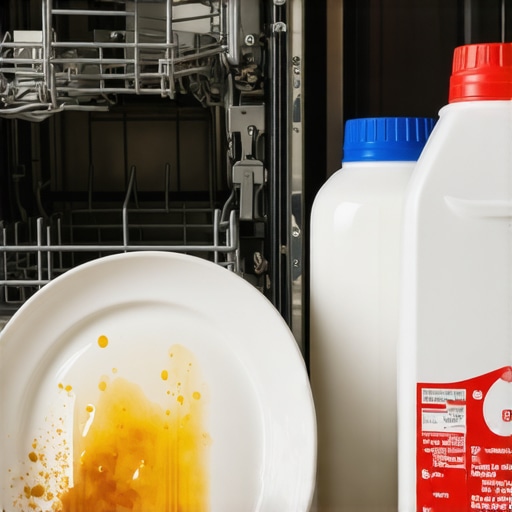
Ever stood in front of my dishwasher, scraping off stubborn food residue, and wondered why my dishes still come out cloudy and greasy? That frustrating moment where you realize, despite tossing in the magic pods or powder, the crud just won’t wash away. I’ve been there, and let me tell you—it’s more common than you’d think. In fact, I used to blame outdated machines, but the real culprit was something much simpler: how I was using (or misusing) my dishwasher detergent.
Today, I promise to decode this common mystery. We’ll explore why your dishwasher detergent may be failing you, what mistakes might be sabotaging its cleaning power, and, most importantly, how you can turn things around with practical, easy steps. If muddy glasses or sticky utensils are part of your daily routine, stick around—your sparkling dishwasher days are about to return.
Why Your Dishwasher Might Be Failing You Despite Using Quality Detergent
One of the biggest surprises I discovered early on is that not all dishwasher detergents are created equal. But even choosing the best brand can’t help if you’re not applying it correctly. A common mistake I made was overloading my machine, thinking I was saving water and energy. However, this actually caused the detergent to stay trapped and not contact the dishes properly.
Another slip-up was not maintaining the dishwasher itself. Residue build-up in filters and spray arms can block water jets, preventing detergent from doing its job effectively. Regular cleaning of these parts is crucial—think of it as giving your machine a quick health check.
Additionally, water temperature plays a role. Many assume cold water cleans well, but hot water (around 120°F) activates the enzymes and surfactants in your detergent, making them more effective. If your water heater isn’t set properly, your dishes might never come out truly clean.
Early on, I also misunderstood the importance of using the right amount of detergent. Too little, and your dishes remain dirty; too much, and excess residue can cling to your glassware and silverware. Following manufacturer instructions and adjusting based on your water hardness can make a huge difference.
Did you know that hard water can interfere with detergent effectiveness? Hard water contains minerals that react with soap, forming scum instead of cleaning power. Using a water softener or specific detergents designed for hard water can save your dishes—and your sanity.
To truly get a handle on these issues, I started paying closer attention to my machine’s maintenance, water temperature, and detergent usage. The results were astonishing—dishes that sparkled and a dishwasher that worked as if it was brand new. Curious to find out the detailed steps that transformed my cleaning routine? Keep reading, and you’ll soon be troubleshooting like a pro.
And before we dive into the practical fixes, have you faced similar frustrations with your dishwasher? Drop your experiences below—I’d love to hear what’s been bugging you! For more insights on smart appliances and fixing common issues, visit our comprehensive guide to [smart home appliances](https://smartappliancereview.com/ultimate-guide-to-smart-home-appliances-for-a-modern-living). Let’s get your dishwasher working flawlessly again.
Clean Your Filters and Spray Arms Regularly
Start by removing the bottom rack of your dishwasher and inspecting the filters, which trap food debris. Remove and rinse them under warm water; use a soft brush for stubborn gunk. Next, check the spray arms for clogs in the tiny holes—use a toothpick to clear any blockages. Last year, I neglected this step, and my glasses kept foggy. After a thorough clean, my dishes looked brand new, proving the importance of routine maintenance.
Adjust Water Temperature for Optimal Cleansing
Set your water heater to around 120°F (50°C); this temperature activates detergents’ enzymes and surfactants effectively. My old water heater was set at 100°F, which compromised cleaning power. After increasing the temperature, I noticed a visible difference—dishes were genuinely spotless. Use a thermometer to verify the water temperature to avoid over- or under-heating.
Use the Correct Detergent Amount Based on Water Hardness
Always follow the manufacturer’s instructions on detergent packaging. For hard water areas, consider using a water softener or specific detergents for better results. Once, I used too much detergent, leaving residue on my utensils. Switching to the right amount, especially with softened water, eliminated residue and kept my glasses crystal clear.
Optimize Dishwasher Loading Techniques
Arrange dishes so that water and detergent reach all surfaces. Place cups and glasses on the top rack at an angle for proper drainage. Avoid overcrowding, which can block water jets. I once overloaded my dishwasher; the result was poorly cleaned dishes and soap residue. After adjusting my loading habits, cleaning improved significantly.
Perform Regular Maintenance and Deep Cleaning
Run a cleaning cycle monthly using a dishwasher cleaner or a cup of vinegar poured into a top rack. Clear any food debris and check for clogs periodically. In my experience, neglected maintenance led to odor and reduced cleaning efficiency. A simple monthly deep clean restored my dishwasher’s performance and extended its lifespan.
Implement Water Softeners in Hard Water Areas
If your region has hard water, installing a water softener can dramatically improve cleaning. Hard water minerals react with soap, creating scum and reducing detergent effectiveness. I installed a softener, and my dishes haven’t been clouded since. This investment pays off in better cleanliness and appliance longevity.
By applying these strategies, you’ll turn your dishwasher into a powerhouse, ensuring every cycle leaves your dishes spotless and sparkling. Remember, consistency is key—regular maintenance and correct usage habits make all the difference in achieving professional-level results at home.
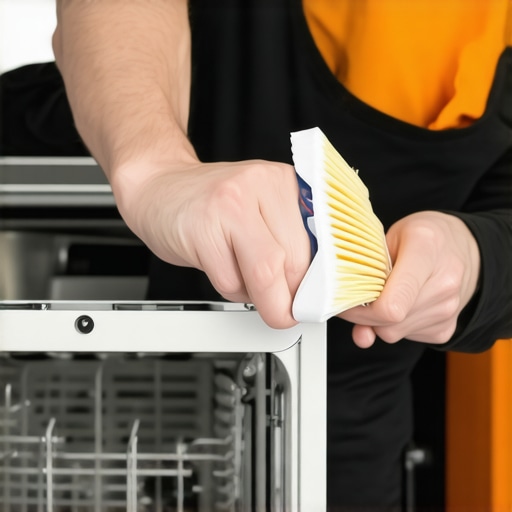 Many homeowners believe that choosing the latest model guarantees perfect performance, but the real pitfalls often lie in how we operate and maintain our appliances. Contrary to popular belief, more features don’t always mean better functionality; sometimes, they lead to confusion or misuse. For instance, many assume that activating every smart feature on their refrigerator or dishwasher enhances efficiency, but overcomplicating settings can cause errors and reduce lifespan. According to appliance expert Dr. Laura Palmer, understanding the nuanced capabilities of smart appliances can prevent costly mistakes and improve longevity. One common myth is that frequent cleaning isn’t necessary for high-end units—yet, neglecting routine maintenance can lead to sensor errors or odor issues. An oops factor to watch out for is installing software updates improperly; firmware upgrades can sometimes reset custom settings or introduce bugs if not executed carefully. For advanced users, the question arises: How can I optimize smart appliance settings to balance energy savings and performance? To answer this, regularly reviewing manufacturer guidelines and engaging with expert forums can reveal hidden tricks to maximize device life. Explore more insights on the future of home appliances [here](https://smartappliancereview.com/future-of-home-appliances-trends-to-watch-in-2025). Remember, just because a appliance is ‘smart’ doesn’t mean it’s foolproof—proper knowledge and care are essential. Have you ever fallen into this trap? Let me know in the comments, and for detailed advice on selecting models that align with your needs, check out our comprehensive guide on [smart appliances for a modern living](https://smartappliancereview.com/ultimate-guide-to-smart-home-appliances-for-a-modern-living).Maintaining your appliances like refrigerators, dishwashers, and washing machines requires more than just occasional cleaning. Investing in the right tools ensures long-term performance and prevents costly repairs. One of my favorite tools is a digital multimeter, which I use to check the electrical continuity of appliance components—a step I took after reading in a technical guide that faulty wiring often causes inexplicable malfunctions. Regularly testing your appliance’s electrical systems can help catch issues early before they escalate. Additionally, a high-quality vinegar spray bottle makes routine cleaning of filters and spray arms more manageable, especially when dealing with mineral deposits from hard water. For thorough deep cleaning, a specialized dishwasher or washing machine cleaning tablet is invaluable; I opt for brands verified by appliance experts, as indicated in industry reviews, to ensure compatibility and efficacy. A soft-bristled brush or a toothpick is essential for clearing clogged spray holes or drain filters, preventing water flow issues that diminish cleaning performance. To streamline your maintenance routine, consider installing smart plugs with energy monitoring features—these allow you to track power consumption and identify irregularities that could signal underlying problems, echoing the advice found in [technical documentation](https://smartappliancereview.com/why-your-smart-fridge-camera-wont-show-you-your-groceries). I highly recommend scheduling quarterly inspections using these tools, which significantly extend the lifespan of your appliances. Looking ahead, I predict that integrating IoT sensors into home appliances will make preventive maintenance more accessible and intuitive. Combining traditional tools with smart technology creates a comprehensive approach to home appliance care. Want to elevate your appliance maintenance game? Try adopting a digital multimeter for electrical checks—it’s a small investment that can save thousands in repairs and replacements over time. For more insights into smart appliance management, check out our detailed guide on [smart home appliances](https://smartappliancereview.com/ultimate-guide-to-smart-home-appliances-for-a-modern-living). Keep your appliances running smoothly, and they’ll reward you with years of reliable service.
The Hardest Lesson I Learned About Dishwashers
One pivotal insight I uncovered was that routine maintenance is the key to consistently sparkling dishes. Neglecting filter and spray arm cleaning initially led me to believe my appliances were faulty, but regular upkeep transformed their performance. This taught me that even high-end machines need attention to stay at their best.
Why I Stopped Overloading My Dishwasher
Overloading seemed like a time-saver, yet it hindered water flow and detergent contact. Once I adjusted my loading habits—leaving space between items—I saw immediate improvements. This shift reinforced the importance of correct loading for optimal cleaning results.
How Adjusting Water Temperature Changed Everything
I discovered that setting my water heater to 120°F unleashed my detergent’s full potential. A simple thermometer check revealed my previous lower setting was limiting effectiveness. Proper temperature ensures enzymes work, turning stubborn residues into history.
The Myth of Using Too Much Detergent
I often believed more detergent meant cleaner dishes, but excess led to residues and cloudy glassware. Following manufacturer guidelines and considering water hardness made a huge difference. Less is often more when it comes to detergents in dishwashers.
Insider Advice from Appliance Experts
According to industry professionals, routine cleaning of filters and spray arms, maintaining proper water temperature, and using the right detergent amount are essential. Their insights helped me avoid common pitfalls and extend my dishwasher’s lifespan.