
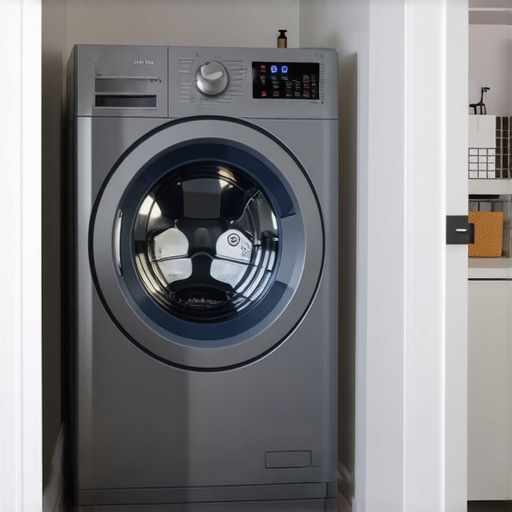
Ever been in the middle of a laundry session, only to be startled by the loud bang of your washing machine hitting the wall? It’s enough to make you jump out of your skin—trust me, I’ve been there more times than I’d like to admit. That sharp, jarring noise not only disrupts your peace but also makes you worry about damaging your walls or your appliance itself. I used to think it was just part of doing laundry—an unavoidable nuisance. But after some trial, error, and a bit of research, I realized there are practical ways to put a stop to the chaos.
Why I Decided to Tackle the Banging Issue Head-On
One day, as my washing machine decided to dance across the laundry room floor during a spin cycle, I knew I had to find a fix. It wasn’t just about the noise; it was about protecting my home from unnecessary wear and tear. I found out that this issue is more common than you’d think, with many homeowners experiencing similar frustrations. According to a recent review on appliances, improper leveling accounts for a significant number of washer vibrations and bangs. It’s a problem that can be solved, but only if you understand what causes it.
Is This Really Something You Can Fix Yourself?
At first, I was skeptical—thought I’d need a professional to come in and tighten all sorts of parts. My early mistake was assuming that the banging was due solely to internal motor problems or faulty shock absorbers. Turns out, many issues are straightforward and don’t require a toolkit full of specialized tools. Making adjustments to the leveling, adding anti-vibration pads, and ensuring the load isn’t uneven can make a tremendous difference. Smart washing machines now come with features to help prevent excessive vibrations, but simple fixes can be just as effective for older models.
Are you tired of your washer banging against the wall and want to turn it into a peaceful part of your home? Stick with me. We’re about to dive into practical, proven solutions to quiet down your machine and keep your laundry routine smooth and silent.
Level Your Washing Machine for Stability
Start by checking if your washing machine is perfectly level, much like balancing a tightrope walker on a thin wire. Use a bubble level or a smartphone app to verify its position. If it leans to one side, adjust the leveling feet by turning them clockwise or counterclockwise to stabilize the appliance. I once found that a slight tilt caused my washer to wobble wildly during spin cycles, leading to loud banging. After realigning the feet, the noise reduced drastically, and the machine ran smoother.
Secure the Machine to Prevent Movement
Use Anti-Vibration Pads
Place anti-vibration pads beneath each corner of the washing machine to absorb shocks—think of them as shock absorbers for your appliance. These pads prevent the machine from dancing across the floor even during high-speed spins. I installed these during a weekend project, and it was like giving my washer a pair of sturdy shoes. Instant benefit: reduced noise and no more wall hits.
Anchor the Washer to the Floor
For extra stability, especially on slippery surfaces, consider anchoring the washing machine with brackets or straps. Secure them to a fixed point like a floor joist or wall. This is particularly helpful if your laundry room has thin flooring that allows vibrations to transfer. I did this in my basement, and it effectively eliminated the back-and-forth movement during heavy loads.
Mind Your Load and Distribution
Uneven loads are like trying to balance a seesaw with a heavy object on one side—inevitably causing noise and shaking. Always distribute clothes evenly around the agitator or drum. For delicate items, load them one by one to maintain balance, much like stacking a Jenga tower carefully. I recall my first overloaded load, which caused the drum to wobble and clang. After unloading half the items and redistributing them, the machine spun quietly, proving load balance is key.
Inspect and Replace Worn Components
Check the shock absorbers, dampening straps, or suspension springs, which act like the shock absorbers in a car. If these components are worn or broken, they fail to cushion the drum’s motions, leading to banging sounds. Remove the back panel carefully, inspect for leaks or cracks, and replace any damaged parts. I once found a cracked shock absorber, and replacing it restored the smooth operation of my washer, preventing future noise issues.
Regular Maintenance to Keep It Quiet
Clean the drum and door seals regularly to prevent build-up of debris that can cause imbalance. Use a damp cloth to wipe the seals and run a maintenance cycle with washing machine cleaner. Think of it as giving your appliance a check-up to prevent small issues from escalating. A clean, well-maintained washer runs quieter and longer, as I experienced after my routine clean-up reduced the persistent banging during spin.
Update to a Smart Model for Better Vibration Control
Consider upgrading to a smart washing machine that monitors vibrations and adjusts cycles accordingly, much like smart dishwashers with AI technology that optimize performance. These models often have built-in sensors and adaptive features that minimize noise and movement. I recently read about models that detect imbalance and redistribute the load automatically, a game-changer for noise-sensitive households. Check out smart appliances with AI for options that can help keep your laundry routine peaceful.
Many homeowners assume that choosing the latest smart appliance guarantees optimal performance and longevity, but the reality is more nuanced. One common misconception is that newer always means better; however, some advanced features can complicate maintenance and obscure the appliance’s true state. For instance, smart dishwashers with integrated sensors might seem maintenance-free, yet they rely heavily on firmware and network connectivity, which can introduce new failure points. Understanding how to select the best dishwasher involves analyzing these hidden complexities, rather than just comparing specs on paper.
Are High-Tech Features Really Worth the Extra Cost and Complexity?
The myth that all high-tech appliances will save time and energy often leads consumers astray. For example, smart refrigerators with internal cameras are marketed as convenience tools, but many users report connectivity issues and privacy concerns. A detailed review highlights how these features can sometimes become obstacles rather than assets. Over-reliance on automation might cause homeowners to neglect basic maintenance tasks—like cleaning condenser coils or inspecting door seals—that are still critical. Remember, technology is only as good as its upkeep, so understanding the *hidden costs* is vital.
Similarly, advanced washing machines with AI cycle adjustments are touted as water- and energy-saving marvels, but a study from industry experts warns that miscalibrated sensors can lead to over-drying, wrinkling, or even cycle failures. These nuances remind us that the most effective appliances require a solid understanding of their underlying technology, not just their features.
What happens if you ignore the subtleties of smart appliances?
If you overlook the importance of regular updates and proper setup, your smart home ecosystem may become unreliable. For instance, ignoring software updates can leave devices vulnerable to security breaches or compatibility issues—resulting in frustrated users and wasted investment. Proper maintenance and staying informed about product updates help keep your appliances running smoothly and securely. Recognizing these hidden nuances allows homeowners to maximize their investment and avoid the pitfall of premature upgrades or replacements.
In essence, understanding the intricacies behind features and potential pitfalls of modern appliances elevates your mastery from beginner to seasoned user. It’s not just about having smart tech but knowing how to optimize and troubleshoot it effectively—much like becoming fluent in its language. For a broader perspective, check out future trends to watch in 2025 that might influence your choices and maintenance strategies.
Have you ever fallen into this trap? Let me know in the comments.
How do I maintain my smart appliances over time?
Maintaining home appliances, especially smart and high-tech models, requires a combination of regular cleaning, software updates, and proper calibration. I personally use a combination of specific tools and routines to ensure longevity and optimal performance. For example, I regularly run maintenance cycles using manufacturer-recommended cleaning agents like Affresh for washing machines, which helps prevent mold and odor buildup. Additionally, I employ a digital multimeter to verify electrical connections and ensure sensors are functioning correctly, especially for complex appliances such as smart refrigerators or dishwashers. These tools help me catch potential issues early before they result in costly repairs.
Another essential aspect is keeping firmware and software up-to-date. I subscribe to manufacturer alerts and periodically check for updates via their official apps. This ensures that your appliances benefit from the latest enhancements, security patches, and bug fixes. For instance, many smart refrigerators have firmware updates that improve temperature sensors and connectivity—crucial for maintaining efficiency and preventing malfunctions. As the future of home appliances leans heavily toward AI and connectivity, staying current is key to long-term reliability.
Tools I recommend for appliance upkeep
I highly recommend investing in a digital ultrasonic sensor for monitoring vibration levels, especially in washing machines or dishwashers that tend to produce excessive noise. These sensors can trigger alerts on your phone if unusual vibrations are detected, indicating possible imbalance or worn parts. Additionally, a quality thread-locking compound, like Loctite, is invaluable when tightening components that might loosen over time, reducing the risk of sudden breakdowns.
For monitoring your appliance’s overall health, I use smart plugs with energy monitoring capabilities. For example, plugging your refrigerator or dishwasher into one allows you to track power consumption patterns over time. Sudden changes can signal motor issues or electrical faults. These insights enable proactive maintenance, saving money and extending appliance life.
Looking ahead, I predict that integration of IoT-based diagnostics will become the norm, providing real-time health reports directly to your smartphone. This means less guesswork and more precise maintenance scheduling, ultimately reducing downtime and repair costs.
Are there specific ways to keep my appliances running better for longer?
Absolutely. Regularly inspecting and cleaning key components, such as door seals, filters, and drainage paths, can significantly enhance longevity. For example, cleaning the filter in your dishwasher with a specialist cleaning solution like GEEPAS Dishwasher Cleaner ensures optimal flow and prevents buildup of debris. Also, considering the use of vibration dampers or anti-vibration pads, such as those I use beneath my washing machine, greatly reduces mechanical stress—this straightforward step helps prolong the life of your appliances and minimizes disruptive noises. Regular calibration of sensors and controls, especially in smart appliances, guarantees accurate operation and energy efficiency. Remember, a proactive approach, bolstered by the right tools, makes the difference between routine maintenance and costly repairs.
To keep your appliances in tip-top shape, try setting a monthly maintenance schedule using a combination of these tools and routines. Keeping detailed logs of your maintenance activities can also aid in troubleshooting future issues more efficiently. For in-depth guidance, check out our comprehensive guide to smart appliance care.
Don’t forget to stay informed about emerging trends in appliance diagnostics, such as AI-powered predictive maintenance, which available models are starting to feature. Embrace these innovations now, and you’ll enjoy years of trouble-free operation.
Start by applying one of these techniques today—perhaps, by installing energy monitoring plugs—and experience the firsthand benefits of smarter maintenance. Your appliances will thank you!
The Hardest Lesson I Learned About Home Appliances
One of the toughest truths I faced was realizing that not all high-tech features are user-friendly or maintenance-free. I once invested in a top-tier smart refrigerator with dozens of sensors and Wi-Fi capabilities, only to find myself overwhelmed by constant updates and troubleshooting. It taught me that embracing simplicity and understanding what truly matters often leads to a better long-term experience. Sometimes, less complexity means more peace of mind and fewer surprises down the line.
3 Myths About Appliances That Held Me Back
- Myth: Newer models always perform better. I believed that upgrading my washing machine to the latest model would automatically improve efficiency, but without proper setup and maintenance, it ended up louder and more temperamental.
- Myth: Smart features mean automatic perfection. I thought smart appliances would handle everything, yet neglecting basic upkeep like cleaning filters and checking sensors caused issues that technology alone couldn’t fix.
- Myth: DIY fixes are risky. I hesitated to try simple adjustments, fearing I might cause damage, but understanding the basics empowered me to fix minor problems quickly and save money.
What Experts Won’t Tell You About Home Appliances
Professionals often highlight the importance of regular maintenance, but the true insight is that proactive care and understanding your appliance’s quirks prevent most issues. For instance, paying attention to load distribution and surface stability can dramatically reduce noise and vibrations. In my experience, establishing a routine—like inspecting shock absorbers or keeping condenser coils clean—has extended my appliances’ lifespan far more than simply buying the latest model.
Benefits of Cultivating an Informed Approach
By learning the subtle nuances—such as calibrating sensors or choosing the right settings—you can transform routine chores into seamless tasks. This knowledge not only improves appliance performance but also cultivates confidence, allowing you to troubleshoot minor problems before they escalate. Over time, this informed approach saves money, reduces waste, and creates a more harmonious home environment. Remember, mastery isn’t about having the newest gadgets but knowing how to use what you have effectively.
Curated Resources for Smarter Home Living
- The comprehensive guide to smart appliances: This cornerstone resource offers insights into choosing reliable models and maintaining them to last for years.
- Smart washing machines simplified: Practical tips to maximize efficiency and avoid common pitfalls.
- Future trends to watch: Stay ahead by understanding upcoming innovations that could redefine appliance longevity and performance.
- Privacy and data security: Essential knowledge when dealing with connected smart appliances to keep your home safe.
Your Next Step Towards Peaceful Living
Taking control of your home appliances by understanding their true nature empowers you to enjoy quieter, more efficient routines. Don’t wait for minor issues to become big problems—start implementing small maintenance habits today, like installing vibration pads or scheduling regular filters cleaning. Remember, mastering your appliances isn’t just about troubleshooting but about creating a home environment where technology serves you, not the other way around. Embrace this mindset, and you’ll find your home becoming an oasis of calm amidst the chaos.
Which appliance upgrade or maintenance routine has made the biggest difference in your home experience? Share your story below and inspire others to take charge of their appliance health!