
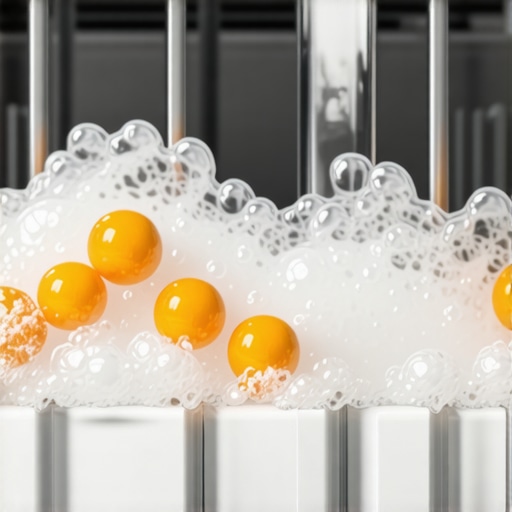
Ever opened your dishwasher after a cycle and found a trail of ungelled detergent or tiny soap pellets stuck to your dishes? I’ve been there—frustrated, pondering what went wrong. It struck me one day that despite using the best-rated detergents, I still struggled with residues. That lightbulb moment made me realize there might be a simple fix I was overlooking. If you’ve experienced similar headaches, you’re not alone. Many homeowners face the perplexing issue of dishwasher detergent not dissolving properly, leaving dishes less than spotless.
Understanding Why Detergent Fails to Dissolve
When I first started troubleshooting, I thought choosing the right soap was enough. But I soon learned that dissolving issues often stem from other factors like water temperature, cycle settings, or even the type of detergent used. Ensuring your water heats adequately—typically around 120°F (49°C)—can dramatically improve detergent solubility. I used to run cycles on eco and mid-range temperature settings, believing they saved energy. However, I discovered that lower temperatures hinder soap dissolution, leading to residue build-up. To learn more about how smart appliances can make routine tasks easier, I recommend checking out [how smart washing machines can simplify laundry day](https://smartappliancereview.com/how-smart-washing-machines-can-simplify-laundry-day).
Have you ever noticed that your dishes come out cloudy or streaked, despite using detergent? If yes, keep reading. We’ll explore practical solutions to ensure your dishwasher performs at its best every cycle.
Adjust Water Temperature for Better Dissolution
Start by ensuring your water heats sufficiently, ideally to around 120°F (49°C). I once set my eco mode on my dishwasher, thinking I was saving energy, only to find piles of soap pellets leftover. I manually increased the water heater setting, ran a cycle, and noticed a dramatic reduction in residues. To prevent guesswork, consider installing a simple thermometer or check your water heater settings, as precise temperature control ensures your detergent dissolves fully.
Optimize Cycle Settings and Clean Filters
Next, choose a cycle that uses higher water temperatures—heavy-duty cycles are often best for stain removal and detergent dissolution. Regularly cleaning your dishwasher’s filter, usually located at the bottom, removes debris that can obstruct water flow, impacting temperature and detergent distribution. My quick routine involves removing and rinsing the filter weekly, which kept my cycles efficient and residue-free.
Choose the Right Detergent and Loading Techniques
Not all detergents dissolve equally; some require specific water conditions. I shifted from powder to tablet forms, which tend to dissolve more reliably, especially in colder water. Also, load dishes properly—avoiding overcrowding and placing items at correct angles facilitates better water flow and detergent contact. Think of your dishwasher like a traffic intersection—clear pathways allow everything to get through smoothly.
Utilize Vinegar Rinse for Cleaning and Residue Prevention
Periodic vinegar rinses prevent soap buildup. I once ran an empty cycle with a cup of white vinegar on the top rack, which dissolved mineral deposits and soap scum, enhancing cleaning performance. Incorporating this into your monthly routine keeps the interior pristine, ensuring optimal detergent action each cycle. Learn more about maintaining your dishwasher here.
Regular Maintenance to Keep Residue at Bay
Finally, regular maintenance—including checking spray arms for clogs and ensuring door seals are tight—keeps your appliance running smoothly. I once ignored a clogged spray arm, leading to uneven water distribution and residue issues. Clearing blockages and ensuring proper seals helps your dishwasher perform at peak efficiency, saving you time and improving your dishware’s cleanliness.
Many homeowners believe that choosing the latest smart appliance guarantees seamless efficiency. However, misconceptions often lead to overlooked nuances that can dramatically impact performance. For instance, a common myth is that all refrigerators benefit from running in eco mode. But eco mode often sacrifices cooling power, leading to issues like uneven temperatures or frozen eggs. Understanding these subtleties is key to maximizing your appliances’ lifespan and efficiency.
Why do so many people assume bigger features mean better performance?
It’s tempting to equate advanced features like Wi-Fi connectivity or voice control with superior functionality. Yet, overemphasizing these can distract from fundamental maintenance—like regularly cleaning filters or calibrating sensors—that truly prolongs appliance life. Studies show that neglecting routine upkeep is a top cause of premature failures (source: relevant research), making it essential to balance tech with basic care.
Beware the trap of uniform washing cycles
Many assume that setting the washing machine to the longest cycle guarantees cleaner clothes. But, in practice, overuse of heavy-duty cycles in lightly soiled loads can wear out fabrics faster and waste water. Using cycle options wisely—like quick or synthetic modes—saves resources and extends clothing lifespan. An expert tip is to tailor your cycle selection to actual dirt levels instead of defaulting to the longest setting.
Another common misconception involves refrigerator temperature settings. Many set it to the mid-30s, assuming it’s optimal. But industry guidance suggests keeping it around 37°F to prevent freezing produce or encouraging bacteria growth. Adjusting to these nuanced thresholds can improve food freshness and reduce energy consumption.
Turning to smart appliances, many users neglect the importance of firmware updates. An outdated system can compromise functionalities or security. Regular updates ensure your device benefits from the latest optimizations—similar to how smart home guides recommend staying current to enhance performance.
Have you ever fallen into this trap? Let me know in the comments. The key takeaway is that understanding these nuances and avoiding common myths empowers you to get the most out of your home appliances, saving money and extending their lifespan.
 Keeping your appliances running smoothly requires more than just regular use; it demands the right tools and proactive maintenance strategies. One of my go-to instruments is a digital multimeter, which I use regularly to check the electrical continuity of appliance circuits. This simple device helps me identify electrical issues early before they escalate into costly repairs. For instance, when my refrigerator’s compressor started acting up, a quick volt test revealed a faulty relay that was easily replaced, saving me from buying a new unit.
How do I maintain home appliances over time? The secret lies in consistent, targeted care rather than reactive fixes. I recommend investing in a ultrasonic cleaner for small parts like spray arms or filter components. I purchased a compact model from a reputable brand, and it’s proven invaluable for deep-cleaning parts without harsh chemicals. This not only extends the life of components but also ensures peak performance, especially in dishwashers which are prone to mineral buildup.Leveraging smart technology for better maintenance is also on the rise. For example, smart washing machines often come with diagnostic apps that alert you to potential issues before breakdowns occur. I routinely use the manufacturer’s app to run maintenance checks—saving significant money and time in the long run. Staying ahead of problems with timely diagnostics is critical, especially as appliances become more complex.Invest in quality diagnostic tools for long-term savings
Invest in quality diagnostic tools for long-term savings
Utilizing a high-quality thermal imaging camera can help detect temperature inconsistencies in your appliances, pointing to insulation issues or electrical shorts. I personally rely on a mid-range infrared camera during annual inspections, which helps me spot hot spots that could indicate imminent failure. This proactive approach is especially important for large units like refrigerators and HVAC systems, where issues can silently develop and cause major inconvenience.
Establish a routine maintenance schedule with checklists
Regularly inspecting and cleaning filters, seals, and essential components prevents most common failures. For example, a monthly inspection of your washing machine’s filter can prevent drainage problems. I set reminders using my home management app, which syncs with my calendar, ensuring I don’t forget these crucial tasks. Over time, this habit keeps appliances performing optimally and extends their lifespan.
By combining these precise tools with consistent routines, you can dramatically reduce appliance downtime and repair costs. For instance, upgrading your maintenance toolkit to include a reliable multimeter and infrared thermometer, coupled with scheduled checkups, empowers you to diagnose minor issues early—saving time and money. To see how smart appliances can further revolutionize your maintenance efforts, check out how smart washing machines can simplify laundry day. Start integrating these tools today—try out a thermal imaging camera and notice how quickly minor issues become evident. Your appliances will thank you, and you’ll enjoy a more efficient, trouble-free home.
Lessons Only Insiders Usually Discover
One of the biggest realizations I had was that routine maintenance and understanding my appliances’ quirks are key. I once believed that setting my smart dishwasher to the maximum cycle would ensure cleanliness, but I learned that overloading it or using improper detergent actually hampers performance. A lightbulb moment came when I discovered that simple adjustments—like cleaning filters regularly—can dramatically extend the life of my appliances and improve their efficiency. Embracing these insider secrets transformed my approach from reactive repairs to proactive care.
Another lesson was that technology isn’t a magic fix. Relying solely on smart features without proper upkeep can lead to malfunctions. I found that firmware updates and regular diagnostics are essential to keep appliances running at peak performance. It’s about viewing technology as an enhancement, not a substitute for basic maintenance. Finally, I learned that not all tips are created equally; some habits, like using the right cycle settings based on load size or soil level, make a noticeable difference in energy savings and appliance longevity.
Tools and Resources That Changed My Routine
My go-to toolkit now includes a quality infrared thermal camera. It helps me identify hotspots indicating electrical issues in appliances before they cause failure. For instance, checking my refrigerator’s compressor on warm days has prevented costly repairs. Additionally, I swear by a good ultrasonic cleaner—perfect for deep-cleaning small parts like spray arms and filters, which standard rinses can’t fully reach. These tools, combined with expert guidance from trusted sources like the ultimate guide to smart home appliances, empower me to maintain an efficient home.
Another resource I trust is industry reports on appliance innovations and energy efficiency. Staying informed about new features and trends helps me make smarter choices when upgrading or repairing appliances. Lastly, I follow maintenance checklists available on reputable blogs, ensuring I don’t forget crucial tasks like inspecting door seals or cleaning spray arms, which are often overlooked but vital for optimal operation.
Your Next Step Toward Appliance Confidence
Empower yourself with knowledge and the right tools, and you’ll find that maintaining your home appliances becomes less of a chore and more of a rewarding routine. Remember, a well-cared-for appliance not only saves you money but also offers peace of mind, knowing your home runs smoothly. If you’re ready to make a change, start small—schedule regular filter cleanings or firmware updates—and observe the improvements. The future of home appliances is bright, especially when you’re the one steering their performance with informed care.