
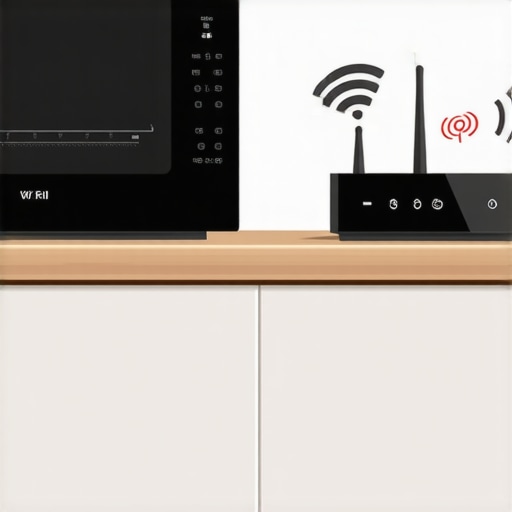
It was a frustrating Sunday morning when I finally decided to upgrade my kitchen with a sleek new smart oven. I was excited about controlling dinner from my phone, staying ahead of busy schedules, and impressing guests with modern convenience. But instead of the promised seamless connectivity, I was greeted with a stubborn error message: “Unable to connect to the hub.” My confidence took a hit. Suddenly, all that high-tech aspiration felt frustratingly out of reach.
Why Your Smart Oven Won’t Connect to the Hub and Why It’s a Big Deal
Imagine prepping dinner while your oven stubbornly refuses to sync with your smart home system. It’s more than an annoyance; it can disrupt your entire cooking routine. Your smart oven isn’t just an appliance—it’s part of your connected home ecosystem. When it fails to connect, it impacts your convenience, energy efficiency, and even the safety features that rely on synchronization.
Early on, I made the mistake of rushing through the setup process without checking my Wi-Fi network’s stability or reading the manufacturer’s instructions thoroughly. I assumed everything would connect seamlessly because, well, technology should just work, right? But that oversight cost me extra hours troubleshooting and a lot of unnecessary stress. Building trust in smart appliances means understanding that they are only as reliable as the network and setup you give them.
If you’ve faced similar issues, you’re not alone. Many users find themselves at a crossroads between cutting-edge convenience and the sometimes unpredictable world of smart home integration. That’s why I want to walk you through the steps I took to fix my connection hiccup, so you can get back to enjoying your smart kitchen without the tech frustration.
And believe it or not, a recent study pointed out that up to 70% of connectivity issues stem from simple, preventable causes like outdated firmware or incompatible networks. For more insights into the future of home appliances and staying ahead of common pitfalls, check out [this eye-opening report on trends to watch in 2025](https://smartappliancereview.com/future-of-home-appliances-trends-to-watch-in-2025).
Now, let’s move past the initial frustration and into the practical fixes that will restore your confidence—and your dinner plans.
Check Your Wi-Fi Network Thoroughly
Start by verifying your Wi-Fi signal strength. Think of your network as the foundation of a house; if it’s weak or unstable, your smart oven can’t build a strong connection. Make sure your router is placed centrally without obstructions, like thick walls or appliances that interfere with signal transmission. I once spent a frustrating hour troubleshooting my oven when I realized my router was tucked behind a cabinet. Moving it to a more open, central spot vastly improved the connection.
Restart Devices to Reset Network and Oven
Exchange the classic troubleshooting, like rebooting a computer. Power off your oven and router completely—wait 30 seconds to allow caches to clear—then turn them back on. This process refreshes network settings and can often resolve minor glitches. I discovered this trick during a cooking session when my oven repeatedly refused to connect; after a restart, it paired instantly. Think of it as giving both your oven and router a quick breath of fresh air.
Update Firmware and App Software
Outdated firmware is similar to old tires on a car—it’s prone to issues and less reliable. Check the manufacturer’s app or website for firmware updates for your oven. Similarly, ensure the app controlling your oven is up to date. Sometimes, an update introduces critical bug fixes and improved connectivity features. I overlooked this step initially, which caused my connection problems; once I updated everything, the pairing was smooth. For a more comprehensive update, contact the manufacturer through their support page.
Ensure Your Network Compatibility and Settings
Not all networks are equal. Ensure your Wi-Fi operates on a compatible frequency band—most smart appliances prefer 2.4 GHz over 5 GHz due to better range. Check your router settings, disabling any guest networks or firewalls that might block device communication. I once used a dual-band router and kept my oven on the 5 GHz band, which caused connection issues. Switching to 2.4 GHz resolved this problem. Think of your network as a highway—smart devices need a clear, unobstructed lane to communicate efficiently.
Reset Your Smart Oven to Factory Settings
If all else fails, a factory reset can clear stubborn glitches. Locate the reset button or menu option—often found in the oven’s settings or on a small pinhole. Press and hold it according to the manufacturer’s instructions—usually 10-15 seconds. During a reset I performed, my oven’s Wi-Fi module was entirely refreshed, allowing a clean, error-free connection upon restart. This step is akin to wiping the slate clean and starting anew, eliminating any hidden software issues.
Double-Check Your Connection with a Different Network
Temporarily connect your oven to a different Wi-Fi network—like a friend’s or a public hotspot—to test if the problem persists. This helps determine if the issue is with your network or the oven itself. I once tested with a mobile hotspot, and the oven connected perfectly, indicating my home network was the culprit. This test saves hours of guesswork and sharpens your troubleshooting process.
Seek Professional Assistance If Needed
If you’ve exhausted all these steps, it’s time to reach out. Contact the manufacturer’s support team or consult a professional technician—sometimes hardware issues or deeper firmware problems require expert intervention. For detailed guidance and support, visit their contact page. Remember, smart appliances are complex, and specialized knowledge ensures you don’t cause accidental damage.
Many homeowners assume that all appliances are designed for simple, trouble-free operation, but this misconception can lead to costly mistakes. A common myth is that newer models automatically mean better performance. In reality, advancements like smart features come with nuances that demand a nuanced understanding. For instance, some believe that energy-efficient refrigerators require no maintenance, but neglecting regular coil cleaning often results in poor cooling and higher electricity bills, as noted by industry experts. Additionally, people tend to overlook the importance of proper calibration in washing machines; incorrect load balancing can cause excessive wear or incomplete cleaning.
One often-ignored nuance in dishwashers is the impact of using the wrong detergent type. Many users stick to regular soap, unaware that high-efficiency models require low-sudsing detergent to prevent residue buildup and malfunction. Failing to switch detergents accordingly can reduce the appliance’s lifespan. For smart appliances, a significant trap is neglecting firmware updates, which can compromise security and functionality. According to a study by cybersecurity researchers, outdated firmware leaves devices vulnerable to hacking and operational bugs, even in trusted brands.
For those considering the latest tech, it’s vital to question whether the added features truly fit your home routine. For example, smart washers with remote diagnostics seem convenient, but they often require continuous internet connectivity and app management skills, which some users find burdensome. An excellent resource to evaluate such features is the comprehensive article on smart home appliances. Taking a deeper dive reveals that many consumers underestimate the importance of proper placement; a poorly located refrigerator can cause excessive condensation or noise issues, as covered in this guide.
Being aware of these subtleties can save you from future headaches and money. Remember, even the most advanced appliances require proper maintenance and setup for optimal performance. Have you ever fallen into this trap? Let me know in the comments.
Keeping Your Appliances in Top Shape with the Right Tools
Ensuring your smart appliances, refrigerators, dishwashers, and washing machines remain functional over the years requires deploying specific tools and adopting proactive maintenance routines. I personally rely on a digital multimeter to verify electrical connections and troubleshoot voltage issues in my smart washer, which has saved me from costly repairs and extended its lifespan. Additionally, I use a UV smartphone sterilizer to disinfect control panels, preventing the buildup of bacteria that can interfere with electronic functionalities.
Regular firmware updates are crucial for appliances like refrigerators and ovens. I set monthly reminders to check for updates via manufacturer apps, which often include patches that enhance stability and security. For physical maintenance, a flexible microfiber brush helps me clean filters, vents, and internal components without damaging delicate parts. This small investment in tools ensures optimal performance and reduces the likelihood of breakdowns caused by dust or debris.
Embracing Advanced Techniques for Long-Term Results
One effective method I incorporate is the periodic deep-cleaning of water dispensers and ice makers, which I accomplish with specialized descaling agents. Not only does this prevent mineral buildup that can clog systems, but it also maintains water quality and appliance efficiency. For routine checkups, I use infrared thermometers to monitor temperature consistency across fridges and freezers, catching potential issues early on. By investing in such tools, I stay ahead of potential failures and preserve the integrity of my appliances for years to come.
Future Outlook: Smarter Maintenance and AI Integration
Looking ahead, I anticipate a surge in AI-powered diagnostic tools integrated directly into appliances, enabling real-time alerts for maintenance needs. For instance, some of the latest smart fridges can now predict gasket failures before they happen, thanks to embedded sensors and machine learning algorithms. This trend will allow homeowners to address problems proactively, saving time and money in the long run. Staying updated via resources like future appliance trends can help consumers prepare for this evolution.
How do I keep my appliances running smoothly over time?
Establishing a routine maintenance schedule with precise tools is key. Regularly cleaning filters, applying firmware updates, and conducting electrical checks can prevent major breakdowns. For example, I routinely run diagnostic tests on my washing machine using a digital multimeter and monitor water temperatures with an infrared thermometer, which I highly recommend trying. Embracing technology and staying informed about upcoming innovations will ensure your appliances serve you efficiently for years to come. Don’t forget, if you encounter persistent issues or need expert advice, you can always reach out to support professionals for assistance.
Unveiling Quiet Truths About Smart Appliances That Changed My Perspective
One of the most eye-opening lessons I learned throughout my journey with smart appliances is how much there is beneath the surface—small details and habits that make all the difference. For instance, I used to think firmware updates were optional fluff until I discovered they held the key to unlocking features I didn’t realize existed. Now, I schedule regular check-ins, knowing that staying current is like giving my appliances a tune-up, ensuring longevity and peak performance.
Another insight was realizing the importance of proper placement and network setup. I once overlooked how a simple move of my router from behind a fridge wall could dramatically improve connection stability for my smart oven. It taught me that environment plays a crucial role—sometimes, just tweaking the placement or settings can transform a frustrating experience into seamless operation.
Most importantly, I learned to trust the power of proactive maintenance. By investing in a digital multimeter and scheduling routine inspections, I prevented minor glitches from becoming costly repairs. This approach shifted my mindset from reactive to preventive, saving me time, money, and frustration—and transforming my smart home into an efficient, reliable hub.
Tools and Resources That Truly Make a Difference
To keep my appliances running smoothly, I rely on a select handful of tools and resources. The first is a high-quality digital multimeter; it empowers me to diagnose electrical issues early—preempting failure. Second, I swear by the comprehensive Ultimate Guide to Smart Home Appliances. It’s my go-to for understanding new features and best practices, especially as technology evolves rapidly. Third, firmware update notifications are vital; I set monthly reminders to check official manufacturer sites, much like scheduling oil changes for a car. These simple habits have made my appliance routine more predictable and stress-free.
Lastly, I’ve found that engaging with dedicated online communities, such as forums and review sites, helps me stay informed about common issues and innovative solutions. Sharing experiences with others not only accelerates problem-solving but also enhances my confidence in managing complex devices. Remember, when in doubt, reaching out for support through professional help is always a smart move.
Your Next Step in Smart Appliance Mastery
Embracing the quirks and nuances of smart appliances is more than just troubleshooting—it’s about nurturing a relationship with technology that makes your home more comfortable, efficient, and secure. Take that extra time today to update your firmware, reorganize your network, or learn a new maintenance trick. Every effort pays off with appliances that serve you longer and better. For a glimpse into future innovations, explore the exciting trends awaiting us in 2025, and imagine how your smart home can evolve. Remember, mastering your appliances is an ongoing journey—one that rewards patience and curiosity.