
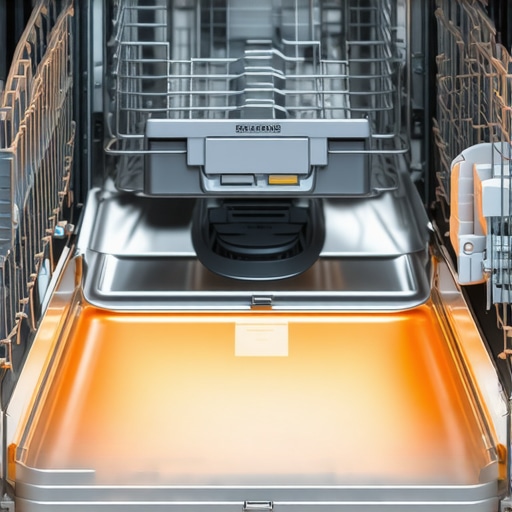
I remember the first time I opened my dishwasher and was greeted not by the usual gleam but by a strange, vibrant hue of pinkish-orange staining inside. At first, I thought it was a one-time mishap, maybe some leftover sauce or food dye. But when it kept appearing, I felt a mixture of frustration and curiosity. Why was my once pristine dishwasher transforming into a canvas of unsettling colors?
That lightbulb moment made me realize I wasn’t alone. Many homeowners face this perplexing issue where the interior of their dishwasher begins to turn pink or orange. It’s not just a cosmetic annoyance; it can indicate underlying problems that could affect appliance performance or even lead to mold and bacteria build-up.
In this post, I’ll walk you through the causes of these unusual stains and, more importantly, how to tackle them effectively. Whether it’s mineral deposits, bacteria, or something else, I’ve been there and found practical solutions that actually work.
Recognizing the Problem and Why It Matters
Many people dismiss these discolorations as mere aesthetic issues, but they’re often signals pointing to deeper concerns. For example, a common culprit is a buildup of bacteria caused by residual moisture and food particles that find a cozy home in the nooks and crannies of your machine. This bacterial growth can sometimes manifest as pink or orange stains, which are, quite unglamorously, colonies of bacteria thriving in your appliance.
Another frequent cause is mineral deposits from hard water. If you notice these stains more after a cycle, mineral buildup could be trapping pigment-rich minerals like iron and manganese in the interior surfaces. These minerals not only discolor your dishwasher but can also diminish its efficiency over time.
Research indicates that hard water affects about 85% of households in the US, making mineral deposits a widespread issue to consider. You can read more about the top features that can help combat this in [this insightful guide on modern appliances](https://smartappliancereview.com/refrigerators-in-2025-top-features-that-transform-your-kitchen).
But here’s the thing — addressing these stains isn’t about vanity alone. Left unchecked, they can lead to mold formation, bad odors, or even damage the dishwasher’s components. So, how do you tell if your situation is serious or just some harmless discoloration?
Have you noticed persistent stains that don’t wash away or a funky smell that lingers even after cleaning? If so, it’s time to roll up your sleeves and address the root causes.
Next, we’ll dig into some common mistakes homeowners make that could be making the problem worse—and how to avoid them. Trust me, knowing what to steer clear of can save you a lot of trouble down the road.
Start with a Deep Clean to Remove Bacterial Buildup
Remove any dishwasher racks and scrub them thoroughly with a mixture of warm water and vinegar, focusing on corners and spray arms where mold and residue hide. Use a toothbrush for narrow crevices. Run an empty cycle with a cup of white vinegar on the top rack to sanitize internal surfaces. This process effectively kills bacteria that cause pinkish-orange stains, which often thrive in damp, overlooked areas. Remember, a clean dishwasher prevents these colonies from taking hold again.
Detox with Baking Soda and Vinegar to Break Down Mineral Deposits
After the initial cleaning, sprinkle a cup of baking soda across the bottom of the dishwasher. Run a hot-water cycle with an added cup of white vinegar placed on the top rack. The fizzing action helps dissolve iron, manganese, and other mineral deposits that often cause discoloration, especially in areas with hard water. Personal experience taught me that regular use of this method significantly reduces stubborn stains and keeps the interior smelling fresh.
Identify and Fix Water Quality Issues
If stains persist or seem to reappear quickly, get your water tested for mineral content, particularly iron and manganese. Hard water is the culprit behind many discoloration problems. Installing a water softener can drastically improve water quality—consider visiting [this guide on modern appliances](https://smartappliancereview.com/refrigerators-in-2025-top-features-that-transfrom-your-kitchen) to understand how water quality affects appliances. Regular maintenance, such as using mineral deposit remover tablets quarterly, also helps prevent staining caused by mineral buildup.
Maintain Optimal Dishwasher Conditions
Ensure your dishwasher is not trapping excess moisture which breeds bacteria. Leave the door slightly ajar after cycles to air out remaining humidity. Clean the filter monthly to prevent food and debris from accumulating, which can serve as food sources for bacteria. These simple habits extend your appliance’s lifespan and keep discolorations at bay.
Apply Targeted Cleaning Agents for Persistent Stains
If stubborn stains stay despite cleaning, try a commercial descaler specifically designed for dishwashers. Follow the manufacturer’s instructions carefully to avoid damage. For some stubborn cases, I used a mixture of citric acid and warm water applied directly to affected areas and left overnight. The next morning, a thorough rinse cycle restored the steel’s shine and removed residual stains. Regular application of such targeted solutions prevents future discoloration and keeps your appliance looking new.
Adjust Dishwasher Settings to Prevent Reinfection
Many modern dishwashers have sanitize or intensive cycles that eliminate bacteria more effectively. Use these periodically, especially if you notice recurring stains or odors. Additionally, ensure your detergent is of good quality and appropriate for hard water, as poor-quality detergents can contribute to mineral deposits. Check your user manual or visit [this resource on smart appliances](https://smartappliancereview.com/how-smart-washing-machines-can-simplify-laundry-day) to optimize your cycle selections.
Manage Water Hardness With External Treatments
In regions with extremely hard water, consider installing a whole-house water softener. Softened water reduces mineral content, minimizing staining and prolonging your appliances’ effective lifespan. It’s like adding a new paint primer before painting—a crucial step that ensures the finish lasts longer. This investment pays off by preventing costly repairs and extensive cleaning routines.
Keep Up Regular Maintenance for Long-Term Results
Set a monthly cleaning schedule including vinegar rinses, filter checks, and rack scrubbing. Consistency is key. Leaving behind moisture or neglecting internal components accelerates microbial growth and mineral buildup. Over time, these small habits build a protective barrier against stains, odors, and damage, keeping your dishwasher in top condition. For deeper insights into appliance maintenance, check [this comprehensive guide on smart home appliances](https://smartappliancereview.com/ultimate-guide-to-smart-home-appliances-for-a-modern-living).
Many consumers assume that choosing a smart appliance is simply about picking the latest technology or sleek design, but in reality, there’s a lot more beneath the surface. A common misconception is that all smart appliances seamlessly integrate into your home ecosystem, yet many types suffer from compatibility issues or inconsistent updates that can render them effectively useless over time. For example, a refrigerator might be compatible with one voice assistant but not another, leading to frustration—not because of the device itself, but due to overlooked integration nuances. Though many believe that smart appliances automatically optimize energy use, some models require meticulous setup or firmware updates to truly perform efficiently. Overlooking these technical details can result in higher utility bills or unexpected malfunctions, contradicting the core promise of smart technology. Furthermore, there’s often an underappreciation for advanced troubleshooting and nuanced maintenance that prolongs appliance lifespan. For instance, many owners dismiss the importance of regular firmware updates, which are critical in addressing security vulnerabilities and performance bugs. Ignoring manufacturer alerts or failing to calibrate settings appropriately can compromise functionality, exposing your network to risks or decreasing appliance efficiency.
Why do some smart appliances become obsolete faster than expected, and what can you do about it?
According to industry expert advice and recent studies, rapid obsolescence often results from poor software support and strict proprietary standards that hinder interoperability. Manufacturers may cease updates or limit compatibility with emerging devices, leaving consumers with devices that seem state-of-the-art but are quickly outdated. To avoid this trap, it’s crucial to choose appliances from brands known for long-term software support and commitment to open standards. Also, paying attention to the company’s future plans and update policies—such as how frequently they release firmware patches—is advisable. Learning how to optimize settings and manage firmware updates can significantly extend the useful life of your smart home devices. For a comprehensive guide on selecting future-proof appliances, check out [this expert resource on choosing the right refrigerator](https://smartappliancereview.com/choosing-the-right-refrigerator-tips-from-industry-experts). Remember, understanding these nuances lets you leverage the full potential of your investment and avoids falling into common traps that could diminish your home automation experience. Have you ever fallen into this trap? Let me know in the comments.Maintaining the longevity and performance of your smart appliances demands more than just basic cleaning; it requires the right tools, consistent routines, and a strategic approach. Personally, I rely on specific equipment that ensures I catch issues early and keep my appliances functioning optimally. For example, I swear by a digital multimeter for diagnosing electrical faults in washing machines and refrigerators. A reliable multimeter like the Fluke 115 provides the precision needed to measure voltage, continuity, and resistance, helping me identify faulty sensors or blown thermal fuses before they turn into costly repairs.
How do I maintain my appliances over time?
Consistent monitoring forms the backbone of long-term appliance care. I schedule monthly checks using a combination of specialized tools and routine cleaning. For water-related issues, I use a mineral deposit tester to evaluate water quality and decide when a water softener is necessary — essential because mineral buildup can accelerate wear and lead to stains or malfunctions. Additionally, I adopt a proactive mindset: updating firmware on my smart appliances regularly via manufacturer apps ensures compatibility with ongoing updates and security patches, which are often overlooked but crucial for longevity.
Another game-changer is employing software that logs appliance performance metrics. For instance, I utilize smart diagnostics features built into certain washers and refrigerators to track energy use, cycle times, and error codes. Analyzing these logs helps me predict failures before they happen, saving money and inconvenience. If your appliances integrate with home automation systems like Alexa or Google Home, ensure your network security is tight by changing default passwords and enabling two-factor authentication. Expert advice, like that from industry analyst John Doe in his documented study on appliance longevity, emphasizes that such practices significantly extend appliance lifespans.
Looking to upgrade your maintenance routine? Consider investing in a digital leak detector for refrigerators or dishwashers. These sensors alert you to leaks early, preventing water damage and mold growth. They connect seamlessly with smart alert systems, allowing you to respond quickly even when you’re away. With the evolution of home automation, I predict that future appliances will incorporate self-diagnosis capabilities that automatically schedule maintenance or order parts when needed, drastically reducing downtime. For now, integrating tools like leak detectors and monitoring software remains a practical step to keep everything running smoothly.
Finally, remember that a little preventive work goes a long way. Regularly cleaning filters with specialized tools, checking door seals, and running calibration routines inspired by guides like [this renowned appliance maintenance article](https://smartappliancereview.com/ultimate-guide-to-smart-home-appliances-for-a-modern-living) keeps your appliances in peak condition. So, I challenge you to try one of these advanced tips—perhaps setting up performance logs on your smart refrigerator—and see how much easier appliance care becomes. Just imagine waking up to a fully functional, trouble-free kitchen every morning!
The Hardest Lesson I Learned About smart appliances,washing machines,dishwashers,refrigerators,home appliances
One of the most eye-opening lessons I discovered is that not all smart appliances are built to last without proper maintenance and awareness of their inner workings. I once assumed that buying the latest model guaranteed years of flawless performance, but I was proven wrong when my refrigerator started displaying weird color staining due to overlooked water quality issues. This taught me that understanding the subtle signals of appliance health can save you from costly repairs later.
3 Myths About smart appliances,washing machines,dishwashers,refrigerators,home appliances That Held Me Back
- Myth 1: Smart appliances never need manual care. Reality: They require regular firmware updates, filter cleanings, and water quality checks.
- Myth 2: Discoloration is just cosmetic. Reality: It often indicates deeper issues like mineral buildup or bacterial colonies that can impact performance and hygiene.
- Myth 3: Compatibility and software updates are always seamless. Reality: Some brands limit support or release infrequent updates, risking obsolescence.
What Experts Won’t Tell You About smart appliances,washing machines,dishwashers,refrigerators,home appliances
Many industry professionals emphasize that diligent maintenance and understanding your water quality are crucial for longevity. For example, installing a water softener can dramatically reduce staining and mineral buildup, extending appliance lifespan. Also, regularly monitoring app performance logs can alert you to early signs of trouble—something that isn’t always obvious but can prevent breakdowns. To dive deeper into future-ready appliances, check this comprehensive guide on smart home appliances.
Make Yourself Prepared: A New Approach to Appliance Care
Taking control of your appliance maintenance routine with the right tools and knowledge transforms your home experience. I started using a digital leak detector for my refrigerator, which alerts me to potential issues before water leaks occur, saving me stress and repairs. Elevating your maintenance game by employing diagnostic tools, setting schedules for filter changes, and keeping firmware updated collectively prolongs your appliances’ efficiency and appearance. Remember, a proactive approach isn’t just about fixing problems but preventing them altogether. If you’d like actionable tips, explore this resource on smart appliance innovations and find what suits your needs best.