
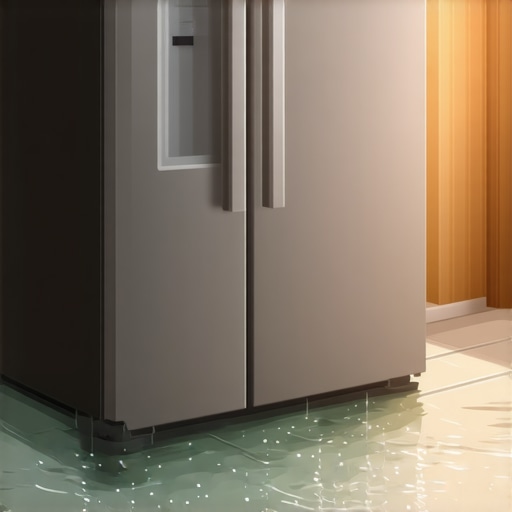
It was a typical Saturday morning for me—stumbling into the kitchen, craving that first cup of coffee, only to be greeted by a small puddle sprawling across my kitchen floor. At first, I thought maybe a glass had spilled or the kids left the water bottle open. But then I looked closer and realized it was coming from my refrigerator. That moment of surprise turned into a mini panic—how could my trusty appliance suddenly decide to leak water everywhere?
Don’t Ignore the Drips: Here’s Why Your Fridge Might Be Pouring Water
If you’ve ever faced a similar situation, you know how unsettling it can be. A leaking fridge isn’t just an annoyance; it can lead to water damage, mold growth, and costly repairs. The good news is, most refrigerator leaks have simple causes and straightforward fixes. Understanding what’s happening behind the scenes can save you time, money, and a lot of frustration.
Could It Be a Simple Clog or Something Deeper?
When I first started troubleshooting my fridge leak, I made the mistake of thinking it was a major problem from the outset. Turns out, many leaks are caused by something as basic as a clogged defrost drain or a misaligned door seal. It’s easy to jump to the worst-case scenario, but more often than not, the fix is simple—and that’s what we’ll explore together.
Did you know that according to appliance repair experts, over 60% of refrigerator leaks are caused by blocked defrost drains? That small component can cause big messes if it’s clogged or frozen shut. So, understanding these common issues can make all the difference in fixing your fridge and keeping your kitchen dry.
Now, let’s dive into the common causes of refrigerator leaks and how to address them. If you’ve been silently fretting about that mysterious water on your kitchen floor, you’re not alone—and help is just a few steps away.
Empty the Fridge and Prepare Your Tools
Start by unplugging your refrigerator to ensure safety. Remove all perishable items and shelves if necessary to access leak sources. Gather essential tools: a screwdriver, a flashlight, a towel, and a bucket. Think of this process like clearing a workspace before repairing a car—removes obstacles for better access and reduces mess.
Identify the Leak Source
Check the Door Seals
Inspect the door gaskets for cracks or gaps. To test, close the door on a dollar bill and try to pull it out; if it slips easily, the seal may be compromised. A faulty seal can cause condensation buildup and water leakage. I once replaced a worn gasket following this method, which immediately stopped the leak and improved energy efficiency.
Assess the Drain Tube
Locate the defrost drain at the back or bottom of the fridge. Remove any panels to access it. Use a flashlight to look inside—if it’s clogged with debris or ice, water won’t drain properly, leading to leaks. To clear it, flush warm water through with a turkey baster or use a plumbing snake. Think of it as clearing a blocked pipe—simple yet critical for proper drainage.
Examine the Water Supply Line
If your fridge has an ice maker or water dispenser, check the supply line for kinks, cracks, or loose fittings. Turn off the water supply, disconnect the line, and inspect for damage. Tighten fittings or replace damaged hoses. Remember, like a broken garden hose, a small crack can cause a big puddle.
Clear and Repair the Problem Areas
Unclogging the Defrost Drain
Pour hot water into the drain hole to melt ice and dislodge debris. Use a pipe cleaner or a small brush to scrub any residual buildup. For frozen blockages, repeat until water flows freely. This simple step often resolves leaks caused by drain blockages. I did this once on a cold winter day, and within minutes, water stopped leaking onto my kitchen floor.
Fixing Door Seals
If the gasket is damaged, replace it with a new one by unscrewing and removing the old gasket, then installing the new one, ensuring it seals tightly. Use a hairdryer to soften and stretch old, stiff seals for better contact. Proper sealing prevents warm air intrusion, which minimizes condensation and spills.
Replacing Damaged Water Lines
If the supply line is cracked or kinked, replace it with a new hose compatible with your model. Turn off the water, disconnect the faulty line, and install the new one, tightening fittings securely. Think of replacing a worn-out garden hose—it restores proper function and stops leaks.
Test the Repairs and Prevent Future Leaks
Plug the fridge back in, reload shelves, and monitor for any signs of water. Check the door seals by closing the door on a dollar bill again, ensuring a tight fit. Regularly clean the defrost drain and inspect water lines to prevent future issues. After fixing my own fridge, I found that routine maintenance, like wiping seals and clearing the drain monthly, keeps leaks at bay and extends appliance lifespan.
For more detailed tips on maintaining your appliances, visit industry experts’ refrigerator maintenance tips or learn how smart technology can alert you to issues early on at top smart home appliances 2025.
Many homeowners believe that choosing a new washing machine, refrigerator, or smart appliance is as simple as picking the latest model or the most popular brand. However, this common misconception overlooks the nuanced complexities of modern appliances. For example, many assume that energy-efficient settings automatically mean optimal performance, but in reality, these modes can sometimes extend cycle times or compromise cleaning effectiveness if not properly understood. According to appliance expert Dr. Lisa Grant, there are hidden factors like load size, MOISTURE SENSOR calibration, and water hardness that significantly influence efficiency but are often neglected.
Is Your Smart Appliance Truly Smarter Than You Think?
Many consumers believe that smart devices handle everything seamlessly, but the truth is, firmware bugs, connectivity issues, and user misconfigurations can lead to poor performance or even damage. For instance, improperly calibrated sensors can cause a smart washing machine to overuse water or energy, counteracting their intended savings. To stay ahead, explore how smart technologies can genuinely simplify your laundry routine by visiting this guide on smart washing machines.
Another widespread misconception is that larger capacity always equals better. While they handle more laundry, oversized machines can be inefficient for small households, leading to wasted water and electricity. Conversely, compact units may struggle with heavy loads, increasing cycle times or causing wear. This illustrates the importance of understanding your household’s actual needs before opting for the biggest or most feature-rich appliance. Additionally, avoid the trap of dismissing maintenance as unnecessary; many issues, like clogged filters or dirty coils, degrade appliance performance over time. Regular upkeep according to manufacturer recommendations can prevent costly repairs and prolong lifespan.
In terms of food preservation, many believe that all refrigerators with the same specifications perform equally well, but subtle differences in insulation and airflow design make a big difference. A refrigerator’s ability to maintain consistent temperatures depends heavily on proper door seals and regular coil cleaning. Neglecting these factors can result in freezing of items in the deli drawer or inconsistent cooling, leading to spoiled food and increased energy consumption. For advanced insights into optimizing your fridge’s performance, check out this article on future refrigerator features.
Finally, don’t overlook the importance of understanding the myths surrounding eco-friendly modes. Many think eco-settings are universally beneficial, but employing them during heavier wash cycles may lead to longer cycle times or less effective cleaning. The key is knowing when to use these modes appropriately. For example, water-saving experts recommend specific cycle selections based on load type and soil level for maximum efficiency.
Uncovering these nuanced truths about home appliances can save you time, money, and frustration. Have you ever fallen into this trap? Let me know in the comments! Proper understanding and maintenance are the secret weapons for maximizing your appliances’ lifespan and performance.
Equip Yourself for Long-Term Appliance Success
Maintaining appliances like refrigerators and washers isn’t a one-and-done task; it requires the right tools and consistent methods. I rely heavily on a combination of specialized equipment and modern software to stay ahead of potential issues. One of my top recommendations is a digital multimeter, which I use to troubleshoot electrical components quickly and accurately. This compact device helps me identify faulty wiring or failing thermostats without the need for expensive service visits. Additionally, a microfiber cloth and gentle coil cleaner are staples for regular cleaning, ensuring coils stay dust-free to optimize efficiency. For smart appliances, I recommend using a dedicated app like the manufacturer’s proprietary platform, which offers real-time diagnostics and firmware updates—critical features to extend the lifespan of your tech.
As appliances evolve, so do the tools needed to maintain them effectively. Predictive maintenance is trending, with IoT-enabled sensors capable of alerting you to potential failures before they happen. I foresee a future where appliances will become even more interconnected, providing automatic diagnostics and scheduled repairs, reducing downtime significantly.
How do I keep my appliances in top shape over time?
Consistent care involves both manual inspections and leveraging smart technology. I schedule monthly checkups for filters, coils, and seals, and I use diagnostic apps to monitor performance metrics for my smart devices. These routines help catch problems early, preventing costly repairs down the line. For example, regular coil cleaning in my refrigerator, combined with firmware updates from the manufacturer, keeps it running efficiently and reduces energy bills. Visit this resource on smart washer maintenance for more insights on how digital tools can ease your upkeep responsibilities.
Tools I Recommend for Home Appliance Care
Aside from basic hardware, I swear by using diagnostic software provided by appliance manufacturers. These platforms often include troubleshooting guides and firmware update utilities that can resolve issues remotely—saving time and money. When dealing with refrigerators, an infrared thermometer helps me verify temperature consistency across different zones, ensuring food safety and energy efficiency. For dishwashers, a DIY spray arm cleaning kit can solve stubborn spray pattern issues, which improves cleaning performance and prolongs the appliance’s life. Investing in these specific tools has allowed me to defer expensive service calls and maintain peak performance routine.
Anticipating Future Trends
In the coming years, I expect appliance maintenance to shift toward fully automated and AI-driven solutions. Sensors embedded within the appliances will continuously diagnose their health, and predictive analytics will advise homeowners on optimal maintenance schedules—sort of like health monitors for your machines. Staying updated with these innovations will be crucial; for instance, checking this article on appliance technology forecasts helps me prepare for advanced maintenance techniques.
Start by integrating a smart diagnostic app into your routine, and consider acquiring a versatile multimeter to handle electrical troubleshooting. These investments not only make maintenance more straightforward but also extend the life of your appliances, saving you money in the long run. Don’t wait—try using a multimeter to check your refrigerator’s compressor connection today and experience firsthand how empowering proper tools can be.
What I Wish I Knew When Fixing My Fridge
- Never underestimate simple fixes: A clogged defrost drain or a worn door gasket can cause big messes, reminding me to start with the basics before panicking about expensive repairs.
- Routine maintenance is your best defense: Regularly cleaning coils and inspecting seals saved me from most leaks and prolongs the life of appliances.
- Tools are game-changers: Using a digital multimeter and inspection apps have made troubleshooting faster, cheaper, and more accurate, empowering me to handle issues myself.
- Understanding your appliance’s design reveals critical clues—like knowing how defrost drains work prevents water from pooling unexpectedly.
- Smart technology isn’t foolproof: Firmware bugs and misconfigurations can cause issues, so staying informed ensures you benefit from features rather than fighting them.
My Top Picks for Appliance Care
- Comprehensive guides on smart appliances—they help me make educated decisions and avoid unnecessary problems.
- Diagnostic tools like a digital multimeter—crucial for electrical troubleshooting, saving trips from appliance repair techs.
- Cleaning kits specifically for coils and spray arms—keeping appliances efficient and leak-free.
- Proprietary apps from manufacturers—providing real-time diagnostics and firmware updates that extend appliance lifespan.
Your Next Move Matters
Taking proactive steps now, like routine maintenance and smarter troubleshooting, transforms appliance care from reactive to empowered. The future holds even smarter solutions—think AI-driven diagnostics and predictive alerts—that will make appliance upkeep more effortless than ever. So, start exploring these tools today and imagine a home where leaks and breakdowns become rare exceptions instead of regular surprises. Ready to take control of your appliances and enjoy peace of mind? Let me know in the comments—what’s the most surprising appliance fix you’ve discovered on your own?