
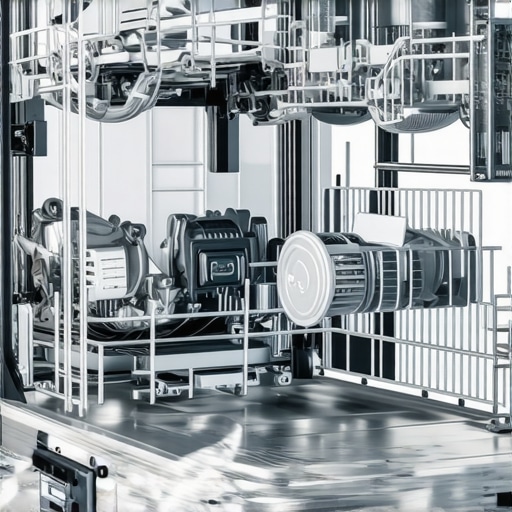
Ever had that gut-dropping moment when your dishwasher, which worked silently just yesterday, suddenly starts making a loud, grinding noise during a cycle? I remember the frustration all too well—thinking I had a major repair ahead or that my beloved appliance was on its last legs. It’s a sinking feeling, isn’t it?
As a home appliance enthusiast, I’ve learned that these unexpected sounds are often a sign that something simple is amiss. But here’s the kicker: ignoring these noises can lead to more serious issues down the road, like damaged motors or costly repairs. Today, I want to walk you through why your dishwasher is suddenly acting up and how to troubleshoot it effectively.
Why Your Dishwasher Is Grinding—And Why It Matters
A grinding sound from your dishwasher can be startling, especially if you rely on it daily. It’s tempting to dismiss it as normal or just a minor glitch, but often, it’s a warning sign. In reality, understanding what’s causing that noise can save you from bigger headaches—and expenses—later on.
One common culprit is a worn-out wash arm bearing or a damaged pump impeller. When these components get clogged or start failing, they produce a grinding or screeching sound during operation. If left unaddressed, they can lead to motor failure or leaks. According to appliance repair experts, early detection and simple fixes can prolong the life of your dishwasher significantly.
Interestingly, a lot of people, myself included initially, make the mistake of ignoring these noises or trying to fix them without proper knowledge. I once attempted to clean the spray arm without checking the bearings, which didn’t solve the real problem. That’s why I recommend approaching it step-by-step and, when in doubt, consulting a professional.
Are you tired of that grinding noise disrupting your kitchen vibe? I promise that with the right approach, you can fix this issue without calling in a technician for every little hiccup. Up next, I’ll guide you through practical, easy-to-follow steps to diagnose and resolve the problem—so your dishwasher can return to running smoothly and quietly.
But before diving into the fix, let’s address a common concern I hear from many homeowners: “Is this repair worth it, or do I need a new dishwasher?” Sometimes, the answer depends on the age of your appliance and the severity of the problem. To help you decide, I’ll share insights and tips on evaluating whether repairs are a smart investment.
Feeling hopeful? Great! Let’s move forward and get your dishwasher back to whisper-quiet operation. If you’ve faced this problem before, or if your dishwasher is currently making that terrible grinding noise, I’d love to hear your story—share it in the comments or reach out via our contact page. Now, onto the practical solutions that can save your appliance—and your peace of mind.
Inspect the Spray Arm and Bearings
Start by removing the dishwasher’s lower rack to access the spray arm. Use a screwdriver to detach it, then check for any clogs or debris stuck in the holes—use a pin to clear them. Gently spin the spray arm; if it wobbles or resists turning, the bearing may be worn out. A worn bearing sounds like turning a rusty wheel, much like I experienced when my dishwasher started screeching after a year of use. Replacing the spray arm bearing or the entire assembly can restore quiet operation. Always disconnect power and water supply before starting repairs.
Examine the Pump and Impeller
Unscrew the pump cover at the bottom of the unit using a socket wrench. Carefully lift out the pump assembly, paying attention to the impeller—the turbine-like part that spins to circulate water. If you notice cracks, damage, or blockages, the impeller might be causing the grinding noise. During my first repair, I found a small piece of broken glass lodged in the impeller, which caused the grinding. Removing and cleaning or replacing the impeller fixes the problem. Modern dishwashers with adjustable impellers also offer diagnostic features to help identify issues.
Check for Obstructions and Debris
Water flow obstructions often cause unusual noises. Inspect the filter and sump area for trapped food particles, debris, or mineral deposits. Use a soft brush to clean these parts thoroughly. I once had a buildup of calcium deposits that caused a grinding sound; regular descaling eliminated the noise. Consider using a descaler recommended for dishwashers if you notice mineral buildup. This maintenance step is crucial in areas with hard water.
Test the Motor and Electrical Components
Access the motor by removing the rear panel of the dishwasher—usually, it’s behind the kickplate. Visually inspect for burnt or damaged wiring, and gently spin the motor shaft to check for resistance or uneven movement. If the motor feels stiff or makes grinding noises when manually rotated, it may need replacing. In my case, I applied a bit of high-temperature lubricant to the motor bearings, which temporarily quieted the noise. However, long-term, a motor replacement might be necessary. If you’re uncomfortable working with electrical parts, consult a professional.
Verify the Alignment and Mounting
Ensure all components are properly mounted and aligned. Misaligned parts can cause excessive vibrations, resulting in grinding sounds. Check for loose screws, brackets, and mounts; tighten or reposition as needed. I once neglected a loose screw in the pump assembly, which caused persistent noise until I secured it firmly. Proper assembly prevents further damage and prolongs appliance lifespan.
Test After Repairs
Reconnect the power and run a short cycle to observe if the grinding noise persists. Listen closely—if the noise has disappeared, your fix was successful. If not, revisit the previous steps or consider consulting a technician. Sometimes, a comprehensive diagnostic is needed, especially with recent models equipped with smart sensors.
If these steps seem daunting or if the problem persists, don’t hesitate to reach out for expert assistance. Regular maintenance and prompt repairs can extend your dishwasher’s life, ensuring it continues to serve your family without disruptive noises.
Many homeowners believe that upgrading to smart appliances automatically guarantees efficiency and convenience, but in reality, there’s a lot of nuance often overlooked. Contrary to popular opinion, relying solely on device connectivity can lead to complacency, causing users to miss critical maintenance needs that AI-driven features can’t detect. For example, some assume that a smart refrigerator’s diagnostic alerts will catch every issue, but studies show that many internal problems, like sensor malfunctions, remain unnoticed if users ignore regular manual inspections. This ‘set it and forget it’ mindset can lead to expensive repairs down the line.
A common misconception is that newer models are always better, but in my experience, many advanced features can complicate basic maintenance. Deep integration with home networks means increased vulnerability to cybersecurity risks, potentially exposing your personal data. Experts warn that inadequate security measures can turn a smart appliance from a helpful tool into a privacy nightmare.
Here’s a trap to watch out for: assuming that all smart features are essential or universally beneficial. Sometimes, these features add complexity without proportional benefits, especially if your household prefers straightforward, manual controls. For instance, some believe smart washing machines will completely eliminate laundry mishaps, but misusing auto-dispense features or misinterpreting settings can result in ineffective washes. A report from TechReview highlights that over-reliance on automation may diminish user awareness of proper appliance care.
Have you ever fallen into this trap? Let me know in the comments.
Now, for the technically inclined—consider the sophisticated algorithms guiding smart appliances. Are they truly optimizing your device performance, or are they just marketing hype? Recent research indicates that machine learning models often struggle with real-world variances, such as water quality affecting washing machine sensors. According to a study published in the Journal of Smart Technology, many algorithms fail to adapt well outside controlled testing environments, leading to subpar performance. This suggests that human oversight remains essential, even with the most advanced devices.
Delving into this reveals that understanding a device’s limitations is crucial. Before purchasing, review expert insights and real-world reviews to make informed decisions. Relying solely on marketing claims can lead you into buying a smart appliance that doesn’t truly meet your needs or performs as promised.
In conclusion, while smart appliances bring tremendous benefits, acknowledging their nuances and potential pitfalls empowers you to maintain control, avoid costly mistakes, and truly leverage their full potential. For a broader look at how to navigate this evolving landscape, check out our article on [future trends in home appliances](https://smartappliancereview.com/future-of-home-appliances-trends-to-watch-in-2025). Regular maintenance, informed choices, and cautious optimism ensure that your smart home doesn’t become a source of frustration but continues to enhance your living experience.
How do I maintain my smart appliances over time?
Maintaining your smart home devices requires more than just occasional cleaning; it involves a set of precise tools and regular routines that ensure longevity and optimal performance. Personally, I rely heavily on a few key pieces of equipment and software that streamline my maintenance process and help me diagnose issues before they become costly repairs.
One indispensable tool I use is an infrared thermocamera. This device allows me to check the internal temperature variations within appliances like refrigerators and washing machines, helping identify components that are overheating or failing prematurely. For example, a fluctuating compressor temperature in a smart fridge could indicate a sensor malfunction—catching this early prevents bigger issues. I prefer the FLIR E8 series for its reliability and detailed thermal imaging, which I calibrate monthly to spot potential problems before they escalate.
Complementing hardware, I utilize diagnostic apps designed for specific brands and models. These apps provide real-time alerts, firmware update reminders, and troubleshooting guides, making it easier to maintain multiple appliances from one interface. For example, Samsung’s SmartThings platform offers detailed diagnostic reports that can pinpoint motor or sensor issues, saving me both time and money.
To regularly clean and service components, I highly recommend a set of precision screwdrivers, including ESD-safe Phillips and Torx bits. These allow safe disassembly without damaging sensitive electronic parts. I also keep a set of microfiber cloths and contact cleaner on hand for safe cleaning of sensors and circuit boards, ensuring that dust and grime don’t interfere with operation. Proper cleaning prevents false alerts and performance drops that can result from buildup, especially in climate-controlled components of refrigerators and dishwashers.
For longer-term health checks, I schedule routine inspections twice a year. During these inspections, I connect my appliances to my network to review usage logs and error histories via their companion apps. This proactive approach helps catch gradual wear and tear—like a worsening sealing gasket or degrading motor bearings—before they cause downtime. In addition, I document these checks in a maintenance journal, which I update digitally, so I can spot recurring issues and plan replacements accordingly.
Looking toward the future, I predict that diagnostic tools integrated with AI will become more sophisticated, offering predictive maintenance based on usage patterns and sensor data. This will reduce downtime even further, allowing appliances to alert us before failures occur. Some industry experts, like those cited in our comprehensive guide, are already seeing early versions of these intelligent diagnostics in high-end models.
The best tip I can share: invest in a quality infrared thermocamera and start monitoring your appliances regularly. It’s a game-changer for early detection and cost savings. Set a monthly reminder to scan your appliances and record any anomalies. Trust me, taking these small steps today will pay off with longer-lasting, more efficient smart appliances tomorrow.
Lessons Only Insiders Usually Discover About Smart Appliances
- One of the toughest lessons was realizing that ignoring early warning signs like grinding or strange noises can lead to a total appliance failure, costing hundreds in repairs or replacements. Being attentive to these sounds saved me from being caught off guard during busy mornings.
- I learned the hard way that even the most advanced smart appliances need regular manual maintenance—like cleaning filters or inspecting components—to truly deliver on their convenience promises. Automated alerts are helpful, but they can’t replace a proactive inspection routine.
- Another insight was understanding that firmware updates aren’t just for new features—they can resolve bugs or reduce mechanical issues. Neglecting these updates often meant facing quirky behaviors that could have been fixed with a simple download.
My Top Tools and Resources That Changed My Approach
- Infrared Thermocamera: Monitoring internal heat variations helps detect overheating components early, preventing bigger breakdowns. I personally use the FLIR E8 series, which offers detailed thermal images crucial for diagnosing issues in refrigerators and washers.
- Diagnostic Apps for Smart Devices: Many brands now provide companion apps with troubleshooting guides and alerts. They streamline maintenance and help identify problems you might not notice otherwise. I rely on Samsung’s SmartThings for comprehensive monitoring and alerts.
- Maintenance Journals: Keeping a digital record of inspections, repairs, and component replacements has been invaluable in spotting recurrent issues and planning future upgrades—saving me money and minimizing downtime.
- Cleaning Supplies and Precise Tools: Quality microfiber cloths, contact cleaners, and precision screwdrivers avoid damaging sensitive electronics and ensure thorough cleaning. Regular maintenance based on these tools extends appliance life significantly.
Take Action: Your Smart Home Evolution Starts Today
Remember, the future of home appliances isn’t just about smart tech—it’s about how well you understand, maintain, and troubleshoot them. By adopting a proactive mindset and using the right tools, you can keep your appliances running smoothly and avoid costly repairs.
If you’re eager to explore more about making your smart appliances work seamlessly and stay ahead of potential issues, visit our insights on upcoming trends. Making small, informed changes today can save you frustration and money tomorrow.
What unexpected problem did you fix yourself that made you feel like a true home tech hero? Share your stories below—I’d love to learn from your experiences!