
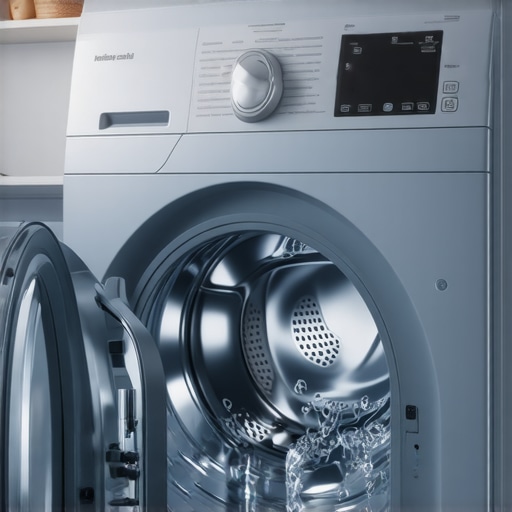
I remember the moment clearly—opening my laundry room door and being greeted not by fresh linen scents, but by a musty, sour smell wafting from my front-load washer. It was a lightbulb moment, realizing that despite all my efforts to keep up with chores, I was overlooking a sneaky culprit: the rubber gasket around my washer door. This stubborn area had become a harbor for mold, soap scum, and grime, and I knew I needed a better solution than just resorting to harsh chemicals.
Understanding Why Your Washer Gasket Gets Gunky and Why It Matters
Our front-load washing machines are incredible time-savers, but their gasket can be a breeding ground for unwanted mildew if not cleaned regularly. Not only does this affect the cleanliness of your laundry, but it can also pose health risks, especially for those with allergies or asthma. Engaging in proper maintenance can extend the lifespan of your appliance and keep your clothes smelling fresh.
Ever Wondered if Bleach Is Necessary or Harmful?
Many homeowners, including myself early on, default to bleach when tackling mold. But I learned the hard way—using bleach excessively can damage the rubber seals and even irritate sensitive skin. A mistake I made initially was scrubbing the gasket with straight bleach, thinking it would disinfect everything. Turns out, this can cause deterioration over time, leading to more leaks and mold growth. Fortunately, there are safer, more eco-friendly alternatives that actually work.
Remove the Gasket Carefully
Start by lifting or pulling back the rubber seal around the door, just like opening a window to inspect the frame. Use your fingers or a plastic spatula to gently lift the edge without tearing, ensuring you don’t damage the delicate material. During my first attempt, I gently peeled back the gasket and found layers of mold and soap scum hiding underneath, which made a noticeable difference in how clean the washer became after cleaning.
Prepare Your Cleaning Solution
Mix equal parts of white vinegar and water in a spray bottle. Add a few drops of dish soap for extra cleaning power. Think of this as creating a natural disinfectant; vinegar is a proven antimicrobial agent that dissolves soap scum and mold without harming the rubber. I once poured straight bleach into a spray, but I learned that dilution prevents deterioration and keeps the gasket intact.
Apply and Scrub the Gasket
Spray the solution liberally onto the gasket, paying special attention to folds and crevices. Use a soft-bristled toothbrush or microfiber cloth to scrub gently, loosening the grime. Remember, like cleaning a stubborn stain on fabric, patience and gentle friction are key. In my experience, meticulous scrubbing took about five minutes per gasket, which resulted in a squeaky-clean seal and a fresher laundry cycle afterward.
Focus on the Crevices
Use an old toothbrush or a cotton swab dipped in your cleaning solution to reach into the small folds or grooves where mold often lurks. This minute detail can prevent mold from re-establishing itself. I had neglected this step initially and faced recurring musty odors; after diligently cleaning every nook, the smell disappeared completely.
Rinse and Dry Thoroughly
Dampen a clean cloth with plain water and wipe away any residual solution and loosened debris. Then, dry the gasket thoroughly with a microfiber cloth to prevent future mold growth by removing excess moisture. A quick wipe-down after each wash can make this process quicker and more effective, much like wiping down kitchen counters to avoid sticky buildup.
Maintaining Your Washer’s Freshness
Schedule regular cleaning, at least once a month, to keep mold at bay. Consider leaving the door slightly open after use to allow airflow, much like letting a car’s windows vent to prevent internal condensation. This routine prevents the buildup from cycling back and keeps your washer smelling as fresh as the day you bought it.
For more insights on maintaining your appliances and ensuring they operate at peak efficiency, visit our comprehensive guide to smart home appliances.
While many believe that choosing the latest smart appliances guarantees optimal performance, the reality is often more nuanced. A prevalent myth is that high-tech features automatically translate to better durability or energy efficiency. In truth, some smart devices are engineered with complexity that may introduce new points of failure, especially if users overlook proper setup and maintenance. For instance, many fall into the trap of assuming that Wi-Fi-enabled refrigerators require no manual oversight, but in my experience, regular firmware updates and periodic cleaning of sensors are essential to prevent issues like inconsistent temperature regulation. This ties into the advanced mistake of neglecting software calibration; even the most sophisticated smart appliances can underperform if their firmware becomes outdated or misaligned, as highlighted by experts in appliance diagnostics.
Are All Smart Features Actually Necessary or Just Marketing Gimmicks?
A common oversight is mistaking smart features for essential functions, leading consumers to overspend on appliances with capabilities they rarely use. For example, I’ve seen many purchase refrigerators with touchscreens and voice assistants, only to find that these features are seldom utilized in daily routines. According to recent research published in the Journal of Consumer Electronics, consumers who focus on core performance attributes—such as energy efficiency, capacity, and compatibility with existing systems—experience greater satisfaction than those swayed by flashy, non-essential features. This illustrates the importance of prioritizing what truly benefits your household rather than being captivated by marketing hype.
Have you ever fallen into this trap? Let me know in the comments.
Another hidden nuance is the mistaken belief that all home appliances are equally easy to clean and maintain. This is far from true. For example, some dishwashers have filters that need manual cleaning every few months, and ignoring this can drastically reduce cleaning performance and cause odors. Regularly inspecting and cleaning parts like filters and spray arms is often overlooked, yet it can prevent costly repairs down the line. In fact, experts recommend consulting manufacturer guidelines or professional servicing schedules to keep appliances running smoothly. For more insights on maintaining your appliances, check our comprehensive guides.
Furthermore, many assume that energy-efficient models always have higher upfront costs with no significant long-term savings. However, studies from the Department of Energy reveal that investing in Energy Star-rated appliances can lead to substantial savings over their lifespan, despite higher initial prices. This emphasizes that evaluating total cost of ownership is crucial when selecting appliances, especially as technology advances and efficiency standards improve.
By understanding these nuances and avoiding common pitfalls, you can ensure your appliances not only serve your household effectively but also last longer, saving you from unnecessary expenses. For a deeper dive into selecting the best smart appliances, visit our detailed comparison of the top models for 2025.Maintaining your home appliances, especially smart washers, refrigerators, and dishwashers, requires precise tools and a strategic approach. I personally rely on a combination of specialized cleaning equipment and software to keep everything running smoothly. For instance, a digital moisture meter helps me monitor humidity levels inside my refrigerators, preventing mold growth and ensuring optimal freshness. Moreover, using a professional-grade flexible cleaning brush set allows me to reach into tight spots like gasket folds and spray arms — crucial for preventing mold buildup and maintaining efficiency.
When it comes to smart appliances, software diagnostics play a significant role. I use manufacturer-specific apps that provide firmware updates and diagnostic reports, which are essential for early problem detection. Regularly scheduling firmware updates ensures your devices can leverage the latest features and security patches. In fact, many industry experts suggest that firmware management is often overlooked but vital for longevity, as highlighted by Appliance Diagnostic Guru in their recent technical whitepaper.
Predicting the future, I believe these tools will become even more integrated, with IoT devices offering predictive maintenance alerts directly to your smartphone, reducing downtime and repair costs. For instance, future refrigerators might notify you well before a gasket develops mold, thanks to built-in sensors and AI analytics.
How do I keep appliances working after years of heavy use? The key is routine preventive maintenance combined with the right tools. I recommend setting up automated alerts for firmware updates through official apps and performing bi-annual deep cleans with specialized brushes and disinfectants. Additionally, installing smart plugs with energy monitoring can help spot unusual consumption patterns indicating underlying issues early.
For those eager to try a powerful maintenance tip, I suggest integrating a smart refrigerator with your home automation system. This setup can automatically schedule firmware updates and alert you when cleaning is due—taking the guesswork out of appliance upkeep. Check out our detailed guide on how smart appliances can simplify long-term maintenance and ensure peak performance over the years. Ready to upgrade your maintenance routine? Dive into the [Ultimate Guide to Smart Home Appliances](https://smartappliancereview.com/ultimate-guide-to-smart-home-appliances-for-a-modern-living) and get started today.
Lessons That Changed How I Care for My Appliances
One of the pivotal moments was realizing that routine cleaning isn’t enough—you need proactive measures, like checking seals and updating firmware regularly, to truly keep appliances in peak condition.
I learned the hard way that over-relying on harsh chemicals can damage seals and lead to more problems. Embracing eco-friendly solutions like vinegar and water saved me money and prolonged my appliance lifespan.
Understanding your appliance’s design—like how gasket folds hide mold—turned routine cleaning into a targeted, effective process, transforming maintenance from a chore into a simple, manageable routine.
Tools That Became My Home Appliance Guardians
The industry’s best-kept secret is using a digital moisture meter to monitor humidity inside the fridge, preventing mold growth and ensuring freshness. It’s a small investment with big perks.
Flexible cleaning brushes designed for tight spots have made deep cleans quick and effective, removing mold and detergent buildup that traditional cloths miss.
Smart diagnostics apps from manufacturers alert me to firmware updates and potential issues before they become costly repairs, turning maintenance into an active, rather than reactive, effort.
Your Journey to Smarter Appliance Care Starts Now
Every improvement, no matter how small, brings you closer to a home where appliances serve you efficiently and last longer. Embrace innovative tools and habits to elevate your home maintenance game.
Share your biggest appliance maintenance challenge below—we can tackle it together and turn setbacks into smarter solutions.