
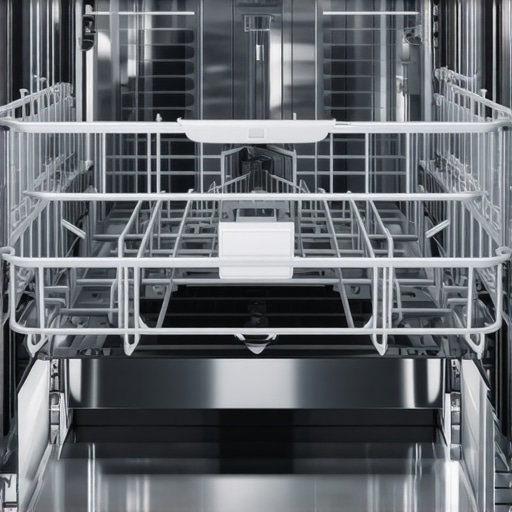
Have you ever reached into your dishwasher to unload those sparkling clean dishes, only to find the rack stubbornly jammed or incredibly difficult to slide out? That frustrating moment when your trusted appliance feels more like a chore than a convenience. I remember the first time it happened to me—trying to pull out the rack, only for it to scrape and refuse to budge. It was a lightbulb moment, realizing that this common issue isn’t just a minor annoyance but can lead to further damage if not addressed.
Getting to the Root of a Stuck Dishwasher Rack
Is Your Dishwasher Rack Actually Worth the Hassle?
Many folks dismiss a stiff dishwasher rack as just part of aging or minor wear and tear. But here’s a startling fact: a misaligned or obstructed rack can sometimes cause your dishwasher to use more energy, reduce cleaning effectiveness, and even damage the appliance over time. I’ve learned that the real trouble starts when homeowners overlook simple maintenance, leading to bigger problems down the line. Early on, I made the mistake of ignoring squeaks and resistance, which only worsened the issue. To avoid turning a small fix into a costly repair, it’s crucial to understand what’s happening beneath the surface.
If you’ve found yourself wrestling with a stubborn dishwasher rack, you’re not alone. Fortunately, with a few straightforward checks and adjustments, you can restore smooth sliding and prolong your dishwasher’s lifespan. But first, let’s explore the common culprits behind this annoyance—so you’re armed with the right knowledge before diving into fixes.
Inspect the Rack Tracks Thoroughly
Start by opening your dishwasher and removing the affected rack. Examine the tracks for any debris, mineral buildup, or physical damage. Use a flashlight for a clear view. I once found a layer of hardened soap scum clogging the rollers, which was preventing smooth movement. Wipe the tracks with a damp cloth and a mild cleaner to remove dirt and grime. If you notice bent or broken parts, replacement may be necessary. Cleaning these areas is like clearing out the gutters of your house—preventing clogs before they cause bigger problems.
Check and Realign the Rollers and Wheels
Test the Rolling Mechanism
Slide the rack in and out gently. If you feel resistance or hear squeaking, focus on the rollers. Remove the rack completely and inspect each wheel or roller for cracks, bends, or accumulated debris. Use a screwdriver to tighten any loose brackets or screws holding the rollers. I once had to replace a worn-out wheel, which instantly restored the smooth glide. Think of the rollers as the wheels of a skateboard—when they’re aligned and in good shape, the ride is seamless.
Adjust the Track Alignment
Misaligned tracks cause the rack to jam or scrape. Loosen the track brackets with a screwdriver and gently reposition them so they run parallel and level. Tighten the brackets securely afterward. I once found one track slightly tilted, which caused constant jamming; realigning it took about five minutes and solved the issue. Proper alignment is like tuning a guitar string—small adjustments make all the difference.
Lubricate Moving Parts for Smooth Operation
Apply a silicone-based lubricant to the rollers, wheels, and track surfaces. Avoid oil-based lubricants as they attract dirt. Use a small brush or your finger to spread the lubricant evenly. I did this after cleaning and realigning my dishwasher rack, which made sliding it in feel like gliding on silk. Regular lubrication prevents metal parts from sticking or squealing over time, much like oiling door hinges keeps them swinging quietly.
Test and Fine-Tune
Put the rack back into place and slide it in and out multiple times. Observe if it moves smoothly without resistance. If it still jams, revisit the previous steps—tighten loose brackets, reposition misaligned tracks, or reapply lubricant. Once satisfied, load your dishes and enjoy the effortless glide of your rack. Remember, keeping these components clean and well-maintained is key to avoiding future jams or damage. For broader appliance care tips, check out [how to stop your fridge from rattling](https://smartappliancereview.com/how-to-stop-your-fridge-from-rattling-without-calling-a-pro) or [why your dishwasher makes squealing noises](https://smartappliancereview.com/why-your-dishwasher-is-making-that-high-pitched-squealing-noise).
When it comes to smart appliances, many homeowners operate under misconceptions that can hinder their efficiency and longevity. Contrary to popular belief, not all smart features are beneficial for every household, and some common advice might be doing more harm than good. For instance, many assume that updating your refrigerator’s software regularly is unnecessary, but neglecting firmware updates can leave your appliance vulnerable to bugs and security risks. According to industry experts, timely updates often include crucial performance improvements and security patches, making them essential for optimal operation. Advanced users should consider checking the manufacturer’s website or app notifications regularly to stay current.
A prevalent myth is that smart appliances automatically learn your habits and adapt without intervention. While some models have learning capabilities, they often require user input and proper setup to function correctly. Poor initial configuration or neglecting calibration can lead to inefficient cycles, such as your washing machine running longer than necessary or your smart oven not heating evenly. The key is understanding these nuances: for example, calibrating temperature sensors in smart refrigerators can prevent over-freezing or spoilage, as detailed in [how to calibrate your smart fridge](https://smartappliancereview.com/how-to-calibrate-your-smart-fridges-temperature-sensors).
Many homeowners overlook the importance of maintenance routines tailored to smart appliances. For example, the digital control panels on refrigerators are susceptible to dust and grime, which can cause unresponsive touch inputs. Regularly cleaning the sensors and understanding the specific cleaning protocols recommended by manufacturers helps maintain seamless operation. Moreover, one common mistake is ignoring network connectivity issues, assuming that Wi-Fi problems are solely a user fault. In reality, interference or outdated firmware can cause dropouts, which affects app controls and remote updates. To ensure steady communication, consider [bridging the Wi-Fi gap in your smart home](https://smartappliancereview.com/how-to-bridge-the-wi-fi-gap-for-smart-appliances-in-your-basement).
For advanced users, there’s a subtle but impactful mistake: trusting default settings without customizing for your household. For instance, selecting the energy-saving mode might seem eco-friendly, but it could extend cycle times, leading to greater water and energy use over time. Tuning these settings based on your actual usage habits can optimize efficiency and cost savings. This highlights why understanding the firmware settings and their real-world impact is critical.
Have you ever fallen into this trap? Let me know in the comments! By challenging these misconceptions and paying attention to the subtle details—like calibration, updates, and customization—you unlock the true potential of your smart appliances. Remember, a well-informed approach not only extends the life of your devices but also enhances their performance, saving you money and trouble in the long run.
Keeping It Working: Tools and Tips for Longevity
Maintaining your smart home appliances isn’t just about occasional cleaning; it requires the right toolkit and systematic routines to ensure they operate efficiently over the long haul. From smart refrigerators to dishwashers and washing machines, having the right equipment can prevent small issues from turning into costly repairs. Personally, I rely on a few specific tools and strategies that have proven invaluable in my ongoing appliance care routine.
Invest in a Precision Multimeter
Using a high-quality multimeter allows me to measure voltage and current precisely when troubleshooting electrical issues in smart appliances. This is particularly useful when verifying whether power supplies to certain modules are within optimal ranges, preventing unnecessary component replacements. For example, if your smart fridge’s touchscreen freezes or disconnects frequently, checking the power supply with a multimeter can help identify intermittent power issues that may be caused by faulty wiring or a failing transformer.
Regular Firmware Checks and Updates
Staying on top of software is crucial. I use the manufacturer’s dedicated app and periodically check their official website for firmware updates, especially for high-tech appliances like smart refrigerators. These updates often include patches for bugs that can degrade performance or compromise security. To streamline this process, I set reminders every quarter to verify if any updates are available, ensuring my appliances benefit from the latest improvements. For a step-by-step guide, see this resource.
Use a Quality Ultrasonic Cleaner for Components
Cleaning internal parts such as spray arms, filters, and gaskets with an ultrasonic cleaner removes stubborn gunk and mineral buildup more effectively than manual scrubbing. I prefer this method for dishwashers and washing machines because it restores flow and cleaning efficiency. It’s a small investment that pays off by extending component lifespan and maintaining peak performance, reducing frequent replacement. This tool is especially helpful for removing hidden debris that causes malfunctions or odors.
Specialized Extraction and Diagnostic Software
For advanced troubleshooting, some manufacturers offer diagnostic apps or software that can interface directly with their appliances. I utilize these tools to perform in-depth diagnostics without calling a technician. For instance, linking my smart washer’s app allows me to view detailed error logs and perform calibration resets, such as recalibrating temperature sensors, which otherwise would require professional service. Regular use of such tools ensures minor issues are caught early, saving money and improving appliance lifespan.
Future of Appliance Maintenance
Looking ahead, I predict that AI-powered diagnostic tools will become standard, giving homeowners proactive alerts about potential failures before they occur. These will integrate seamlessly with smart hubs or systems, providing real-time data and recommendations. As technology advances, investing in maintenance tools today not only saves money but prepares you for the smarter, more interconnected appliances of tomorrow. For those eager to optimize their appliance care routines, I suggest trying out advanced calibration techniques, like calibrating your fridge sensors.
How do I maintain my appliances over time?
The key is a regular maintenance schedule using the right tools, combined with proactive software updates and component cleaning. Making a habit of checking for firmware updates, testing electrical connections with a multimeter, and deep-cleaning critical parts ensures your appliances remain reliable for years. Remember, preventative care is often more cost-effective than reactive repairs, and investing in quality tools now will pay dividends in the future. Take the time to assess your appliance maintenance tools today, and you’ll thank yourself later for the smooth operation and extended lifespan of your smart home devices.
What I Wish I Knew Before Starting My Smart Home Journey
One of the biggest lessons I learned was the importance of patience and continuous learning. Initially, I believed that installing a smart dishwasher or refrigerator would immediately make my life easier, but I soon realized that understanding their quirks and maintenance needs was key to unlocking their full potential. For instance, regularly calibrating sensors and staying updated with firmware can significantly extend the lifespan of your appliances and prevent unexpected breakdowns. It’s a journey of discovery, where every little tweak pays off in smoother operation and peace of mind.
The Hidden Gems That Make Maintenance Easier
Over time, I found that investing in tools like a quality ultrasonic cleaner and a reliable multimeter saved me from costly repairs. These tools help me perform in-depth diagnostics and thorough cleaning that regular methods can’t match. Moreover, I trust resources like manufacturer firmware update guides because they ensure I’m using the latest features and security patches. Building a personalized toolkit allows me to catch issues early and keep my smart appliances performing at their best.
Empower Yourself with Knowledge and Action
The future of smart appliances isn’t just about convenience—it’s about taking control and understanding the technology that powers our homes. I encourage you to dive into calibration techniques, regularly check for software updates, and tailor settings to your habits. Doing so transforms your devices from passive tools into proactive allies that serve you reliably day after day. Embrace the learning curve now, and you’ll enjoy a more efficient, trouble-free smart home experience for years to come.