
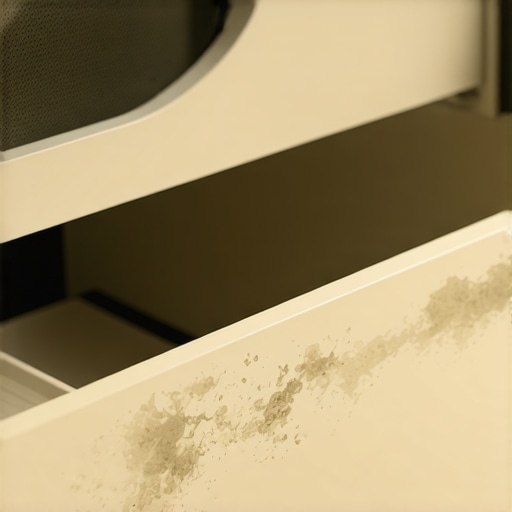
I vividly remember the moment I opened my washing machine’s soap drawer and was greeted not with fresh detergent but a stubborn layer of mold and grime. It was a lightbulb moment for me—realizing that this seemingly minor issue could impact my health and the longevity of my appliance. Like many homeowners, I had assumed regular cleaning was enough, but mold kept rearing its ugly head, no matter how often I scrubbed. Have you ever faced this frustrating problem?
Dealing with Mold in Your Washer’s Soap Drawer: Why It’s More Than Just an Aesthetic Issue
Sticky mold in the soap drawer isn’t just unsightly—it can harbor bacteria, produce unpleasant odors, and even lead to mechanical issues over time. The real concern? Hidden mold spores can transfer to your clothes, irritate sensitive skin, and cause respiratory discomfort. I learned this the hard way when I started noticing that my freshly cleaned laundry smelled musty and my allergies worsened. That’s when I realized my washer was silently working against my health.
Many folks underestimate the importance of keeping their appliances mold-free. Regular maintenance isn’t enough if you’re not paying attention to these often-overlooked spots. The American Mosquito Control Association states that mold spores can be found almost anywhere humidity exists, and washing machines are no exception. This is why a proactive approach to cleaning your washer’s components is essential.
Is Mold Growing in Your Washer Really Worth the Hype?
Early on, I made a mistake I believe many others do—I only cleaned the visible parts of my washer, neglecting the internal components and the soap drawer tracks. It seemed harmless at first, but mold spores are sneaky. This mistake underscored the importance of understanding the root causes. Now I know that a little extra effort on prevention can save you a lot of headaches—and money—down the line.
In this post, I’ll share practical, tried-and-true strategies to eliminate mold growth in your laundry machine’s soap drawer, ensuring healthier, fresher laundry every time. Let’s dive into the solutions that worked for me and can help you regain control over this common, yet often overlooked, household issue.
Remove Residue and Prepare Your Workspace
Begin by unplugging your washing machine to ensure safety. Pull out the soap drawer, much like removing a drawer from a desk to clean behind it. Use a damp cloth to wipe away surface dirt and soap residues. To loosen stubborn mold, soak a microfiber cloth in a mixture of equal parts white vinegar and hot water, then wipe the area thoroughly. This initial step prevents spreading mold spores during deep cleaning and sets the stage for effective treatment.
Deep Clean with Vinegar and Baking Soda
Pour a cup of white vinegar into the soap dispenser and run a hot water cycle without any laundry inside. This acts like flushing out the system, dissolving mold and soap scum. Next, sprinkle half a cup of baking soda directly into the drum and run another hot cycle. Imagine baking soda as a gentle abrasive that scrubs the interior and neutralizes odors. This combination is akin to giving your washer a detox, harnessing household ingredients for professional-level cleanliness.
Scrub the Components for Residual Mold
Use an old toothbrush dipped in vinegar or a commercial mold remover to scrub the soap drawer tracks and surrounding areas. Pay close attention to corners and crevices where mold hides, similar to cleaning the hidden corners of a closet that accumulate dust. For stubborn spots, apply a paste of baking soda and water, then scrub gently. After scrubbing, rinse with a clean, damp cloth. This tactical cleaning ensures that no mold spores are left to regrow, much like clearing debris from a clogged drain.
Dry and Prevent Future Growth
Wipe all components thoroughly with a dry cloth to prevent moisture from encouraging mold return. Leave the soap drawer ajar to allow air circulation—think of it as leaving a window open after a shower. Regularly repeating this cleaning routine every month helps maintain a mold-free environment. Implementing these steps is similar to routine vehicle maintenance: preventative care extends the lifespan and efficiency of your appliance.
Optimize Washer Settings and Usage Habits
Run maintenance cycles with hot water weekly utilizing specialized cleaning tablets or vinegar. Adjust your machine’s settings to reduce humidity, like installing dehumidifiers in damp areas. Also, avoid overloading the washer, which can trap moisture and mold spores—consider it as not overstuffing your suitcase to keep everything ventilated. By maintaining consistent care, you keep your washing machine both clean and efficient, supporting healthier laundry practices and appliance longevity.
If you’re interested in more appliance maintenance tips or upgrading your smart appliances, check out this guide for comprehensive insights. Remember, a clean washing machine is key to clean, fresh laundry and a healthier home environment.
Many homeowners assume that simply buying the latest smart appliances guarantees seamless automation and efficiency. However, even tech-savvy users often fall into traps based on common misconceptions. For instance, a widespread myth is that all smart appliances automatically optimize energy consumption without user intervention. In reality, default settings may not be ideal for every household, leading to increased utility bills and subpar performance. Advanced users know that customizing settings—such as adjusting energy-saving modes or scheduling cycle times—can significantly enhance appliance longevity and efficiency.
Why do most people overlook security risks with smart appliances?
It’s a mistake to think that smart appliances are inherently secure; in fact, they can be vulnerable to hacking if not properly configured. Experts warn that many users neglect firmware updates or fail to change default passwords, leaving their devices open to cyber threats. A report from cybersecurity specialist Brian Krebs emphasizes that IoT devices, including refrigerators and washing machines, often lack robust security features, making them potential entry points for cyberattacks. Therefore, regularly updating device firmware and using strong, unique passwords is crucial to protect your home network.
One common oversight is assuming that smart home integrations are foolproof and don’t require ongoing management. For example, integrating your smart refrigerator with other devices might seem straightforward, but incompatibilities can cause glitches, data privacy issues, or even malfunctioning appliances. Checking compatibility and adhering to manufacturer guidelines before expanding your system can save hours of troubleshooting later.
Another subtle nuance involves energy optimization features that many users activate without understanding their implications. Some cycles labeled as ‘eco modes’ might save water and electricity but could inadvertently extend cycle times or reduce cleaning effectiveness. Tailoring these options based on your specific needs ensures balanced performance. For practical insights, explore how smart washing machines can simplify laundry day without sacrificing cleanliness in this detailed guide.
Finally, I want to highlight that the data collected by these devices isn’t always secured adequately. Many users ignore privacy policies, unaware that their appliance usage patterns may be shared or sold. To learn how to protect your information while enjoying smart technology, review the comprehensive privacy considerations discussed here.
In essence, mastering smart appliances requires more than just setup; it demands ongoing awareness of security, settings, and compatibility nuances. Have you ever fallen into this trap? Let me know in the comments.
Investing in the Right Equipment for Longevity
One of the most effective ways to ensure your appliances remain in top shape is to invest in high-quality maintenance tools. I personally rely on a digital infrared thermometer to monitor the temperature of my refrigerator’s compressor and condenser coils. This simple device helps me catch potential issues before they escalate, saving costly repairs down the line. Additionally, using a microfiber cleaning cloth designed for electronic surfaces ensures I clean sensitive components without causing damage. For more advanced diagnostics, I use a multimeter to check electrical connections, which has saved me hours of troubleshooting and prevented appliance failures.
Regularly testing the voltage supply to your devices can reveal subtle electrical issues. According to the manufacturer’s technical documentation, inconsistent power supply can strain your appliances and accelerate wear and tear. Consistent use of these tools not only prolongs the lifespan of your appliances but also optimizes their efficiency, ultimately reducing energy costs.
Software and Apps That Simplify Maintenance
Managing smart home appliances can be streamlined with dedicated apps. I recommend using the manufacturer’s official app, which often includes remote diagnostics and maintenance alerts. For instance, my smart refrigerator’s app notifies me when the filter needs replacement or if internal temperatures drift outside recommended ranges. These notifications prompt timely action, preventing bigger problems.
Furthermore, I utilize third-party smart home management platforms that integrate various devices, allowing me to monitor and control multiple appliances from a single interface. This centralized control simplifies scheduling maintenance routines and energy management, making it easier to stay ahead of issues. As the trend toward integrated home systems grows, I predict these platforms will become even more intelligent, providing predictive maintenance alerts based on usage patterns and sensor data.
Routine Checks That Keep Appliances Going Long-Term
In addition to using tools and apps, routine manual inspections play a crucial role. I make it a habit to check the seals and gaskets on my refrigerator monthly, ensuring they are clean and free of cracks. A simple visual inspection can reveal wear that might cause energy loss or moisture leaks. Similarly, cleaning the condenser coils at the back of the fridge every six months with a vacuum or coil brush can significantly improve efficiency, as recommended by appliance experts.
For washing machines and dishwashers, I routinely inspect and clean the filters. The U.S. Department of Energy highlights that a clogged filter can cause excessive energy consumption and mechanical strain. Incorporating these simple checks into your routine ensures your appliances operate optimally for years to come.
Scaling Your Maintenance Routine as Technology Evolves
Looking ahead, I believe that as smart appliances become more sophisticated, maintenance will shift toward predictive analytics. Manufacturers are increasingly embedding sensors that monitor internal components and usage patterns, enabling devices to alert homeowners about impending issues before symptoms appear. This proactive approach minimizes downtime and repair costs.
For example, some refrigerators now include AI-driven diagnostics that analyze compressor performance and refrigerant levels, scheduling maintenance automatically when needed. Embracing these innovations will be key to maintaining peak performance in your smart home ecosystem. To stay ahead, I recommend exploring the latest models featured in this comprehensive guide on the top smart appliances for 2025.
How do I keep my appliances in top shape over time?
Consistent, proactive maintenance is essential. Use specialized tools like infrared thermometers and multimeters to monitor performance. Rely on manufacturer apps and smart home integrations for timely alerts. Regularly inspect seals, filters, and coils to prevent wear. And stay informed about emerging predictive maintenance features, so you can leverage technology to extend your appliances’ lifespan. Starting with a simple step, such as checking your refrigerator’s door seals monthly, can make a significant difference. Now, try implementing one advanced tip—like scheduling regular coil cleanings—to experience immediate benefits. For expert guidance on optimizing your appliance care, visit our contact page.
What No One Tells You About Extending Your Appliance Lifespan
The most valuable lesson I discovered is that proactive maintenance and regular attention are the secrets to durable smart appliances. Ignoring minor issues or skipping routine cleaning can lead to costly repairs down the line. For example, I used to overlook coil cleaning, until a simple routine check saved me from a fridge malfunction during a heatwave. Recognizing that small, consistent actions matter—that’s the real insider tip I wish I had known earlier.
My Go-To Tools and Resources for Smarter Appliance Care
Over the years, I’ve curated a toolkit that keeps my appliances in tip-top shape. My favorite is a digital infrared thermometer—trust me, monitoring compressor temperatures avoids hidden problems. I also rely heavily on the official manufacturer apps, which send maintenance alerts and simplify troubleshooting. For deep dives into appliance maintenance strategies, I highly recommend the comprehensive Ultimate Guide to Smart Home Appliances. Additionally, reputable sources like [Smart Appliance Review](https://smartappliancereview.com/contact-us) provide updates on the latest innovations and tips that keep me a step ahead in appliance care.
Your Next Step Toward a Smarter, Longer-Lasting Home
Embracing smarter maintenance routines isn’t just about saving money—it’s about creating a home that truly supports your lifestyle. Start small by scheduling monthly coil cleanings or setting up maintenance reminders through your apps. Remember, the effort you invest today ensures your appliances serve you well into the future. Ready to turn maintenance into a simple, rewarding habit? Share your experiences below and let’s grow smarter together.