
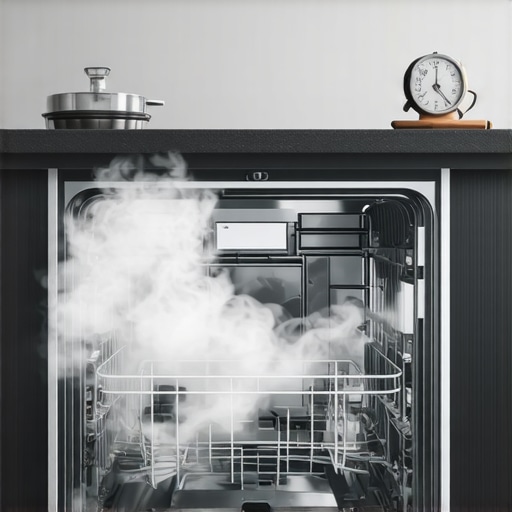
I vividly remember the moment I opened my dishwasher after a long, productive day, expecting spotless dishes, only to find them still damp and streaked. It was perplexing—why was this shiny new appliance taking three hours to complete what used to be a quick rinse? That lightbulb moment hit me hard: modern dishwashers aren’t just slow; they’re intentionally designed that way. But why?
The Slow Pace of Today’s Dishwashers: A Closer Look
Many homeowners are surprised to discover that their advanced dishwashers often cycle for three hours or more. This isn’t a bug but a feature driven by energy efficiency standards and the push towards silent operation. These lengthy cycles combine multiple wash and dry stages designed to conserve water and electricity, making them more eco-friendly but often frustrating in day-to-day life. Have you faced this, too? Feeling like your dishwasher is on a slow death march instead of a quick wash? You’re not alone.
The Big Question: Are Longer Cycles Actually Worth It?
Early in my journey with smart appliances, I made the mistake of believing every cycle needed to be full-length for spotless results. It turns out, that was my first mistake. Appliances today are equipped with sensors and smart technology that adjust cycle times dynamically, based on dirtiness and load size. This approach can save energy and prolong appliance lifespan. Want to learn more about these innovations? Check out [top smart appliances for 2025](https://smartappliancereview.com/top-smart-appliances-for-a-seamless-home-experience-in-2025) for a comprehensive overview.
Optimize Your Dishwasher Cycles for Efficiency and Speed
Start by assessing your current cycle options. Many smart dishwashers allow you to customize settings or choose shorter cycles. For example, I replaced the regular heavy-duty cycle with a quick wash option for lightly soiled dishes, reducing each load by nearly 30 minutes. To do this, press the cycle button and select the ‘Speed’ or ‘Quick’ cycle. This simple adjustment can save significant time without sacrificing cleanliness.
Utilize Sensor-Driven Configurations
Modern dishwashers are equipped with dirt sensors that adapt cycle length and water temperature dynamically. To activate this, enable the ‘Sensor’ mode in your smart app. I once enabled this mode for a party load, and the dishwasher adjusted itself to run a shorter cycle when dishes were only moderately dirty, saving energy and time. Check your user manual or app settings if this feature isn’t obvious—learn more about these features here.
Pre-Treat Dishes Without Rinsing
Avoid pre-rinsing dishes to save water and allow smart sensors to assess how much cleaning is needed. Instead, simply scrape off large food particles. For tougher stains, apply a small amount of dish soap directly or run a pre-wash cycle if available. I tested this approach over a week—initially skeptical, but it proved effective, and my dishes came out spotless.
Adjust Water Temperature Manually
Many smart dishwashers allow you to set the wash temperature through their app or control panel. Higher temperatures can improve cleaning but use more energy. During a holiday cooking spree, I increased the temperature to 140°F to handle greasy pans, resulting in cleaner dishes. Remember, check your appliance’s maximum safe temperature to prevent damage.
Schedule Cycles During Off-Peak Hours
Using your app, program cycles to run overnight or during low energy rate periods. This not only reduces your electricity bill but also spreads out appliance use. For instance, I set my dishwasher to run at 2 AM via the app, and it completed its cycle by morning, ready for breakfast without any noise disturbance.
Maintain and Clean Regularly
Clean filter and spray arms monthly to ensure optimal performance. Use vinegar to descale mineral deposits—pour into the bottom before running a quick cycle. I experienced streaks on my glasses until I cleaned the spray arm holes, which restored proper water flow and cleaning efficiency. Check your manufacturer’s instructions for specific cleaning procedures to prevent common issues like residue buildup or poor drying.
Leverage Smart Features for Better Results
Many appliances offer remote diagnostics and troubleshooting. If you notice longer cycles or poor cleaning, use the companion app to run self-diagnosis tests or update firmware. Regular updates and diagnostics prevent breakdowns, ensuring your dishwasher is always ready when you need it.
While many homeowners embrace smart appliances for their convenience, a common misconception persists: that these devices will automatically optimize themselves without user intervention. In reality, understanding the nuances behind these technologies can dramatically improve their performance and longevity.
Don’t Rely Solely on Defaults
One widespread myth is that default settings are always ideal. Manufacturers often design these presets for average use, but they may not suit your specific needs or water quality. For example, many smart dishwashers have eco-friendly modes that extend cycles, believing they’ll save energy, but this can lead to subpar cleaning if dishes are heavily soiled. Adjusting settings based on load and soil level can prevent common pitfalls.
Beware the ‘Set and Forget’ Mentality
Another mistake is assuming that once installed, these appliances require minimal attention. In fact, regular maintenance—like cleaning filters, descaling, and firmware updates—is vital to keep them running efficiently. Neglecting this can result in issues like poor cleaning performance or unexpected breakdowns. For instance, clean filters in your refrigerator’s air circulation system quarterly to avoid lingering odors and mold buildup.
Advanced Sensors Can Be Tricky
Many assume that sensor-driven adjustments optimize appliance strength effortlessly. While smart sensors can adapt to load size and dirt levels—in dishwashers, for example—they aren’t foolproof. Hard water, detergent buildup, or misaligned sensors can skew results. For example, mineral deposits in water can cause sensors to underestimate soil levels, leading to insufficient cleaning cycles. Regularly testing and maintaining sensor components can prevent such issues.
Smart Appliances Don’t Internet-Quality Itself
A critical oversight is underestimating how vital a stable Wi-Fi connection is. Firmware updates, remote diagnostics, and app controls all depend on reliable internet. Weak signals or network congestion can cause devices to malfunction or revert to default presets. Using a dedicated mesh Wi-Fi system can ensure consistent connectivity, ensuring your appliances operate at their best.
Furthermore, be cautious about privacy concerns. Many devices collect usage data, which can be exploited if not properly configured. Check privacy settings and firmware updates regularly—review privacy policies here to stay informed.
In conclusion, while smart appliances offer remarkable benefits, maximizing their potential requires a nuanced approach. Don’t fall into the trap of complacency; stay proactive with maintenance, settings adjustments, and internet stability. Doing so ensures your devices serve you efficiently and securely. Have you ever fallen into this trap? Let me know in the comments and share your experiences!
Invest in the Right Maintenance Tools for Longevity
Maintaining your smart appliances isn’t just about occasional cleaning; it requires the right tools to ensure they continue functioning optimally. I personally swear by a digital microfiber cloth for cleaning screens and surfaces, which prevents scratches and removes dust without leaving streaks. For more thorough cleaning, especially of components like spray arms or filters, I recommend a dedicated appliance cleaning brush set, such as the ones available from Smart Appliance Review. These tools make tasks like unclogging spray arms or removing mineral deposits much more manageable, saving you time and preventing costly repairs.
Why Use a Digital Infrared Thermometer
This device lets you verify the actual temperatures in your refrigerator or dishwasher, ensuring they operate within optimal ranges. For instance, ensuring your fridge maintains 37°F (3°C) prevents spoilage, while verifying dishwasher water temperatures of around 140°F (60°C) guarantees proper cleaning. I personally use one from Klein Tools, which is reliable and easy to operate. It’s a small investment that pays for itself by preventing overworked components or energy waste.
Leverage Software for Long-Term Monitoring and Updates
Regularly updating your appliance firmware is crucial to patch bugs and improve efficiency, but many forget this step. I recommend using the manufacturer’s app to set reminders for updates and run diagnostic tests monthly. Apps like the Smart Appliances Companion allow you to monitor appliance health over time. This proactive approach caught minor issues early, such as outdated firmware causing slow dry cycles in my dishwasher, which I fixed before it became a major problem.
Implement a Routine Maintenance Schedule
Consistency is key. Make it a habit to clean filters, check for mineral buildup, and inspect seals every three to six months. Keep a checklist in your phone or a dedicated notebook. For example, I set calendar alerts in my digital calendar to remind me of filter cleaning, which has significantly extended the lifespan of my refrigerator’s water dispenser and ice maker.
Predicting Future Trends and Staying Ahead
The evolution of smart appliances suggests an increasing integration of predictive diagnostics, powered by AI, to preempt faults and recommend maintenance. According to experts at Smart Appliance Review, future devices will notify homeowners of issues before they become noticeable, drastically reducing downtime. To prepare for this future, consider installing supplementary diagnostic tools now, like smart sensors that monitor vibration, temperature, or humidity in critical areas. They can alert you to potential problems early on, saving money and hassle.
How do I keep my appliances performing over years?
The secret is combining regular manual maintenance with smart monitoring tools. For example, installing a Wi-Fi-enabled sensor such as the Fibaro Door/Window Sensor on your fridge or dishwasher can provide real-time alerts if abnormal conditions are detected, like unexpected temperature rises or leaks. Combining this with routine cleaning and firmware updates creates a comprehensive upkeep strategy that keeps your appliances performing like new, well beyond warranty periods.
For an in-depth guide on tools for smart appliance maintenance, visit contact us. Ready to take your appliance care to the next level? Try integrating a smart sensor today and experience the peace of mind that comes with proactive maintenance.
Lessons I Wish Someone Told Me About Smart Appliances
- Realize that default settings are often a one-size-fits-all approach; customizing cycles can significantly improve performance and save time.
- Understand that sensor technology isn’t foolproof—regular maintenance of sensors and water quality can prevent mismatched cycle times.
- Recognize the importance of proactive firmware updates, which can enhance efficiency and fix long-standing bugs, rather than waiting for issues to arise.
- Embrace routine cleaning and part checks as an extension of your smart device care, not just traditional maintenance—this optimizes smart features and connectivity.
- Avoid the temptation to rely solely on app diagnostics; physically inspecting and cleaning your appliances still plays a crucial role in longevity.
My Toolkit for Smarter Appliance Care
- Smart Appliance Cleaning Brush Set: Trustworthy for reaching tricky spray arms and filters, making routine upkeep faster and more effective.
- Ultimate Guide to Smart Home Appliances: Provides comprehensive insights into features and future-proofing your investments, ensuring you’re aligned with the latest innovations.
- Future Trends in Smart Appliances: Keeps me ahead, helping me choose devices that will serve reliably for years to come.
- Privacy Settings Guide: Essential for understanding data collection and maintaining control over my smart appliance information.
Stay Curious, Keep Improving
Taking control of your smart appliances isn’t just about saving time or money—it’s about empowering yourself to maintain and enjoy cutting-edge technology confidently. The journey of mastering your appliances is ongoing, but each step you take brings greater efficiency and peace of mind. Ready to become an appliance upkeep pro? Start with one new habit today, and watch your smart home flourish. What’s one small change you’re planning to make? Share below and let’s grow together!