
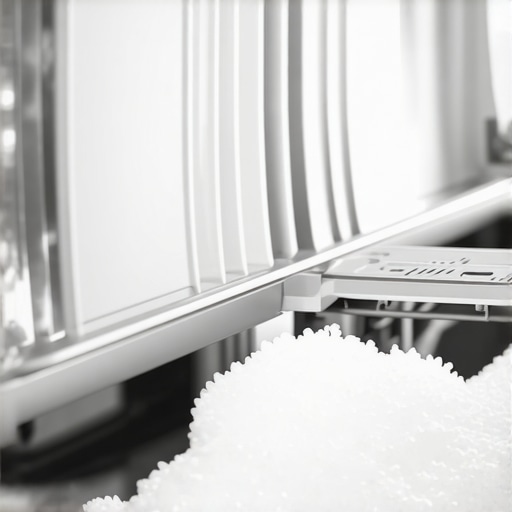
Have you ever opened your dishwasher after a cycle and noticed stubborn spots on your glasses or a lingering sour smell? I sure have, and for a long time, I thought it was just the nature of hard water or a poorly functioning machine. That frustrating feeling of somehow wasting effort and good money on appliances that just can’t deliver the shine we want is all too familiar. It wasn’t until I made a surprising discovery about dishwasher salt that everything changed—my dishes looked better, and my appliances lasted longer.
Why Skipping Dishwasher Salt Can Sabotage Your Efforts
Many people underestimate the importance of dishwasher salt. They think it’s an unnecessary luxury or just a fancy extra, but let me tell you—it’s vital, especially in areas with hard water. Hard water, which contains high levels of minerals like calcium and magnesium, can cause mineral buildup inside your machine. Over time, this buildup not only dulls your dishware but also strains your appliance, making it less efficient and more prone to breakdowns. I learned this firsthand when I ignored the need for salt, and my dishwasher started leaving spots and a weird smell.
When I finally added dishwasher salt, I noticed instant improvements. My glasses were clearer, the washing cycle was more effective, and I saved on detergent—because the machine wasn’t fighting the mineral-rich water anymore. It’s akin to giving your appliance a little boost, allowing it to perform at its peak, just like the latest models that utilize advanced water treatment features. For more on how smart appliances are revolutionizing our home routines, you might want to check out the top smart appliances for 2025.
So, if you’ve been frustrated with inefficient cleaning or noticing mineral deposits, the answer might be as simple as using dishwasher salt regularly. But there’s more to this story—many of us make rookie mistakes early on that undermine the effectiveness of these small but mighty improvements. Let’s dive into those next.
Start With a Proper Salt Refill Routine
Recall the first time I added dishwasher salt, which was a messy affair—I spilled granules all over the floor, and it took a moment to clean up. To get it right, ensure your machine is empty, then locate the salt container—often at the bottom or side of the dishwasher—and unscrew the cap. Use a funnel to pour the recommended amount of dishwasher salt, which you can find in your appliance’s manual. Regularly refilling salt is like tuning your car engine; it keeps everything running smoothly and prevents mineral deposits from accumulating, especially in hard water zones. For detailed instructions, visit how to clean the built-in grinder in your dishwasher.
Configure Your Water Softening Settings Correctly
Identify Your Hard Water Levels
To optimize salt usage, test your water hardness using a kit or by consulting your water provider. This information guides you in setting your dishwasher’s water softening level—higher hardness requires more frequent salt refills. Think of this like adjusting the seasoning in a recipe; too little, and your dishes suffer; too much, and you’re wasting resources. Accurately tuning this setting can extend the lifespan of your appliance and improve cleaning results. Proper configuration can be checked in your appliance’s control panel or through the app if it’s a smart model.
Adjust Settings for Efficiency
Set the hardness level in your dishwasher’s menu, often found under maintenance or settings. If you notice persistent mineral spots or soap residue, increase the softening level temporarily. Conversely, if your dishes come out spotless without using much salt, lower the setting to conserve resources. This process is like programming your smart home devices—small adjustments yield big benefits. For insights into smart programming, see ultimate guide to smart appliances.
Keep Your Machine Clean and Calibrated
Every few months, run a cleaning cycle with vinegar or specialized dishwasher cleaner to eliminate buildup. Also, periodically inspect and clean the spray arms, filters, and the door gasket—these are the ‘valves’ and ‘seals’ that keep your appliance functioning optimally. I once ignored a clogged spray arm, which resulted in dull glasses for weeks; rectifying it involved removing the arm (a simple procedure) and flushing out debris. Regular maintenance is like servicing your bike—small tweaks prevent big breakdowns. For a step-by-step guide, check how to clean a moldy rubber gasket.
Utilize Smart Features to Maximize Results
If you own a smart dishwasher, leverage features like load sensors or cycle optimization to reduce detergent and water use while improving cleanliness. Connecting your appliance to your home network allows remote monitoring and notifications about maintenance needs. I used to guess whether my dishes were truly clean; now, an app alerts me when a rinse cycle is complete or if a filter needs replacement. It’s the difference between manual effort and automated intelligence—akin to the evolution of our washing routines, as explained here.
Tackle Troubleshooting Head-On
When issues arise—like persistent spots despite salt refills—diagnose quickly. Check for clogged filters, spray arms, or incorrect cycle settings. If the problem persists, refer to your user manual or consult online guides, ensuring you don’t waste resources on unnecessary repair calls. I once discovered a blocked spray arm that I’d overlooked; cleaning it resolved my problem in minutes. Think of troubleshooting as performing a health checkup for your appliance—regular and proactive. For common issues, visit why your dishwasher leaves particles.
While most of us assume that modern home appliances like refrigerators, dishwashers, and washing machines are foolproof, there’s often more beneath the surface than meets the eye. **Contrary to popular belief, many consumers get tripped up by misconceptions about what these devices are truly capable of.** For example, a common myth is that all refrigerators are equally energy-efficient, but in reality, specific features determine their efficiency levels, which can significantly influence long-term costs—check out the latest trends in refrigerator innovations for 2025.
Keeping It Working: Essential Tools for Home Appliance Maintenance
To ensure your appliances operate efficiently over the long haul, I personally rely on a few specialized tools. A digital multimeter helps me diagnose electrical issues in smart appliances, preventing unnecessary repairs and downtime. I use a microfiber cloth and a soft brush for routine cleaning of filters, vents, and sensitive electronic panels, which keeps units like refrigerators and washing machines free of dust and grime. For persistent mineral buildup, a descaling solution with a spray bottle makes targeted treatment easy without disassembling components.
Another indispensable tool is a customizable appliance calibration kit, which allows me to fine-tune settings such as water hardness in dishwashers or temperature controls in refrigerators. Regular calibration can dramatically extend the lifespan and efficiency of your devices, especially newer smart models that rely on precise sensors. As appliances evolve, so do the tools needed to keep them in top shape. I predict that in the coming years, we’ll see more AI-driven diagnostic devices that connect directly to your home Wi-Fi, enabling real-time monitoring and predictive maintenance alerts, reducing unexpected failures.
My Favorite Software and Resources
Beyond hardware, I strongly recommend installing manufacturer-specific diagnostic apps. Many smart appliances now come with companion apps that provide troubleshooting guides, firmware updates, and remote diagnostics. For instance, LG’s ThinQ app or Samsung’s SmartThings app can identify issues early, saving time and money. I also rely on online forums like the appliance section on Reddit or dedicated professional websites where industry experts share insights on troubleshooting complex problems.
To streamline maintenance routines, I use scheduling apps such as Google Calendar or Todoist to set reminders for filter changes, descaler applications, or calibration checks. This proactive approach prevents small issues from becoming costly repairs. Keep in mind, staying ahead with regular maintenance can save you hundreds annually and ensure your appliances serve you reliably for years to come.
How do I maintain appliances over time?
Implementing a scheduled routine that includes both physical inspections and software updates is key. For example, setting quarterly checks for drain hoses, seals, and lubricant levels ensures everything remains functional. Regularly updating firmware via manufacturer apps not only adds new features but also patches security vulnerabilities, especially important in smart appliances. Consulting the expert advice at this resource helps me stay informed about new maintenance techniques and smart features. I encourage you to try syncing your appliances with a maintenance app and setting up periodic reminders—it’s a simple step that pays off big in appliance longevity and performance.
Three Surprising Truths I Wish I Knew About Smart Washers and Dishwashers Early On
My journey into optimizing home appliances revealed that even the most advanced devices hide intricate details most users overlook. For instance, I discovered that calibrating my dishwasher’s water softening settings based on local water hardness made a dramatic difference in cleaning efficiency. Recognizing that regular software updates could prevent unexpected malfunctions kept my appliances running smoothly and saved money. Additionally, understanding the importance of routine cleaning—like descaling my refrigerator’s water dispenser—prevented costly repairs and preserved food freshness. These lessons, gained through personal experience and continuous learning, have helped me unlock my appliances’ full potential and enjoy a more seamless home routine.