
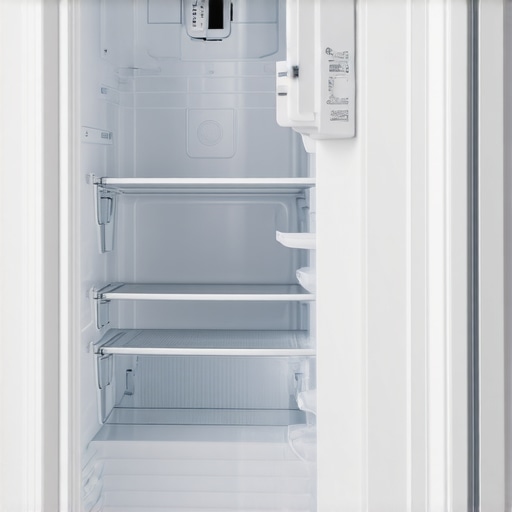
It happened on a busy Saturday afternoon. I opened my refrigerator to grab some fresh veggies, only to be greeted by a thick layer of ice building up on the walls and shelves. That unsettling crunch as I tried to slide open the crisper drawer made me realize something was seriously wrong. I’d faced minor freezing issues before, but this time, it was worse than ever. Have you ever experienced that frustrating moment when your fridge seems to turn into an ice cave? Well, you’re not alone, and I want to share how I finally cracked the code.
Decoding the Frost Frenzy in My Fridge
Frost buildup in refrigerators isn’t just a minor inconvenience; it can lead to increased energy bills, reduced cooling efficiency, and even food spoilage. My lightbulb moment came when I realized I wasn’t alone in this struggle. According to appliances expert Lee Taylor, “Persistent frost can be caused by several factors, from faulty door seals to incorrect temperature settings”. Recognizing the root cause can save you time, money, and a lot of frustration.
Is Over-Defrosting the Real Culprit?
Early on, I mistakenly thought that constantly defrosting my fridge manually would solve the problem. Turns out, this approach might do more harm than good. I used to ignore the warning signs of a failing door seal because I didn’t understand how critical it was. If you’re wondering whether your frost issue is worth the fuss, I can assure you—the answer is yes. Left unaddressed, excessive frost can impair your fridge’s energy efficiency and shorten its lifespan.
If you’re curious about ensuring your smart fridge functions optimally and avoiding common pitfalls, check out this comprehensive guide on [why your smart fridge’s grocery list is always out of sync](https://smartappliancereview.com/why-your-smart-fridges-grocery-list-is-always-out-of-sync). Now, let’s dive into the practical steps that helped me regain control and keep my fridge frost-free.
Inspect and Replace the Door Seals to Keep Moisture Out
My first move was to carefully examine the door gaskets, which are like the refrigerator’s armor against outside air. Over time, these seals can crack or lose elasticity, letting warm, humid air in and causing frost. I opened the door and felt around for any cracks, then closed it tightly to see if the seal was airtight. When I noticed gaps, I replaced the gasket, which is straightforward if you follow the detailed instructions in this guide. Afterward, I tested the door by closing it on a dollar bill — if it slipped out easily, I knew the seal wasn’t tight enough. Ensuring the door seals are intact is crucial to preventing excess frost buildup.
Set the Correct Temperature for Optimal Cooling
Next, I checked the temperature settings. Think of your fridge as a cooling strategy that needs just the right level of aggression; too cold, and you risk freezing items unnecessarily; too warm, and food can spoil. I used a thermometer to verify the internal temperature—aiming for around 37°F (3°C). If the temperature was off, I adjusted the thermostat, usually located inside the fridge, following my appliance manual. Proper temperature control reduces the workload on the cooling system and minimizes frost formation. For complex smart fridges, calibration may be needed, which you can learn about here.
Defrost the Refrigerator to Clear Existing Ice
When the frost became thick, I chose a manual defrost to kickstart the reset. I disconnected the power, removed all food, and left the door open to let the ice melt naturally. Placing towels at the base helped catch dripping water. For quicker results, I used a hairdryer on low (carefully to avoid overheating components) — but only if you feel confident in handling appliances. This process is also supported by a step-by-step guide. While messy, this method cleared the frost, revealing any underlying issues like ineffective door seals or blocked vents.
Clean and Organize Ventilation Paths for Proper Airflow
Frost often forms when airflow inside the fridge is obstructed, causing cold spots where moisture condenses. I cleaned dust off the vents and fans, paying attention to areas behind shelves. If your fridge has an automatic defrost feature, make sure it’s functioning; sometimes, ice can block the drainage hole, trapping ice inside. I used a flexible brush to clear debris from the vents and checked for debris in the drainage channel, clearing it if needed. Proper airflow is akin to maintaining a clear highway: essential for consistent temperature and moisture control.
Adjust or Repair the Defrost System to Prevent Recurrent Ice
If frost kept forming, I investigated the defrost timer, heater, and thermostat. These components work as a team to prevent ice accumulation. I tested the defrost timer by listening for a clicking sound as it switched modes periodically. If there’s no sound or the defrost heater isn’t activating, I replaced the faulty parts following tutorials like this troubleshooting. Ensuring the defrost system runs smoothly keeps frost at bay, much like a well-timed sprinkler system prevents water stagnation.
Regular Maintenance Is Key to a Frost-Free Future
Finally, I established routine checks — every three months, I cleaned door gaskets, verified temperature settings, and inspected vents. Scheduling these tasks prevents frost from creeping back, saving energy and extending the fridge’s lifespan. Remember, a proactive approach is better than waiting for ice to become a mountain on your shelves. For smart appliance optimization, consider exploring tips on smart fridge management. With consistent care, your fridge stays cool without the frost bite.Many homeowners assume that modern appliances are foolproof and require minimal attention, but this misconception often leads to costly mistakes. A common myth is that all smart appliances automatically optimize themselves without user intervention. In reality, many smart devices, such as refrigerators or dishwashers, depend heavily on proper setup and maintenance to function at their best. Overlooking firmware updates or ignoring signs of malfunction can significantly reduce their lifespan and efficiency. For instance, neglecting to calibrate your smart fridge’s sensors can cause inaccurate temperature readings, leading to spoiled food despite a high-tech image, emphasizing the importance of regular software updates and calibration— you can learn more about maintaining smart appliances here.
Are All Refrigerator Moisture Problems Caused by Seals? Think Again
Superficially, many believe that replacing door seals will solve all moisture issues. However, humidity problems can also stem from blocked vents or improper defrost cycle functioning. Simply changing seals without addressing airflow pathways might only be a temporary fix. Advanced users should inspect and clean ventilation channels regularly, as blocked vents trap moisture and promote frost buildup, which experts suggest can be mitigated through routine maintenance—more detailed guidance is available here. Always consider that interconnected systems in smart appliances require a holistic approach rather than focusing on a single component.
Furthermore, many make the mistake of assuming that energy efficiency ratings alone guarantee lower utility bills. However, studies show that usage habits and maintenance practices have a more significant impact. Misunderstanding these nuances can lead to over-reliance on appliance ratings, neglecting important steps like ensuring proper leveling of washing machines— a simple fix that prevents excessive vibration and noise, as explained here. Adjusting your expectations and understanding the complex interplay of appliance features enables smarter, more informed choices.
Finally, many users are unaware of the subtle but crucial differences among similar appliances, such as the noise profiles of dishwashers. Choosing a model solely based on brand reputation overlooks factors like sound level or vibration, which are critical for second-floor laundry. Listening for these details can prevent later dissatisfaction—learn more about quiet washer options here. It’s these detailed insights that separate average consumers from appliance aficionados.
Have you ever fallen into this trap? Let me know in the comments.Maintaining your home appliances requires more than just occasional cleaning—it involves investing in the right tools, software, and consistent habits to ensure their longevity. One of my go-to instruments is a high-quality digital multimeter, which I use to test electrical circuits in refrigerators and washing machines, helping me identify faulty components before they lead to costly repairs. Additionally, a reliable smartphone app paired with smart appliances allows me to monitor performances remotely, such as checking if my smart fridge’s temperature sensors need calibration, as detailed in this guide. For routine maintenance, I rely on a flexible, long-handled brush to clean vents and drainage channels, preventing blockages that cause frost buildup or leaking. Regular firmware updates are vital—these patches often fix bugs and enhance features, extending the lifespan of devices like smart dishwashers and refrigerators. I personally schedule these updates quarterly, synchronizing them with my appliance manual recommendations. Predictively, this diligent approach aligns with the evolving trend of IoT-integrated appliances, which will soon offer automated diagnostics and self-maintenance capabilities, reducing manual intervention. To keep your appliances from becoming silent failures, I recommend adopting a preventive mindset: regularly inspecting door seals, calibrating sensors, and using diagnostic tools to catch issues early. Try using a multimeter to test your refrigerator’s compressor circuit; this simple step can often forewarn you about impending failures before they become audible or visible. Remember, empowering yourself with the right tools and knowledge not only saves money but also ensures your appliances serve you efficiently for many years.
The Hardest Lesson I Learned About Home Appliances
One of my most eye-opening experiences was realizing how a small oversight—like neglecting a door seal—can lead to hefty frost buildup, energy waste, and even appliance failure. I used to believe that regular defrosting was the ultimate solution, but I discovered that understanding the root causes is far more effective. Truly, it’s about proactive maintenance and keen observation.
3 Myths About Refrigerators That Held Me Back
- Myth 1: Energy-star ratings guarantee energy efficiency.
Reality: Proper usage and maintenance impact bills more than ratings alone. - Myth 2: Replacing seals fixes all frost problems.
Reality: Vents and defrost systems play crucial roles too. - Myth 3: Modern appliances need minimal attention.
Reality: Regular checks extend lifespan and efficiency.
What Experts Won’t Tell You About Smart Appliance Longevity
Many overlook the importance of firmware updates and sensor calibration on smart appliances. I learned that neglecting these can cause inaccurate readings, leading to worsening issues like frost or spoilage. For instance, regularly calibrating your smart fridge’s temperature sensors using guides such as this one can make a real difference. Plus, keeping software current helps prevent glitches and extends device life.
My Essential Toolkit for Appliance Maintenance
- Digital Multimeter: Critical for diagnosing electrical issues early, preventing costly repairs.
- Flexible Cleaning Brushes: Perfect for vents, drainage channels, and filters to maintain optimal airflow and prevent frost formation.
- Smartphone App Integration: Offers remote monitoring and diagnostic alerts, making proactive management simpler.
- Quality Replacement Parts and Manuals: Always have genuine gaskets and repair guides on hand—trustworthy parts ensure longevity.
Your Turn to Take Action and Embrace Smarter Maintenance
Taking small, consistent steps can drastically improve your appliances’ performance and lifespan. Whether it’s checking door seals, calibrating sensors, or scheduling firmware updates, each action adds up. Remember, a little knowledge combined with practical tools transforms appliance care from a chore into a rewarding part of homeownership. So, what proactive step will you try today to keep your fridge frost-free and your appliances running smoothly? Share your plans below—I love hearing how you’re taking charge!