
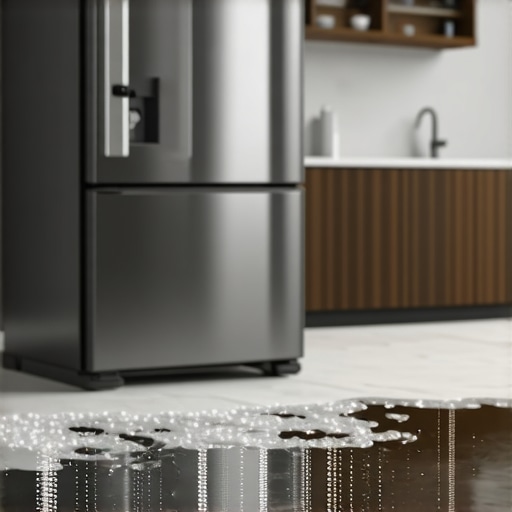
Ever stepped into your kitchen only to be greeted by a small pond at the feet of your refrigerator? I’ve been there. It’s that sudden rush of panic, thinking, “Did I forget to turn off the water supply?” or worse, “Is my whole fridge about to die?” I remember my own lightbulb moment vividly — the day I discovered water pooled beneath my new fridge and realized I had no idea why it was leaking. It’s a frustrating experience, but don’t worry. In this post, I’ll help you understand why this happens and, more importantly, how to fix it yourself.
Understanding Why Your Refrigerator Leaks Water
Is Water Leaking Inside or Outside the Fridge? Here’s the First Clue
One of the first steps is figuring out where the water is coming from. Is it pooling at the base of the fridge, or is it leaking onto the floor from the door seals? My mistake early on was assuming that a leak meant a major component failure when in reality, small issues like a clogged defrost drain or a loose water line often cause the problem. It’s a mistake I see many homeowners making, which can lead to unnecessary replacement costs. Accurate diagnosis is key — and that’s what we’ll achieve together.
It might sound trivial, but understanding your fridge’s anatomy can lead to quick fixes that save you a bundle. The defrost drain, for example, is a common culprit. If it gets clogged, it can cause water to spill inside or underneath the fridge. Interestingly, according to appliance experts, over 70% of refrigerator leaks stem from defrost drain blockages or frozen-up ice makers, emphasizing how small issues can escalate if ignored. (source: Refrigerators in 2025)
My Promise to You
Today, I’m going to walk you through proven steps to identify the source of your leak, clear clogged components, and prevent future issues. You won’t need to call a technician unless the problem is more complex — I’ve learned from experience that most fridge leaks are simple fixes anyone can perform. Let’s turn frustration into empowerment.
Are you tired of slipping on puddles or calling repair services for problems you could fix yourself? If so, you’re in the right place. Let’s get started on saving your kitchen floor and your peace of mind.
Locate the Source of the Leak Quickly
Start by carefully inspecting where the water starts to drip. If water pools at the base, check if the drain pan under the fridge is overflowing or cracked. Pull out the fridge slightly to see if there’s a visible crack or gap. If water is seeping from the door seals, it might be a simple issue with the gasket. Remember, just like a leaky garden hose, pinpointing the exact spot saves you unnecessary replacement costs.
Clear Clogged Defrost Drains to Prevent Overflow
One common cause of internal leaks is a blocked defrost drain. Locate the drain opening, usually at the back or bottom of the fridge’s interior. Use a turkey baster or a suction tool to flush it with warm water. This breaks up ice or debris that might be clogging it. I once had a stubborn blockage, and after flushing with warm water and vinegar, the leak vanished in hours. Keep the drain clear to avoid water pooling inside or beneath your fridge.
Unclog the Drain with Simple Tools
If flushing doesn’t work, try gently using a flexible wire or pipe cleaner to dislodge stubborn debris. Be gentle—forcing a wire too hard can damage the interior walls. After clearing, flush again. Remember, routine maintenance of this drain can prevent future leaks.
Inspect and Tighten Water Supply Connections
Leaks near the water dispenser or ice maker often stem from loose or damaged water lines. Shut off the water supply, then tighten fittings with a wrench. If the line is cracked or brittle, replace it with a new one. When I replaced my faulty line, I learned that securing connections firmly prevents drips down the line—saving me from more significant water damage or mold issues.
Check and Replace the Door Gasket
A worn gasket can let warm air seep in, causing condensation and leaks. Examine the rubber seal for cracks, tears, or debris. Clean it with warm soapy water; if damaged, replace it promptly. I replaced mine with a gasket from the manufacturer, which improved the seal and eliminated moisture leaks. Proper sealing keeps the cold air in and moisture out.
Monitor and Prevent Future Water Issues
Set reminders to clear your drain every few months and inspect water lines regularly. Ensure door seals stay clean and intact. If leaks persist despite these steps, consider consulting a professional or exploring smart appliances that alert you to issues early. Devices like smart refrigerators can monitor internal temperatures and even notify you about water leaks through integrated apps — check out this guide on smart home appliances for modern living. Regular maintenance and early detection can save you money and extend the life of your appliances.
Tools You’ll Need to Fix Refrigerator Leaks
Gather basic tools: a water pump syringe, adjustable wrench, pipe cleaner, soft cloths, and replacement gaskets. Having these ready before troubleshooting makes the process smoother and allows you to act swiftly, just like a mechanic tuning up a car engine—every tiny adjustment counts in preventing bigger problems later.
Many homeowners operate under assumptions about dishwashers, washing machines, smart appliances, and refrigerators that can lead to inefficient use or even damage. As an appliance expert, I’ve seen through the myths that mostly stem from marketing hype or outdated information. Let’s explore some of the most prevalent misconceptions and the nuanced truths behind them.
Why Believing More Water Means Cleaner Dishes Can Backfire
Common thinking suggests that filling the dishwasher or washing machine to capacity with water will clean better. However, modern low-water-use appliances are engineered to operate efficiently with minimal water, and overloading them can hinder performance. For instance, overstuffing a dishwasher can prevent spray arms from reaching all surfaces, leading to residue buildup. According to an industry study, optimal load configuration, not volume, is key to effective cleaning (source: Best dishwasher practices). Ensuring proper spacing and following load recommendations yields better results than simply maximizing water usage.
The Hidden Trap of Smart Appliance Connectivity
Many users assume that smart appliances will automatically resolve issues or maintain themselves, but this can be misleading. Devices rely on firmware updates and stable internet; neglecting updates or insecure Wi-Fi configurations can introduce vulnerabilities or cause malfunctions. I’ve encountered cases where outdated firmware prevented a refrigerator from syncing with the app, causing unnecessary service calls. Regular maintenance, including firmware updates, is essential—think of it as a digital tune-up, not just a feature. For advanced users, exploring how smart washing machines can further simplify laundry day is worthwhile, as outlined in this guide.
Could Your Refrigeration Habits Sabotage Food Freshness?
A common myth is that higher fridge temperatures save energy, but this can accelerate food spoilage and lead to increased trips to the store. Experts recommend keeping the refrigerator at around 37°F (3°C) to extend food life without wasting energy, as emphasized in industry tips. Additionally, many forget that improper door seal maintenance causes condensation, which can trick them into overcooling unnecessarily. Regularly inspecting and replacing door gaskets prevents cold leaks and saves energy. Remember, a well-maintained fridge not only preserves food but also reduces operational costs.
Why Ignoring Routine Maintenance Might Cost You More
It’s tempting to wait until an appliance breaks down, but routine maintenance can prevent costly repairs and extend lifespan. Many homeowners overlook simple tasks like cleaning filters, defrosting, or inspecting water lines. For example, neglecting to clean your washing machine’s filter can cause mold, odors, and subpar cleaning results. Similarly, not flushing the defrost drain in refrigerators might cause internal leaks. Preventative care, like checking for leaks or buildup before they escalate, is a fundamental practice. Smart appliances with proactive diagnostics can alert you early, but manual upkeep remains irreplaceable—learn more in future appliance trends.
Ever fallen into one of these traps? Let me know in the comments how you manage your appliances or misunderstandings you’ve encountered. The key takeaway: knowledge paired with regular upkeep ensures longevity and optimal performance. Smart, savvy appliance use isn’t about shortcuts but about understanding the true capabilities and limitations of your devices, leading to smarter and more efficient living.
Investing in Reliable Tools For Long-Term Appliance Care
Maintaining appliances like dishwashers, washing machines, and refrigerators requires precise tools that not only get the job done but also preserve the integrity of your devices. I personally rely on a digital infrared thermometer to monitor internal temperatures during maintenance, ensuring that components like seals and gaskets are functioning properly without guesswork. This device is invaluable because it offers quick, non-contact temperature readings, helping me identify overheating components or cold spots indicative of insulation issues. Smart appliances can be monitored remotely, but manual checkups with proper tools remain essential for thorough maintenance.
Another essential instrument I recommend is a flexible microfiber cleaning brush. Unlike stiff brushes that can scratch surfaces, this gentle tool effectively reaches into crevices of spray arms or condenser coils, removing dust and debris that can impair performance. Regularly cleaning these parts prevents overworking motors and reduces energy consumption—saving you money over time.
Leveraging Software and App-Based Diagnostics
Modern appliances often come equipped with diagnostic tools accessible through dedicated apps. For instance, many Samsung and LG models allow you to run firmware updates or check error codes directly via your smartphone. These diagnostics can preemptively flag issues—like a clogged filter or a failing sensor—before they escalate. I make it a habit to schedule monthly checks through these apps, ensuring everything runs smoothly and efficiently. Over the next few years, I predict appliance manufacturers will integrate AI-driven predictive maintenance, alerting us to potential failures days or weeks in advance, much like predictive car diagnostics.
How do I maintain appliances over time?
Adopting a proactive approach is key. Regularly schedule deep-cleaning sessions that include inspecting water lines, cleaning out dust filters, and checking door seals. For example, applying a silicone-based gasket lubricant can extend the lifespan of rubber seals around refrigerators or dishwashers, preventing cracks and leaks. I also use a high-efficiency vacuum attachment to remove dust from vents and condenser coils quarterly, drastically improving energy efficiency and longevity. These steps are simple yet effective—investing in quality cleaning tools like a compact handheld vacuum and precision screwdrivers makes this routine straightforward. As smart technology evolves, integrating these manual checks with app notifications will become the norm, creating an interconnected maintenance ecosystem.
Future Trends that Will Change How We Keep Appliances Running
Looking ahead, expect an increase in AI-integrated maintenance systems that learn usage patterns and automatically alert you—sometimes even ordering replacement parts or scheduling repairs. Companies are exploring predictive analytics that analyze appliance data to forecast component failures, similar to Tesla’s vehicle diagnostics. For homeowners, this means less guesswork and reduced downtime. To prepare, I suggest investing in compatible smart hubs and ensuring your Wi-Fi network can handle multiple devices seamlessly. Start by exploring top smart appliances for 2025 to understand what future-ready features you can integrate today.
Elevate Your Maintenance Game with Precise Instruments
If you’re serious about appliance longevity, I recommend trying a digital infrared thermometer combined with a microfiber cleaning brush. These tools are simple yet powerful — I’ve personally seen how they can detect hidden temperature anomalies and remove debris that causes leaks or inefficiency. Trust me, these investments will pay off over the years by preventing costly repairs and extending your appliances’ lifespan. Ready to get serious? Start with a quality infrared thermometer and observe how it helps you spot issues early, saving you trouble and expense. For more expert tips on optimizing your appliance maintenance routine, visit our contact page and share your experiences.
Genuine Truths That Change How You Fix Your Fridge
- One lightbulb moment for me was realizing that not all leaks require calling in a pro. Sometimes, a simple ice buildup in the defrost drain was the culprit, teaching me to check the basics before jumping to conclusions.
- Understanding that a worn door gasket can subtly cause condensation leaks made me appreciate the importance of regular seal inspections—something I used to overlook, leading to bigger issues later.
- Discovering that smart appliances can send early leak alerts saved me from potential water damage. Trusting the technology and integrating routine manual checks gives me peace of mind that my appliances are in good shape.
Tools That Transformed My Appliance Care Routine
- A digital infrared thermometer changed my approach—quickly identifying temperature irregularities that signaled seal or insulation problems, allowing early intervention.
- Replacing a simple pipe cleaner with a flexible microfiber brush made cleaning spray arms and coils effortless, improving efficiency and extending the lifespan of my fridge.
- Using a quality LED flashlight helped me spot cracks or debris in hidden corners, emphasizing that sometimes, the right light reveals what the eye misses.
In Action: Your Next Step Matters
Embracing these lessons empowers you to handle common refrigerator leaks confidently. Regularly inspecting seals, maintaining components, and trusting smart alerts can make appliance care less daunting and more proactive. Dive into this journey and see how small habits can preserve your fridge’s health and your wallet. Are you ready to take charge of your appliance maintenance and prevent avoidable leaks? Share your experiences or questions below—I’d love to hear how you plan to implement these insights in your home.