
I was standing in aisle four, staring at a wall of mayonnaise, and I felt like a complete idiot. My phone was in my hand, the app was open, and the shopping list section was as empty as a desert. I’d spent three thousand dollars on a fridge that was supposed to be my digital brain, yet here I was, texting my teenager to ask if we had eggs. It’s a special kind of tech-induced rage. You bought into the dream of a seamless home, but instead, you got a very expensive stainless steel box that refuses to talk to your pocket. Today, we are going to fix that communication breakdown so you never have to guess about the milk again. Trust me, I’ve been there. When my list first vanished, I spent two hours rebooting my router until my wife pointed out that the TV was streaming Netflix just fine. I made the classic mistake of assuming it was a hardware failure when it was actually a handshake issue between the manufacturer’s cloud and my local app. If you were like me when choosing the right refrigerator, you probably prioritized the screen and the cameras, but the software is where the real battle happens. Usually, the culprit isn’t the signal strength; it’s a desynced account or an outdated firmware patch that didn’t seat properly. You might even need to update your smart fridge software without crashing the system just to get those APIs talking again. It’s a fair question to ask when you are rebooting your fridge like it’s a buggy laptop. According to a report by Statista, the global smart home market is projected to reach over 600 million users by 2028, yet the ‘interoperability gap’ remains the number one frustration for consumers. We want the convenience promised in the ultimate guide to smart home appliances, not a part-time job as an IT consultant. Have you ever felt like your appliances were intentionally keeping secrets from you? It’s not just in your head. Let’s look at the specific settings that cause these lists to go dark and how to force a manual sync that actually sticks. The connection between your fridge and your phone isn’t a straight line; it’s a high-stakes game of telephone. Your fridge sends a list to a server, the server stores it, and your phone requests that data. If you are standing in the supermarket and see a blank screen, the ‘handshake’ between the server and your app has failed. The quickest way to force a reconnection is to perform a credential refresh. Don’t just close the app—sign out completely. This forces the app to request a fresh security token from the manufacturer’s cloud. The same logic applies when you need to fix a smart washer that refuses to start from the app; a stale login session is the number one silent killer of smart features. While you’re at it, toggle the ‘Remote Management’ setting on the fridge’s actual touchscreen. Turning it off and back on acts like a digital slap that wakes up the communication module. I learned this the hard way last Tuesday. I was trying to add a ‘Don’t forget the oat milk’ note, and the screen just spun. I realized my app was bloated with six months of cached images from the internal cameras that I never actually looked at. In your phone settings, find the fridge app and select ‘Clear Cache.’ Do not ‘Clear Data’ unless you want to set everything up from scratch, but clearing the cache removes the temporary files that often clog the sync pipe. This is especially vital for refrigerators in 2025 top features that transform your kitchen, as these high-end models handle massive amounts of visual data that can overwhelm a standard smartphone’s memory management if left unchecked. If your list works while you are at home but dies the moment you hit the grocery store’s 5G network, you are likely dealing with a firewall or mesh network conflict. Many modern routers try to force all devices onto the 5GHz band for speed, but most smart appliances are built for the long-range, stable 2.4GHz band. If your fridge keeps jumping between the two, the cloud server loses its ‘address’ for your appliance. I spent a whole afternoon creating a dedicated 2.4GHz ‘Guest’ network just for my appliances. The result? My shopping list hasn’t dropped once in three months. If you use a central controller, you must learn how to keep your smart home hub from interfering with appliance signals to ensure your fridge has a clear lane to talk to the internet. Sometimes the issue isn’t software—it’s a hardware hangover. Even a tiny flicker in your home’s power can leave the Wi-Fi card in a ‘zombie’ state—it looks on, but it isn’t processing data. If a standard reboot doesn’t work, you might need to reset your smart appliance after a major power surge by flipping the breaker for thirty seconds. This fully drains the capacitors and forces a cold boot. It’s the digital equivalent of a deep sleep. Once it’s back up, test the voice commands; often, finding the best way to voice control your kitchen from the living room is the easiest way to verify the sync is working without having to walk back and forth to the fridge panel. Everyone tells you to hit that ‘Eco’ button to save a few pennies, but I’ve found that doing this exclusively is a recipe for a repair bill. When you constantly run low-temperature cycles, you aren’t just saving energy; you’re allowing fatty deposits and detergent residue to colonize your appliance’s guts. According to experts at Consumer Reports, these high-efficiency cycles can actually lead to more frequent maintenance if you don’t occasionally run a ‘Sanitize’ or high-heat wash to clear the lines. It’s a classic case where the truth about the eco mode on your new dishwasher isn’t as green as the brochure suggests. I’ve seen countless units fail early because owners were too focused on the ‘Eco’ tag and ignored the machine’s need for a deep clean. Another massive mistake I see—and I’ve definitely been guilty of this—is trusting the ‘AI sensors’ to fix a poorly loaded machine. We’ve been conditioned to think these machines are geniuses. But if you pack your drum until it’s bursting, those sensors are flying blind. This is exactly why your high-efficiency washer takes so long to finish a cycle; the machine is desperately trying to balance a load that’s physically impossible to spin. It’s the same logic for innovative dishwashers with AI technology you must know; they can detect soil levels, but they can’t magically reach the plate you’ve buried under a giant mixing bowl. #IMAGE_PLACE_HOLDER_C# It’s the most common frustration for anyone who upgraded to a smart unit this year. You expect speed, but you get a machine that sits there ‘thinking’ while your schedule slips away. Usually, this happens because the internal flow sensors are detecting a slight blockage or an imbalance that hasn’t quite triggered an error code yet. Instead of waiting for a crash, you should learn how to fix a washing machine that is stuck on the sensing cycle before you start pulling your hair out. A common culprit is often as simple as too much suds from using the wrong detergent, which confuses the infrared sensors. The real nuance of owning a modern kitchen isn’t about the apps; it’s about knowing when to let the machine be ‘dumb.’ Sometimes you just need a standard, high-heat scrub. You should definitely check out how to tell if your appliances’ eco-friendly tag is just marketing to see if you’re actually saving money or just causing a future headache. Have you ever fallen into this ‘Eco-Mode’ trap and ended up with a smelly machine? Let me know in the comments. After fighting the ‘Eco’ trap, I realized that the real secret to a seamless home isn’t found in the settings menu—it’s in the maintenance hatch. I used to think ‘smart’ meant ‘maintenance-free,’ but the reality is that high-tech sensors are more sensitive to grime than the old-school analog knobs. If you want to move beyond basic troubleshooting, you need a basic multimeter. I’m serious. When my fridge started making a clicking noise, I didn’t call a repairman; I used a multimeter to check the continuity of the starter relay. It’s a ten-dollar tool that prevents a five-hundred-dollar service call. Also, grab a long-handled coil brush. Dust buildup on your condenser is the fastest way to kill an expensive component. You should learn how to spot a failing refrigerator compressor before it dies before the ice starts melting. Understanding the real difference between inverter compressors and standard fridge motors is crucial because the way they handle power surges and physical dirt is night and day. Maintenance isn’t a one-and-done event; it’s a rhythm. Every six months, I perform a ‘digital and physical’ deep clean. This means physically cleaning the detergent drawer on your front load washer to prevent mold, but also checking the software side. I’ve started using a dedicated Wi-Fi analyzer app to map out dead zones in my kitchen. If your dishwasher keeps dropping off the network, it’s often because of ‘multipath interference’—signals bouncing off your stainless steel appliances and canceling each other out. According to the IEEE 2413 Standard for an Architectural Framework for the Internet of Things (IoT), cross-platform interoperability relies heavily on consistent network stability at the edge level, meaning your fridge is only as smart as your router’s ability to hold a steady 2.4GHz handshake. Don’t forget the secret to cleaning a front load washer’s hidden filter; ignoring that little trap is why most high-end washers die long before their time. Looking at the future of home appliances trends to watch in 2025, I predict we’re moving toward ‘self-healing’ appliances. We’re already seeing innovative dishwashers with AI technology you must know that can detect a clogged spray arm and alert your phone instantly. By 2026, I expect machines to automatically order their own replacement filters or schedule a technician before a part actually snaps. For now, you need to be the proactive one. Try this today: Open your fridge’s back panel and vacuum the coils. It’ll drop your energy bill and extend the motor’s life significantly. Looking back at my journey from a frustrated fridge-restarter to a savvy home manager, I realized that we’ve been sold a bit of a fairy tale. The biggest lesson? A smart appliance is only as good as the network it lives on and the patience of the person using it. Here are the three pillars of wisdom I wish I had understood before I spent a fortune on high-tech screens: If you want to stop feeling helpless when the ‘Syncing’ wheel spins forever, you need a few non-negotiable tools and resources. First, download a free Wi-Fi Analyzer app to your phone; it will show you exactly where the signal drops behind your stainless steel panels. Second, keep a physical log of your appliance’s MAC addresses and IP assignments; this makes router troubleshooting ten times faster. I also highly recommend learning how to disable the annoying chimes on your smart appliances because once you fix the technical issues, the next battle is your own sanity against the constant beeping. Finally, always keep a pulse on the truth about smart appliances and your home data privacy, because knowing what data your fridge is sending out can often explain why it’s hogging so much bandwidth. At the end of the day, your home should serve you, not the other way around. Fixing a disconnected shopping list or a stubborn laundry sensor isn’t just about the convenience of the moment; it’s about reclaiming the time you should be spending with your family instead of arguing with a circuit board. When smart washing machines can simplify laundry day effectively, they are miracle workers, but you have to be the one to set the boundaries. Don’t be afraid to dig into the settings, reset the defaults, and demand that your smart appliances actually work for their keep. You’ve got the tools and the knowledge now—go ahead and turn that expensive stainless steel box back into your most reliable kitchen ally. Have you ever felt like your fridge was gaslighting you while you were standing in the grocery store aisle? Let me know your most frustrating sync stories in the comments below!Stop Blaming Your Wi-Fi for a Silent Shopping List
Is a connected kitchen actually worth the constant troubleshooting?
Force Your Cloud Account to Stop Ignoring Your Phone
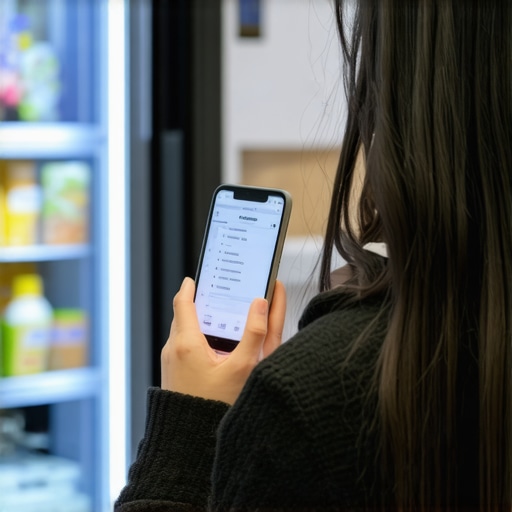
Clear the Digital Cobwebs with a Hard Cache Reset
The Mesh Network Trap and How to Escape It
Why a Power Surge Might Be Your Hidden Culprit
Why does the sensing light stay on for twenty minutes?
The Small Tool Kit That Outsmarts Every Repairman
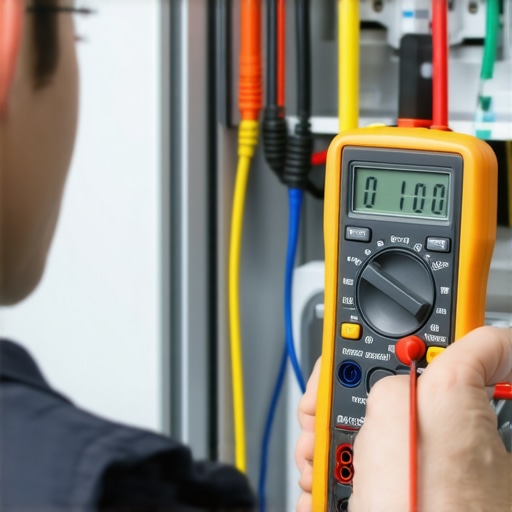
How do I keep these complex machines running for a decade?
Your Kitchen Will Soon Tell You Exactly When It’s Breaking
Hard Truths from My Years of Kitchen Troubleshooting
The Survival Kit for Your Modern Kitchen
Reclaiming Your Kitchen from the Cloud
