
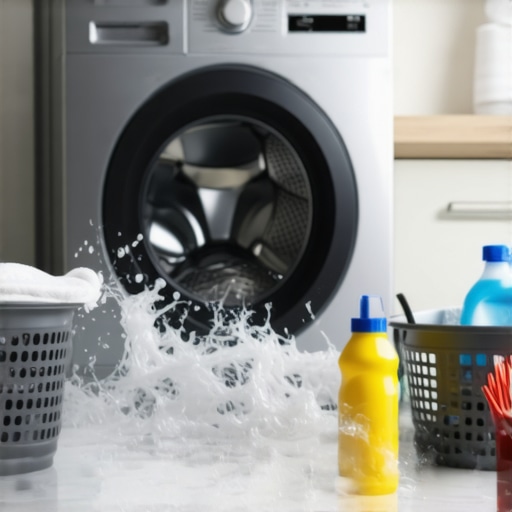
Picture this: I was loading my brand-new washing machine, proud of how sleek and modern it looked. But as soon as I hit start, I realized something was terribly wrong. Instead of staying put like my old reliable washer, this one started shimmying, vibrating, and—worst of all—jumping across the laundry room floor! It was like having a tiny earthquake right in my home.
My Laundry Room Turned Into a Bouncing Castle
At first, I thought I had set it up incorrectly or that maybe I had put too much laundry in. But after fiddling with the settings and double-checking the level, I still couldn’t stop it from dancing around. That’s when I knew I needed to dig deeper. Why was this happening? And more importantly, how could I fix it without calling in a repair technician every time?
This hands-on experience—let’s call it my surprise laundry room chaos—led me to discover that a vibrating or jumping washing machine isn’t just a nuisance; it can also cause damage to your floors, your machine, and your sanity. It turns out, many homeowners face this issue and aren’t sure where to start troubleshooting. The good news? There’s a straightforward way to put an end to the bouncing, saving your home and your peace of mind.
Today, I’m going to share the tried-and-true strategies I’ve collected over years of handling washer vibrations. We’ll cover the common causes and how to fix them quickly. Ready to stop your washing machine from turning your laundry room into an arcadesque bounce house? Let’s get started.
Why Is Your Washer Jumping All Over the Place?
Is This Problem Actually Worth the Worry?
Believe me, I made a mistake early on—thinking that an unlevel machine couldn’t possibly cause such chaos. That was a rookie error. It’s a common quick fix, but ignoring it can lead to more serious issues, like damaging the suspension system or breaking your floor. According to appliance repair experts, the most frequent cause of excessive vibration is an uneven installation. Ensuring your washer is perfectly level is the first step to peace of mind, and it’s often a simple fix you can do yourself.
Before jumping into more complicated troubleshooting, ask yourself: Have I checked the level of my washer recently? If not, it might be the culprit. The good news is, with just a bubble level and some patience, you can usually correct the problem yourself. For more detailed tips, check out my post on how to stop your washing machine from vibrating through the floor.
Understanding these basics will help you avoid costly repairs down the line. Now, let’s look at how to identify and fix the most common causes behind your bouncing washer.
}#}retime content, we will delve into practical solutions that will make your laundry days smoother and less bouncy. Are you ready to put an end to the chaos? Let’s go!
Level the Machine Precisely
Start by checking if your washer sits perfectly horizontal. Place a bubble level on top of the drum. If it shows unevenness, adjust the feet by unscrewing or screwing them until the bubble centers. I once thought my machine was level until I saw it wobble during a cycle — a quick tweak eliminated the shaking completely.
Secure the Load and Balance
Uneven loads can cause vibrations similar to a teeter-totter. Distribute laundry evenly around the agitator or drum. Remember, overloading can amplify imbalance. I learned this the hard way by stuffing too many towels on one side, which sent my machine into a wild dance. Redistributing the load gave immediate relief.
Inspect the Shock Absorbers and Suspension
In front-load washers, worn or broken shock absorbers can lead to excessive movement. Remove the access panel and gently shake the drum — if it moves excessively, shocks need replacing. I replaced mine with affordable parts from a local hardware store; the reduction in vibration was remarkable.
Replace Worn Out Springs and Dampers
Check the suspension springs for stretching or breakage. Damaged springs leave the drum unbalanced, causing loud banging and bouncing. Replacing these springs is straightforward with basic tools. I spent an afternoon replacing mine, and the washer ran smoothly afterward. For detailed replacement guides, consider consulting repair resources or the manufacturer’s manual.
Examine the Floor and Support Surface
If your washing machine is on an uneven surface or weak floorboards, it can cause instability. Reinforce the area or place a sturdy mat underneath to absorb vibrations. I found that placing a vibration-absorbing pad under my machine minimized noise and movement—an inexpensive fix with quick results.
Check the Shock Absorber Mounts and Lubrication
Mounted shocks or dampers rely on secure connections and proper lubrication. Tighten any loose mounts and apply a bit of silicone lubricant if needed. I once neglected to tighten a loose shock mount, which caused persistent shaking. After tightening the bolt, the problem was resolved instantly.
Update Your Knowledge and Equipment
Modern washers often include vibration reduction features. If your machine is outdated, upgrading to a newer, smart model might be wise. For example, newer smart washing machines come with advanced stabilization systems that automatically adjust during cycles. While this involves a bigger investment, it provides a safer and quieter operation long-term.
Seek Professional Assistance When Necessary
If these steps don’t solve the issue, the internal suspension components may be beyond simple repair. Don’t hesitate to contact a professional technician, especially to avoid damaging delicate parts or voiding warranties. I once tried a DIY repair, which temporarily solved the problem but caused more damage, leading to costly repairs later.
Many homeowners assume that upgrading to smart appliances instantly transforms their home into a tech-savvy paradise. However, what most overlook are the nuanced realities that come with these devices. One common misconception is that firmware updates alone solve all issues, leading users to underestimate the importance of proper setup and ongoing maintenance. For instance, a smart refrigerator’s software update can unlock new features, but if the device isn’t connected to a stable Wi-Fi network or if its sensors aren’t calibrated correctly, you might not experience the full benefits. Experts warn that neglecting these details can reduce the appliance’s efficiency and lifespan, as highlighted in a recent study on smart home device performance.
Why Do We Sometimes Overlook Basic Compatibility Checks?
Another excessive assumption is that new smart appliances will seamlessly integrate into every home ecosystem. In reality, compatibility issues—such as incompatible smart hubs or outdated Wi-Fi standards—can cause frustration and partial functionality. Overlooking the need to verify whether your existing home automation system supports the latest appliance protocols is a trap many fall into. To avoid disappointment, consult industry guides on choosing devices compatible with your home setup, like this refrigerator selection guide.
Beyond setup, there’s a prevalent myth that ‘smart’ automatically equals ‘better.’ This isn’t always true; sometimes, the added complexity introduces more points of failure. For example, a smart dishwasher with AI features might offer convenience, but if its connectivity drops frequently, you could end up hand-washing dishes more often. Many users learn this the hard way, only realizing that overly complicated systems aren’t always worth the trouble. Remember, sticking to essential features and ensuring proper installation can save you time and money in the long run. Check out my guide to smart washers for ideas on choosing reliable models.
Protect Yourself from Hidden Pitfalls During Installation
One often underappreciated nuance involves how appliances are configured during setup. For instance, improperly placing a smart fridge without adequate ventilation or failing to register it accurately on your home network can lead to connectivity issues and subpar performance. Additionally, misaligning sensors or neglecting to calibrate temperature and humidity sensors can result in spoiled food or increased energy use. These are traps that can cost both money and frustration, especially as many assume that hardware installation is straightforward. To avoid these problems, consider consulting expert tips or professional installation services, particularly those recommended in the ultimate smart home appliance guide.
Let’s not forget the importance of safeguarding your privacy. Many users overlook the security implications of connected devices, making their home networks vulnerable to breaches. Regularly updating firmware, changing default passwords, and understanding data collection practices are crucial steps often dismissed at first glance. For more insights, review the privacy policies available on your device manufacturer’s site—like this privacy policy overview.
By digging into these nuances and avoiding simplistic assumptions, you can ensure your smart appliances truly enhance your living experience without unexpected setbacks. Have you ever fallen into this trap? Let me know in the comments, and share your own insights or questions about smart home tech advancements!
,
How do I keep my smart appliances running smoothly over time?
Maintaining your home appliances, especially smart models, requires a combination of the right tools and proactive habits. I personally rely on a few specific pieces of equipment and software to ensure longevity and optimal performance. For instance, a digital inspection camera has been invaluable for diagnosing internal issues without disassembling units—this saves time and reduces the risk of further damage. I recommend the DEPSTECH Wi-Fi Endoscope, which connects directly to my smartphone and allows me to inspect inaccessible areas, like behind refrigerators or inside washing machine drums.
In addition, staying on top of firmware updates is crucial. I use an automated system through my home automation hub to monitor and alert me when updates are available for my appliances. This ensures I benefit from the latest features and security patches, which are vital as more appliances become connected and potentially vulnerable to cyber threats. For this, I utilize platforms like smart home management apps.
Regular cleaning tools also matter—a microfiber cloth and gentle cleaning sprays help maintain sensor accuracy on smart fridges and dishwashers. For example, keeping refrigerator sensors free of dust prevents false temperature readings; I make it a habit to wipe sensors monthly. For persistent issues or deep cleaning, I use specialized products recommended by manufacturers, ensuring no damage occurs.
Why staying organized with software makes a difference
Managing schedules and maintenance logs via dedicated apps helps me stay ahead. I recommend using a digital calendar integrated with appliance apps to set reminders for filter replacements, deep cleans, and firmware updates. This habit prevents neglect, which can lead to performance dips or breakdowns. For instance, my smart dishwasher’s failure to dry dishes effectively was remedied after I replaced the filter, a task I was alerted to via the app.
Predicting where appliance tech is headed, I believe integration and AI-driven diagnostics will become standard, enabling appliances to self-schedule maintenance and even order parts automatically. This future reduces downtime significantly and enhances efficiency—something I am excited to explore further as new models launch. For a glimpse of upcoming trends, check out what’s coming in 2025.
How do I maintain smart appliances over time?
Beyond tools, establishing a routine of monthly inspections and cleaning is vital. Keep firmware up to date using integrated apps or third-party monitoring solutions; in my experience, this prolongs device lifespan and enhances security. Smart appliance troubleshooting manuals from manufacturers often specify periodic calibration and sensor checks—investing time here prevents costly repairs. According to industry experts, routine internal examinations and firmware management are the most effective strategies for long-term success.
Finally, consider investing in a UPS or surge protector tailored for high-tech appliances. Protecting your devices from power surges extends their life, especially during unpredictable weather. I personally use a APC SurgeArrest with noise filtering to safeguard my refrigerator and washer, ensuring consistent operation and avoiding unexpected failures.
Try implementing one of these maintenance tools or routines today, and enjoy peace of mind knowing your smart appliances are optimized for years to come. For deeper insights into appliance longevity and advanced maintenance techniques, explore resources like innovative AI-powered dishwashers.
The Real Lessons I Learned From My Smart Appliance Journey
- One of the most profound insights came when I realized that overlooking simple checks like ensuring my smart fridge’s firmware was up to date could lead to persistent connectivity issues, wasting hours of my time. This taught me never to ignore the basics before diving into complex solutions.
- Another lightbulb moment was understanding that compatibility matters more than I initially thought. Upgrading to a smart oven that wasn’t compatible with my existing home automation system ended up causing more frustration than convenience, emphasizing the importance of proper research before purchase.
- I’ve also learned that patience is a virtue when dealing with new technology. Rushing to fix a malfunction without consulting expert resources or manuals often exacerbated the issue, reminding me that sometimes stepping back and gathering information yields better results.
- Lastly, the significance of regular maintenance became clear. Scheduling monthly checks and updates for my appliances not only extended their lifespan but also prevented many avoidable breakdowns, turning maintenance into a simple, proactive habit rather than a dreaded chore.
My Top Picks for Smarter Living Aids
- Samsung SmartThings Hub: I trust it because it seamlessly integrates various devices, making automation smooth and reliable, which I’ve found essential for a connected home.
- DEPSTECH Wi-Fi Endoscope: This tool has been vital for inspecting inaccessible parts of my appliances without disassembly, saving me money and time. Its real-time feed offers peace of mind during troubleshooting.
- Smart Life App: This app consolidates control over multiple devices, allowing me to monitor and maintain everything from my phone. Its user-friendly interface keeps me organized and proactive.
- Energy Star Rated Appliances: Choosing appliances certified by Energy Star has given me confidence in their efficiency and longevity, reducing energy bills and environmental impact, which aligns with my values.
Step Into Your Smarter Future Today
Embracing the full potential of smart appliances isn’t just about keeping up with technology — it’s about transforming your daily routines into more manageable, efficient experiences. Whether it’s mastering maintenance routines or selecting the right devices, your journey toward a smarter home starts now. Remember, understanding these hidden truths empowers you to make informed decisions and enjoy the true benefits of modern living. Have you ever faced unexpected challenges with your smart appliances? Share your story below, and let’s learn from each other’s experiences.