
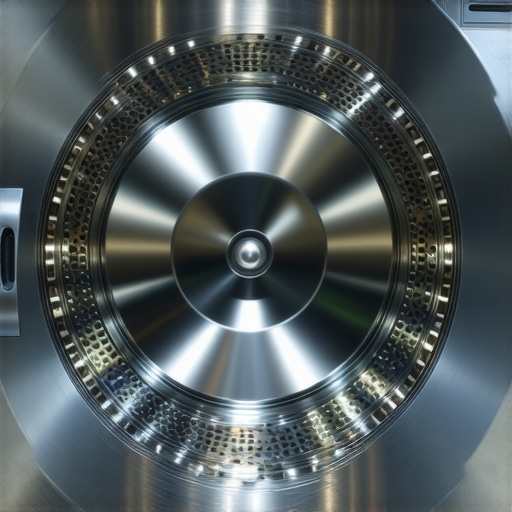
Ever been in the middle of your laundry, only to be jolted by an alarming loud, metallic clang coming from your washing machine? That sudden racket can send a surge of panic through your home, making you wonder if you just lost a vital appliance to some kind of mechanical chaos. I remember that feeling all too well—standing there, staring at my washing machine as it clanged like a scrapyard monster. It was both startling and frustrating, especially because I had no idea what was wrong or how to fix it.
Rattling Our Nerves and Testing Our Patience
This kind of noise isn’t just annoying; it can signal a looming problem that, if ignored, might lead to costly repairs or even total replacement. Trust me, I learned the hard way. Early on, I made the mistake of dismissing those noises as minor and not worth investigating. But those clangs grew louder and more frequent, until one day, my machine refused to spin entirely. That lightbulb moment made me realize—it’s time to get to the root of this noise problem.
So, what’s causing that metal-on-metal sound? How do you tell whether it’s a simple fix or a sign of something worse? Today, I promise to guide you through the common causes of loud clanging sounds in washing machines, backed by real-world experience and expert advice. We’ll uncover what’s really going on beneath the drum and how to troubleshoot it yourself, saving you from unnecessary expenses and appliance heartbreak.
Is Fixing This Noise Really Worth the Effort?
It’s natural to feel skeptical, especially when your machine’s making bizarre noises. I’ll admit, I once thought, “It’s probably just a small thing I can ignore.” Unfortunately, ignoring those sounds often leads to bigger issues down the line. For example, I overlooked a loose drum support roller early on, which eventually caused the entire drum to wobble and become unrepairable. The key is catching these problems in their infancy—and trust me, fixing a simple part is much easier than you think.
Throughout this article, I’ll share tips, tricks, and common pitfalls I’ve encountered—and how you can avoid making the same mistakes. If you’ve ever faced that startling clang, know that there’s hope. Let’s explore what might be causing that noise and what steps you can take to quiet your machine back to normal.
Now, ready to dive into the nuts and bolts of fixing that loud, metallic racket? Let’s get started on restoring peace and quiet to your laundry room—because nobody should be disturbed by a machine that’s supposed to be helping, not harming, your home.
Inspect and Secure the Drum Components
Start by unplugging your washing machine and carefully moving it to access the drum area. Remove the front or top panel, depending on your model, to locate the drum assembly. I once had to pry open my machine to inspect the belt and pulleys after hearing a persistent metallic clang. In my case, I found that a worn-out drive belt was slipping and causing the noise. Replacing a frayed belt is straightforward—just disconnect the old one and loop on a new belt, ensuring it’s tight and aligned properly. Regularly inspecting these parts prevents sudden breakdowns, similar to how modern refrigerators have accessible components for easy maintenance.
Check and Replace Worn-Out Bearings
Worn or damaged drum bearings are often the culprit behind rumbling or knocking sounds. To test this, rotate the drum manually; if you feel roughness or hear squeaking, bearings may need replacement. I once tackled this by removing the drum, which was messy but rewarding—I soaked the bearings in a rust remover, then installed new ones. Remember, this task requires patience and some basic tools, but it can extend your machine’s lifespan significantly. For highly efficient washers that integrate smart features, proper maintenance of this kind is vital—as highlighted in expert advice for 2025.
Examine and Fix the Suspension System
The suspension springs and shock absorbers hold the drum steady during operation. If these are loose or broken, the drum may bang loudly against the casing. To check, gently rock the drum from inside the panel—if it moves excessively, suspension parts are compromised. I replaced my worn suspension springs by lifting the drum and clipping in new ones, which immediately silenced the noise. Think of this like balancing a camera on a shaky tripod; stability is key. For sleek, quiet models, manufacturers often enhance suspension systems, reducing such issues entirely, as discussed in smart appliance guides.
Assess Internal Items and Load Distribution
Sometimes, foreign objects like coins or buttons get lodged between the drum and tub, striking metal during spin cycles. To identify this, manually rotate the drum and listen for rattling sounds. During my last wash, I found a lost sock caught between the drum and tub—removing it stopped the banging instantly. Also, unevenly distributed laundry can cause vibrations and clanging. Always load your machine symmetrically, balancing the weight evenly. I learned this the hard way when overloaded my washer, which resulted in loud vibrations and micro-damage. Properly loading and periodically cleaning out pockets can prevent these simple yet disruptive issues. For advanced smart washers, such features often alert you to imbalance, simplifying maintenance, as elaborated here.
Perform Routine Maintenance and Testing
Regularly clean the filter and check for debris, as accumulated lint or obstructions can cause unusual noises. I use a damp cloth to wipe the door seal and run a tub clean cycle monthly to keep everything running smoothly. If problems persist, test the machine with different wash cycles to identify if the noise occurs only during certain operations. Remember, persistent or loud sounds could indicate impending failure, making early intervention crucial—akin to how innovative appliances incorporate diagnostics to prevent breakdowns. By staying vigilant and performing these checks, you can save yourself costly repairs and keep your laundry routine smooth and quiet.
Many homeowners believe that choosing the latest smart refrigerator or washing machine guarantees hassle-free operation and longevity. However, in my experience working with these appliances, there are nuanced misconceptions that can lead you astray. One common myth is that all smart appliances automatically optimize energy use without user intervention. While features like adaptive wash cycles and smart cooling algorithms are designed to save energy, they often require proper setup and regular maintenance. Neglecting calibration or firmware updates can negate their benefits, as detailed in future trends for 2025.
Another mistake many make is assuming that high-end brands are immune to issues. In reality, premium appliances can have complex systems prone to software glitches or sensor failures, which are less about brand reputation and more about understanding their advanced features. For example, smart refrigerators with internal cameras and connectivity need periodic software updates to prevent bugs like blurry images or connectivity issues, as discussed here.
Let me share a hidden trap—relying solely on automation without manual checks. Many users trust their appliances to alert them of issues, but these notifications can be delayed or miss subtle signs like gradual temperature increases or unusual vibrations. This false sense of security can lead to costly repairs or food spoilage. Advanced users know the importance of regular, hands-on inspections alongside digital alerts to catch problems early, as emphasized in comprehensive guides.
Ever wondered why your high-tech dishwasher still leaves residue or takes hours to complete cycles? It turns out that user habits like overloading or neglecting filter cleaning interfere more with performance than the machine’s features. Many assume that smart appliances handle all cleaning processes automatically—yet, routine maintenance like descaling and proper loading remains essential for optimal results. More insights can be found in loading tips and tricks.
Now, a deeper question for the serious tech enthusiast: How does the complexity of embedded sensors in smart appliances influence their long-term reliability? Studies suggest that increased sensor density and software intricacy can introduce new failure modes, especially if firmware updates aren’t managed properly. Reliance on these features without understanding their limitations can lead to unexpected breakdowns, undermining the perceived benefits of smart technology. For an in-depth discussion, check here.
In summary, mastering your home appliances involves more than picking the newest model. It requires understanding their nuances, performing regular maintenance, and maintaining a skeptical eye toward automation claims. Have you ever fallen into this trap? Let me know in the comments, and stay tuned for more expert insights to keep your appliances running smoothly.
Maintain Your Appliances with Precision Tools
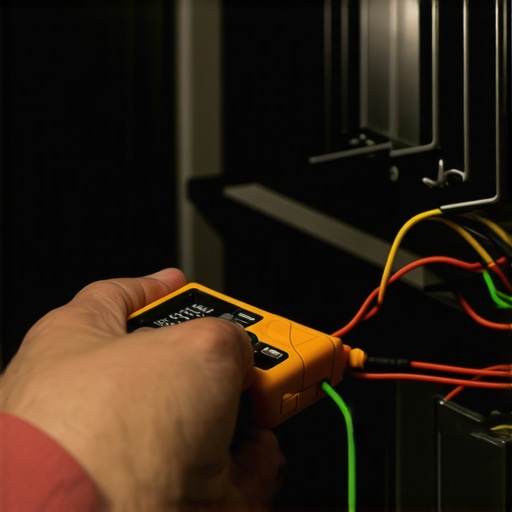
One of my go-to tools for ensuring long-term appliance health is a digital multimeter. I use it to routinely check electrical components within smart refrigerators and dishwashers, especially after firmware updates or noticing odd behaviors. For example, testing continuity and voltage levels can help identify failing sensors or faulty wiring before they cause major malfunctions. Investing in a quality multimeter like the
Utilize Smart Monitoring Software
For ongoing maintenance, I rely heavily on manufacturer-specific apps that sync with my appliances. Tools such as Samsung SmartThings or LG ThinQ allow me to monitor performance metrics, receive error alerts, and even run diagnostic tests remotely. This proactive approach helps me catch subtle issues early—like a slow refrigerant leak or a worn pump in my dishwasher—long before they manifest as disruptive failures. I also make it a point to keep the device firmware updated, which not only fixes bugs but enhances overall compatibility with home automation routines. As the industry moves toward integrated smart systems, these apps will likely expand to include predictive maintenance features, making appliance care almost effortless.
Schedule Routine Checks and Calibration
Beyond hardware and software tools, establishing a periodic maintenance schedule has proven invaluable. For refrigerators, I calibrate thermostats every six months using a reliable digital thermometer, ensuring optimal food preservation without overcooling or wasting energy. Dishwashers benefit from descaling cycles and spray arm cleaning, which I do quarterly using vinegar and specific cleaning brushes. Regular inspections of door seals, filters, and water hoses prevent leaks and improve efficiency. Incorporating these habits, combined with smart alerts, prepares your appliances for the future, where AI-driven diagnostics will increasingly assist us—anticipating issues before they escalate.
What steps can I take to maintain home appliances over time?
Proper maintenance involves both the right tools and a consistent routine. Start by investing in a digital multimeter for electrical checks, and keep appliances’ firmware updated through their dedicated apps. Schedule regular cleaning cycles, calibration, and inspections—these simple actions can save you from costly repairs later. For smart appliances, leverage their diagnostic features to streamline upkeep. As technology advances, expect these tools to become even smarter, providing real-time health reports and predictive alerts that reduce the guesswork. To get ahead, try setting monthly reminders for routine checks and explore software updates—your future self will thank you.
Interested in upgrading your maintenance routine? Consider integrating advanced diagnostics and scheduling to keep your appliances humming smoothly. For a detailed guide on smart appliance care, check out this resource. Taking proactive steps today ensures that your home gadgets serve you reliably for years to come, blending convenience with peace of mind.
< >
>
The Hardest Lesson I Learned About Washing Machines and Smart Appliances
Early in my journey with home appliances, I dismissed those loud metallic clangs as minor glitches. But those noises were a red flag, warning me of impending, costly issues. Now, I know that paying attention to unusual sounds—especially in smart appliances—is crucial for longevity and performance.
Why Overconfidence in Auto Diagnostics Can Be Misleading
I once relied solely on appliance alerts, believing they would catch every problem. Turns out, sensors can miss subtle signs like gradually increasing vibrations. Combining digital alerts with regular manual inspections has saved me from surprise breakdowns.
Breaking My Belief in Instant Fixes
Initially, I thought replacing faulty parts like belts or bearings was complicated. With patience and proper tools, I realized many fixes are accessible for DIY enthusiasts. Embracing this mindset saved me time and money, and extended my appliances’ lifespan.
Learning from Smart Tech’s Limits
Despite the promises of intelligent repair, I discovered that firmware updates and manual maintenance are still essential. Relying solely on automation can be a trap; staying proactive keeps appliances running smoothly and avoids costly repairs.
Where My Curiosity Led Me Next
Curiosity about diagnostics apps and smart monitoring tools opened new avenues for maintenance. Investing in a quality multimeter and leveraging appliance-specific apps like LG ThinQ has empowered me to catch issues early, ensuring peace of mind.
Key Resources That Changed My Approach
My go-to tools include the Fluke 115 multimeter for electrical troubleshooting, appliance manufacturer apps for real-time monitoring, and routine maintenance guides from trusted sources like the Ultimate Guide to Smart Home Appliances. These resources have been instrumental in transforming my maintenance habits.
Embrace Action and Elevate Your Appliance Care
Don’t wait for a breaking point—start inspecting, maintaining, and understanding your appliances today. Sharpen your skills, stay curious, and remember that proactive care is the secret to a quieter, more reliable home environment. Your appliances will thank you, and so will your budget.
Have you ever caught an early warning sign that saved your appliance from a major breakdown? Share your experience below and keep the conversation going!
,