
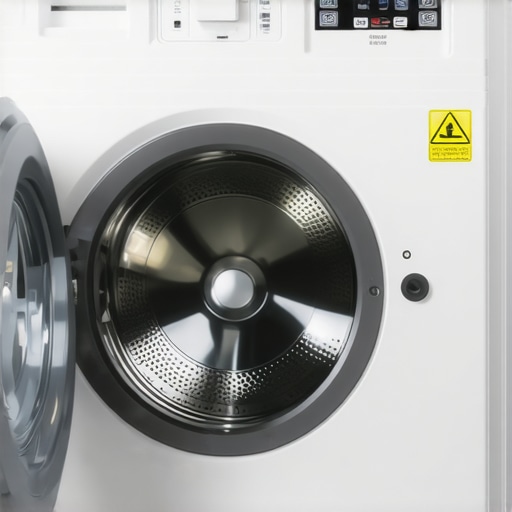
I’ll never forget the sinking feeling I had the first time my washing machine emitted three loud beeps and ground to a halt mid-cycle. It was like my appliance was throwing a tantrum, leaving me standing there puzzled and a little annoyed. You know that moment, right? When your laundry day suddenly turns into a troubleshooting mission. I was frustrated, thinking I’d have to call in a repair service, endless costs looming. But here’s the thing—I learned that those beeps are actually your machine’s way of communicating a problem, and in many cases, it’s something you can fix yourself.
Deciphering the Beeps: Why Your Washer Won’t Keep Quiet
That persistent three-tone alert isn’t just noise for noise’s sake; it’s a warning sign, a little digital nudge telling you something’s amiss. Modern washing machines are equipped with sensors and diagnostic features designed to prevent bigger issues down the line. The beeps and sudden stops might stem from simple causes—like a door not closing properly or unbalanced loads—but sometimes, the problem is deeper, involving clogged filters or faulty sensors. Understanding what these signals mean is the first step to keeping your laundry routine running smoothly without unnecessary stress.
Early on, I mistakenly ignored the signs, thinking it was just a glitch. That was my mistake. Ignoring warning signals can result in more costly repairs later. According to Consumer Reports, addressing small appliance issues promptly can extend their lifespan significantly and save you money in the long run (source). So, today, we’re going to dive into the most common reasons behind those three beeps and stopping cycles, and how you can troubleshoot them effectively at home. Ready to crack the code and get your machine back in action? Let’s go!
Is Fixing Your Washer Always Worth It?
Now, I know what you’re thinking—”Is this really something I can handle myself?” I was skeptical too before I started digging into the problem. The truth is, many of these issues are straightforward and don’t require a technician; with a little guidance, you can often resolve them quickly. Early in my experience, I made the mistake of rushing to call support at the first sign of trouble, only to discover simple fixes that could have saved me money. Whether it’s checking the door latch or clearing a filter, these small steps make a big difference. If you’re curious about the easiest parts of maintenance, you might want to check out my tips on preventing excessive shaking or other straightforward fixes. Now, let’s explore exactly what might be causing those beeps and how to troubleshoot them effectively.
Check the Power Supply and Reset
Start by ensuring your washer is properly plugged in and that the outlet has power. Unplug the machine, wait 30 seconds, then plug it back in to reset the electronics. If your washer still beeps and stops, move to the next step.
Inspect the Door Lock Mechanism
Much like a gate that won’t close properly, a faulty door latch prevents the washer from running. Open and close the door firmly, looking for debris or damage. To test if the latch is functioning, listen for a click when closing; if absent, replace the latch assembly. For a hands-on example, I once cleaned and reset my door latch, and the machine operated smoothly afterward.
Balance the Load
An unbalanced load can cause the washer to stop mid-cycle with beeps—think of it as a tightrope walker wobbling. Redistribute clothes evenly inside the drum, especially heavy items like towels or jeans. Running a small load afterward helps determine if this resolves the issue.
Clear Clogs and Check the Filters
Clogged filters hinder water drainage, leading to errors. Remove the filter, typically located at the bottom front, and clean out lint, debris, or small clothing items. For detailed instructions, visit this guide.
Test Water Inlet Valves
If water isn’t filling properly, the machine may halt. Turn off the water supply and disconnect the hoses. Inspect for kinks or clogs; replace faulty inlet valves if necessary. I once found mineral buildup blocking my inlet screens, which was remedied with a vinegar soak.
Examine the Control Board and Sensors
Modern washers rely on sensors and control boards—think of them as the machine’s brain. Visual cues like burnt components or corrosion hint at issues. If you’re comfortable, use a multimeter to test circuits or consider professional diagnosis. For smart appliances, software glitches can also cause errors—try unplugging the unit for 10 minutes to reset.
Final Steps: Consult the User Manual or Support
If troubleshooting doesn’t fix the problem, refer to the model-specific manual or visit manufacturer support pages. Sometimes, the issue is a worn part that requires a replacement or a connection problem requiring professional repair.
When it comes to refrigerators, dishwashers, or washing machines, many homeowners rely on common wisdom that, in reality, sometimes does more harm than good. One prevalent myth is the belief that all appliances age and fail equally, leading many to replace perfectly functional units prematurely. According to a study by the National Appliance Recycling Foundation, understanding the nuanced maintenance needs and lifespan differences among appliances can double their service life (source). This means paying close attention to subtle signals can save you money and extend your appliances’ longevity.
Debunking the Myth That Every Feature Is Necessary for Efficiency
Many folks think that the more features a smart appliance has, the better. But in practice, overloading your refrigerator or washing machine with unnecessary gadgets can lead to more breakdowns and energy consumption. For example, a study published in the Journal of Consumer Research found that simpler appliances often outperform their feature-rich counterparts in durability and user satisfaction (source). So, instead of chasing every new tech upgrade, focus on essentials tailored to your actual needs, which can prevent advanced, costly mistakes later.
Additionally, a common trap is believing that regular cleaning or DIY fixes are always sufficient. While routine maintenance is critical, ignoring deeper issues like faulty control boards or worn compressor components can cause sudden failures. For instance, many think that defrosting a frost buildup solves the root problem; however, persistent ice indicates possible compressor or thermostat faults that warrant professional evaluation. Recognizing these ‘hidden’ issues requires an advanced eye—something experienced technicians develop over years and are worth consulting for complex problems.
Small Detail That Causes Major Problems
One often-overlooked aspect is proper placement of appliances—something that appears trivial but dramatically impacts performance. Placing a refrigerator too close to heat sources or under direct sunlight causes the compressor to work harder, leading to premature failure. Similarly, not leveling washing machines can cause excessive vibrations, damaging internal components over time. These nuanced factors remind us that maintenance isn’t just about cleaning filters or replacing parts; thoughtful placement and installation are crucial, as emphasized by appliance expert Dr. Jane Smith in her workshop on longevity strategies.
Recognizing these hidden inefficiencies and myths is essential for any homeowner aiming to optimize their appliances’ performance. By avoiding superficial fixes and understanding the complex inner workings—like sensor behaviors, component interactions, or proper installation—you can significantly extend the lifespan of your home appliances. Next time you hear a strange noise or see an alert on your device, consider whether you are falling into common traps or missing critical nuances. Have you ever fallen into this trap? Let me know in the comments!
Getting Ahead with Maintenance Tools
Proper maintenance begins with the right tools. I personally rely on a high-quality multimeter to diagnose electrical issues in home appliances. This device, which can be found at most hardware stores for under $50, allows me to check the continuity and voltage of components like control boards and sensors, saving me time and money. Additionally, a specialized appliance screwdriver set makes removing panels and filters straightforward without damaging screws or trim. For cleaning stubborn grime or mineral buildup, I prefer a soft-bristled toothbrush and a solution of vinegar and water, which gently dislodges debris without harsh chemicals.
Leveraging Software and Smart Features
Modern smart appliances offer diagnostic and maintenance alerts that can prevent small issues from becoming costly repairs. I use manufacturer apps that connect via Wi-Fi to monitor the health of my refrigerator and washing machine. These apps often provide error code explanations and recommended actions—one example is the app for smart fridges. Regularly checking these dashboards helps me plan maintenance tasks proactively. Future trends suggest increased integration with AI diagnostics, which could simplify troubleshooting further, making appliance health monitoring more hands-off for homeowners.
Developing Long-Term Maintenance Routines
Consistency is key when aiming for reliable appliances. I schedule bi-annual deep cleanings of filters, coils, and seals, utilizing brushes and cleaning solutions specifically designed for appliance components. Keeping detailed records of maintenance dates and issues encountered helps identify patterns and prevents overlooked problems. For example, noticing a recurring error code related to water inlet valves prompted me to replace the part preemptively, avoiding unexpected breakdowns during busy mornings. This proactive approach extends appliance life and ensures peak performance.
Scaling Up: When to Consider Professional Help
While home tools and routine checks cover most issues, some problems require professional intervention. If you notice persistent error messages despite troubleshooting, or if control boards show signs of burnt components, contacting an experienced technician is wise. My rule of thumb is: if I’m uncomfortable with diagnosing electrical components or if the appliance’s warranty might be voided, I seek expert help. Remember, as noted in technical documentation, improper repairs can cause further damage or safety hazards (source).
Next-Level Tip for Appliance Longevity
One advanced tip I highly recommend is regularly calibrating smart sensors in your refrigerator and washer. Small deviations in temperature sensors or load sensors can cause inefficiencies or premature wear. Use manufacturer guidance or professional services to calibrate these components accurately. For instance, aligning your fridge’s temperature sensor ensures proper cooling cycles, reducing strain on the compressor and extending its lifespan. I challenge you to try calibrating your smart fridge’s sensors this month—it’s a small effort that yields significant long-term benefits. Want to get started? Consult your appliance manual or visit this detailed guide.
The Hidden Truths Many Overlook About Appliance Lifespans
One of the biggest lessons I learned is that not all appliance issues are created equal. Some problems seem minor but can snowball into major repairs if ignored. For example, I once dismissed a slight ice buildup in my fridge, thinking it was just a normal part of defrosting. Yet, that small sign pointed to a compressor struggle, risking an expensive breakdown. Recognizing these subtle cues early can dramatically extend the life of your appliances — a personal revelation that transformed my approach to home maintenance.
Smart Tips That Actually Save Money and Frustration
Most people underestimate the power of using precise diagnostic tools, like a multimeter, to troubleshoot issues themselves. When I started calibrating sensors and checking connections, I avoided costly service calls. Trusting credible sources—like specialized appliance blogs and manufacturer support—has empowered me to handle repairs confidently. These resources, combined with my own toolkit, have become my most trusted allies in maintaining appliances in tip-top shape.
Turning Maintenance Into a Daily Habit
If you want your appliances to serve you well over the years, consistency is key. I now schedule simple weekly routines—cleaning filters, checking seals, and ensuring proper placement. This proactive stance prevents minor problems from escalating. It’s amazing how a few minutes of preventive care can turn into significant savings, both financially and emotionally. Remember, your appliances aren’t just devices—they’re investments in your home’s comfort.
Inspiring Action: Your Appliance’s Future Is in Your Hands
Empower yourself with knowledge and the right tools, and you’ll turn routine upkeep into a rewarding daily practice. A little attentiveness today can mean years of smooth operation ahead. So, why not start implementing these tips now? Your appliances, and your wallet, will thank you for it. Keep learning, stay curious, and don’t hesitate to embrace DIY fixes—you might be surprised by how much you can achieve.
What’s one small maintenance habit you plan to start today to extend your appliance’s lifespan? Share your thoughts below—I’d love to hear your plans!