
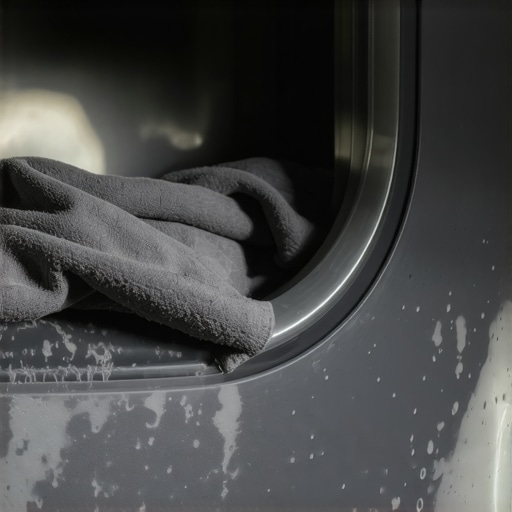
I walked into my laundry room last Tuesday and honestly thought a wet dog had decided to take up permanent residence behind my dryer. That heavy, sour, damp towel odor was so thick I could practically taste it. I had just pulled out a fresh load of laundry, but instead of that crisp mountain breeze scent, my clothes smelled like they’d been sitting in a swamp for a week. It’s a frustrating, localized betrayal. You spend good money on high-quality detergent and a fancy machine, yet your clean clothes leave you smelling like a gym locker room. This isn’t just a minor annoyance; it is a sign that your appliance is fighting a losing battle against bio-film.
The Secret Gunk You Are Ignoring
For a long time, I made the classic rookie mistake of thinking more soap equals more clean. I would see that gray residue on the door seal and just dump in an extra capful of liquid gold, hoping the suds would scrub the problem away. I was dead wrong. In fact, using too much detergent is usually what feeds the monster. Modern high-efficiency machines use so little water that the excess soap does not wash away; it just sticks to the outer drum, trapping hair, skin cells, and lint. Over time, this creates a literal bio-film that rots. This is precisely why your front loader smells like a swamp even when you think you are doing everything right.
Does every modern washer just eventually turn into a mold factory?
It feels that way, doesn’t it? Especially if you have a front-loader. I have spent hours researching this, and the truth is a bit startling. According to research from the University of Arizona, nearly 60% of washing machines tested contained coliform bacteria, often thriving in that hidden moisture between the inner and outer drums. It is not that the technology is inherently flawed, but rather that we are treating these machines like the old top-load tanks of the 1990s. They require a totally different approach to maintenance. If you are tired of the funk, you might consider looking into the best front load washers for preventing mold, but first, let’s try to save your current setup.
Why This Stink Matters Right Now
We are all trying to be more energy-efficient, but sometimes that efficiency comes with a smelly side effect. If you have been noticing that your gym clothes never quite lose that funk, or your clean towels make you feel dirtier after a shower, you are dealing with a bacterial buildup that is literally hitching a ride on your fabric. We are going to dive into how to flush that system out and keep it fresh without resorting to harsh chemicals every single day. Have you ever opened your washer and felt like you needed to wear a hazmat mask? I would love to hear your horror stories in the comments so I know I am not the only one dealing with this. I once went three months without cleaning the gasket, and the gunk I found behind the rubber was enough to make a plumber cry. Let’s make sure that never happens to you.
Clear Out the Debris Filter Before It Backs Up
Most people do not even realize their front-loader has a built-in sewer system. That little square door at the bottom of your machine is not just for decoration; it is where all the lost coins, bobby pins, and pet hair go to die. If you have not opened it in six months, you are essentially washing your clothes in water that has to pass through a wall of rotting organic matter. Think of it like trying to breathe through a wet, dirty sock. I remember the first time I tackled this. I popped that cap off and was hit with a smell so foul I had to leave the room for a minute to gag. Beyond the stench, a clogged filter is the most common culprit for drainage issues. You must learn how to clean the debris filter on your front load washer effectively to restore proper flow and prevent that stagnant water smell from seeping back into your drum. Grab a shallow bowl and a towel before you unscrew it, or you will have a miniature flood on your laundry room floor.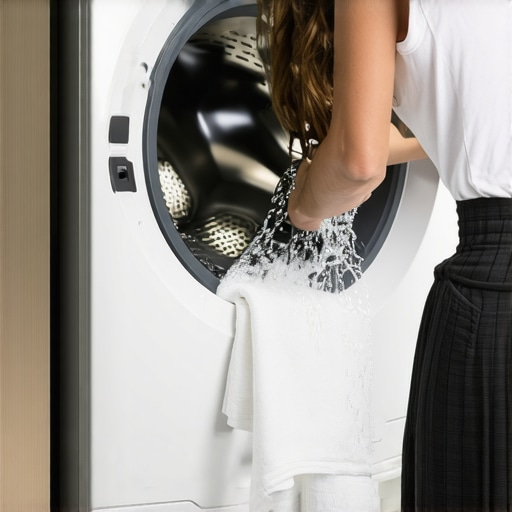
Scrub the Rubber Gasket Where Mold Loves to Hide
The thick rubber seal, known as the bellows, is the frontline in the war against leaks, but its many folds are the perfect nursery for black mold. You need to physically peel back those layers to see what is hiding there. Use a mixture of white vinegar and water, or a mild bleach solution if the staining is severe. I once found a buildup of gray slime in the bottom fold that was nearly an inch thick. If you find that the rubber is cracked or the mold has eaten so deep into the porous material that it will not come out, you might actually need to how to replace the door seal on a front load washing machine to fully solve the problem. After every single wash, make it a habit to wipe this area dry. It takes ten seconds, but it prevents the bio-film from gaining a foothold.
Blast the Interior With a High-Heat Reset
Modern machines love cold water because it saves energy, but cold water does not kill bacteria or dissolve the fats and oils from your skin. Once a month, you need to run a dedicated “Clean Washer” cycle or the hottest setting available. If your machine has advanced features, you can how to use the steam setting on your washer for better stain removal and internal sanitization. This high-heat blast acts like a self-cleaning oven for your drum, melting away the waxy buildup that hides behind the metal walls where you cannot see it.
Stop the Cycle of Suds Overload
The biggest favor you can do for your appliance is to stop over-pouring. We have been conditioned to think bubbles mean clean, but in a high-efficiency machine, bubbles are the enemy. They cushion the clothes, preventing the friction needed to actually get dirt out, and they leave behind a sticky residue that feeds mold. Learning the secret to using less detergent in your high efficiency washer is the single most effective way to prevent the smell from returning. If you see white residue on your yoga pants, that is a sign you are overdoing it. This is exactly why your high efficiency washer leaves white streaks on dark clothes—it is just unrinsed soap acting as a magnet for more gunk. Keep it to two tablespoons maximum, and your machine will stop smelling like a swamp.To really solve the funk, let’s dig deeper into the actual brain of these machines, because I’ve spent years tinkering with them only to realize that the ‘smarter’ they get, the more they rely on your input being precise. If you treat a $1,500 smart washer like a 1980s mechanical beast, you’re not just wasting money—you’re actively shortening its lifespan. One of the most common myths is that the digital countdown on your screen is a promise. It isn’t. It is an estimate that the machine is constantly revising based on water temperature and load weight. There is a specific reason why your washing machine takes much longer than the timer says, and it usually stems from the machine attempting to correct an imbalanced load or struggling to clear those excess suds we talked about. If you keep over-pouring detergent, you are essentially forcing your machine to work overtime, adding unnecessary wear to the motor while the timer sits frozen at ‘1 minute’ for what feels like an eternity.
Can a smart dishwasher actually be fooled by pre-rinsing?
The counter-intuitive truth is that modern dishwashers are designed to handle filth. Most people think they are being helpful by scrubbing every scrap of food off their plates before loading them. However, high-end machines use turbidity sensors to measure how much ‘soil’ is in the water during the initial rinse. If you load clean plates, the sensor signals the board to use a shorter, cooler cycle. The problem? Your high-efficiency detergent needs something to react with. Without food particles to break down, those aggressive enzymes can actually start attacking the finish on your plates and glasses. This is precisely how you end up with the dishwasher detergent mistake that is etching your favorite glassware. According to a study by the American Cleaning Institute, modern dishwashers and detergents are far more effective when they have actual ‘work’ to do.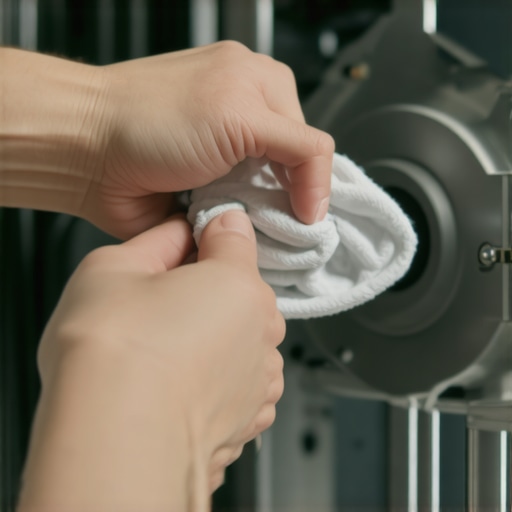
Don’t let your sensors go blind
While we focus on the visible filters, the ‘eyes’ of your appliances are often tucked away and forgotten. If your dishwasher has stopped drying properly or your wash cycles feel endless, it might be the hidden sensor in your dishwasher that needs a manual scrub. This little component can get a layer of hard water scale or grease on it that no ‘clean cycle’ can fully remove. The same logic applies to your kitchen’s heart; if your food is spoiling faster than it should, you need to know how to recalibrate your refrigerators internal thermometer to ensure the digital readout actually matches the reality of the shelf temperature. The ‘oops’ factor I see most often in my inbox is the over-reliance on the ‘Heavy Duty’ cycle. People assume it’s the ‘best’ wash because it’s the most powerful, but it’s often a blunt instrument that ruins modern fabrics. Have you ever fallen into this trap? Let me know in the comments. I’d love to hear if your ‘smart’ machine has ever outsmarted you.I’ve realized that owning these high-tech machines is a bit like owning a performance car; you can’t just ignore the check-engine light. One tool I never leave the junk drawer without is a basic digital multimeter. It sounds intimidating, but knowing how to tell if your dishwasher heating element is actually broken saves you a $150 service call just for a diagnostic. I use mine specifically to check continuity on the coils. If the circuit is open, the heater is dead—simple as that. This kind of DIY technical check is the difference between a minor repair and a major replacement expense. 
Keep Your Sensors from Flying Blind
Then there is the digital side. I used to get annoyed by notifications, but I’ve learned why your smart appliance app keeps asking for a firmware update—it’s usually because the manufacturer has tweaked the sensor algorithms to handle new detergent formulas or energy grid fluctuations. Don’t ignore them. If your fridge is acting up, you might just need to know how to calibrate your smart fridge temperature sensors rather than buying a whole new unit. According to the AHAM (Association of Home Appliance Manufacturers) maintenance standards, even a 1/16-inch layer of dust on your refrigerator coils can increase energy consumption by nearly 20%. That’s why you must learn how to keep your refrigerator coils clean in a pet-friendly home, especially if you have a shedding pet whose hair seems to be attracted to the compressor like a magnet.
How do I keep my smart machines running like new for a decade?
The secret isn’t one big overhaul; it’s the 5-minute monthly checks. I keep a small spray bottle of diluted vinegar and a microfiber cloth specifically for the sensors inside my dishwasher and fridge. If you notice your drinks aren’t as cold, check the seals and adjust for the best energy efficient fridge settings for your utility bill. Often, a tiny tweak in the app can save you fifty bucks a year. And if your water tastes off or you see why your refrigerator ice maker is producing tiny or cloudy cubes, it’s usually just a reminder that the internal plumbing needs a quick flush.
AI is Coming for Your Laundry Pile
Looking ahead, I predict we’re moving away from ‘user-set’ cycles entirely. In the future of home appliances trends to watch in 2025, we’ll see machines that use AI to detect fabric type and soil level perfectly, meaning you’ll never have to guess between ‘Normal’ and ‘Perm Press’ again. But until then, the best thing you can do is grab that multimeter and take control. My challenge to you? Spend ten minutes this weekend checking your fridge coils. You’ll be shocked at what you find.
The Hardest Lesson My Laundry Room Taught Me
After years of fighting the ‘swamp smell,’ I realized that modern machines aren’t failing us; we are failing them by using 1990s habits on 2025 technology. The biggest lightbulb moment for me was discovering that excessive suds actually trap the very dirt you’re trying to wash away. I also learned the hard way that ignoring a simple warning can lead to a flood; specifically, understanding the common dishwasher error that causes a drain light to flash saved me from a warped hardwood floor. Another shocker? That ‘Extra Heavy’ button isn’t your friend. In fact, there is one button on your washing machine that actually ruins your delicates by over-agitating fibers that just needed a gentle soak. Realizing that ‘smarter’ often means ‘more sensitive’ changed my entire maintenance routine.
Tools That Keep My Kitchen Running Like Clockwork
If you want to stop the cycle of constant repairs, you need a few non-negotiables in your cabinet. First, a simple multimeter is your best friend for diagnosing heating elements. Second, stop buying the cheapest detergent in the bulk aisle; your high-efficiency sensors need high-quality chemistry to function. #IMAGE_PLACEHOLDER_E# If you find your current fridge is a lost cause despite your best cleaning efforts, it might be time to look into the best energy saving refrigerator models currently on the market to cut your utility bills. For those who feel completely overwhelmed by the tech, I highly recommend browsing the ultimate guide to smart home appliances for a modern living to simplify your setup and get back to enjoying your home.
Take Back Control of Your Household Chores
Your smart appliances are designed to make your life easier, but they require a tiny bit of respect in return. A ten-minute monthly deep clean of your seals and filters isn’t just about avoiding a bad smell; it’s about protecting a multi-thousand-dollar investment. You don’t need a degree in engineering to keep these machines running—you just need to stay curious and proactive. When you treat your appliances with a little care, they’ll reward you with crisp towels and spotless plates for years to come. Have you ever found something truly gross or surprising in your washer’s rubber gasket? Let me know in the comments below!