
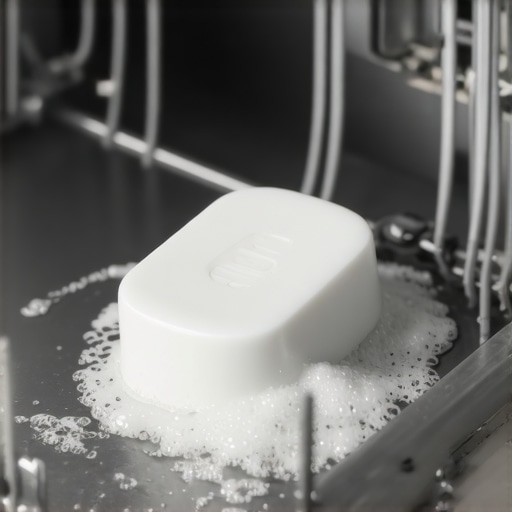
Ever opened your dishwasher to find your precious detergent pod still sitting intact, stubbornly refusing to dissolve? I remember the frustration vividly—loading yet another cycle, only to discover unwashed dishes and a gooey mess left behind. It was a real lightbulb moment for me—realizing that these little pods, which are supposed to be the easy fix for sparkling dishes, can sometimes become the biggest headache. If you’ve ever experienced this, you’re not alone.
Why Your Dishwasher Pods May Not Be Dissolving Properly
The first time I encountered this problem, I thought I was doing everything right. I had placed the pod securely in the detergent compartment, set my cycle, and crossed my fingers. Yet, upon opening the dishwasher at the end, the pod was still whole, and my dishes weren’t as clean as they should have been. Turns out, the issue was more common than I realized. According to a survey by Consumer Reports, nearly 20% of dishwasher users have faced issues with dishwasher pods not dissolving properly at some point.
So, why does this happen? There are several reasons—some easy to fix, others needing a bit more attention. The water temperature, for instance, plays a crucial role. Dishwashers require hot water—ideally around 120°F (49°C)—to effectively dissolve detergent. If the water isn’t hot enough, the pod can stay intact. I made the mistake early on of ignoring the water temperature settings, which contributed to my recurring problem.
Another common culprit is the water pressure. Low water pressure can prevent the spray arms from circulating water with enough force to break down the pod. I learned this the hard way when I noticed my spray arms were clogged with debris, restricting water flow.
Finally, the placement of the pod matters. Some dishwashers have a dedicated compartment, but in others, placing the pod on the bottom rack or in the wrong area can impact dissolution.
By addressing these issues, I managed to reduce the number of times I ended up with un-dissolved detergent and sticky dishes. Want to know exactly how to troubleshoot and fix these common problems? I’ll walk you through it, step-by-step, so you can enjoy spotless dishes without the hassle.
Ready to dive into solutions? Before we do, ask yourself—have you ever been frustrated by a stubborn dishwasher pod? If so, keep reading, because it’s easier to solve than you might think. For more about the latest innovations in smart dishwashers, check out our guide on innovative dishwashers with AI technology—but first, let’s get your current setup working flawlessly.
Ensure Water Is Hot Enough
Start by verifying your dishwasher heats water to at least 120°F (49°C). I once ignored this, and my pods kept sitting untouched, leaving dishes dirty. Use your dishwasher’s test cycle or a meat thermometer to check water temperature. If it’s too low, clean your heating element and consider adjusting your water heater. Proper temperature is like pouring boiling water over sugar—nothing dissolves well otherwise.
Check and Improve Water Pressure
Low water pressure can hinder spray arms’ effectiveness, preventing the pod from dissolving. I found my spray arm clogged with debris, akin to clogged veins choking off blood flow. Remove the spray arm and clear out any obstructions. Run an empty cycle and watch the water flow. Restoring good pressure ensures the powerful spray effectively breaks down the detergent.
Optimize Placement of the Detergent Pod
Place the pod securely in the detergent compartment, but avoid just dropping it on the bottom rack. I learned this the hard way when a forgotten pod sat at the bottom, untouched by spray. In most dishwashers, placing the pod in the pre-measured compartment ensures it gets released at the right time—like timing a rocket launch perfectly, the order matters.
Clean Your Dishwasher Thoroughly
Mineral buildup and soap scum can block spray arms and filters, like a clogged artery impeding flow. Remove and clean filters regularly, and run a cleaning cycle with a dishwasher cleaner or vinegar. I noticed my dishes weren’t spotless until I cleared these blockages. Proper cleaning restores optimal operation, boosting hot water circulation and soap dissolution.
Switch to HE Detergent and Use Correct Cycle Settings
High-efficiency (HE) detergents are formulated for modern machines and dissolve better with hot water. I used regular powder, which clumped, mimicking concrete. Transitioning to HE tabs, especially for cycles with heated dry, made a noticeable difference. Always select a cycle that includes a heated rinse—like a final splash of boiling water—ensuring your pods dissolve completely.
Adjust Dishwasher Routine and Maintenance
Run your dishwasher regularly to prevent mineral buildup. Check for leaks or mechanical issues, as worn-out parts hinder performance. Maintaining your appliance is like servicing a car—you keep it running smoothly, and problems like undissolved pods become less frequent. Regular maintenance extends the lifespan and ensures consistent cleaning results.
Many homeowners dive into smart appliances thinking they are foolproof, but the truth is more nuanced. A widespread misconception is that all smart devices automatically optimize themselves for maximum efficiency. While these gadgets are packed with sensors and AI, they often require proper setup and regular maintenance, or else they underperform. For instance, an intelligent refrigerator won’t keep your groceries perfectly fresh if you neglect to update its firmware or tweak the temperature settings. This misunderstanding can lead to frustration and a perception that smart appliances are unreliable, when in reality, user oversight is often the culprit.
Another common myth is that smart appliances are inherently less durable due to their electronic components. People often assume that incorporating high-tech features compromises longevity, but studies from industry experts indicate that well-designed smart devices can last just as long as traditional ones, provided they are maintained appropriately. In fact, many brands now conduct rigorous testing for their smart product lines, like those outlined in our comprehensive guide.
Beware of the pitfall many fall into: assuming Wi-Fi connectivity guarantees seamless operation. Network issues, outdated firmware, or incompatible routers can hinder performance, making your smart appliances seem faulty. For example, a smart washing machine might not respond to commands if there are issues with your home network, not because the appliance itself is defective. This is why regular updates and network health checks are crucial.
A subtle but significant trap is thinking that smart appliances will automatically save energy and cut costs without user intervention. While they have features like energy monitoring or eco-modes, these need to be enabled and properly configured. Otherwise, they may operate in default modes that are less efficient. According to research published by the Department of Energy, user settings substantially influence energy savings in smart appliances.
To truly leverage the benefits of modern smart devices, consumers must understand the importance of proper setup, maintenance, and configuration. Otherwise, misconceptions can lead to underperformance and wasted investment. For example, integrating your appliance with a smart home hub and keeping software updated ensures optimal operation. If you’re curious how to make your appliances smarter and more efficient, check out our latest trends in smart home technology.
Have you ever fallen into this trap? Let me know in the comments or visit our contact page for personalized advice.
Invest in Quality Maintenance Tools for Long-Term Performance
Maintaining modern home appliances, especially smart ones, requires precision and reliability. I personally rely on a high-quality multimeter like the Fluke 87V to monitor electrical connections; it’s essential for diagnosing power issues in devices like smart refrigerators or washing machines. For plumbing inspections, I use a digital leak detector, which helps prevent water damage from unnoticed leaks—saving money and hassle. Regularly calibrating your smart appliances with manufacturer-recommended tools ensures they operate within optimal parameters, extending their lifespan.
Leverage Software for Continuous Monitoring
Advancements in software have revolutionized appliance maintenance. I recommend using smart home management apps like Home Assistant or Samsung SmartThings to set up custom alerts for irregular activity, such as unusual power consumption or erratic cycles. These apps can notify you proactively, enabling timely interventions before minor issues escalate. Connecting your appliances to these platforms also allows for firmware updates, which often fix bugs and improve performance, aligning with trends outlined in 2025 appliance forecasts.
Establish Routine Maintenance with Checklists
Creating a maintenance schedule tailored to each device can dramatically improve reliability. I keep a detailed checklist for filters, seals, and sensors, and I schedule deep cleaning every six months. For example, regularly cleaning the filter in your dishwasher, as explained in this guide, prevents clogs that impede cleaning cycles. Automating reminders via your smartphone ensures you never forget these vital tasks, making upkeep seamless and effective.
Choose High-Quality Replacement Parts
When repairs are necessary, I only opt for OEM parts or certified equivalents. Cheap replacements may save upfront costs but often fail quickly, leading to repeated issues. For instance, replacing a faulty water inlet valve with a genuine part, as detailed in this tutorial, ensures your washing machine maintains proper water flow. Using trusted components preserves device integrity and ensures compatibility with smart features.
Predict Future Trends in Appliance Maintenance
As AI and IoT continue to evolve, I foresee a shift toward fully automated maintenance systems. Smart appliances will soon self-diagnose issues, order parts, and even schedule repairs—minimizing user intervention. Companies like LG and Whirlpool are already integrating predictive analytics, as discussed in this article. Embracing these innovations now by installing compatible diagnostic tools gives you a head start on future-proofing your home setup.
How do I maintain my smart appliances over time?
Consistently monitor device health with both hardware tools, like multimeters and leak detectors, and software solutions that track performance data. Regular cleaning, timely replacements, and firmware updates are crucial. I recommend setting up automated alerts within your smart home system to stay ahead of potential problems and leverage diagnostic apps for deeper insights. To implement these strategies effectively, start by integrating a maintenance app compatible with your device brand and schedule routine checks—these small steps can significantly extend your appliance’s lifespan. Want to take your appliance care to the next level? Try setting up proactive alerts using your preferred smart home platform today, and experience the peace of mind that comes with advanced maintenance.
What I Didn’t Expect About Smart Home Equipment
One of my biggest surprises was realizing that smart appliances, despite their advanced features, still require attentive maintenance and setup to reach their full potential. I used to think that once connected, they’d work flawlessly without additional user intervention—like magic. Instead, I discovered that firmware updates, proper placement, and routine checks are essential for optimal performance.
Another lesson was understanding that not all smart appliances communicate seamlessly. Network issues or incompatible apps can hinder their functionality, which reminded me that a reliable Wi-Fi connection and regular software updates are crucial. This realization prompted me to upgrade my router and stay proactive with updates, significantly improving my device reliability.
Lastly, I learned that automation isn’t a set-it-and-forget-it solution. Tailoring settings, schedules, and alerts based on my household habits created a smarter, more energy-efficient home. It’s about building a routine that keeps your appliances working their best—much like caring for a garden, where consistent attention yields the best results.