
I’ll never forget the smell of spoiled Greek yogurt on a Tuesday morning. It wasn’t the fridge’s fault; it was mine. I’d grabbed a juice box, didn’t quite hear the seal click, and went to bed. Twelve hours later, my kitchen was a graveyard of expensive perishables. If you’ve ever felt that sinking realization while staring at a carton of warm milk, you know exactly why we’re here. We spend thousands on refrigerators in 2025 with top features, yet we often miss the simplest, most life-saving one: the door-ajar alert. Today, I’m going to show you how to turn your silent appliance into a proactive guardian of your groceries.
Stop Letting Your Groceries Die a Slow Death
It sounds dramatic, but it’s the truth. According to the USDA, keeping food at the wrong temperature is the fastest way to invite bacteria, and a door left ajar for just a few hours can spike internal temps into the danger zone. I learned the hard way that 5 mistakes that are shortening the life of your smart refrigerator often start with simple neglect of these digital tools. My biggest blunder? I thought ‘Smart’ meant ‘Automatic.’ I assumed the app would just know to ping me. It didn’t. You have to tell it to care.
Is setting up a phone alert actually worth the hassle?
You might think, ‘I don’t need my phone buzzing every time I’m making a sandwich.’ Trust me, I had that exact same skepticism. But there’s a world of difference between a nuisance notification and a Save Your Steaks emergency alert. When you consider that a poorly sealed door makes high-efficiency fridges run more often than they should, you aren’t just saving food; you’re saving your compressor. Have you ever come home to a half-open freezer and a melted tub of ice cream? Drop a comment and tell me I’m not the only one who’s made this mess. Once you ensure you update the firmware on your smart kitchen appliances, setting up these triggers is a five-minute job that pays for itself the very first time your kids don’t close the door all the way. Let’s look at how to actually get this done without losing your mind in the settings menu.
Get Your Fridge and Phone Talking
First things first: you cannot receive an alert if your appliance is shouting into a void. Most people plug in their unit and ignore the flashing WiFi icon. Think of your fridge’s WiFi chip like a radio; if it’s not tuned to your home network, it’s just a very expensive paperweight. I spent forty minutes once cursing at my screen because my smart washer wouldn’t connect to my local network, and the logic is identical for fridges. Open your manufacturer’s app (SmartThings, ThinQ, or Home Connect), hit the ‘+’ icon, and follow the handshake protocol. If the app stalls, you might need to reset your smart fridge to clear out old pairing data. This initial sync is the foundation for everything else.
Pick the Sweet Spot for Your Alarm
Once you’re in the settings menu, look for ‘Notifications’ or ‘Appliance Alerts.’ You’ll usually see a slider for the door-ajar timer. This is where most people mess up. If you set it to 30 seconds, you’ll get a notification every time you’re just unloading the groceries. It’s the ‘Boy Who Cried Wolf’ of kitchen tech. I set mine to three minutes. This gives me enough time to organize the shelves without my pocket vibrating, but it’s fast enough to prevent the compressor from overworking. Remember, choosing the right refrigerator involves knowing how it handles these digital triggers. If your app is buggy, check out why your smart fridge app refuses to sync to troubleshoot the connection before you give up.
Make Your Whole House Scream When the Door is Open
The real magic happens when you move beyond a simple phone ping. I have my fridge linked to my smart speakers. Last summer, I was out in the backyard flipping burgers while a guest left the freezer drawer cracked after grabbing a beer. Instead of a silent meltdown, my outdoor speaker announced, ‘The Kitchen Fridge has been open for five minutes.’ It felt like living in the future, and it saved a $100 brisket. You can set this up through Alexa or Google Home by creating a ‘Routine’ or ‘Automation.’ Use the ‘If/Then’ logic: *If* the fridge door sensor is open for X minutes, *Then* announce a message on all devices. It’s part of a ultimate guide to smart home appliances strategy where your house actually looks out for you.
Check the Physical Seal Too
All the digital alerts in the world won’t help if the door physically can’t stay shut. Use the ‘Dollar Bill Test.’ Close the door on a dollar bill; if it slides out easily, your gasket is failing. This often happens because of dirt or spilled juice. Even with the best top smart appliances for a seamless home experience, mechanical failure trumps digital alerts. Clean that seal with warm soapy water once a month to ensure that when you do close the door, it actually stays closed.Now that you’ve got your alerts buzzing, let’s talk about the nuances that the manual often ignores. A major point of confusion I see constantly is the Eco-mode myth. We’ve been conditioned to think that faster is better, or that Eco is always the greenest choice. But here’s the contrarian truth: running your dishwasher or washer exclusively on Eco-mode can lead to grease and biofilm buildup because the water never gets hot enough to fully dissolve modern fats. You need to blast it with a heavy-duty cycle once a week just to keep the internals clean. It’s one of those 5 mistakes that are shortening the life of your smart refrigerator and other appliances—prioritizing efficiency over hygiene.
Does your smart appliance actually know when it is failing?
Short answer: Not always. We often trust sensors too much. In my experience, these digital brains are only as good as the physical environment they sit in. According to industry insights on the future of home appliances, high-efficiency components are significantly more reliant on precise environmental conditions than the tanks our grandparents owned. If your floor is slightly unlevel, your washing machine moving across the floor isn’t just an annoyance; it’s actively confusing the internal load-balancing sensors. This leads to the Oops Factor—assuming the machine will correct itself. It won’t; it will just wear out the bearings faster while the app tells you everything is fine. Another trap is the More is Better philosophy with detergent. If you’re seeing white streaks on dark clothes, you’re likely overworking your machine’s sensors. Modern HE machines use very little water; adding a full cap of soap creates a suds lock that the sensor misinterprets as a drain blockage. I’ve seen people replace perfectly good pumps because of a simple over-pour of soap. Have you ever fallen into this trap? Let me know in the comments. Finally, understand that why modern refrigerators don’t last as long as older ones often comes down to the complexity of the control boards. Protecting these with a dedicated surge protector is non-negotiable for a top smart appliances for a seamless home experience. You’re essentially plugging a high-end computer into a kitchen outlet and hoping for the best. Don’t let a minor power flicker turn your smart kitchen into a stack of bricks.Even the smartest brain in your house needs a bath once in a while. I realized this when my $1,200 dishwasher started leaving a gritty film on my coffee mugs despite being ‘AI-optimized.’ The truth is, while we focus on the apps, we often forget the physical traps. You have to clean the hidden filter in your high-end dishwasher at least once a month. If you don’t, you’re just circulating old lasagna water over your ‘clean’ plates. It’s the same story in the laundry room. I’ve seen so many people panic when their machine won’t drain, not realizing they just need to clean a front load washer filter without flooding the room. These aren’t software bugs; they’re just basic physics demanding your attention.
The Maintenance Tools I Actually Use
I don’t believe in buying every gadget on the shelf, but there are two things I keep in my kitchen drawer that have saved me thousands in repair calls. First is a simple handheld steam cleaner. It’s the only way to truly prevent mold growth in your dishwasher seal without using harsh chemicals that degrade the rubber. Second is a cheap digital thermometer. I use it to calibrate your refrigerator thermometer without calling a pro, because sometimes the sensor on the fridge wall is reading the cold air blowing directly on it rather than the actual temperature of your milk. If you’re serious about washing machines that save water expert advice for 2025, you need to be proactive. According to the Association of Home Appliance Manufacturers (AHAM), failure to perform these ‘user-level’ maintenance tasks accounts for nearly 30% of service calls that aren’t covered by warranties. 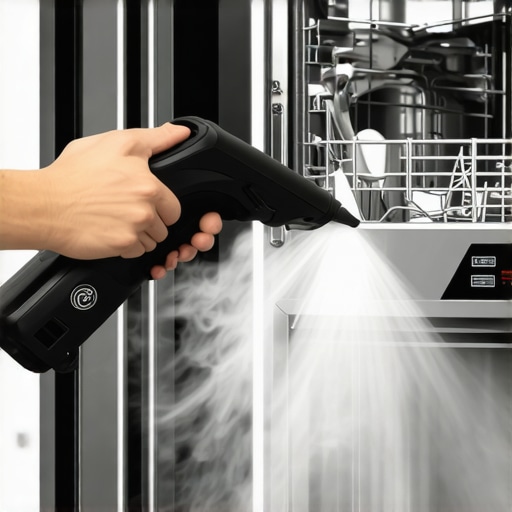
How do I maintain my smart appliances over time?
Consistency beats intensity every single time. Every three months, I run a ‘system audit.’ This means checking for firmware updates—because yes, you should update the firmware on your smart kitchen appliances to patch security holes—and physically inspecting hoses. If you have a smart appliances revolution how to choose the best dishwasher mindset, you should also be checking the spray arms for mineral buildup. If you live in a hard water area, those tiny holes clog up, and your ‘smart’ sensors will overcompensate by running the cycle for four hours. It’s a vicious cycle of waste that you can fix with a toothpick in thirty seconds.
The Future of Your Kitchen is Predictive
Looking ahead, the future of home appliances trends to watch in 2025 point toward ‘predictive failure.’ We are moving away from the fridge telling you the door is open and toward the fridge telling you the compressor motor is drawing 10% more power than usual, suggesting a failure in six months. This kind of data is gold. It transforms us from reactive owners into savvy managers of a miniature utility plant. We are already seeing this with innovative dishwashers with AI technology you must know that can sense soil levels and adjust water pressure in real-time. My advice? Start a ‘Maintenance’ folder in your notes app today. Every time you clean a filter or sync an app, log the date. Your future self—and your bank account—will thank you. If your tech is acting up right now, try this: Go to your app, find the ‘Self-Diagnosis’ tool, and run a full cycle. You might be surprised at what it finds before you ever have to pick up a wrench.
Mistakes I Made So You Don’t Have To
I’ve spent years tweaking these machines, and the most surprising thing I discovered is that a high-tech sensor can still be fooled by a simple crumb on the gasket. It’s why I always tell people that 5 mistakes that are shortening the life of your smart refrigerator usually come down to ignoring the physical world in favor of the digital one. Don’t assume your app knows everything; if the ice tastes slightly off, it’s a physical filter issue, not a software bug. I also learned that if your floor isn’t perfectly level, it can cause the door to hang just enough to bypass the sensor while still letting cold air escape. Lastly, remember that your WiFi connection is the heartbeat of the system. If it drops, your high-end appliance becomes a very expensive, silent locker.
My Must-Have Toolkit for Appliance Longevity
I don’t just rely on what the screen tells me; I verify it with a few key tools and resources. I rely heavily on the AHAM (Association of Home Appliance Manufacturers) guidelines for real-world testing data and maintenance standards. For daily monitoring, I use a dedicated digital thermometer to calibrate your refrigerator thermometer without calling a pro because built-in sensors can drift over time. I also recommend checking the official manufacturer’s support portal monthly—I’ve seen why your smart fridge isn’t updating its software turn into a security risk or a performance lag more than once. Finally, keep a simple soft brush handy to clear dust from the condenser coils every six months.
#IMAGE_PLACEHOLDER_A#
Take Back Control of Your Kitchen Tech
Transitioning to a high-tech kitchen isn’t just about the gadgets; it’s about reclaiming your peace of mind. When you finally get that door-ajar alert to trigger exactly when it should, or receive a predictive maintenance ping before a part fails, you realize you’re not just owning a machine—you’re managing a partner in your home. Investing in top smart appliances for a seamless home experience in 2025 is the best way to protect your groceries and your sanity. Don’t be afraid to dive into the settings and make these tools work for your specific lifestyle. Have you ever had a smart appliance alert actually save you from a major mess? Let me know your experience in the comments below!