
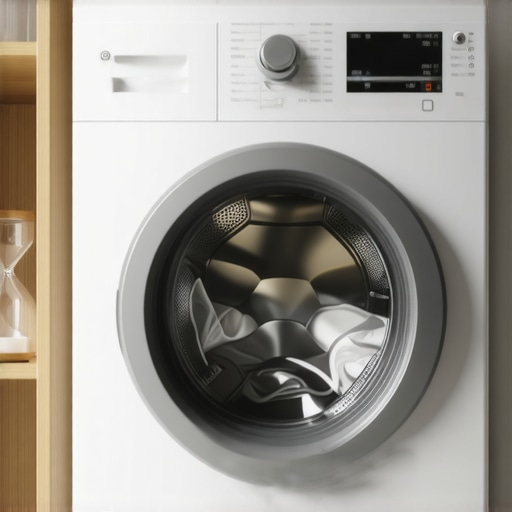
I was standing in my laundry room at half-past ten on a school night, clutching a damp soccer jersey and staring at a digital display that stubbornly insisted I still had 38 minutes to go. I’d started that load right after dinner! My old machine, the one that sounded like a jet engine taking off, would have been done in forty minutes flat. I honestly thought I’d bought a lemon. I even went as far as looking up why your high efficiency washer takes so long to complete a load on my phone while sitting on the floor in defeat. It turns out, my machine wasn’t broken; it was just being efficient. Today, I want to pull back the curtain on these marathon cycles so you can stop stressing and start planning your laundry day better.
Time is the Trade-off for a Lower Utility Bill
Modern appliances are built under strict environmental regulations that didn’t exist twenty years ago. To hit those targets, manufacturers had to get creative. In the past, washers used a massive amount of hot water and a central agitator to rip the dirt out of your clothes in 30 minutes. It was fast, sure, but it was also expensive and tough on your favorite shirts. Today’s washing machines that save water use a gentle tumbling action and lower temperatures. Because the chemical reaction of the soap and the physical agitation are less intense, the machine simply needs more time to achieve the same level of clean. According to ENERGY STAR, these machines use about 25% less energy and 33% less water than regular washers. I learned the hard way that trying to ‘help’ the machine by adding more soap actually backfires. I once filled the drawer to the brim, which triggered a ‘suds lock’ error and added another 45 minutes of rinsing to the clock. Trust me, you really don’t need a whole cup of detergent to get things sparkling.
Is all this extra time actually worth the hassle?
It’s easy to feel like we’ve taken a step backward when a single load of towels takes two hours. But when you look at the reduced wear and tear on your fabrics and the noticeable dip in your monthly water bill, the math starts to make sense. Plus, learning how smart washing machines can simplify laundry day through delay-start features means the machine can do the heavy lifting while you’re asleep or at work. Have you ever felt like your new washer was actually holding your laundry hostage? Let’s dive into the specific settings that can help you claw back some of that lost time without sacrificing the eco-benefits.I was standing in my laundry room at half-past ten on a school night, clutching a damp soccer jersey and staring at a digital display that stubbornly insisted I still had 38 minutes to go. I’d started that load right after dinner! My old machine, the one that sounded like a jet engine taking off, would have been done in forty minutes flat. I honestly thought I’d bought a lemon. I even went as far as looking up why your high efficiency washer takes so long to complete a load on my phone while sitting on the floor in defeat. It turns out, my machine wasn’t broken; it was just being efficient. Today, I want to pull back the curtain on these marathon cycles so you can stop stressing and start planning your laundry day better.
Time is the Trade-off for a Lower Utility Bill
Modern appliances are built under strict environmental regulations that didn’t exist twenty years ago. To hit those targets, manufacturers had to get creative. In the past, washers used a massive amount of hot water and a central agitator to rip the dirt out of your clothes in 30 minutes. It was fast, sure, but it was also expensive and tough on your favorite shirts. Today’s washing machines that save water use a gentle tumbling action and lower temperatures. Because the chemical reaction of the soap and the physical agitation are less intense, the machine simply needs more time to achieve the same level of clean. According to ENERGY STAR, these machines use about 25% less energy and 33% less water than regular washers. I learned the hard way that trying to ‘help’ the machine by adding more soap actually backfires. I once filled the drawer to the brim, which triggered a ‘suds lock’ error and added another 45 minutes of rinsing to the clock. Trust me, you really don’t need a whole cup of detergent to get things sparkling.
Is all this extra time actually worth the hassle?
It’s easy to feel like we’ve taken a step backward when a single load of towels takes two hours. But when you look at the reduced wear and tear on your fabrics and the noticeable dip in your monthly water bill, the math starts to make sense. Plus, learning how smart washing machines can simplify laundry day through delay-start features means the machine can do the heavy lifting while you’re asleep or at work. Have you ever felt like your new washer was actually holding your laundry hostage? Let’s dive into the specific settings that can help you claw back some of that lost time without sacrificing the eco-benefits.
Pick Your Cycles With Intention
The default ‘Normal’ cycle on a high-efficiency machine is like a marathon runner—it is designed for endurance and maximum efficiency, not speed. If you are in a rush, you need to switch gears. Most modern units have a ‘Quick Wash’ or ‘Express’ setting. Use this only for lightly soiled items or small loads. I made the mistake of stuffing a king-sized comforter into a Quick Wash once, thinking I could outsmart the system. The machine couldn’t properly rinse the thick fabric in such a short window, and I ended up with a soapy, heavy mess that took even longer to fix. For your daily loads, follow the best energy saving tips for your front load washing machine by matching the cycle to the actual soil level. Smaller, lighter loads don’t need the full two-hour treatment. 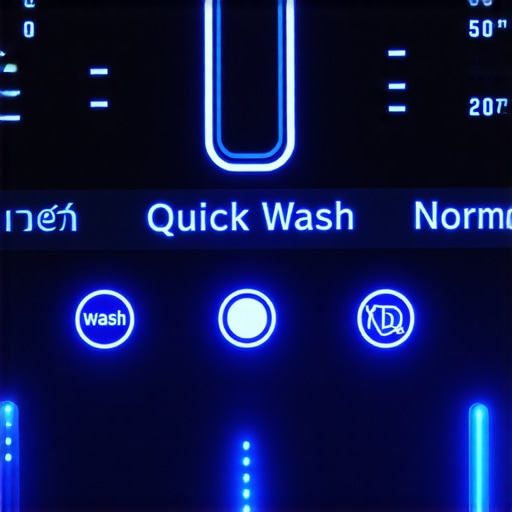
Stop Fighting the Water Sensors
Modern washers are smarter than we give them credit for, but they are also incredibly sensitive. These machines use sensors to ‘weigh’ the laundry and determine exactly how much water is needed. If you’ve ever peeked through the glass and wondered why your high efficiency washer doesn’t fill all the way to the top, don’t worry—it’s not broken. It uses a targeted spray rather than a deep bath. However, if you keep opening the door to ‘check’ on things or add a forgotten sock mid-cycle, you are resetting the brain. Every time that door clicks open, the machine often restarts its sensing phase, adding five to ten minutes to the timer. I used to be a chronic ‘re-loader,’ and I realized I was adding nearly thirty minutes to my total wash time just by being impatient. Trust the sensors and let them work undisturbed.
Balance the Load to Save Your Sanity
Nothing kills the clock faster than an unbalanced load. HE washers spin at incredibly high speeds to extract as much water as possible, reducing the time your clothes need to spend in the dryer. If the load is lopsided—say, one heavy towel wrapped around a bunch of lightweight t-shirts—the machine will stop, try to redistribute the weight, and fail. It might do this five or six times before it gives up. If your top load washer is making a loud banging noise, that is your signal that the internal clock is about to explode. I once tried to wash a single heavy denim jacket with a handful of delicates; the machine spent forty minutes just trying to reach a stable spin speed. Always wash similar weights together to keep the drum balanced and the timer moving forward.
Maintenance Steps You Should Not Skip
A dirty machine is a slow machine. Over time, hair, coins, and detergent scum can clog the internal drainage systems. If the water can’t exit the drum quickly, the machine’s safety sensors will slow down the spin cycle or add extra drain time. Make it a habit to clean the lint filter you didn’t know your washer had—usually located behind a small panel at the bottom front of the machine. I found a lego piece and three quarters in mine last month, and suddenly my ’90-minute’ cycle was back down to 70. Small bits of debris act like a literal brake on your laundry progress. Keeping these pathways clear ensures the machine can move from one phase to the next without a hitch.
We’ve been conditioned to think that more effort on our part equals a better result from our machines. But in the world of high-tech appliances, your ‘help’ is often a hindrance. I spent years pre-rinsing my dishes until they were spotless before putting them in the dishwasher, thinking I was being a good ‘appliance parent.’ I was wrong. Modern dishwashers are equipped with turbidity sensors that measure how dirty the water is. If you load clean plates, the machine thinks the load is already finished and cuts the cycle short, leaving you with dishes that aren’t actually sanitized. Consumer Reports has repeatedly noted that pre-rinsing is a waste of time and water because modern detergents need that food debris to have something to latch onto and activate.
Stop Scrubbing Your Plates Before the Dishwasher Does It
If you find that your dishwasher isn’t cleaning the top rack properly, the culprit might be your own sink. By leaving some grime on the plates, you allow the sensors to run a full, robust cycle. It feels wrong, I know. It feels like you’re being lazy. But the ‘Oops’ factor here is real: by over-cleaning beforehand, you’re actually tricking your expensive machine into under-performing. The same logic applies to your laundry room. If you are constantly dealing with a leaking detergent drawer in your washer, it’s usually because you’re using too much product. We’ve been told for decades that more soap equals cleaner clothes, but in a high-efficiency environment, excess soap creates a ‘cushion’ of suds that prevents clothes from rubbing together, which is exactly how they get clean.
Why does my ‘premium’ machine feel more finicky than a budget model?
It’s a common frustration: you spend thousands on a top-tier suite and suddenly you’re managing error codes you never saw on your 1995 GE. Premium machines, especially those discussed in the ultimate guide to smart home appliances, have tighter tolerances. They are like Formula 1 cars; they perform better but require precise ‘fuel.’ For example, if you have hard water, you might find your dishwasher pod isn’t dissolving completely. This isn’t necessarily a mechanical failure; it’s often a chemistry issue. High-end machines expect specific water temperatures and mineral levels to function at peak performance.
Why an Empty Fridge is a Utility Bill Nightmare
Another myth that needs to be busted is the idea that an empty refrigerator is an efficient one. You might notice why your high efficiency fridge runs more often than your old one and assume it’s struggling. In reality, modern compressors are designed to run at lower speeds for longer periods. However, a fridge needs ‘thermal mass’ (bottles of water, leftovers, milk) to hold the cold. Every time you open the door of an empty fridge, the cold air falls out and is replaced by warm air. If the fridge is full, the cold items keep the internal temperature stable. If you’re struggling with settings, checking the best refrigerator temperatures for keeping leafy greens crisp can help you find that sweet spot between efficiency and food preservation. One massive trap to avoid is the overuse of ‘quick’ settings on everything from your fridge to your washer. These are ’emergency’ buttons, not daily drivers. They bypass the sensors and use significantly more energy. Have you ever fallen into this trap of trying to ‘outsmart’ your smart appliances? Let me know in the comments below.
I’ve realized that the ‘smart’ in my appliances doesn’t mean they are self-healing. In fact, they’re often more vulnerable to the basics—dust, grime, and hard water. I keep a dedicated ‘appliance kit’ in my utility closet now. It’s not fancy: a bottle of white vinegar, a pack of microfiber cloths, and a cheap digital multimeter. Why the multimeter? Because when your smart fridge screen keeps going black every morning, knowing how to check a simple fuse or continuity on a wire can save you from a $200 service call fee. I also keep a set of hex keys, which are vital for a fix for a loose handle on your stainless steel refrigerator.
How do I keep these complex machines running smoothly for years?
The secret isn’t a pricey subscription service; it’s a schedule. Every six months, I perform what I call the ‘Great Gasket Wipe.’ If you don’t deep clean the gasket on your dishwasher to prevent leaks, that tiny bit of trapped debris eventually compromises the seal and causes floor damage. Similarly, for the fridge, I use the secret to making your refrigerator last twice as long by vacuuming the condenser coils. According to technical repair data from iFixit, nearly 30% of cooling failures are caused by dusty coils that force the compressor to work overtime until it burns out. This simple maintenance task is arguably more important than any software update your fridge will ever receive.
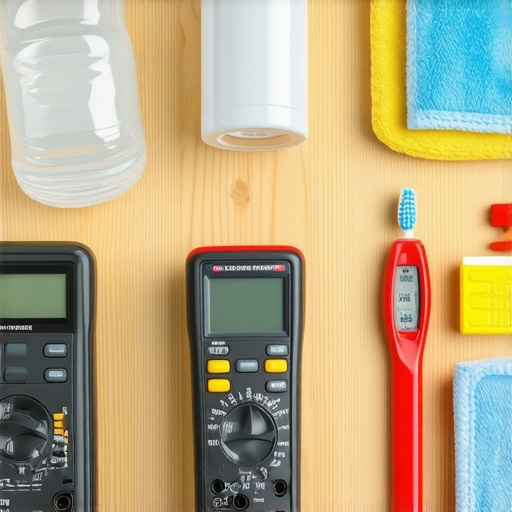
The Essential Toolkit for Any Modern Homeowner
I also suggest you learn to calibrate your refrigerator thermometer without calling a pro. I use a small $15 infrared thermometer once a month to ensure the ‘smart’ display isn’t lying to me. If the screen says 37°F but my milk is sitting at 42°F, I know a sensor is failing before the food spoils. Looking ahead to the future of home appliances and trends to watch in 2025, we’re going to see more self-diagnostic AI. Soon, your machine might order its own replacement gasket or detergent drawer before the old one cracks or starts leaking detergent drawer in your washer. But until then, the manual work is on us. You have to actively avoid the 5 mistakes that are shortening the life of your smart refrigerator, like overcrowding the top shelf or ignoring the water filter light.
Your Weekly Maintenance Checklist
Don’t let the technology intimidate you. Whether you are using the top smart appliances for a seamless home experience or a budget suite, the physics of water and heat remains the same. Check your front load washer which always smells like a damp locker room and clean that rubber seal. If you’ve never done it, go check your washer’s pump filter right now—it’ll take you five minutes and might save you from a massive repair bill when your clothes are still sopping wet after the spin cycle. This is the real-world side of the ultimate guide to smart home appliances: the best tech in the world only works if you keep the pipes clear.
Hard-Won Truths from My Appliance Journey
After years of wrestling with sensors and error codes, I’ve realized that the ‘smart’ in my home appliances isn’t there to replace my brain, but to work with it. Here are the lightbulb moments that finally made the marathon cycles worth it:
- The ‘Wait and See’ Rule: If your machine pauses for five minutes, it’s not broken. It’s likely weighing the load or checking the water temperature. Walking away is often the best maintenance you can perform.
- Detergent is the Enemy: In a high-efficiency world, less is almost always more. I stopped using pods for everything and switched back to liquid so I could precisely control the dose, which ended my ‘suds lock’ nightmares.
- Software Isn’t a Substitute for Soap: Even the most advanced innovative dishwashers with AI technology still need you to clear the filter. You can’t code away a stuck piece of popcorn or a buildup of grease.
- The Secret Reset: Sometimes the tech just gets confused. Knowing about the hidden reset button on your smart refrigerator can save you from a complete system meltdown during a busy holiday party.
Resources That Saved My Sanity and My Wallet
I don’t make decisions about my kitchen without consulting a few trusted voices first. If you want to dive deeper into the world of smart living, these are the corners of the internet I frequent:
- The Industry Blueprint: For anyone feeling overwhelmed by options, the ultimate guide to smart home appliances is the best starting point to understand how these systems talk to each other.
- The Future Outlook: When I’m curious about what’s coming next, I look at the refrigerators in 2025 preview to see which features are actually useful and which are just gimmicks.
- Consumer Education: I always recommend checking the ENERGY STAR website to see the real-world utility impact of the machines you are considering.
Take the Lead in Your Modern Home
It’s time to stop feeling like your washing machine is holding you hostage and start viewing these tools as your partners in a more efficient life. Transitioning to a high-efficiency lifestyle isn’t just about the planet or your bank account; it’s about reclaiming the mental space you used to spend worrying about chores. By understanding the rhythms of your home appliances, you move from being a frustrated owner to a confident pro user. You’ve got the toolkit, the knowledge, and the mindset to keep everything running perfectly. Which appliance setting has given you the most trouble lately? Let me know in the comments below!