
It was 2:00 AM on a Tuesday, and I was standing in my kitchen, staring at a half-eaten sandwich, when I heard it. Click. A few seconds of silence followed by a faint hum that lasted only a moment. Then, nothing. I waited, holding my breath. Exactly ten minutes later? Click. I was convinced my expensive unit was destined for the scrapyard. I started panicking, googling how to move a heavy refrigerator without scratching the floor, thinking I’d need a replacement by morning. But here is the good news: that rhythmic ticking is usually the appliance’s way of asking for a $20 part, not a $2,000 replacement. Today, I’m going to walk you through exactly why your modern fridge is acting like a metronome and how we can silence it together.
Stop the Ticking Before You Lose Your Mind
If your fridge is clicking every ten minutes, it is almost certainly the start relay trying to kick the compressor into gear and failing. I’ll be honest with you—early in my DIY journey, I made the massive mistake of calling out a technician for this exact issue without checking the relay first. I paid $150 for a service call just to watch a guy swap out a part the size of a matchbox. It was a humbling moment, but it taught me that why your modern fridge is making a clicking sound every ten minutes usually comes down to a simple electrical hiccup. When that relay fails, the compressor can’t start, and the fridge clicks as the thermal overload protector cuts the power to prevent a fire. It’s a safety feature, not a death sentence. By learning these small fixes, you can discover the secret to making your refrigerator last twice as long without constant professional intervention.
Is My Fridge Actually About to Die?
Many people fear that a clicking sound means the compressor—the heart of the machine—has finally given up the ghost. While that is a possibility, it is rarely the first thing to go. Interestingly, research from the University of Nebraska-Lincoln Extension notes that refrigerators are the most energy-demanding appliances in the home, and a malfunctioning start component can cause your utility bill to spike as it repeatedly tries to draw power. Beyond just the noise, you might want to look into the hidden settings on your fridge that can save you money on utilities while you are back there troubleshooting. Have you been losing sleep over that rhythmic ticking in your kitchen lately? If so, don’t rush to buy a new one just yet; we are going to look at the coils and the relay first.
Give Your Fridge Room to Breathe
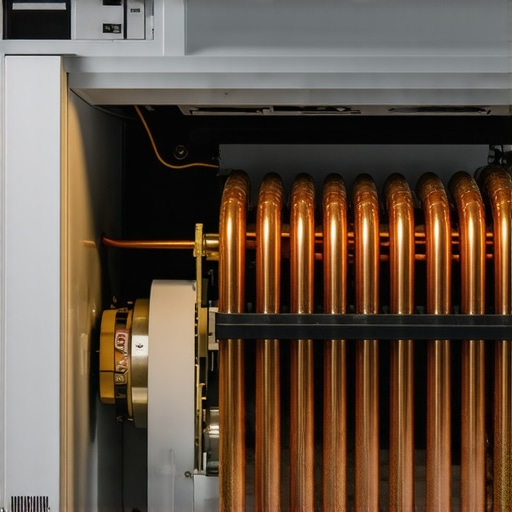
Before you start pulling out electrical components, we need to address the most common “silent killer” of compressors: heat. Your refrigerator is essentially a giant heat exchanger. It pulls heat from the inside and dumps it into your kitchen. If the coils—those black grid-like structures or the finned radiator underneath—are covered in dust, the heat has nowhere to go. The compressor stays hot, the thermal overload switch detects the danger, and click—it shuts down. I once visited a neighbor who was convinced her fridge was dead. I pulled it out and found three years of accumulated pet hair and a stray sock blocking the airflow. Knowing how to keep your refrigerator coils clean in a pet-friendly home isn’t just about cleanliness; it’s about preventing a total system shutdown.
Clean Those Dust-Caked Coils First
Grab a vacuum with a narrow attachment and a long-handled brush. Carefully sweep away the gray blankets of dust from the coils and the condenser fan. If the fan cannot spin, the compressor will overheat in minutes. Once you’ve cleared the debris, plug the unit back in and listen. If it still clicks, we move to the electrical heart of the problem. If you had to pull the unit out for this, make sure you know how to move a heavy refrigerator without scratching the floor so you don’t trade one repair for a ruined hardwood finish.
The Shake Test for Your Start Relay
If the clicking continues, the start relay is your prime suspect. This component is like the “starter motor” in your car; it gives the compressor the high-torque jolt it needs to start running. To find it, you’ll usually need to remove a small metal or plastic cover on the side of the compressor (that big black tank at the bottom). Safety first: always unplug the power. I learned this the hard way when I got a nasty shock because I was being impatient. Once the relay is unplugged from the compressor pins, give it a gentle shake. If you hear a rattle, the internal ceramic disk has shattered. It’s a cheap part that you can swap in seconds. Even if it doesn’t rattle, sometimes a simple software glitch is the culprit. You should always check for the hidden reset button on your smart refrigerator that fixes glitches before ordering new hardware.
Perform a Digital Brain Reset
Modern appliances are basically computers that happen to keep your milk cold. If your relay looks fine but the unit is still acting up, the control board might be frozen. This is especially true if you’ve noticed other oddities, like why your smart fridge screen is suddenly turning black or unresponsive buttons. You’ll want to learn how to hard reset your smart refrigerator control panel to see if a fresh boot-up resolves the clicking. When you look at the compressor, you’ll see three brass pins where the relay connects. Before you put the new one on, take a dry cloth and wipe any carbon scoring or soot off those pins. Poor contact is a silent thief of appliance longevity. I remember trying to jam a relay onto pins that were slightly corroded and nearly bending the connection—take your time here. While you are tweaking things, it’s also a great time to verify you are using the best energy efficient fridge settings for your utility bill to ensure you aren’t overworking the new components once they are installed.
Let’s dig deeper into the psychology of modern appliance ownership. One of the most common myths I hear is that if a refrigerator is running constantly, it must be broken. In the old days, a fridge would roar to life, chill everything down in twenty minutes, and then shut off. But if you have invested in refrigerators in 2025 with top features, you’ve likely noticed they seem to stay on forever. This isn’t a defect; it’s by design. Modern variable-speed compressors are built to run at 80% or 90% of the time at a very low, energy-sipping speed. This is actually why your high-efficiency fridge runs more often than your old one. It maintains a steady temperature rather than letting the cabinet warm up and then fighting to cool it back down. If you panic and start unplugging things because you think it’s ‘overworking,’ you might actually be causing more wear on the control board.
Stop Smothering Your Machine with Soap
The biggest “oops” factor I see in modern homes involves the washing machine. We have been conditioned for decades to believe that more bubbles equal more clean. This is a massive trap. Modern High-Efficiency (HE) washers use a fraction of the water of their predecessors, meaning a full cap of detergent creates a “suds lock” that can burn out the pump. I’ve seen countless homeowners think their motor is dead when, in reality, the machine is just suffocating on bubbles. If you are still using old-school methods, you need to understand why your washer doesn’t need a whole cup of detergent to get clothes clean. Over-sudsing leads to mold growth in the gasket and can even confuse the sensors, leading to why your clothes are still soaking wet after the final spin cycle. It’s a counterintuitive reality: less soap actually leads to cleaner clothes and a longer-lasting machine.

Why Is My High-Efficiency Fridge Running Almost All Day?
Advanced users often worry about the “duty cycle” of their appliances. According to technical reports from the Association of Home Appliance Manufacturers (AHAM), modern inverter compressors are designed for nearly continuous operation to maximize energy ratings. If your fridge stops clicking and starts humming softly for hours, congratulate yourself—it’s working perfectly. However, the nuance most people miss is that while the machine is smarter, it is also more sensitive to its environment. If you haven’t consulted with choosing the right refrigerator tips from industry experts, you might have installed a unit into a recessed cabinet without the necessary two inches of clearance, which forces that smart compressor to work at max capacity just to stay alive.
The Real Price of Cutting Corners
I always tell my readers to beware of the lure of the “budget” fix. We often think we are being savvy by buying the cheapest possible replacement parts or the lowest-end model, but the hidden costs of cheap budget appliances usually manifest in three years rather than ten. Whether it is a dishwasher with a plastic tub that leaks or a smart washer that won’t connect to your local network, the initial savings are eaten up by repair bills. As we look toward the future of home appliances and trends to watch in 2025, the focus is shifting toward repairability and modular components. Have you ever fallen into the trap of over-soaping your laundry or ignoring a dusty fridge coil until it was too late? Let me know in the comments below—I’d love to hear your appliance horror stories and how you solved them.
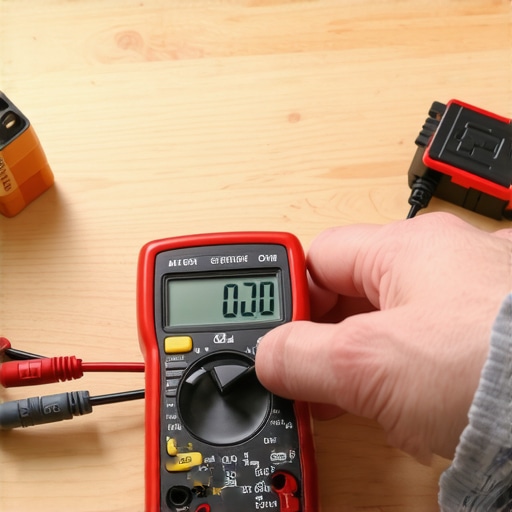
To keep your kitchen running without a hitch, I swear by three specific tools: a digital multimeter, a flexible coil brush, and a set of non-marring floor glides. You don’t need to be an electrical engineer to use them, but they are the difference between a DIY win and a $300 repair bill. I personally use the multimeter to check for continuity on every sensor I suspect is failing; it’s the only way to stop the guessing game. If you live in a house with a bit of character, you’ve likely faced the challenge of how to level a washing machine on an old slanted floor. A machine that isn’t level will literally shake its own internal components to pieces over time. If your laundry room sounds like a construction site, you need to stop everything and learn how to fix a washing machine that keeps banging during spin before you crack the outer drum. It is a simple adjustment of the feet, but the long-term results are massive for the health of your motor.
How do I maintain these high-tech machines for the long haul?
Consistency is your best friend. A study by the Building Science Corporation indicates that poor airflow around built-in appliances—often caused by tight cabinetry or dust—can reduce component lifespan by up to 30% due to heat-induced stress. This is why I schedule a ‘coil-and-filter’ day every six months. For those diving into the ultimate guide to smart home appliances for a modern living, remember that the software needs maintenance too. Check for firmware updates in your manufacturer’s app monthly; these often contain bug fixes that prevent the processor from overheating. If you aren’t sure where to start, looking into top smart appliances for a seamless home experience in 2025 can give you a roadmap of what maintenance features are becoming automated.
Stop Ignoring Your Dishwasher Gasket
We often think the dishwasher cleans itself, but that’s a dangerous assumption. Food particles and mineral deposits from hard water love to hide in the rubber seals. If you don’t take the time to how to deep-clean the gasket on your dishwasher to prevent leaks, that rubber will eventually brittle and crack, leading to a slow drip that rots your subfloor. While you are at it, clear the drain. If you’ve ever wondered why your dishwasher still has standing water in the filter area, it’s usually because the fine-mesh screen is clogged with labels from jars or ‘flushable’ grease. In the future of home appliances and trends to watch in 2025, we expect to see more self-cleaning filtration systems, but for now, your hands are the best tool you have. We are already seeing innovative dishwashers with AI technology that can alert you to a clog, but manual inspection is still the gold standard for longevity. I want you to go to your kitchen right now and pull out the bottom rack of your dishwasher. If you see even a tiny bit of gray slime in the filter, clean it out. That five-minute task could save you from a pump failure next month.
Lessons from the Kitchen Floor at 2 AM
After years of wrestling with refrigerators and washing machines, I’ve realized that most appliance ‘deaths’ are actually just cries for help. Here are the lightbulb moments that saved me from the scrapyard:
- The Relay Rattle Rule: If you suspect the start relay, pull it off and shake it. If it rattles like a box of broken glass, you just saved a thousand dollars with a twenty-dollar part.
- HE Machines are Divas: Modern washing machines that save water are engineering marvels, but they will quit on you if you use too much soap. Less is truly more.
- Codes are Your Friends: Don’t panic when the screen flashes. Knowing how to reset the error codes on your modern smart washer often clears ‘mechanical’ failures that are actually just sensor hiccups.
Tools That Saved My Sanity
I don’t keep a massive toolbox, but three items have paid for themselves ten times over. I always have a long, flexible coil brush to keep the fridge’s heart from overheating. I also keep a digital multimeter to test for continuity; it stops me from guessing which part to order. Finally, for those joining the smart appliances revolution, a dedicated cleaning routine is essential. I personally learned the best way to clean your dishwasher door seal without tearing it after a small leak threatened my cabinets. These aren’t just tools; they are your insurance against the ‘clicking’ of a failing machine.
Trust Your Hands to Fix Your Home
The next time your kitchen starts making a rhythmic ticking sound, don’t reach for your wallet—reach for your screwdriver. You have the power to extend the life of your home appliances by years just by paying attention to the small things like dust and detergent levels. Taking care of your dishwashers and smart units is about more than just convenience; it’s about the satisfaction of keeping your home running smoothly. Have you ever fixed an appliance with a simple trick that an ‘expert’ said was impossible? Let me know in the comments below!