
I will never forget the night I pulled a “clean” glass from the rack to offer a guest some water, only to realize the rim felt like it had been dipped in sugar—except it wasn’t sweet. It was that dreaded, gritty white film. My face turned bright red as I tried to subtly wipe it off with a tea towel. I have been there, staring at a mountain of supposedly finished dishes that look like they have been through a dust storm instead of a wash cycle. It is infuriating. You buy these high-end machines thinking they will make life easier, but sometimes they just leave you with a different kind of mess to clean up. Today, we are going to get to the bottom of this chalky mystery. I am going to show you exactly how to diagnose the cause—be it your water, your soap, or a hidden part you did not even know existed—and how to fix it so you never have to re-wash a “clean” plate again.
The Frustrating Reality of Modern Dishwashing
It is easy to blame the machine itself. I actually spent weeks grumbling that my unit was a lemon before I realized the problem was much more nuanced. We are living in an era where the ultimate guide to smart home appliances for a modern living promised us perfection, but the reality is that eco-friendly changes in detergent formulas have made our lives a bit grainier. In 2010, the industry moved away from phosphates, which were great at stripping minerals but tough on the environment. Without them, our machines struggle more with mineral deposits. According to the U.S. Geological Survey (USGS), about 85% of the United States has hard water, and that is the silent killer of your glassware’s shine. I made a classic rookie mistake early on: I thought more detergent would solve the problem. I was practically filling the dispenser to the brim. Turns out, the dishwasher detergent mistake that is etching your favorite glassware is not just about the brand; it is about the chemistry between the soap and your water’s mineral content. Have you ever noticed this film getting worse after you changed soap brands, or did it just appear out of nowhere one day? Leave a comment if you are currently battling sandpaper plates!
Is Your Machine Actually Broken or Just Thirsty?
People often fear they need a whole new appliance when they see that white haze. They start looking into the best built-in dishwashers for a modern and seamless kitchen before even checking their filters. Most of the time, your dishwasher is not dying; it is just struggling with buildup or a lack of maintenance. Sometimes, the hidden sensor in your dishwasher that needs a manual scrub is so covered in lime that it cannot tell if the water is actually hot enough to dissolve the grit. Even the best way to stack your dishwasher for maximum clean will not save you if the internal spray arms are clogged with the very minerals you are trying to wash away. Let us look at why this happens and what you can do about it right now.To fix that gritty film, we have to start with the most basic mechanical hurdle: the filter. I once went six months without checking mine, and when I finally pulled it out, it looked like a science project gone wrong. If your filter is clogged with old food and grease, the machine is just recirculating dirty, mineral-heavy water over your ‘clean’ dishes. You should learn the easiest way to clean the filter in your dishwasher before you buy any expensive chemical cleaners. Once that is clear, look at the spray arms. I used a toothpick to poke out lime deposits from the tiny nozzles on my unit last year. It felt tedious, but the water pressure doubled instantly. Understanding how to clean the internal spray arms of your dishwasher for better flow ensures that the water actually hits the soap and dissolves it properly.
Clear Out the Physical Gunk First
#IMAGE_PLACE_HOLDER_B#If you have cleaned the filter and the arms and still see spots, your water temperature is likely the culprit. Dishwasher detergent needs heat—usually at least 120°F—to activate. If the water enters the tub cold, the enzymes in those pods just sit there like a wet rock. This is often why your dishwasher pod isnt dissolving completely. My trick? Run the kitchen sink until the water is steaming hot before you hit ‘Start’ on the dishwasher. This ensures the very first gallon of water entering the machine is hot enough to work.
Switch Up Your Soap Strategy
We have been conditioned to think more soap equals more clean, but in the world of the smart appliances revolution how to choose the best dishwasher, less is often more. If you have soft water and use a whole pod, you are creating an ‘oversuds’ situation that leaves a chemical film. If you have hard water, you might need a rinse aid. I spent years thinking rinse aid was a marketing scam until I realized it is actually a surfactant—it makes water ‘wetter’ so it slides off the glass instead of drying into a mineral spot. If you are still seeing a haze, try a bowl of white vinegar. Place a small, dishwasher-safe bowl filled with a cup of white vinegar on the top rack of an otherwise empty load. Run a hot cycle. The acetic acid will strip away the lime scale from the interior walls and the heating element, which is often the source of the grit. I did this after a particularly bad week of hard water in my old apartment, and the inside of the machine went from a dull grey to a mirror-like shine in one hour.One of the biggest mistakes I see people make—and I was guilty of this for years—is the pre-rinse obsession. We think we are helping the machine, but we are actually sabotaging the detergent performance. Modern pods are designed with enzymes that specifically seek out food particles. When those enzymes find nothing to latch onto, they turn their aggression toward your glassware, leading to permanent etching and that weird, sandy residue. Have you ever fallen into this trap? Let me know in the comments. In my experience, just scraping the big chunks into the bin is more than enough for innovative dishwashers with AI technology you must know to handle the rest.
Why Does Your Eco Cycle Feel Like a Gritty Failure?
While we all want to be environmentally conscious, running your machine exclusively on low-heat cycles is a recipe for grease buildup in the internal plumbing. According to the Association of Home Appliance Manufacturers (AHAM), modern dishwashers rely on specific heat thresholds to fully emulsify fats. If you never run a hot cycle, that grease eventually solidifies and starts catching mineral deposits, which then spray back onto your plates as grit. This is often the hidden cost of running your dishwasher on the heavy cycle daily versus occasionally—you need that heat to keep the system clear and the minerals dissolved.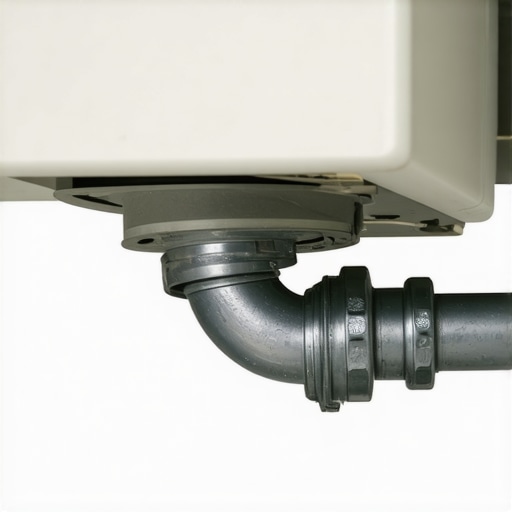 I have also noticed that people misunderstand how their machines handle water. You might be surprised by why your high-efficiency washer uses barely any water, but that limited amount makes the chemistry even more volatile. If your drain hose is not installed with a high loop, dirty water from your sink or the previous cycle can actually siphon back into the tub. It is one of the most common 5 signs your dishwasher drain hose is kinked behind the cabinet or simply installed at the wrong height. When that happens, you are essentially washing your clean dishes in yesterday’s sink water. It is a subtle mechanical nuance that most beginners overlook, but once you fix that loop, the grit often vanishes overnight. If you have been struggling with a haze that just wont quit, check the height of that hose under your sink before you call a repairman. It is a five-minute fix that can save you a five hundred dollar replacement bill.
Once you have addressed the drainage and the hose, you cannot just set it and forget it. I used to think a dishwasher was self-cleaning because, well, it is full of soap and hot water. I was wrong. Over time, grease and mineral scale build up in the nooks you cannot see. If you really want to keep those glasses crystal clear, you have to look at the door seal. I noticed a faint, musty odor coming from my kitchen last summer and discovered that food particles were trapped in the rubber folds. Learning how to clean a moldy dishwasher door gasket the right way is not just about hygiene; it is about preventing leaks that can warp your cabinets. This same principle applies to your laundry room too. If you have ever wondered why your front load washer smells like a swamp and how to fix it, the answer is almost always the same: trapped moisture and biofilm in the gasket. I make it a habit to wipe down these seals every weekend. It takes thirty seconds, but it saves hours of deep-scrubbing later.
How do I maintain my dishwasher performance over time?
Maintenance is more than just a surface wipe; it is about the chemistry inside the pipes. I recently read a technical service manual from Bosch that specifically recommends a descaling cycle every four to six months for households in hard water regions. This is vital because calcium does not just stay on your plates; it coats the heating element, making it work harder and eventually burn out. I use a dedicated citric acid-based descaler because it is more aggressive than vinegar for heavy buildup. This proactive approach is actually the secret to making your refrigerator last twice as long and keeping your dishwasher running like it is day one. If you are using high-end gear, you need to respect the maintenance schedule. It is like an oil change for your kitchen.
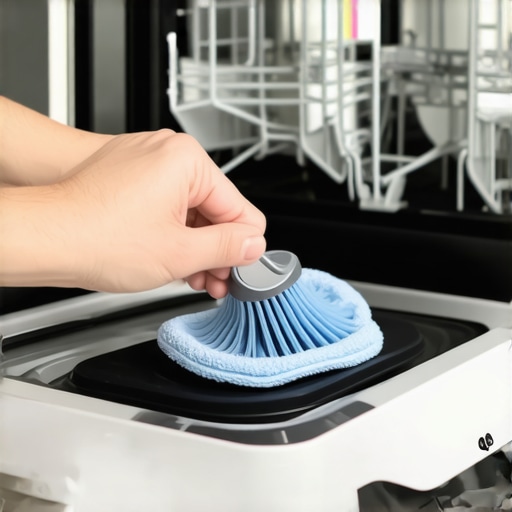
As we look toward the future, the innovative dishwashers with AI technology you must know about are starting to include internal sensors that measure water turbidity and mineral concentration in real-time. I predict that within the next five years, your machine will not just tell you it is dirty—it will automatically adjust the cycle or alert your phone precisely when a descaling tablet is needed. This is why you keep seeing those notifications; why your smart appliance app keeps asking for a firmware update is often to refine these sensor algorithms for better efficiency. For now, my best advice is to stop overthinking the soap and start focusing on the machine’s ‘internal health.’ Go check your dishwasher filter right now; if it feels slimy, give it a hot soapy scrub. You will see the difference in your very next load of glassware. Let’s keep these machines running efficiently so they work for us, not the other way around.
Lessons I Learned the Hard Way Under My Kitchen Sink
Looking back, my biggest “lightbulb moment” was realizing that soap isn’t a substitute for maintenance. I used to think that the more expensive the detergent, the less I had to care for the machine. I was wrong. Another hard lesson: water hardness changes with the seasons in some areas, meaning your dishwasher settings might need a tweak twice a year. Finally, I learned that a “clean” smelling dishwasher can still be a filthy one internally; biofilm hides where you can’t see it. It is why I always keep an eye out for the quick fix for a leaky dishwasher door before a small drip becomes a kitchen-wide disaster.
#IMAGE_PLACEHOLDER_E#
The Three Items That Saved My Glassware
I don’t believe in buying every gadget on the shelf, but three things changed my life. First, a simple water hardness test kit; it told me I needed to double my rinse aid. Second, a long-handled soft brush for the filter housing. Third, a high-quality descaler. If you are still struggling with mechanical issues beyond just film, you should learn how to manually drain a dishwasher when the pump fails so you aren’t left with a stagnant pool of grey water. I also keep an eye on the future of home appliances trends to watch in 2025 to see when it might finally be time to upgrade to a model that handles hard water better than my current unit.
Say Goodbye to Gritty Plates for Good
You don’t have to live with dishes that feel like they were washed in a sandpit. By cleaning your filters, checking your water temp, and understanding the chemistry of your detergent, you can finally fix the issue of why your dishwasher is leaving a cloudy film on glasses. It is about taking back control of your kitchen’s efficiency. Go ahead, run that next load with confidence—you’ve got the knowledge to make it shine. Have you ever tried the vinegar bowl trick, or did a specific detergent brand finally solve your cloudy glass problem? Let me know in the comments below!