
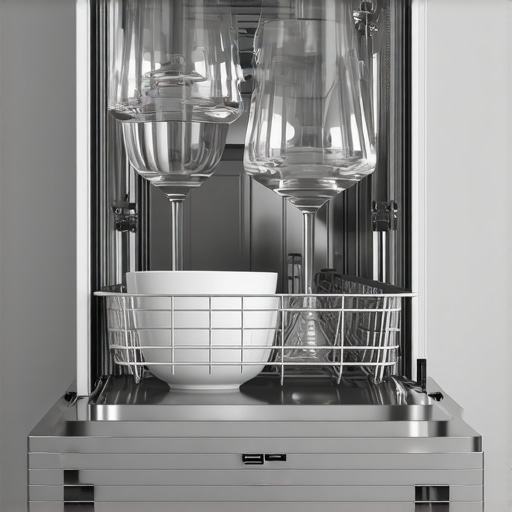
I remember standing in my first studio apartment, staring at a stack of crusty lasagna pans that seemed to mock my tiny kitchen. I actually tried to wedge a full-sized dishwasher into a space meant for a trash can, and I ended up cracking my cabinet frame and losing my security deposit. It was a disaster. I spent the next year hand-washing every single fork, convinced that anything smaller than 24 inches was just a glorified rinsing station that would leave my plates feeling gritty. I was wrong, but it took a lot of soggy sponges to realize it. Today, I am going to show you how to find a slimline model that actually packs a punch, so you can stop sacrificing your weekends to the kitchen sink.
Can These Skinny Machines Actually Clean Tough Stains?
Many people worry that an 18-inch machine lacks the water pressure of its bigger brothers. In reality, the best compact dishwashers for studio apartment living use the exact same pump technology as the heavy-duty models. One of the biggest mistakes I made early on was assuming I had to use three times the detergent to make up for the size; all I ended up with was a soapy mess and a gritty white film on my plates. According to the Association of Home Appliance Manufacturers (AHAM), modern slimline units often outperform older full-sized models because their smaller wash cabinets allow for more concentrated water spray patterns. [image placeholder]
The Real Reason Most Slim Units Fail Your Expectations
It is rarely about the motor and almost always about how you use the space. When I finally bought my first high-quality 18-inch unit, I treated it like a regular machine and blocked the spray arms with oversized cutting boards. If you do not learn the best way to load a dishwasher for these tighter dimensions, even the most expensive brand will leave food behind. You also have to be careful about those “eco” settings; while they save money, the truth about eco mode is that it sometimes struggles with baked-on grease. Have you ever stood in your kitchen with a tape measure, feeling like you are doomed to scrub dishes by hand forever? I promise there is a better way, and it starts with choosing power over bulk. In the next section, we will look at the specific specs that separate the heavy hitters from the weaklings.
Stop Over-Rinsing and Start Scraping
The biggest hurdle for most people moving from hand-washing to a slimline unit is the urge to pre-rinse every plate until it is practically clean. If you do this, you are actually making the machine’s job harder. Modern sensors, which are the brains of innovative dishwashers with AI technology, need to detect soil levels to calibrate the cycle length and water temperature. When you put in a clean plate, the sensor assumes the job is done and cuts the cycle short, leaving you with dry-on residue. Instead of rinsing, just scrape off the big chunks. If you are worried about buildup, knowing the best way to sanitize your dishwasher without using bleach will keep the interior fresh without ruining the sensors.
Why Your Detergent Choice Matters More Than You Think
In a small machine, the margin for error with soap is razor-thin. I once used a budget liquid detergent and ended up with a kitchen floor covered in bubbles because the concentration was all wrong for the water volume. High-efficiency pods are great, but sometimes they do not dissolve fully in shorter cycles. If you ever run into an issue where a smart dishwasher won’t recognize its own detergent pods, it usually comes down to the humidity in your cabinet or the placement of the pod. Always place the pod in the designated tray, never just toss it into the bottom of the tub. This ensures the detergent is released at the precise moment the water is hot enough to break it down.
The Tactical Loading Strategy
Think of loading an 18-inch dishwasher like a game of high-stakes Tetris. The spray arm at the bottom is your most powerful tool, but it only works if the water can reach every surface. The first time I successfully ran my slimline unit, I felt like I had won the lottery, but it did not start that way. I remember trying to wash my favorite heavy-bottomed Dutch oven alongside six dinner plates. I jammed the pot right in the center of the bottom rack, effectively putting a giant iron lid over the entire spray arm. When the cycle finished, the plates were still covered in tomato sauce. Now, I always angle my plates downward and toward the center. If you are struggling with poor results, checking the best way to load a dishwasher for maximum water flow can solve 90% of your cleaning problems overnight.
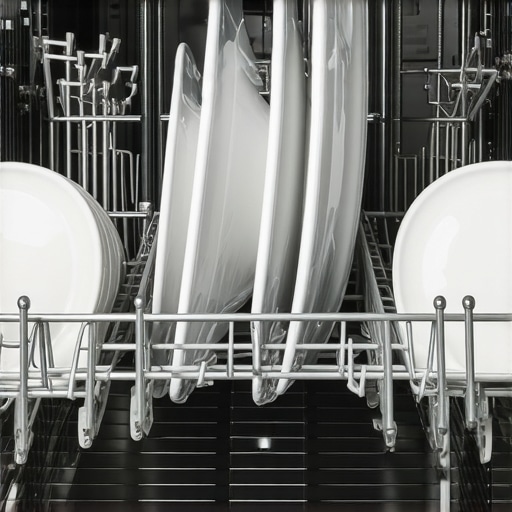
Protect the Spray Arms From Hidden Obstacles
One sneaky culprit that ruins a wash cycle is a dangling handle or a tall spatula that stops the spray arm from spinning. I used to think my pump was dying because of a rhythmic thumping sound, only to realize a wooden spoon had slipped through the cutlery basket. Before you close the door, always give the spray arms a quick manual spin. If they hit something, move it. It sounds simple, but it is the difference between a successful wash and a gritty white film on your plates. Also, keep an eye on the hidden sensor that stops your dishwasher from drying properly, as mineral buildup from hard water can trick it into thinking the load is already dry. To combat this, regularly use the trick to removing hard water spots to keep those sensors clear and functional.
Most “experts” will tell you that the Eco setting is the holy grail of modern appliance use. I am going to tell you the opposite: if you use it every single time, you are slowly suffocating your machine. I have seen enough “clean” dishwashers with a layer of congealed fat in the drain to know better. While the truth about the eco mode on your new dishwasher is that it saves water, it often lacks the sustained heat needed to fully emulsify animal fats. Once every few weeks, you need to run a heavy-duty, high-heat cycle. It is like a detox for your appliance.
The Secret Behind the Soap Bubble Trap
One massive “trap” I see constantly is the belief that more bubbles equal a better clean. In high-efficiency (HE) washing machines, this is the quickest way to ruin your clothes. If you notice the reason your washing machine is leaving white streaks on your clothes, it is likely not a lack of water, but an abundance of soap that hasn’t been rinsed away. The secret to using less detergent in your high-efficiency washer is that you usually only need about two tablespoons—max. Any more and you are just creating a film that attracts dirt.
#IMAGE_PLACE_HOLDER_C#
Then there is the “vinegar” craze. Everyone on social media says to toss a bowl of vinegar in the dishwasher for a sparkle. Please, stop. While it might remove spots, the acetic acid can degrade the rubber gaskets and seals over time. If you are seeing spots, the trick to removing hard water spots from your dishwasher interior involves far safer methods that won’t lead to a how to fix a leaky dishwasher door seal in under ten minutes scenario down the road. It is about working with the machine’s chemistry, not fighting it.
Is Your Smart Sensor Actually Lying to You?
Sophisticated readers often ask why their $1,500 machine behaves like a $200 unit from 1995. The answer usually lies in the sensors. Modern innovative dishwashers with AI technology rely on turbidity sensors to check how dirty the water is. If these get even a slight film of hard water on them, they misread the load. According to a report by the Repair Association, sensor failure or miscalibration is one of the top reasons for unnecessary professional repairs. If you find why your smart dishwasher app keeps giving you phantom errors, it is often a physical cleaning issue rather than a software bug.
Before you call a technician, check the basics. Have you ever fallen into this trap of over-relying on the “smart” features? Let me know in the comments. We often forget that even the future of home appliances still relies on basic physics and chemistry. Sometimes, the most advanced fix is just a damp cloth and a bit of manual inspection.
I have spent thousands on various machines over the last decade, and if there is one thing I have learned, it is that a $20 flexible coil brush is worth more than any five-year extended warranty. I use mine every six months to reach the dust bunnies hiding under my refrigerator. If you skip this, that compressor works twice as hard, leading to a much shorter lifespan and higher bills. Understanding the real difference between inverter compressors and standard fridge motors helps you realize why heat is the ultimate enemy of efficiency in tight spaces. When your fridge cannot breathe, it cannot cool. This is especially true for those of us using the best slim refrigerators for studio apartment living, where airflow is already restricted by cabinetry.
Give Your Appliances a Second Life with Five-Minute Fixes
The same logic applies to your laundry room. People often complain about mysterious odors, but they almost never check the pump filter at the bottom of the machine. Finding the secret to cleaning a front-load washer’s hidden filter changed everything for me—no more ‘damp towel’ smells on my clean gym clothes. While you are at it, do not ignore the soap tray. Gunk builds up behind the plastic where you cannot see it. Learning how to clean the detergent drawer on your front-load washer is one of those small tasks that prevents a massive mold headache later. According to the U.S. Department of Energy (DOE), sediment and scale build-up on heating elements can increase an appliance’s energy consumption by over 10%, making these tiny maintenance steps financially essential. 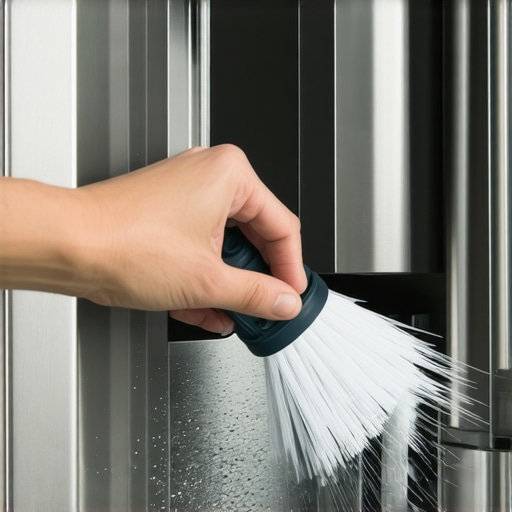
How do I maintain my slimline appliances over the long haul?
Keeping these machines running like new is not just about physical scrubbing; it is about managing the system health. For smart units, you have to stay on top of the digital side too. I have had my share of software hangs, but learning how to update your smart fridge software without crashing the system is now a quarterly ritual for me. You should also regularly inspect the seals. A quick check to see if your refrigerator door seal is actually airtight can save you from a failing compressor and spoiled milk. If the seal is cracked, you are literally throwing money out of the door.
Predictive Tech Is Coming for Your Kitchen
Looking ahead, I expect we will see ‘self-healing’ diagnostics become the industry standard. We are already seeing the future of home appliances move toward predictive maintenance, where your machine will order its own replacement gaskets or filters before they even leak. Until that happens, the responsibility is on us. Go ahead and pull out your washing machine’s detergent drawer right now. I bet there is residue hiding there that you missed. Taking five minutes to wipe it down is the easiest win you can have today to ensure your washing machines that save water actually stay efficient for years to come.
The Hardest Lesson My Tiny Kitchen Taught Me
After a decade of tinkering with everything from 18-inch dishwashers to compact fridges, I’ve realized that the most expensive smart feature is worthless if the basic physics are ignored. Here are the lightbulb moments that saved my sanity: First, the ‘Just One More Plate’ Trap—in a slimline machine, overcrowding doesn’t just mean dirty dishes; it means potential motor strain. Respect the boundaries of your racks. Second, maintenance is seasonal, not annual. If you wait a year to check your fridge coils or your washer filter, you’re already losing efficiency. Third, software isn’t a silver bullet. I love how smart washing machines can simplify laundry day, but they can’t physically reach in and clear a clogged drain. Don’t let the app make you lazy about manual inspections.
[image placeholder]
The Handful of Tools I Trust More Than the Manual
I don’t just rely on what the manufacturer tells me. Over time, I’ve built a small kit that keeps my home running. First, a flexible condenser coil brush is non-negotiable—it’s the only way to keep refrigerators in 2025 running without overheating. Second, I always keep a high-quality surge protector specifically for my larger units to prevent motherboards from being fried by a sudden power surge. Finally, I regularly consult tips from industry experts to see which brands are actually holding up in real-world conditions versus just having flashy marketing. These sources have saved me thousands in potential repairs and unnecessary upgrades.
Your Path to a Stress-Free Kitchen
You don’t need to be a professional repair technician to master your home. It starts with one small action—maybe it’s checking your door seals or finally diving into how to save money on your electric bill by changing three fridge settings. When you take control of your home appliances, they stop being a source of stress and start being the silent partners they were meant to be. Go ahead, take that first step today and watch your utility bills drop while your appliance lifespan grows. Have you ever had a smart appliance fail you in the most basic way possible? Let me know your biggest kitchen disaster in the comments below!