
I stood there at 11:30 PM, staring at a mountain of crusty plates in a sink the size of a postage stamp. My studio apartment felt like it was closing in on me. Every time I cooked a simple meal, I spent forty minutes scrubbing, splashing water all over my only countertop, and questioning my life choices. I used to think a dishwasher was a luxury I simply couldn’t fit—not because of the price tag, but because every square inch of my kitchen was already spoken for. I was so wrong. I wasted years thinking hand-washing was the only way to survive small-space living, but the truth is that you don’t need a suburban mansion to stop scrubbing.
Why You Don’t Have to Suffer Through the Soak and Scrub Cycle
The struggle of the studio dweller is real. You want to eat healthy, but the thought of cleaning up afterwards makes you reach for the takeout menu instead. I made a huge mistake early on by buying a ‘portable’ unit from a random warehouse sale that was actually an 80-pound behemoth. It didn’t even fit through my bathroom door. It taught me that [the best portable dishwashers for renters](https://smartappliancereview.com/the-best-portable-dishwashers-for-renters-and-small-kitchen-spaces) aren’t just smaller versions of big machines; they are specialized tools designed for our specific brand of chaos. Whether you are looking for a countertop hero or a slimline miracle, the goal today is to find you a machine that actually cleans without forcing you to move your bed into the hallway. We are going to look at water efficiency, noise levels, and how to avoid that dreaded ‘gritty film’ that haunts so many compact owners. Have you ever felt like your kitchen was too small to actually function as a kitchen? Drop a comment and tell me your worst small-kitchen horror story! You might be surprised to learn that according to the Natural Resources Defense Council (NRDC), even a small, energy-efficient dishwasher can use as little as 3 gallons of water per load, whereas hand-washing the same amount of dishes can guzzle up to 27 gallons. That is a massive difference for your utility bill and the planet.
Do These Mini Machines Actually Clean Anything?
I get the skepticism. It looks like a toy. You wonder if a machine that small can really handle a dried-on egg yolk or a greasy lasagna pan. I used to worry about this constantly until I realized that [innovative dishwashers with AI technology](https://smartappliancereview.com/innovative-dishwashers-with-ai-technology-you-must-know) have shrunk down the power of a full-sized industrial cleaner into something that sits right next to your toaster. The secret isn’t size; it is water pressure and heat. If you have ever dealt with [why your dishwasher is leaving a gritty white film](https://smartappliancereview.com/why-your-dishwasher-is-leaving-a-gritty-white-film-on-your-plates), you know it’s usually a settings or detergent issue, not a lack of ‘muscle’ from the machine itself. We are going to dive into the specs that actually matter so you don’t end up with a noisy paperweight. Let’s get your kitchen back on track.
Should You Go Countertop or Roll-Away?
Choosing the right machine is like choosing a roommate; it needs to fit your lifestyle without getting in the way. If your counter space is sacred but you have a sliver of floor space near the fridge, a slimline roll-away is your best bet. These are essentially the same width as the best slimline refrigerators for studio apartments and dorms, standing about 18 inches wide. If you are truly strapped for floor space, a countertop unit is the way to go. These sit right next to your sink and hook directly to the faucet. I learned the hard way that you must measure your faucet thread before buying. I once spent three hours at a hardware store trying to find an adapter for a designer faucet that simply wasn’t built for a quick-connect hose. It was a nightmare that ended in a very wet kitchen floor.
Stop Cramming Your Plates to Save a Cycle
The biggest mistake people make with small machines is treating them like a game of Tetris. In a full-sized unit, you can get away with some overlap. In a compact machine, if one plate blocks the spray arm, nothing gets clean. I remember my first week with a countertop model; I tried to fit a heavy cast-iron skillet and three mixing bowls into one load. The skillet acted like an umbrella, shielding every other dish from the water. I opened the door to find warm, wet, dirty plates. You have to learn the best way to load a dishwasher for maximum water flow because, in these tiny chambers, the spray path is everything. Space them out, angle them toward the center, and never let anything ‘nest’ together.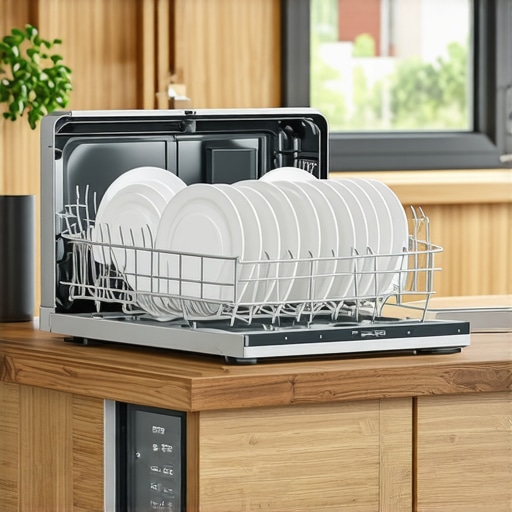
Deal With the Filter Before It Deals With You
Because these machines are compact, they don’t have the heavy-duty macerators (food grinders) found in luxury models. That means the filter is doing 100% of the heavy lifting. If you ignore it, you will eventually see the common dishwasher error that causes a drain light to flash, usually in the middle of a cycle. Pull that filter out once a week and rinse it under hot water. If it feels slimy, use a soft toothbrush to clear the mesh. Think of it like a lint trap in a dryer; if it’s clogged, the whole system has to work twice as hard and usually fails half-way through.
Master the Quirky Settings for Better Results
Don’t just hit ‘Normal’ and walk away. Many small units have an ‘Eco’ mode, but you should check the truth about the eco mode on your new dishwasher before relying on it for heavy grease. Eco modes often lower the water temperature to save energy, which is fine for coffee mugs but terrible for dried pasta sauce. Also, keep an eye on your rinse aid. If your glasses come out cloudy, it’s often why your dishwasher is not dispensing the rinse aid properly. Small machines rely heavily on chemical drying agents because they don’t always have the space for a massive heating element. Keeping that reservoir full is the difference between bone-dry plates and a soggy mess.
Stop Drowning Your Machine in Soap
Everyone says that if your dishes aren’t coming out sparkling, you just need a stronger detergent or more of it. In my experience, and the experience of most appliance repair techs, the opposite is usually true for compact units. These machines operate with such a small volume of water that adding an extra splash of liquid soap or a second pod creates a ‘suds lock’ situation. This isn’t just about bubbles; the excess foam prevents the pump from circulating water effectively, leading to that lukewarm, greasy finish you were trying to avoid. You really need to master the secret to using less detergent in your high-efficiency washer and dishwasher alike. In these tight quarters, the chemistry has to be precise. If you use too much, you’ll likely find yourself wondering how to fix a smart dishwasher that wont recognize its own detergent pods because the sensors are literally coated in a film of un-rinsed soap.
Have you ever fallen into this trap where you thought more soap was better, only to end up with a sudsy mess? Let me know in the comments! The ‘oops’ factor here is huge because over-sudsing can actually leak into the base of the machine, triggering the flood sensor and killing the cycle before it even hits the rinse stage. This is a classic ‘trap’ for renters who are used to old-school, full-sized machines that could handle half a bottle of soap without flinching. Modern compacts are delicate instruments, not garbage disposals.
Why Your High-Tech Sensors Are Getting Confused
The nuance that most people miss is that your ‘smart’ dishwasher isn’t just a timer; it uses a turbidity sensor to check how dirty the water is. According to technical guides from the Association of Home Appliance Manufacturers (AHAM), these sensors are calibrated to detect microscopic particles to determine if another rinse is needed. If you pre-rinse your dishes until they are practically clean before putting them in, the sensor thinks the job is done and cuts the cycle short. This results in the machine not running long enough to reach the high temperatures needed to sanitize the interior. It is one of the many reasons why your smart dishwasher app keeps giving you phantom errors—the machine’s logic is fighting your manual intervention. Let the machine do its job; just scrape the solids and let the enzymes in the detergent handle the rest.
Is Your Smart Tech Actually Protecting Your Data?
As we move into 2025, the connectivity of these devices is becoming standard, even in portable models. A sophisticated question I often get from readers is whether these connected features are worth the potential security risks. You should always investigate the truth about smart appliances and your home data privacy before syncing your kitchen to your main Wi-Fi network. While it’s great to get a notification on your phone when the cycle is done, you don’t want your dishwasher to be the weak link in your digital security. Additionally, be skeptical of labels; it is vital to know how to tell if your appliances eco-friendly tag is just marketing or a genuine engineering feat. Real efficiency comes from the internal hardware, like brushless motors and advanced insulation, not just a sticker on the door. By focusing on these technical nuances, you move from being a frustrated renter to a master of your small-space domain.
I’ve realized that the ‘set it and forget it’ mentality is the quickest way to end up with a flooded kitchen and a $400 repair bill. In a studio apartment, maintenance isn’t just a chore; it’s survival. One tool I swear by is a simple citric acid-based descaler. While many people debate the truth about using white vinegar in your high-efficiency dishwasher, I’ve found that dedicated descalers protect the internal rubber gaskets better in smaller machines. This is especially true if you are trying to master the trick to removing hard water spots from your dishwasher interior without damaging the stainless steel finish. Every little detail matters when your kitchen is basically an extension of your living room.
How Can I Keep My Compact Dishwasher Running for Years?
Maintaining these machines over time requires a proactive schedule rather than a reactive one. Every three months, I run a deep-clean cycle. According to the Association of Home Appliance Manufacturers (AHAM), mineral buildup in small-format appliances can lead to pump failure significantly faster than in full-sized models because the internal tolerances are much tighter. I also make it a habit to inspect the perimeter. Knowing how to fix a leaky dishwasher door seal in under ten minutes has saved my hardwood floors at least twice during my rental history. If you notice any pooling, don’t wait for it to get worse—learn how to stop your dishwasher from leaking water onto the kitchen floor before it ruins your security deposit. 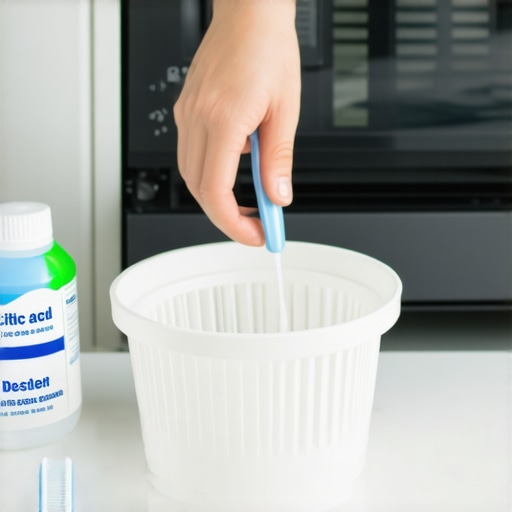
Stop Hard Water Before It Clogs the Lines
If you live in an area with hard water, your machine is fighting a losing battle every single day. I personally use a long-reach nylon brush to clear the spray arm jets once a month. It sounds obsessive, but in a machine with only one spray arm, a single blocked hole ruins the entire cycle. You should also look into the best way to sanitize your dishwasher without using bleach, as harsh chemicals can degrade the high-density plastic basins found in many portable units. Keeping those lines clear ensures the water pressure stays high enough to actually blast off food.
Protect Your Kitchen From Hidden Tech Glitches
Beyond the mechanical parts, you have to watch the software. If you’ve invested in a smart unit, you need to know how to reset your smart appliance after a major power surge. I once had a slight power flicker that made my dishwasher think it was mid-cycle for three days until I performed a hard reset. I also recommend setting up phone alerts; I’ve learned how to sync your laundry alerts with your living room tv and I do the same for my dish cycles. It keeps me from forgetting a load is sitting in damp air, which is the primary cause of that musty ‘wet dog’ smell. As we look at the future of home appliances trends to watch in 2025, I predict we will see machines with self-cleaning filters as standard features. My advice? Go pull your filter right now and give it a scrub under hot water. You’ll thank me when your coffee mugs actually come out sparkling tomorrow morning.
Hard Truths from the Small Kitchen Trenches
After years of experimenting with these machines, I’ve realized that the ‘perfect’ setup doesn’t exist—only the setup that works for your specific plumbing and patience level. First, accept that your faucet might hate your new appliance; I spent a week hand-washing because I didn’t check my thread compatibility before clicking ‘buy’. Second, don’t expect a bone-dry finish on plastics because these machines simply lack the massive heating coils of their 24-inch cousins. Third, if you live in a studio, noise is your biggest enemy. I eventually had to research the quietest dishwashers for open-concept living rooms just to hear my own TV during a heavy wash cycle. These aren’t failures of the tech; they are just the quirks of downsizing.
#IMAGE_PLACEHOLDER_E#
Gear That Keeps My Kitchen Functional
When you’re dealing with limited space, every tool has to earn its keep. I swear by Citric Acid Crystals for removing scale without the harsh chemical smell that lingers in a small room. I also highly recommend checking out the Association of Home Appliance Manufacturers (AHAM) website; it’s where I go to verify energy ratings before I believe a marketing sticker. For those of us trying to build a truly streamlined home, the ultimate guide to smart home appliances for a modern living became my bible for coordinating my tech. Finally, keep a long-reach nylon brush handy for those spray arms—it’s the only way to ensure the machine keeps its ‘muscle’ over the long haul without needing a professional repair.
Stop Hand-Washing Your Life Away
You deserve to have a hobby that isn’t scrubbing lasagna pans at midnight. Transitioning to a compact machine isn’t just about clean plates; it’s about reclaiming your time and mental energy. Whether you opt for a countertop unit or one of the many portable dishwashers for renters, you’re investing in your own sanity. As we look toward the future of home appliances trends to watch in 2025, these units are only getting smarter and more efficient. Don’t wait for a bigger kitchen to start living a better life. It is time to let the machine handle the mess.
Have you ever had a specific dish or pan that your dishwasher just refuses to clean? Let me know in the comments below!