
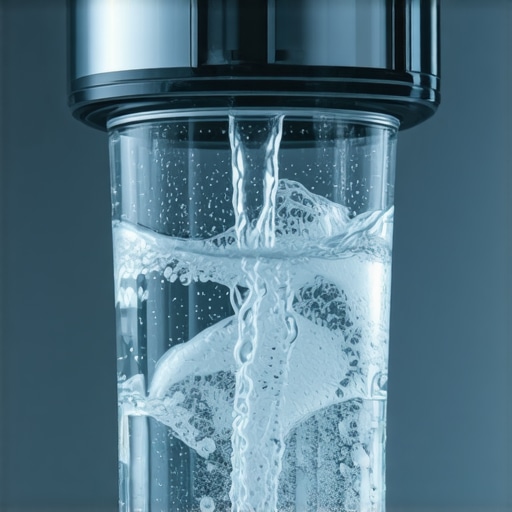
I took a long, thirsty pull from my water bottle yesterday and immediately felt like I was back in 1995, drinking out of the green hose behind my parents’ house. It was metallic, slightly earthy, and entirely disappointing. For months, I’d been ignoring that nagging little red light on the dispenser, telling myself it was just a timer-based gimmick. I was dead wrong. That hidden filter isn’t just a suggestion; it’s the gatekeeper of your morning coffee and your midnight hydration. Today, I’m going to help you reclaim your taste buds and explain why that neglected cylinder is doing more harm than good.
Stop Settling for Water That Tastes Like Old Pipes
It is remarkably easy to forget about the components we can’t see. When we are choosing the right refrigerator, we focus on the stainless steel finish or the smart screens, but the real MVP is tucked away in the base or the back. I spent two years thinking my water was just “hard” before I realized the filter was actually clogged with sediment and bacteria. According to the Water Quality Association, carbon filters can become saturated, allowing contaminants to “break through” once the surface area is fully occupied. This is often why your refrigerator water tastes like plastic or chemicals right after a long period of neglect. I learned the hard way that a bypass plug isn’t a permanent solution.
Do those expensive replacement filters actually make a difference?
I’ve heard the rumors that generic filters are just as good, or that you don’t really need them if your city water is “fine.” Trust me, I was the king of skepticism. But after seeing the gunk inside a spent filter, I’m a believer. The promise is simple: better taste, better health, and no more weird smells. If you’ve been putting this off, you need to learn how to replace the water filter in your fridge without making a mess so you don’t end up with a mini-flood on your hardwood floors like I did. Have you ever noticed your ice cubes smelling like last week’s leftovers? That’s your first warning sign. Let’s get into the nitty-gritty of how these filters work and why your fridge might be lying to you about its cleanliness.
Get That Clogged Cylinder Out Without a Flood
Changing a filter feels like a high-stakes game of Operation when you’re worried about your kitchen floors. I remember the first time I tried this; I didn’t realize there was still immense pressure in the line. I twisted the old filter, and pop—a jet of water shot straight onto my socks, soaking my kitchen rug in seconds. The trick is to turn off the water supply valve or, at the very least, have a thick beach towel ready to catch the immediate discharge. Once you’ve located the filter—usually in the upper right corner or tucked into the bottom grille—it’s usually a simple quarter-turn to the left. But here is the catch: those tiny rubber O-rings need to be seated perfectly on the new unit. If they aren’t, you’ll find why your refrigerator is leaking water directly onto the kitchen floor the hard way. I now keep a small plastic bowl underneath the housing during every swap just in case of a slow drip. 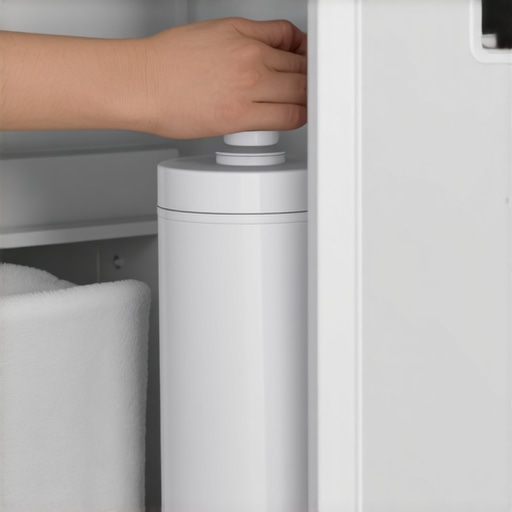
Why Your Dispenser Light is Actually Your Best Friend
That little red light isn’t a corporate scam designed to sell more plastic. Think of your carbon filter like a crowded subway station; once every seat is taken by a chlorine molecule or a piece of heavy metal sediment, the new arrivals just walk straight through to your glass. This is the saturation point. If you ignore that light, you’re basically drinking tap water through a dirty, congested straw. I’ve noticed that when I delay the change, my ice starts to take on a metallic tang. To avoid this, you should also learn the secret to preventing freezer burn in your smart refrigerator because moisture levels and air odors are all connected in that closed-loop system. When the filter is clean, the air inside stays fresher too.
Stop the Constant Clicking and Phantom Noises
Sometimes the issue isn’t the water quality at all, but the mechanical strain caused by a blockage. If your fridge is struggling to pull water through a severely clogged filter, you might hear a rhythmic ticking or clicking sound coming from the back. I once spent an entire weekend thinking my compressor was dying, only to realize the solenoid valve was just gasping for water flow because the filter was so packed with silt. It’s worth learning how to stop a refrigerator from making that constant clicking sound before you call an expensive technician for a repair you don’t need. While you’re focused on the filter, take five minutes to vacuum the condenser coils. It sounds tedious, but it’s the difference between a fridge that lasts fifteen years and one that dies at five. If you have a high-tech model, you might even need to know how to update your smart fridge software without crashing the system to ensure the internal flow sensors are reading the new filter’s pressure correctly.
Check the Seal or Lose the Chill
A fresh filter won’t help your water taste crisp if your fridge is working overtime because of a drafty door. I once had a loose gasket that caused so much condensation it actually dripped into the filter housing and froze the connection. It’s a simple test: close the door on a dollar bill. If it slides out easily, you’re losing cold air and money. You can find out how to check if your refrigerator door seal is actually airtight to save on your next electric bill. When I finally replaced my worn-out seal, my water dispenser stayed consistently colder and my compressor finally stopped running 24/7.
But the refrigerator isn’t the only place where we are outsmarting ourselves. I have seen the same logic-fails in the laundry room and at the kitchen sink. We think that by being more involved, we are helping our machines, but we are often just getting in the way of their engineering. Let’s dig deeper into the myths that are likely costing you money and shortening the lifespan of your tech.
Stop Pre-Rinsing Your Dishes Every Single Time
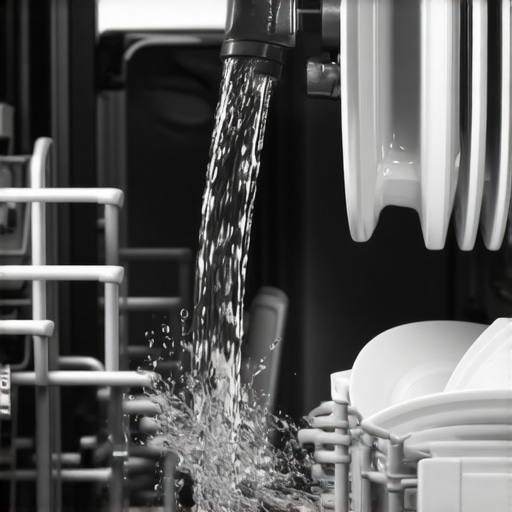
Everyone says you need to scrub your plates clean before they hit the rack, but in my experience, this is the quickest way to end up with dirty dishes at the end of a cycle. Modern dishwashers are equipped with turbidity sensors that measure how much ‘gunk’ is in the water. If you pre-rinse everything until it’s spotless, the sensor assumes the load is already clean and runs a shorter, weaker cycle. This is a common trap that leads to dried-on soap film or food particles redepositing elsewhere. Instead, focus on the best way to load a dishwasher for maximum water flow and let the enzymes in your detergent do the heavy lifting. Trust the tech; it’s literally what you paid for.
The Dangerous Myth That More Detergent Equals Cleaner Clothes
I used to be the person who filled the detergent cap to the very top, thinking more soap meant a better scent and cleaner shirts. I was dead wrong. According to the American Cleaning Institute, modern High-Efficiency (HE) washers use so little water that excess detergent can’t be fully rinsed away. This creates a slimy buildup of ‘scrud’—a mix of soap scum and fabric softener—that coats the outer drum. This is exactly why your washing machine smells like damp towels even after a wash. The excess suds actually cushion the clothes, preventing the friction needed to scrub them clean. If you use too much, you’ll also notice why your high efficiency washer leaves white streaks on dark clothes. Less is almost always more in the world of HE laundry.
Is your dishwasher taking four hours because of a genuine error?
If you have noticed why your dishwasher is taking four hours to finish a single load, it might not be a malfunction at all, but rather the reality of modern efficiency standards. To hit those Energy Star ratings, machines use less water but run for longer periods to maintain cleaning performance. However, there is a nuance most people miss: if your incoming water temperature is too low, the dishwasher has to pause the cycle to heat the water internally using its small heating element. This can add 30 to 60 minutes to your wait time. To fix this, try running the hot water at your kitchen sink for 30 seconds before you hit ‘start’ on the dishwasher. This ensures the first fill is already at the optimal temperature.
Your Eco-Mode Might Be Hiding a Dirty Secret
We all want to save on our utility bills, but blindly hitting the ‘Eco’ button can sometimes backfire. I’ve found that the truth about the eco mode on your new dishwasher is that it’s fantastic for lightly soiled loads but terrible for heavy grease. Because Eco mode uses lower temperatures, it can fail to fully melt animal fats, which then solidify in your drainage hose. Over time, this leads to clogs and that infamous rotten egg smell. Occasionally running a heavy-duty, high-heat cycle is essential for ‘cleaning the cleaners.’ Have you ever fallen into the trap of over-cleaning or over-soaping your appliances? Let me know in the comments.
The One Tool That Saved Me From a $400 Repair Bill
I used to think that ‘maintenance’ just meant wiping down the surfaces with a damp cloth, but I learned the hard way that the real work happens where you can’t see it. Last year, my front-loader started making a sound like a jet engine during the spin cycle. I was convinced the bearings were shot. Before calling a pro, I grabbed a long-reach flexible brush—a tool I now swear by—and went hunting for obstructions. It turns out, a stray hair tie and months of lint had bypassed the main seal. I spent an hour learning the secret to cleaning a front load washers hidden filter and saved myself a massive repair bill. If you don’t own a basic digital multimeter, get one. I use mine to test the continuity of heating elements in my dishwasher whenever the water stays lukewarm. It’s an empowering feeling to know exactly how to tell if your dishwasher heating element is actually broken rather than just guessing and throwing parts at the problem. 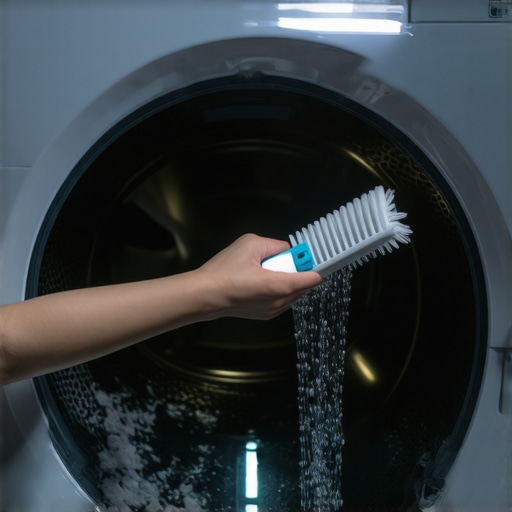
How can I keep my appliances humming for another decade?
Maintenance isn’t a one-and-done event; it’s a rhythm. For my fridge, that rhythm includes a bi-annual deep dive into the mechanicals. Beyond just swapping the water filter, I make it a point to how to check if your refrigerator door seal is actually airtight using the paper test. If the seal is failing, the compressor works double time, leading to premature burnout. According to technical documentation from the Association of Home Appliance Manufacturers (AHAM), proper airflow is the single most important factor in refrigerator longevity. This is why I also keep my fridge slightly away from the wall to prevent heat buildup. If you’ve stepped into the world of connected tech, you should also learn how to link your smart appliances to a single voice assistant to centralize your maintenance alerts. Having my phone ping me when it’s time to descale the dishwasher has been a total game-changer for my productivity.
The Future of Machines That Fix Themselves
I predict that within the next five years, we won’t even be checking filters manually. We are moving toward a ‘predictive maintenance’ era where AI sensors will detect the specific harmonic frequency of a failing bearing before you can even hear it. We are already seeing glimpses of this with innovative dishwashers with AI technology you must know that adjust water pressure based on soil levels. Eventually, your fridge will likely order its own replacement parts. But until that day arrives, we have to stay diligent. My challenge to you today: go find that hidden filter on your washing machine and clean it out. You’ll be shocked at what’s been sitting in there. For those of you managing a complex setup, I highly recommend learning how to reset your smart appliance after a major power surge so a simple flicker in the grid doesn’t leave you with a bricked kitchen.I took a long, thirsty pull from my water bottle yesterday and immediately felt like I was back in 1995, drinking out of the green hose behind my parents’ house. It was metallic, slightly earthy, and entirely disappointing. For months, I’d been ignoring that nagging little red light on the dispenser, telling myself it was just a timer-based gimmick. I was dead wrong. That hidden filter isn’t just a suggestion; it’s the gatekeeper of your morning coffee and your midnight hydration. Today, I’m going to help you reclaim your taste buds and explain why that neglected cylinder is doing more harm than good.
Stop Settling for Water That Tastes Like Old Pipes
It is remarkably easy to forget about the components we can’t see. When we are choosing the right refrigerator, we focus on the stainless steel finish or the smart screens, but the real MVP is tucked away in the base or the back. I spent two years thinking my water was just “hard” before I realized the filter was actually clogged with sediment and bacteria. According to the Water Quality Association, carbon filters can become saturated, allowing contaminants to “break through” once the surface area is fully occupied. This is often why your refrigerator water tastes like plastic or chemicals right after a long period of neglect. I learned the hard way that a bypass plug isn’t a permanent solution.
Do those expensive replacement filters actually make a difference?
I’ve heard the rumors that generic filters are just as good, or that you don’t really need them if your city water is “fine.” Trust me, I was the king of skepticism. But after seeing the gunk inside a spent filter, I’m a believer. The promise is simple: better taste, better health, and no more weird smells. If you’ve been putting this off, you need to learn how to replace the water filter in your fridge without making a mess so you don’t end up with a mini-flood on your hardwood floors like I did. Have you ever noticed your ice cubes smelling like last week’s leftovers? That’s your first warning sign. Let’s get into the nitty-gritty of how these filters work and why your fridge might be lying to you about its cleanliness.
Get That Clogged Cylinder Out Without a Flood
Changing a filter feels like a high-stakes game of Operation when you’re worried about your kitchen floors. I remember the first time I tried this; I didn’t realize there was still immense pressure in the line. I twisted the old filter, and pop—a jet of water shot straight onto my socks, soaking my kitchen rug in seconds. The trick is to turn off the water supply valve or, at the very least, have a thick beach towel ready to catch the immediate discharge. Once you’ve located the filter—usually in the upper right corner or tucked into the bottom grille—it’s usually a simple quarter-turn to the left. But here is the catch: those tiny rubber O-rings need to be seated perfectly on the new unit. If they aren’t, you’ll find why your refrigerator is leaking water directly onto the kitchen floor the hard way. I now keep a small plastic bowl underneath the housing during every swap just in case of a slow drip.
Why Your Dispenser Light is Actually Your Best Friend
That little red light isn’t a corporate scam designed to sell more plastic. Think of your carbon filter like a crowded subway station; once every seat is taken by a chlorine molecule or a piece of heavy metal sediment, the new arrivals just walk straight through to your glass. This is the saturation point. If you ignore that light, you’re basically drinking tap water through a dirty, congested straw. I’ve noticed that when I delay the change, my ice starts to take on a metallic tang. To avoid this, you should also learn the secret to preventing freezer burn in your smart refrigerator because moisture levels and air odors are all connected in that closed-loop system. When the filter is clean, the air inside stays fresher too.
Stop the Constant Clicking and Phantom Noises
Sometimes the issue isn’t the water quality at all, but the mechanical strain caused by a blockage. If your fridge is struggling to pull water through a severely clogged filter, you might hear a rhythmic ticking or clicking sound coming from the back. I once spent an entire weekend thinking my compressor was dying, only to realize the solenoid valve was just gasping for water flow because the filter was so packed with silt. It’s worth learning how to stop a refrigerator from making that constant clicking sound before you call an expensive technician for a repair you don’t need. While you’re focused on the filter, take five minutes to vacuum the condenser coils. It sounds tedious, but it’s the difference between a fridge that lasts fifteen years and one that dies at five. If you have a high-tech model, you might even need to know how to update your smart fridge software without crashing the system to ensure the internal flow sensors are reading the new filter’s pressure correctly.
Check the Seal or Lose the Chill
A fresh filter won’t help your water taste crisp if your fridge is working overtime because of a drafty door. I once had a loose gasket that caused so much condensation it actually dipped into the filter housing and froze the connection. It’s a simple test: close the door on a dollar bill. If it slides out easily, you’re losing cold air and money. You can find out how to check if your refrigerator door seal is actually airtight to save on your next electric bill. When I finally replaced my worn-out seal, my water dispenser stayed consistently colder and my compressor finally stopped running 24/7.
But the refrigerator isn’t the only place where we are outsmarting ourselves. I have seen the same logic-fails in the laundry room and at the kitchen sink. We think that by being more involved, we are helping our machines, but we are often just getting in the way of their engineering. Let’s dig deeper into the myths that are likely costing you money and shortening the lifespan of your tech.
Stop Pre-Rinsing Your Dishes Every Single Time
Everyone says you need to scrub your plates clean before they hit the rack, but in my experience, this is the quickest way to end up with dirty dishes at the end of a cycle. Modern dishwashers are equipped with turbidity sensors that measure how much ‘gunk’ is in the water. If you pre-rinse everything until it’s spotless, the sensor assumes the load is already clean and runs a shorter, weaker cycle. This is a common trap that leads to dried-on soap film or food particles redepositing elsewhere. Instead, focus on the best way to load a dishwasher for maximum water flow and let the enzymes in your detergent do the heavy lifting. Trust the tech; it’s literally what you paid for.
The Dangerous Myth That More Detergent Equals Cleaner Clothes
I used to be the person who filled the detergent cap to the very top, thinking more soap meant a better scent and cleaner shirts. I was dead wrong. According to the American Cleaning Institute, modern High-Efficiency (HE) washers use so little water that excess detergent can’t be fully rinsed away. This creates a slimy buildup of ‘scrud’—a mix of soap scum and fabric softener—that coats the outer drum. This is exactly why your washing machine smells like damp towels even after a wash. The excess suds actually cushion the clothes, preventing the friction needed to scrub them clean. If you use too much, you’ll also notice why your high efficiency washer leaves white streaks on dark clothes. Less is almost always more in the world of HE laundry.
Is your dishwasher taking four hours because of a genuine error?
If you have noticed why your dishwasher is taking four hours to finish a single load, it might not be a malfunction at all, but rather the reality of modern efficiency standards. To hit those Energy Star ratings, machines use less water but run for longer periods to maintain cleaning performance. However, there is a nuance most people miss: if your incoming water temperature is too low, the dishwasher has to pause the cycle to heat the water internally using its small heating element. This can add 30 to 60 minutes to your wait time. To fix this, try running the hot water at your kitchen sink for 30 seconds before you hit ‘start’ on the dishwasher. This ensures the first fill is already at the optimal temperature.
Your Eco-Mode Might Be Hiding a Dirty Secret
We all want to save on our utility bills, but blindly hitting the ‘Eco’ button can sometimes backfire. I’ve found that the truth about the eco mode on your new dishwasher is that it’s fantastic for lightly soiled loads but terrible for heavy grease. Because Eco mode uses lower temperatures, it can fail to fully melt animal fats, which then solidify in your drainage hose. Over time, this leads to clogs and that infamous rotten egg smell. Occasionally running a heavy-duty, high-heat cycle is essential for ‘cleaning the cleaners.’ Have you ever fallen into the trap of over-cleaning or over-soaping your appliances? Let me know in the comments.
The One Tool That Saved Me From a $400 Repair Bill
I used to think that ‘maintenance’ just meant wiping down the surfaces with a damp cloth, but I learned the hard way that the real work happens where you can’t see it. Last year, my front-loader started making a sound like a jet engine during the spin cycle. I was convinced the bearings were shot. Before calling a pro, I grabbed a long-reach flexible brush—a tool I now swear by—and went hunting for obstructions. It turns out, a stray hair tie and months of lint had bypassed the main seal. I spent an hour learning the secret to cleaning a front load washers hidden filter and saved myself a massive repair bill. If you don’t own a basic digital multimeter, get one. I use mine to test the continuity of heating elements in my dishwasher whenever the water stays lukewarm. It’s an empowering feeling to know exactly how to tell if your dishwasher heating element is actually broken rather than just guessing and throwing parts at the problem.
How can I keep my appliances humming for another decade?
Maintenance isn’t a one-and-done event; it’s a rhythm. For my fridge, that rhythm includes a bi-annual deep dive into the mechanicals. Beyond just swapping the water filter, I make it a point to how to check if your refrigerator door seal is actually airtight using the paper test. If the seal is failing, the compressor works double time, leading to premature burnout. According to technical documentation from the Association of Home Appliance Manufacturers (AHAM), proper airflow is the single most important factor in refrigerator longevity. This is why I also keep my fridge slightly away from the wall to prevent heat buildup. If you’ve stepped into the world of connected tech, you should also learn how to link your smart appliances to a single voice assistant to centralize your maintenance alerts. Having my phone ping me when it’s time to descale the dishwasher has been a total game-changer for my productivity.
The Future of Machines That Fix Themselves
I predict that within the next five years, we won’t even be checking filters manually. We are moving toward a ‘predictive maintenance’ era where AI sensors will detect the specific harmonic frequency of a failing bearing before you can even hear it. We are already seeing glimpses of this with innovative dishwashers with AI technology you must know that adjust water pressure based on soil levels. Eventually, your fridge will likely order its own replacement parts. But until that day arrives, we have to stay diligent. My challenge to you today: go find that hidden filter on your washing machine and clean it out. You’ll be shocked at what’s been sitting in there. For those of you managing a complex setup, I highly recommend learning how to reset your smart appliance after a major power surge so a simple flicker in the grid doesn’t leave you with a bricked kitchen.
Hard Truths I Learned the Expensive Way
After years of tinkering, I’ve realized that manual overrides are actually a power user’s best friend. Many people assume that smart tech replaces human intuition, but I’ve found it’s the opposite—tech gives you the data to make better manual decisions. It’s vital to understand the real difference between inverter compressors and standard fridge motors because they fail in very different ways. I also keep a guide handy on how to bypass the smart features on your appliance for manual use just in case my Wi-Fi goes down while I’m trying to run a load of laundry. My biggest lightbulb moment? Water filters aren’t just for health; they are mechanical shields that prevent tiny particulates from chewing up your expensive internal pumps.
The Toolkit That Actually Extends Machine Life
I don’t just rely on trial and error anymore. My go-to resources include manufacturer-specific service portals for parts diagrams and energy-tracking apps. To keep everything efficient, I frequently refer to the best energy saving settings for your smart washing machine to balance performance with cost. For maintaining the look of my gear, I’ve found that the best way to clean a stainless steel fridge without scratching it is to follow the grain with a dedicated grain-polishing oil, which many generic guides overlook. #IMAGE_PLACEHOLDER_E#
Your Turn to Take Charge
Maintaining your home appliances doesn’t require a degree in engineering, just a bit of curiosity and a scheduled routine. Whether you are consulting an ultimate guide to smart home appliances for a modern living or just cleaning out a lint trap, you are taking ownership of your home. Start small today by checking one hidden filter. Have you ever found something surprising inside your washing machine filter? Let me know in the comments!