
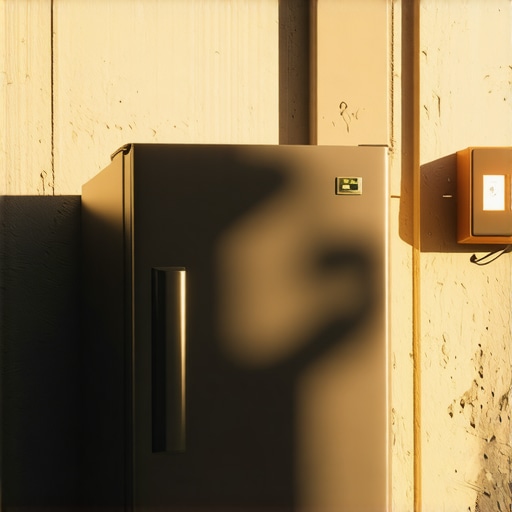
I remember the sweltering July afternoon I walked into my garage to grab a cold soda, only to hear my old spare fridge screaming like a jet engine. It was vibrating so hard I thought it might take off through the roof. I’d moved it out there to make room for a sleek new model in the kitchen, thinking I was being clever. Little did I know, that extra storage was quietly bleeding my bank account dry. Most of us treat the garage as a retirement home for old appliances, but we’re actually inviting a tiny, hum-happy vampire to live in our house. This isn’t just about a few extra dollars; it’s about the mechanical strain we put on machines that were never designed for the wild temperature swings of a suburban garage.
Stop Letting Your Spare Fridge Kill Your Electric Bill
Moving a fridge to the garage seems like a no-brainer for extra storage, but most garages aren’t climate-controlled. When the temperature hits 90 degrees outside, your garage is likely hovering around 100 or more. Your fridge isn’t just cooling your milk; it’s fighting the laws of thermodynamics. I learned this the hard way when I noticed my freezer items were slightly soft despite the dial being turned to the max. If you’ve ever wondered why your fridge temperature fluctuates even when the door is shut, the ambient air is the first culprit. It’s a relentless cycle of heat transfer that forces the compressor to run 24/7 without a break. This constant cycling doesn’t just raise your bill; it wears down the motor until it eventually burns out, often when you have a full stock of expensive meat inside.
Is that extra storage actually worth the monthly fee?
Let’s be real: we all worry that getting rid of the beer fridge means less convenience. But is that convenience worth $150 or $200 a year? Probably not. According to research from the University of Nebraska-Lincoln, an older refrigerator in an unconditioned garage can consume up to 50% more energy than one kept inside, especially during peak summer months. I once kept a 15-year-old unit out there without realizing I was basically paying for a brand-new, energy-efficient model every two years just in utility costs. You can try to mitigate this by learning how to save money on your electric bill by changing three fridge settings, but even then, the harsh environment is your biggest enemy. Skeptics often argue that the convenience of bulk-buying outweighs the cost, but when you factor in the potential for food spoilage, the math rarely adds up.
The Real Reason Your Garage Fridge is Struggling
It isn’t just about the summer heat. In the winter, the garage gets too cold, which confuses the thermostat. If the air around the fridge is 35 degrees, the thermostat thinks the interior is already cold enough and the compressor might never turn on. This is how you end up with a freezer full of melted ice cream in the middle of January. It’s a lose-lose situation that most people don’t realize until they find a puddle on their garage floor. Before you commit to this setup, you absolutely need to how to check if your refrigerator door seal is actually airtight, because any leak in a garage environment is a recipe for financial disaster. Even a tiny gap allows that humid, hot air to seep in, forcing the cooling system into overdrive. Have you noticed your garage fridge running constantly, or have you seen a sudden spike in your energy bills after moving an appliance? Tell me your story in the comments—I’d love to know if I’m not the only one who fell into this trap.
How to Diagnose a Fridge Reaching its Breaking Point
I once thought I could just “tough it out” with my old Frigidaire. I bought a “garage kit”—basically a tiny heater for the thermostat—to trick it into running in the winter. It worked for a month, then the compressor started clicking like a frantic metronome. That clicking is the sound of a heart attack in the appliance world. If your machine sounds like it is struggling to catch its breath, you need to learn how to spot a failing refrigerator compressor before it dies or you will be cleaning up a soggy, expensive mess in your garage.
Check the Pulse of Your Compressor
Think of the compressor as the heart of your appliance. In a hot garage, it is essentially running a marathon in a sauna. To see if yours is on its last legs, listen for a hum that never stops or a rhythmic clicking. If the back of the unit feels hot enough to fry an egg, it is overworked. This heat often leads to the internal fan failing, and you might start hearing the refrigerator noise that means your fan motor is dying. When that motor goes, the cold air stops circulating, leaving your drinks lukewarm even if the compressor is still chugging along. 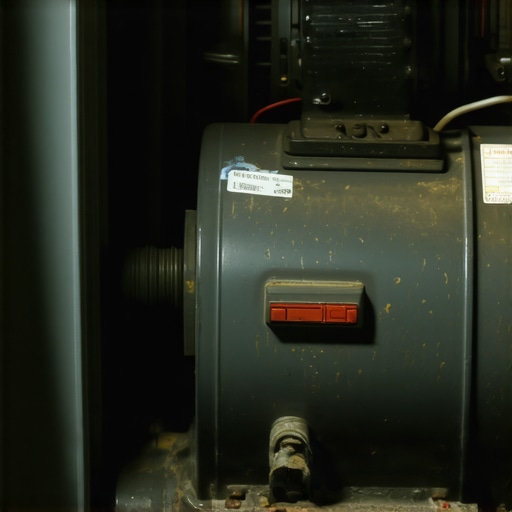
Don’t Ignore the Seal Around the Door
I used to use the dollar bill trick: close the door on a dollar and try to pull it out. If it slides out with no resistance, your money is literally leaking into the garage. In a humid environment, a bad seal allows moisture to build up, which is why the reason your refrigerator is sweating on the outside is often just a simple gasket failure. Replacing a seal is a ten-minute job that can save you fifty bucks a year in wasted energy.
Better Ways to Handle Your Extra Cold Storage
After my garage fridge finally gave up the ghost—and ruined forty pounds of frozen venison—I realized I needed a better strategy than just repurposing old junk. If you are a serial meal prepper or have a big family, look for units specifically designed for heavy use. There are the best smart fridges for people who love to meal prep that actually manage internal temperatures much more efficiently than that 1990s hand-me-down.
Bring Your Cooling Inside Where It Belongs
If you can’t fit a second full-sized fridge in your kitchen, stop fighting the garage elements and go small. I eventually moved a small unit into my home office. It was a game changer. You can find the best compact refrigerators for home offices and gyms that offer plenty of space for drinks and snacks without the massive energy footprint. If you are stuck with the garage setup for now, at least try to recalibrate the internal sensors. Knowing how to recalibrate your refrigerators internal thermometer for better cooling can help the unit cope with the shifting ambient temperatures, though it won’t be a permanent fix for the harsh environment.
Small Tweaks for Immediate Savings
If you aren’t ready to move the unit, at least optimize it. I found that moving the fridge just six inches away from the wall allowed the coils to breathe, dropping my energy usage slightly. Also, check your dial settings. Most people keep their fridge way too cold for what is actually needed. Digging into how to save money on your electric bill by tweaking your fridge settings can help you find that sweet spot where your food stays safe but your meter isn’t spinning like a top.But even when you move your appliances into a climate-controlled kitchen, you are not completely out of the woods. The biggest lie we’ve been sold in the last decade is that ‘Eco-Mode’ is the gold standard for every load. In reality, relying exclusively on low-temperature, energy-saving cycles is the fastest way to ruin a high-end machine. I see it all the time with modern dishwashers. People run the 50-degree Celsius eco-cycle to save a few pennies, but those low temperatures never fully melt the animal fats or heavy detergents. This leads to a nasty buildup of ‘bio-slime’ in the internal pipes. This is exactly why your dishwasher smells like a sewer when it is not running. It is not a mechanical failure; it is a maintenance failure born from trying to be too efficient. According to the Association of Home Appliance Manufacturers (AHAM), modern detergents are chemically optimized for specific temperature ranges, and failing to hit those peaks can leave behind residue that eventually corrodes seals.
Why Your Eco-Settings Might Be Making Your Dishwasher Stink
The ‘oops’ factor here is significant. If you only ever use the eco-setting, you are never giving your machine a ‘hygiene’ flush. It is the same story with laundry. If you have noticed why your washing machine smells like damp towels even after a wash, it is likely because the cold-water cycles have allowed a layer of biofilm to grow behind the drum. You need to run a hot cycle at least once a month. It is a small price to pay to avoid a $300 repair bill for a moldy door seal.
Can AI actually predict a breakdown before it happens?
Many skeptics think ‘smart’ features are just a way to jack up the price, but there is a nuance most people miss. True innovative dishwashers with AI technology you must know about actually monitor the turbidity of the water and the torque on the motor. They can sense if a filter is clogged before you even see the dirty water pooling. However, the trap is becoming too reliant on the app. If you do not know how to bypass the smart features on your appliance for manual use, you might find yourself unable to wash clothes just because your router is acting up. 
The Real Difference Between Smart Tech and Marketing Fluff
Not every ‘smart’ feature is worth your money. A fridge that tells you the weather is a gimmick; a fridge that alerts you to a fluctuating compressor is a lifesaver. When looking at refrigerators in 2025 top features that transform your kitchen, focus on the ones that offer independent cooling zones. This prevents the ‘sweating’ issues we discussed earlier and keeps your vegetables crisp while the freezer stays bone-dry. If you find yourself constantly fighting with your tech, you need to learn how to link your smart appliances to a single voice assistant to reduce the friction of managing ten different apps. At the end of the day, an appliance is a tool, not a houseguest. Have you ever fallen into this trap of buying a high-tech machine only to have it give you more headaches than the ‘dumb’ one it replaced? Let me know in the comments—I am curious to see which features actually made your life easier and which were just a waste of electricity.Maintaining your machines shouldn’t feel like a part-time job, but ignoring them is the most expensive mistake you can make. When a client tells me their machine is ‘acting up,’ I don’t reach for a manual first; I reach for my multimeter. If you want to stop the cycle of planned obsolescence, you need a few basic tools in your junk drawer. I personally use a digital multimeter because it is the only way to accurately determine how to tell if your dishwasher heating element is actually broken without paying a $100 diagnostic fee to a technician. Often, it is just a loose wire or a tripped thermal fuse. Another non-negotiable tool is a long, flexible dryer vent brush. I use this once every six months to clean the coils under my fridge, which keeps the compressor from overheating.
Stop Guessing and Start Testing Your Electronics
It is easy to feel intimidated by circuit boards and sensors, but most appliance issues are mechanical or related to basic connectivity. For example, if your laundry is still soaking wet, you should learn how to diagnose a washing machine that wont spin at full speed by checking the load balance sensors first. I have found that many ‘smart’ errors are actually just the machine’s way of saying it is clogged. I once spent three hours debugging a software glitch only to realize I just needed to learn the secret to cleaning a front load washers hidden filter. That tiny plastic trap had collected enough coins and hair to slow down the entire drain pump. 
What is the secret to making an appliance last ten years?
Maintenance isn’t about being a master mechanic; it is about consistency. According to the International Association of Certified Home Inspectors (InterNACHI), a standard refrigerator has a life expectancy of about 9 to 13 years, but that assumes you aren’t letting dust suffocate the motor. To hit that upper limit, you must be proactive. Every month, I take five minutes to wipe down the gaskets. This simple habit is the best way how to prevent mold growth in your washing machines door seal and ensure your fridge stays airtight. If you notice things are slightly off, don’t wait for a total failure. I always recommend checking out the future of home appliances trends to watch in 2025, as we are moving toward a world where ‘right to repair’ is becoming more accessible and parts are becoming more modular.
Why Modular Design is the Future of the Kitchen
Looking ahead, I predict we will see a shift away from ‘all-in-one’ motherboards that cost $400 to replace. Manufacturers are starting to realize that consumers are tired of throwing away a whole dishwasher because a single display button broke. We are going to see more units that allow for easy component swaps. This means the ultimate guide to smart home appliances for a modern living will eventually focus as much on repairability as it does on features. Until then, your best defense is a good offense. Go grab a flashlight tonight and check the debris filter at the bottom of your dishwasher—if it is slimy, you are already behind on your maintenance schedule.
The Hard Truth About My Most Expensive Appliance Mistakes
After years of tinkering, I’ve realized that the most expensive repairs usually stem from the smallest oversights. One of my biggest lightbulb moments was discovering that my efficient habits were actually shortening the lifespan of my machines. If you only take away a few things, remember that your dishwasher needs a high-heat cycle more than it needs a expensive rinse-aid, and your dryer needs clear vents more than it needs a fancy touchscreen. Don’t be fooled by the marketing fluff; the best appliances are the ones you actually know how to maintain without a service call.
- Heat is a cleaner, not a killer: Don’t fear the heavy-duty cycles; they prevent the grease buildup that ruins internal pumps.
- Placement is half the battle: Proper airflow around a fridge is just as important as the health of the compressor itself.
- Software isn’t a substitute for a scrub: No app can replace the manual removal of debris from a hidden filter or drain.
My Go-To Resources for Stress-Free Maintenance
I’ve built a small library of tools and references that I swear by. First, I always keep the ultimate guide to smart home appliances for a modern living bookmarked for when I am considering an upgrade. When the technology feels overwhelming, I look into how to link your smart appliances to a single voice assistant to keep all my notifications in one manageable place. For the mechanical side, I rely on a high-quality digital multimeter and the official future of home appliances trends to watch in 2025 reports to see which brands are moving toward modular, repairable designs. If you suspect a hardware failure, knowing how to tell if your dishwasher heating element is actually broken can save you a week of hand-washing dishes while waiting for a repairman.
Own Your Space and Your Tech Will Follow
Mastering your home appliances doesn’t mean you have to become a master mechanic overnight. It’s about shifting from a passive user to an active owner who understands the rhythm of their machines. When you take the time to listen to your machine and give it the basic care it deserves, it will reward you with years of quiet, reliable service. You have the power to stop the cycle of planned obsolescence in your own kitchen by simply being proactive. Now that you’ve got the tools and the knowledge, it’s time to put them to work and reclaim your household budget. Have you ever found a ‘surprise’ in your dishwasher filter that explained weeks of bad cleaning performance? Let me know in the comments below!