
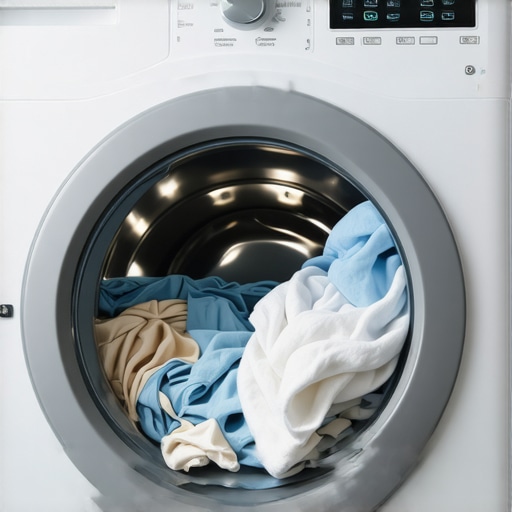
Ever experienced that sinking feeling when your laundry trip suddenly becomes a mountain of soaked clothes? I remember the first time I overloaded my top-load washer, filled it to the brim with giant bath towels, only to discover it refused to spin afterward. It was frustrating, messy, and made me feel like I wasn’t cut out for doing laundry. That lightbulb moment hit me hard—why do these trusty appliances sometimes fail just when we need them most?
Today, I want to share with you how I tackled this common yet confusing problem: why your top-load washer won’t spin after a heavy load. We’ll break down the reasons behind this frustrating behavior and, more importantly, how you can fix it yourself without calling in a repair technician every time.
When Your Laundry Gets Stuck in the Mud—Literally
There’s nothing quite as disappointing as hearing that dreaded humming sound and then realizing your clothes are still dripping wet, despite a full cycle. Heavy loads, especially bulky items like blankets or towels, can throw the washer off balance or trip the safety features designed to protect the machine from damage. But don’t despair—this isn’t a sign your washer is broken, often it’s a simple issue you can fix with some patience and basic know-how.
Distribute Clothes Evenly to Keep Balance
When I overloaded my washer with thick towels, the spin cycle stopped midway. To fix this, first, open your washing machine and manually redistribute the clothes, ensuring they’re spread evenly around the drum. Think of it like balancing a wheel—uneven weight causes it to wobble and stop. After reorganizing, restart the cycle. This simple step often resolves the issue if imbalance was the culprit.
Check for Obstacles and Remove Blockages
Sometimes, tiny items like coins or lint can jam the drum or the pump. Remove the laundry and inspect the drum for foreign objects. Also, drain the water manually if necessary. Clearing these obstructions prevents the machine from detecting a problem and stopping the spin. Regularly cleaning your filter and drain hose extends your appliance’s lifespan and keeps it running smoothly. Learn more about clearing obstructions at this guide.
Test the Lid or Door Lock Mechanism
Your washer’s safety lock prevents spinning if it detects the door isn’t properly closed. Gently press around the lid or door to see if it aligns correctly. If the lock isn’t engaging properly, it might be due to a faulty latch or switch. You can test the switch with a multimeter and replace it if necessary. Replacing a door lock is akin to repairing a car’s ignition—essential for operation. For detailed steps, refer to this resource.
Adjust the Load Size or Use Smaller Loads
Heavy, bulky items can overload your washer’s capacity, causing it to think something is wrong. Reduce the load size and avoid mixing heavy with lightweight fabrics. Imagine trying to balance a stack of books—too much on one side makes it fall. Smaller loads help the machine’s sensors accurately detect weight and spin effectively. This approach is a quick fix—from personal experience, I once split a giant comforter into two batches and got the spin cycle working again.
Reset the Washer and Perform a Soft Reset
Electrical glitches can disrupt the spin cycle. Unplug your washer, wait 60 seconds, then plug it back in. Many smart appliances, similar to smart refrigerators and dishwashers, use internal software that benefits from resets. This clears minor glitches and restores normal function. During my last attempt, this reset cleared a persistent error code and got my washer spinning again immediately.
Check for Error Codes and Consult Your Manual
If the machine displays an error code, consult the user manual or the manufacturer’s support site. Many issues—like worn-out belts or faulty sensors—are indicated visually. For example, a ‘E21’ error might suggest drainage problems, while a ‘F5’ code indicates door lock issues. Recognizing these signs enables targeted repairs or professional assistance. Regularly reviewing the manual or online troubleshooting guides, such as this page, can save time and money.
When it comes to home appliances, many consumers operate under assumptions that might hinder their efficiency and longevity. For instance, there’s a widespread belief that newer smart appliances are always superior to traditional ones, but in reality, understanding the nuances can prevent costly mistakes. Many people think that running appliances more frequently is better for maintenance, yet overuse without proper care can accelerate wear. It’s also common to overlook the importance of firmware updates in smart devices; neglecting these can lead to security vulnerabilities and missed features, as experts highlight in recent studies on IoT device management. A frequent trap is believing that cleaning filters less often is sufficient, but failing to maintain these critical components can drastically reduce performance and lifespan. Moreover, some assume that energy-saving modes are universally beneficial, but in certain scenarios, they might cause performance issues or increased cycle times, leading to frustration. Are you aware that improperly loading your dishwasher or washing machine can significantly affect cleaning quality? Overloaded appliances can cause strain on motors and reduce washing effectiveness, a point often underestimated by homeowners. To stay ahead, check out the top smart appliances for a seamless experience in 2025 and learn how to optimize their use for durability and efficiency. For those interested in the latest innovations, I recommend exploring the advanced dishwashers with AI technology—these can adapt cycles based on load and dirt level, reducing waste and energy consumption. Remember, the key is not just choosing the right appliance but understanding its proper care and optimal usage. Regularly updating your devices’ firmware and following maintenance tips can save you money and extend their lifespan. Don’t fall for the myth that all appliances age the same or that maintenance isn’t necessary—getting into this habit can be costly. Have you ever fallen into this trap? Let me know in the comments.Keeping your appliances in top shape requires a mix of the right tools, regular maintenance routines, and a bit of strategic planning. To ensure your dishwashers, refrigerators, and washing machines serve you well for years, I recommend investing in a high-quality digital multimeter. I personally use the Fluke 117, which allows me to quickly check electrical connections and troubleshoot issues like faulty sensors or power disruptions without needing to call a technician. Regularly testing your appliances with such tools helps catch minor problems before they become costly repairs, aligning with expert advice from this comprehensive guide.
Another essential approach is setting up routines for firmware updates, especially for smart appliances. These updates often include patches that fix bugs, enhance security, and sometimes improve energy efficiency. Automating this process with dedicated apps or scheduled alerts ensures your devices remain current without manual intervention. I find that using a unified smart home hub simplifies managing multiple updates, making maintenance less of a chore.
Tools like magnetic inspection mirrors come in handy for checking behind refrigerators or under washing machines, where dust buildup or small obstructions can cause long-term issues. Paired with a flashlight, these inexpensive gadgets allow you to spot problems early, like blocked filters or worn-out gaskets, preventing unnecessary breakdowns.
Predicting where appliance tech is heading, I believe we’ll see even smarter diagnostic systems integrated directly into devices. These will alert homeowners proactively about component wear or efficiency drops, much like modern vehicle diagnostics. To stay ahead, I advise checking out the latest top smart appliances for 2025, which incorporate these innovations.
So, how do I maintain my appliances over the years? Besides routine cleaning, I schedule quarterly inspections using a multimeter and keep firmware updated through manufacturer apps. I also create a maintenance calendar using smart alerts, so I don’t forget critical tasks like filter replacements.
One advanced tip I recommend trying today is to set up automated notifications for your washing machine and dishwasher. This simple upgrade, explained here, can alert you immediately when a cycle finishes or if there’s a malfunction, saving you time and preventing damage.
To get personalized advice, you can reach out through our contact page. Regular preventative maintenance with the right tools now will pay off in the long run, ensuring your appliances consistently perform at their best and extend their lifespan.
The Hidden Lessons Behind a Stalled Spin Cycle
One of the most eye-opening lessons I learned was that the tiniest imbalance or overlooked sensor issue could make my top-load washer balk at spinning. Sometimes, it’s about the subtle cues—like a slight wobble or a stuck door latch—that can signal deeper problems. Recognizing these signs early saved me from costly repairs and endless frustration.
My Secret Weapon: Regular Maintenance Always Pays Off
After experiencing multiple spin failures, I discovered that proactive maintenance, such as checking the door lock and cleaning the filters, drastically improved machine reliability. Incorporating these routines into my laundry schedule turned troubleshooting into prevention, ensuring that my washer would keep spinning when I needed it most.
Banking on Smart Solutions for Peace of Mind
Investing in a smart washer with diagnostic features has been a game-changer. These devices alert me to issues before they halt the cycle completely and provide step-by-step guidance to resolve minor glitches. For anyone serious about appliance longevity, exploring innovations like the ones highlighted in top smart appliances for 2025 can be an eye-opener.
The Power of Community and Sharing Insights
Over time, engaging with online forums and reading expert blogs transformed my approach. Knowing that I’m not alone in facing washer woes means I can troubleshoot with a more informed perspective, and sharing my own experiences helps others avoid common pitfalls. Remember, a little shared knowledge goes a long way in mastering the art of appliance care.
Incorporating These Lessons into Your Laundry Routine
Now, I routinely check for imbalance, update firmware, and perform quick maintenance checks before starting a load. This holistic approach ensures my washing machine operates smoothly, reducing downtime and extending its lifespan. Starting small with these habits can make a significant difference—why not give it a try today?
Unlock Your Appliance’s Full Potential Now
Taking control of your washer’s health empowers you to avoid unexpected breakdowns and costly repairs. With a little attention and the right tools—like a quality multimeter—you can stay one step ahead. Are you ready to implement these insights and turn laundry day into a breeze?