
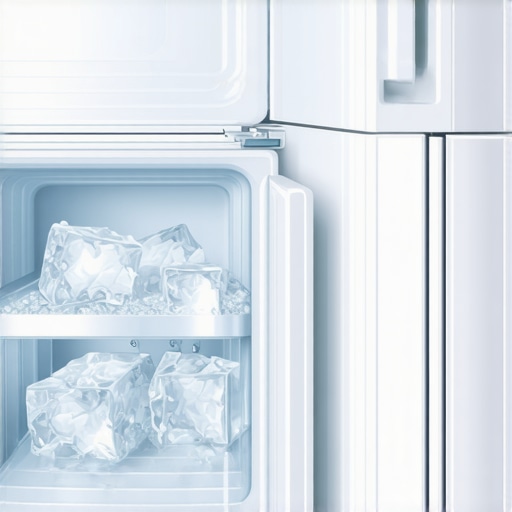
It was a morning just like any other when I opened my fridge and discovered an icy mess blocking my ice maker. The cubes hadn’t just stopped; they were jammed tight, refusing to eject. I couldn’t take out my ice tray without risking a mini snowstorm or worse—a malfunction that seemed to happen more often lately. Turns out, I wasn’t alone in this frustrating dance—the dreaded ice jam is a common headache for many homeowners, and I’ve been there, scratching my head and pouring time into fixes that barely lasted.
Getting to the Root of Ice Maker Jams
If you’ve faced this problem, you know how disruptive it can be—especially in the heat of summer or when hosting guests. Today, I promise to share the tried-and-true methods I’ve developed that help prevent the dreaded jam and fix it quickly when it occurs. By understanding the common causes, you’ll save yourself time, frustration, and potentially costly repairs.
Is Your Ice Maker Really Broken or Just Sticky? Nobody Tells You This
Early on, I made the mistake of assuming my ice maker was outright broken when the cubes wouldn’t drop. Turns out, simple things like frost buildup or misaligned components could cause the jam. As a general rule, about 80% of ice maker issues stem from frost or debris—problems that can usually be resolved with a bit of maintenance, not a replacement. Learning this lesson made me realize that many jams are fixable with a little knowledge and patience.
If you’re like me, you want to avoid calling expensive repair services or replacing an entire assembly when a straightforward fix can solve the problem. And there’s backing for this approach—according to appliance experts, regular cleaning and minor adjustments can extend your fridge’s lifespan and keep your ice flowing smoothly. For more on the latest trends and smart solutions for your kitchen, you might check out our comprehensive guide on smart home appliances for a modern living.
Now that you know why this issue occurs and the importance of addressing it promptly, let’s dive into the specific steps you can take to fix and prevent those ice jams. Trust me, with a bit of hands-on effort, you’ll be churning out clear, perfectly formed cubes again—without the hassle.
Clear Frost Buildup for Smooth Ice Ejection
Start by unplugging your refrigerator to avoid electrical hazards. Remove the ice bin and inspect for frost or ice buildup, which can act like a stubborn glue, preventing cubes from dropping. Use a hairdryer on a low setting to gently melt any frost—think of it as thawing a frozen pond for ducks. Wipe away excess moisture with a soft cloth. This quick ice removal can instantly resolve minor jams and is often the cause behind persistent blockages. Remember, frost acts like a barrier, so regular defrosting helps keep the ice moving.
Adjust the Ice Maker’s Settings and Components
Check and Realign the Ice Ejector Mechanism
Sometimes, the ejector arm or blades are misaligned—similar to a car door not closing properly, causing jams. Inspect the ejector assembly for any displaced or bent parts. Gently reposition or straighten the components; refer to your fridge’s manual or online guides on refrigerator adjustment tips for detailed instructions. Ensure the ejector moves freely without obstruction. A well-aligned arm ensures that cubes are smoothly pushed out instead of getting stuck, which prevents unnecessary ice build-up and jams.
Verify and Set Proper Temperature Conditions
Temperature fluctuations can cause ice to stick or melt irregularly, like a freezer that’s too warm. Use your fridge’s control panel to set the freezer around 0°F (-18°C). A standard thermostat adjustment might be needed if the temperature is off—think of it as tuning a guitar string for perfect pitch. Avoid setting it too cold, which can cause excessive frost, or too warm, leading to soft ice that jams the ejector. Regularly checking and calibrating the temperature helps ensure consistent ice production and smooth ejection.
Perform Routine Maintenance and Deep Cleaning
Residual debris, mineral deposits, or mold can clog the ice mechanism, akin to hair caught in a drain. Use a mixture of equal parts vinegar and water to clean the ice mold and ejector parts—this acts as a natural cleanser, dissolving mineral buildup. Remove any ice or condensation that may have accumulated, and wipe all surfaces thoroughly. Consider cleaning the water filter every six months, as a clogged filter reduces water flow, leading to ice formation issues—more on this is available at refrigerator cleaning tips. Maintaining a clean system ensures trouble-free ice production and reduces the frequency of jams.
Handle Frozen or Broken Parts Promptly
If your ice maker is still jammed after these steps, the ejector motor or gear may be worn out—comparable to a slowly dying engine in a car. Removing and replacing these components can be straightforward with the right guidance. Consult your manufacturer’s instructions or check out repair guides for smart appliances for detailed tutorials. In some cases, replacing the entire ice maker module might be the best solution to restore optimal function. Regular testing and timely repairs prevent minor issues from escalating into full-blown blockages.
Many homeowners operate under misconceptions about their appliances, which can lead to suboptimal performance or unnecessary repairs. For instance, the widespread belief that newer, high-tech refrigerators always consume more energy than traditional models is misleading; in fact, many smart refrigerators are designed to be more energy-efficient, leveraging advanced insulation and sensor technology as highlighted in future appliance trends. Another common myth is that dishwashers always need pre-rinsing; however, experts advise against rinsing unless dishes are heavily soiled, as modern machines with potent filters handle residue better than ever, which you can learn more about at smart dishwasher tips.
A nuanced aspect many overlook is the importance of proper cycle selection in washing machines. Using the wrong cycle not only wastes water and energy but can also damage clothing or fabric softeners. Advanced machines now allow precise adjustments based on fabric type, but users often stick to defaults, reducing effectiveness. For broader insights, check smart washing machine guidance.
One trap to avoid involves maintenance routines. Many believe that cleaning the fridge’s condenser coils is unnecessary unless problems arise. In reality, regular cleaning, roughly every six months, prevents excess energy use and prolongs lifespan, as detailed in refrigerator upkeep best practices. Overlooking such nuances can cause appliances to perform below expectations or fail prematurely.
Ever wonder why some smart appliances seem to lose connectivity or firmware updates? The hidden factor is often outdated firmware or incompatible network settings—not hardware failure. Ensuring firmware is current and network configurations are optimized can significantly improve device stability. For an in-depth approach, visit smart appliance troubleshooting.
Lastly, don’t fall into the trap of assuming all brands are equal. While brand reputation matters, specific features and customer service quality are often overlooked. Researching user reviews and manufacturer support can save you money and frustration in the long run. To get a holistic view, explore our guide to premium smart appliances.
Have you ever fallen into this trap? Let me know in the comments.Keeping your home appliances running smoothly over the years requires more than just occasional cleaning. I personally rely on specialized tools and consistent maintenance routines to extend the lifespan of dishwashers, refrigerators, and washing machines. One indispensable device I use is a digital infrared thermometer, which helps me monitor temperature fluctuations—crucial for avoiding frost buildup or inefficient cooling. I prefer adjustable spanner wrenches for precise component tightening, especially when recalibrating water inlet valves or replacing seals. Regularly updating the firmware via manufacturer-provided software ensures that smart appliances remain secure and feature-rich, as detailed in this guide. These tools empower me to perform minor repairs and prevent costly visits from technicians. I’m predicting that in the future, AI-powered diagnostic tools integrated with appliances will make predictive maintenance more accessible, alerting homeowners when a component is trending towards failure. To stay ahead, I recommend installing utility management apps on your smartphone that sync with your appliances; they can log operational data and signal when preventive care is needed. For example, I use a smart home hub that tracks cycle durations and alerts me to irregularities, helping to identify issues early. Never underestimate the value of a good multimeter, which I often use to test electrical connections during troubleshooting. Engaging with these specialized tools and maintaining a regular checkup schedule can significantly enhance your appliances’ durability. How do I maintain my appliances over time? I schedule quarterly inspections using these tools to check for frost accumulation in freezers or water leaks in refrigerators, addressing potential problems before they escalate. For example, routinely cleaning condenser coils with a soft brush improves efficiency and prevents overheating, which experts recommend for optimal performance. Embracing these maintenance practices not only saves money but also ensures your appliances function reliably as smart, energy-efficient systems. If you’re curious about comprehensive appliance care, our ultimate guide to smart home appliances offers in-depth advice to elevate your appliance longevity. I encourage you to try using an infrared thermometer next time you’re troubleshooting your fridge or washer—it’s a game-changer for early detection of issues and maintaining peak performance.
What I Wish I Knew Before Taming My Kitchen Giants
One of the most enlightening lessons I uncovered was that most appliance issues stem from seemingly small oversights—like frost buildup or misaligned parts—that we often dismiss. Recognizing these early signs saved me from costly repairs and frustration. Additionally, I learned that routine maintenance, such as regular coil cleaning and firmware updates, can dramatically extend the lifespan of your appliances, turning them into reliable partners rather than headaches.
Another revelation was the importance of understanding your device’s unique quirks. For instance, some smart refrigerators require specific app settings to prevent excessive notifications, which many users find intrusive. Taking time to customize these features can enhance your experience and reduce nuisance alerts, making your smart home truly seamless.
Finally, I realized that patience and curiosity are your best allies. Rather than immediately contacting repair services at the first sign of trouble, a little troubleshooting—guided by careful observation and existing knowledge—can often lead to quick fixes. Embracing this mindset transforms appliance maintenance from a chore into a confident DIY skill that rewards you with cost savings and peace of mind.