
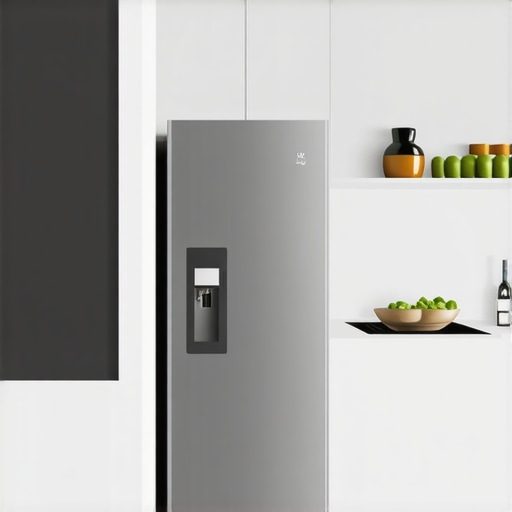
I remember the moment clearly. I was rushing into my tiny kitchen, desperately trying to fit groceries into a refrigerator that just refused to cooperate. The bulky, standard-sized fridge stuck out like a sore thumb, making my narrow kitchen feel even more cramped. That lightbulb moment hit me then: size does matter, especially when space is at a premium.
Why Space-Savvy Fridges Can Transform Your Small Kitchen
Small apartments often present a tricky puzzle—how to maximize functionality while maintaining that cozy feel. One of the biggest challenges is finding appliances that fit without overwhelming the space. A standard refrigerator can make a room feel cluttered and restrict movement, which is the last thing you want after a long day.
But what if I told you that choosing a counter-depth fridge could be a game-changer? It’s not just about fitting into the tightest of spaces; it’s about designing a more open, accessible, and stylish kitchen. Counter-depth refrigerators sit flush with your cabinets, giving everything a sleek, seamless look. According to industry experts, these models can make your kitchen appear larger and more organized almost instantly.
My early mistake was assuming that bigger was better, and I paid for it with cramped counters and constant frustration. Now I know better—smart choices about appliance size can free up precious room and boost your kitchen’s efficiency.
If you’re grappling with a tiny, awkward kitchen where every inch matters, you’re not alone. Many apartment dwellers face the same dilemma. Let’s explore which counter-depth options are worth your attention and how they can help you turn your limited space into a practical haven.
Measuring Your Space Accurately
Begin by measuring your kitchen’s dimensions with a tape measure. Note the width, height, and depth available for appliances. For example, I once used a simple ruler and a notepad to sketch my kitchen layout, which revealed that traditional refrigerators wouldn’t fit without blocking access to the sink. This step ensures you know exactly what size appliances can accommodate, preventing costly mistakes.
Choosing the Right Compact or Counter-Depth Units
Think of your appliance as a puzzle piece—fitting perfectly without disturbing the overall picture. When selecting a refrigerator, opt for models with a counter-depth design that sits flush with your cabinets, creating a streamlined look. For dishwashers, consider slimline models that can slide into narrow gaps, much like a key fitting into a well-crafted lock.
Prioritize Multi-Functionality
Choose appliances that combine functions to save space. For example, a washer-dryer combo reduces the need for separate units. I installed a compact dishwasher that combines drying and washing functions, which freed up my kitchen for additional storage. This is akin to having a Swiss Army knife—compact but versatile.
Planning Your Layout with Optimization Techniques
Arrange appliances logically; keep the refrigerator near prep areas for quick access, and position the dishwasher close to the sink to simplify plumbing. Use adjustable shelving inside refrigerators to maximize storage, freeing up room for essentials. I once rearranged my fridge’s shelves, which dramatically improved my storage capacity and reduced clutter.
Implementing Smart Solutions for Space Efficiency
Integrate smart appliances that adapt to your routines. For instance, a smart fridge can monitor expiration dates and suggest grocery lists, reducing the need for extra storage space. These innovations are explained in depth within the ultimate guide to smart home appliances. Connecting devices seamlessly is like tuning a musical instrument—precision improves overall harmony in your kitchen.
Installing Appliances Correctly
Follow manufacturer instructions carefully during installation, ensuring proper ventilation and clearance to prevent overheating. When installing a new refrigerator, I once left an inch of space behind to promote airflow, which helped it run more efficiently and stay quieter. Proper installation is like setting a foundation—crucial for performance and longevity.
Regular Maintenance and Space Management
Maintain your appliances to keep them running efficiently. Regularly clean refrigerator coils—think of it as brushing teeth to prevent decay. Use organization tools like stackable containers and door organizers to keep small items in check, making the most of every inch. Just as I depleted a box of adjustable racks to create more storage, smart organization can turn a cramped kitchen into a functional haven.
When it comes to selecting home appliances, many believe they understand the basics, but beneath the surface lie nuanced pitfalls that can undermine your entire setup. One common misconception is that more advanced features automatically translate to better performance. While smart appliances offer incredible convenience, overreliance on features like remote diagnostics or app notifications can lead to complacency in maintenance. According to industry experts, neglecting regular cleaning and servicing, despite having smart alerts, is a frequent mistake that shortens appliance lifespan.
Are Smart Features Really Saving You Time and Money?
Many assume that smart appliances guarantee energy efficiency and cost savings. However, if misconfigured or improperly used, they can consume more power or require frequent firmware updates—something that savvy users must actively manage. A study by Consumer Reports emphasizes that smart appliances often need meticulous setup and user education to truly optimize their benefits. Trusting technology blindly without understanding these nuances can backfire, leading to higher bills or unsolvable glitches. Additionally, the myth that all smart devices are inherently secure can be dangerous. Many users overlook configuring privacy settings properly, leaving sensitive data vulnerable. Reviewing privacy policies, such as those outlined in the privacy policies, can expose potential data-sharing practices you might want to avoid. Another hidden trap involves appliance sizing. For example, choosing a large-capacity refrigerator for a single person can result in unnecessary energy consumption without added benefit. Conversely, undersized washing machines may struggle with larger loads, leading to increased cycle times and water usage. Striking the right balance requires understanding both your household needs and the hardware’s specifications. To navigate these complexities, consulting expert advice like industry tips can help refine your decisions. Remember, even the most advanced equipment requires knowledgeable operation to avoid costly mistakes. Have you ever fallen into this trap? Let me know in the comments.
Keeping Your Appliances in Top Shape: Practical Tools and Techniques
To ensure your smart appliances, dishwashers, washing machines, and refrigerators perform optimally over time, investing in the right tools is crucial. I personally rely on a set of specialized equipment that simplifies maintenance and extends the lifespan of my appliances. For example, a high-quality digital multimeter allows me to troubleshoot electrical issues quickly, saving time and avoiding costly repairs. Similarly, a dedicated coil brush is indispensable for cleaning refrigerator coils; I recommend selecting a tool with stiff bristles for thorough debris removal without damaging delicate components.
Beyond physical tools, keeping your appliances’ firmware and software updated is equally important. I set aside a weekly reminder to check for updates using the manufacturer’s app or website. This proactive approach prevents security vulnerabilities and improves efficiency. For smart appliances, I use a network monitoring tool to ensure my Wi-Fi connection remains stable, which is vital for uninterrupted operation and timely notifications. Investing in a reliable surge protector can also shield your devices during power surges, especially in areas prone to voltage fluctuations.
Long-Term Strategies to Maximize Appliance Durability
Implementing routine maintenance routines is key. For example, regularly cleaning the dishwasher’s spray arms and filters prevents buildup that can impair performance. I follow detailed guides like the one on innovative dishwashers with AI technology to stay informed about new features that make upkeep easier. Scheduling annual professional inspections for complex systems such as your refrigerator compressor or washing machine motor ensures early detection of potential issues.
Additionally, establishing a maintenance calendar with reminders helps track filter changes, gasket inspections, and calibration checks. For example, replacing refrigerator door seals every 3-5 years prevents cold air leaks, which I do by checking with a simple dollar bill test. Remember, proactive care not only reduces repair costs but also optimizes energy efficiency.
How do I keep my appliances running efficiently over time?
Consistent cleaning and timely repairs are fundamental. Use recommended cleaning agents—such as vinegar solutions for mineral deposits—like the method outlined here. Additionally, monitor appliance performance metrics using connected smart systems that can alert you to irregularities before they become major failures. As technology advances, integrating these smart diagnostics into your routine will become standard, making maintenance more streamlined and less disruptive. I encourage you to try a smart diagnostic tool for your refrigerator, which can provide real-time status updates and troubleshooting tips. Staying ahead in appliance care is the best way to ensure longevity and optimal performance in the long run.Throughout this journey, I discovered that every decision about appliances in a small kitchen profoundly impacts daily life. One hard-earned lesson was realizing that investing in multi-functional smart appliances isn’t just a convenience—it’s a necessity for maximized space and efficiency. I once believed that sticking to traditional, larger models would serve me better, but I soon learned that the right compact, smart appliances could transform cluttered chaos into organized harmony. Additionally, I uncovered that regular maintenance and firmware updates aren’t optional upgrades but essential routines that prolong the lifespan and performance of your appliances. Perhaps most surprisingly, trusting a handful of curated resources, like industry expert tips and well-reviewed tools, makes all the difference in avoiding costly mistakes and achieving a seamless setup. Remember, mastering small kitchen space with smart appliances isn’t achieved overnight—it’s a combination of strategic choices, ongoing learning, and embracing technology with confidence. With each upgrade and adjustment, I felt more in control and motivated to enjoy my space rather than battle it.