
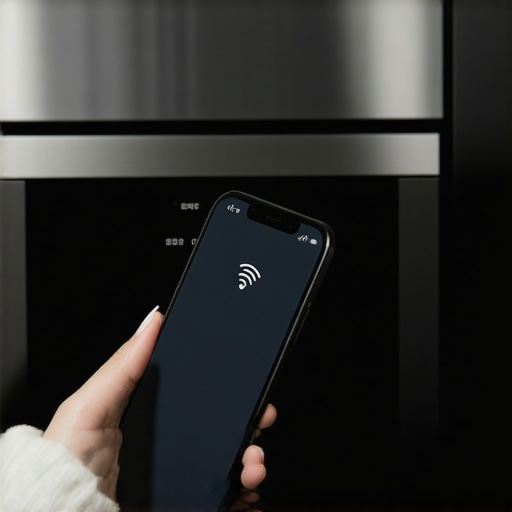
I was standing in my kitchen, hands covered in flour and holding a tray of uncooked sourdough, when I confidently told Alexa to preheat my oven to 450 degrees. Silence. No chime, no hum of the fan, just the mocking blue light of my Echo Dot spinning in circles while my oven stayed cold and unresponsive. It is a special kind of modern frustration to be ignored by your own appliances. I felt like a fool talking to a metal box that clearly didn’t want to listen. If you have ever found yourself screaming at a convection range while your dinner plans slowly evaporate, you are in the right place. We are going to get those two talking again before your pizza gets soggy. This is not just about convenience; it is about making sure the ultimate guide to smart home appliances you invested in actually works when you need it most.
Stop Yelling at Your Kitchen Wall
Connectivity drops are the bane of the modern kitchen. Most of the time, the issue is not that your oven is broken, but that the digital handshake between the manufacturer’s cloud and Amazon’s servers has gone limp. I remember one evening I spent nearly three hours factory resetting my entire home router, convinced my internet was the culprit. It turned out I had accidentally disabled the ‘Remote Enable’ button on the oven’s physical control panel while wiping down a grease splatter. Talk about an ego bruise. Before you start tearing your hair out, we need to check the basics. Sometimes, your firmware on your smart kitchen appliances just needs a quick nudge to realize it is out of date.
Is this smart kitchen stuff actually worth the headache?
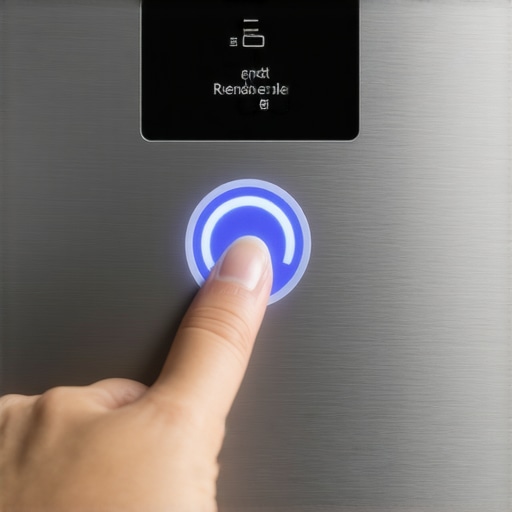
You might be wondering if you should just go back to a manual dial and a prayer. I get it. But when it works, being able to preheat the oven while you are still stuck in traffic is a game changer. The problem is often simple signal congestion. According to a report by the IEEE, the 2.4GHz frequency band—which most smart appliances use—is incredibly crowded, leading to frequent ‘ghost’ disconnections in dense neighborhoods. It is not just you; it is the physics of your Wi-Fi. Have you ever felt like your ‘smart’ home is actually making you work harder? Drop a comment and let me know your biggest tech fail. We are going to walk through the exact sequence of resets and app tweaks I use to keep my kitchen running smoothly so you can get back to cooking and stop acting as a tech support agent for your stove. I will show you why your smart home hub keeps dropping connections and how to lock it down for good.The first thing you need to do is verify that your appliance actually wants to be ‘found.’ Every smart range, dishwasher, and washing machine has a physical gatekeeper. On my Samsung range, it is a tiny button labeled ‘Smart Control’ or ‘Remote Enable.’ If that isn’t lit up, you can yell at Alexa until you are hoarse and nothing will happen. I learned this the hard way during a frantic Thanksgiving prep session where I thought my oven had simply given up on life. I was about to call a technician when I realized I had bumped the button while scrubbing a spill. It is a logic safety feature similar to why your washing machine door is locked and won’t open; physical safety protocols will always override wireless commands to prevent accidents. Always start at the source and ensure that ‘Remote’ or ‘Smart’ mode is physically toggled on.
The Button You Probably Ignored While Cleaning
Physical Switches Usually Override Your Smartphone
 Next, let us tackle the ‘ghost’ in the machine: your router configuration. Most smart appliances are built to operate strictly on the 2.4GHz frequency band. Modern routers often try to be clever by ‘Smart Switching’ between 2.4GHz and 5GHz under a single network name. This confuses the simpler Wi-Fi chips in your fridge or dishwasher. I solved my constant drops by creating a dedicated ‘IoT’ guest network that is locked to 2.4GHz. This prevents my high-bandwidth gaming PC from bullying my oven off the network. If your smart home hub keeps dropping the washer connection, signal interference is almost certainly the culprit. It is like trying to have a whisper-quiet conversation in the middle of a rock concert; your appliance needs its own lane to be heard.
Separate Your Signals Before the Router Quits
The 2.4GHz Traffic Jam in Your Kitchen
If the signal is strong but the response is still dead, you need the nuclear option: the account unbind. This is where you go into your smart home app, delete the manufacturer’s skill, and log out of the appliance’s native app. Think of it as a relationship reset. When you log back in and re-link the accounts, you are forcing a fresh security token to be generated between servers. This often solves the mystery of why your smart home app can’t find your dishwasher even though it is sitting right there. Last winter, my fridge stopped syncing my grocery list entirely. I spent hours checking settings until a simple account re-link fixed the handshake error. While you are troubleshooting, check if your smart fridge touchscreen is unresponsive for other reasons, like a pending system update that has frozen the UI.
When a Digital Breakup is the Only Way Forward
Finally, do not underestimate the power of a hard power cycle. I am not talking about the standby button. I mean flipping the circuit breaker for thirty seconds. These appliances are essentially computers that happen to bake or wash. If the internal RAM gets bogged down with communication errors, it needs a total power drain to clear the cache. This is often the only way to trigger a fresh check for firmware on your smart kitchen appliances. I once had a dishwasher that refused to start a cycle until I cut the power; it turned out a minor power surge had put its communication module into a permanent ‘hang’ state.
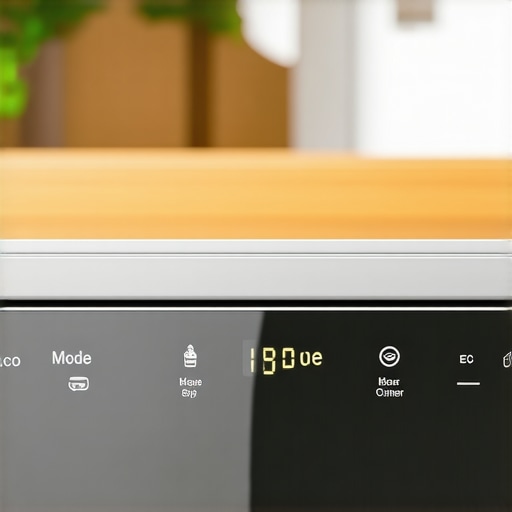
Now that we have cleared the communication hurdles, let us talk about the ‘hidden’ logic of these machines that usually trips up even the most tech-savvy owners. One of the biggest myths I hear is that ‘Eco Mode’ is just a feel-good marketing ploy that leaves your plates greasy. In reality, the truth about eco mode on modern dishwashers is that it is actually the most efficient way to clean, provided you understand the chemistry of time versus temperature. Most people assume speed equals performance, but in the world of high-efficiency sensors, the opposite is often true.
Why does my high-end machine take four hours to finish a cycle?
It feels counterintuitive, but a four-hour cycle often uses less energy than a quick sixty-minute blast. Think of it like a crockpot versus a microwave. Modern sensors are designed to soak and dwell rather than spray with brute force and high heat. However, the ‘trap’ most people fall into is using the wrong chemicals for these longer, cooler cycles. If you find your dishwasher pod isn’t dissolving completely, it is likely because the water temperature in Eco Mode did not hit the melting point of the plastic film quickly enough. I usually recommend switching to high-quality powder or liquid in these cases to avoid gunking up your filters.
Beyond the dishwasher, we need to address the ‘more is better’ fallacy in the laundry room. I see so many people complaining that their high efficiency washer is leaving white streaks on dark clothes. Their first instinct is usually to add more soap or extra softener. Please, for the love of your plumbing, do not do that. Modern HE machines use very little water, and why you should never use too much fabric softener in your smart washer is simple: it creates a ‘scrub’—a waxy buildup that coats the outer drum and leads to that classic ‘damp locker room’ smell.
A study by the Association of Home Appliance Manufacturers (AHAM) suggests that a significant percentage of service calls for ‘broken’ washers are actually just issues with detergent overdosing and subsequent sensor failure. It is a sophisticated machine, not a bucket. Have you ever fallen into this trap of thinking more soap equals a better clean? Let me know in the comments. Lastly, if you are struggling with a fridge that seems to have a mind of its own, check the basics of compressor tech. There is a massive difference between inverter and traditional refrigerator compressors. If yours is whistling or humming at different pitches, it might just be the variable speed drive doing its job, not a sign of imminent failure. Staying ahead of these nuances is the only way to ensure a seamless home experience in 2025. Stop treating your smart appliances like ‘dumb’ ones, and they will stop acting out.
If you really want to graduate from ‘appliance owner’ to ‘appliance master,’ you need to stop thinking about these machines as furniture. They are high-performance engines. I keep a dedicated long-reach vacuum attachment in my utility closet just for my refrigerator coils. If those coils are caked in pet hair and dust, your compressor has to work twice as hard, which is usually why your refrigerator compressor is cycling too often. I make it a ritual every six months—pull the fridge out, vacuum the back, and feel the immediate relief of a quieter kitchen. It is a ten-minute job that can save you a thousand-dollar repair bill later.
Stop Ignoring the Gunk in Your Filters
Every high-efficiency machine has a catch-basin for the debris it removes. In your laundry room, if you do not clean a front load washer filter without flooding the room, you are essentially asking the machine to pump water through a clogged straw. The same goes for your kitchen. I was shocked when I finally figured out how to clean the hidden filter in your energy efficient dishwasher. It was filled with bits of plastic and tiny bone fragments that the ‘smart’ sensors were desperately trying to work around. Clean filters mean your sensors can actually ‘see’ the dirt levels, preventing the machine from overworking itself.
The Tool Every Smart Home Owner Actually Needs
While we love our apps, a physical tool like a smart energy monitor is my secret weapon. I use the best smart plugs for monitoring appliance energy use to track the real-time draw of my older secondary appliances. If I see a spike in energy consumption that doesn’t match the cycle, I know a bearing or a pump is starting to fail long before the machine throws an error code. This proactive approach is how you avoid the ‘sudden’ Sunday night breakdown. I also recommend checking the secret drain filter at the bottom of your fridge if you ever notice a mysterious puddle.
How do I keep these high-tech machines running for a decade?
Maintenance is not about fixing what is broken; it is about preventing the wear that leads to the break. According to engineering insights from the Association of Home Appliance Manufacturers (AHAM), the leading cause of early board failure in smart appliances is heat stress caused by poor ventilation. Ensure your top smart appliances for a seamless home experience in 2025 have at least an inch of clearance on all sides. 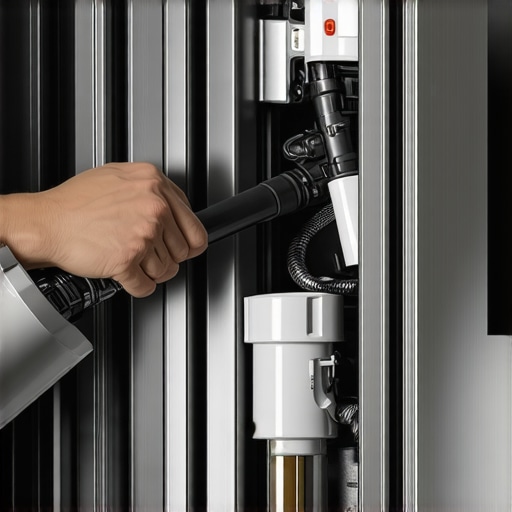
Predictive AI is Moving into Your Laundry Room
Looking ahead, the future of home appliances is moving away from simple connectivity and toward true ‘self-healing’ diagnostics. We are seeing early versions of software that can detect a slight wobble in a washing machine drum and automatically adjust the spin speed to prevent damage to the bearings. This kind of tech is exciting, but it still requires a human to empty the lint trap. My challenge to you: go find your dishwasher’s manual (or the PDF online) and locate the filter. Clean it today, and you will likely notice a 20% improvement in drying performance tonight.
Three Hard Truths My Sourdough Taught Me About Connectivity
After years of trial and error in my own kitchen, I’ve realized that the ‘smart’ in smart home appliances often refers to their potential, not their perfection. First, a local connection is always superior to a cloud reliance; whenever you can bypass a manufacturer’s server for a local hub, you gain speed and reliability. Second, physical safety overrides every line of code; your machine will always prioritize a mechanical safety lock or a manual ‘Remote Enable’ button over an app command to prevent a house fire. Finally, remember that these are essentially computers that get covered in grease and steam. They need the same digital hygiene—reboots, cache clears, and network separation—that your high-end laptop requires to stay snappy.
The Gear That Saves My Sanity When Sensors Fail
If you want to stay ahead of the curve, I highly recommend diving into the ultimate guide to smart home appliances to understand the full ecosystem you are building. For day-to-day monitoring, I rely on the best smart plugs for monitoring appliance energy use to catch failing motors or erratic cycling before they result in a service call. I also keep a close eye on the future of home appliances to identify which brands are moving toward local-only control, which remains the holy grail of stability for tech-heavy kitchens. Lastly, for anyone looking to upgrade, the top smart appliances for a seamless home experience in 2025 offer the best balance of user-friendly firmware and robust hardware.
Master Your Machines and Take Back Your Kitchen
It is easy to feel defeated when your oven ignores your voice commands, but remember that you are the captain of this ship. By understanding the quirks of the 2.4GHz frequency, the importance of physical toggles, and the need for regular filter maintenance, you transform your smart home appliances from temperamental gadgets into reliable tools that actually serve you. Don’t let a ‘connection lost’ error message ruin your dinner plans; you now have the diagnostic skills to force that digital handshake and get back to what matters most. Have you ever had your smart fridge or washer ‘ghost’ you at the worst possible moment? Let me know about your tech-fail stories in the comments below!