
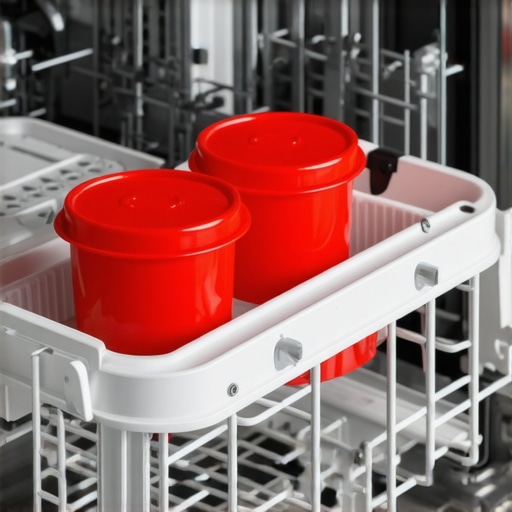
There is a very specific type of annoyance that occurs at 7:00 AM on a Tuesday when you are trying to pack a lunch. You open the dishwasher, expecting crisp, ready-to-go containers, and instead, a puddle of lukewarm water cascades from the rim of a plastic tub right onto your clean socks. It is infuriating. I have been there more times than I care to admit—standing in my kitchen with a soggy dish towel, wondering why my expensive machine can tackle baked-on lasagna but fails at the simple task of drying a sandwich box. For years, I just accepted that ‘plastic stays wet,’ but after a particularly messy morning involving a spilled soup container, I decided to go on a mission to fix it once and for all.
Why Your Plastic Containers Won’t Stop Dripping
The truth is, modern dishwashers are designed differently than the ones our parents had. Most newer models have moved away from those exposed, high-heat coils that used to melt our spatulas because they want to save energy. While this is great for your utility bill, it is a nightmare for Tupperware. I spent months thinking my unit was a lemon, much like many people who try to diagnose why their dishwasher isn’t drying the dishes well. I even started looking into innovative dishwashers with AI technology, thinking I needed a smarter brain in the machine to handle my leftovers. But as it turns out, the problem was largely me.
Is it actually worth the extra effort to fix this?
You might be thinking, ‘It is just a little water, neighbor, get over it.’ But those lingering droplets are a breeding ground for spots and even odors. I made the classic mistake of thinking I could skip the basics. For a long time, I completely ignored the rinse aid dispenser because I thought it was just a marketing gimmick for the big detergent brands. I was wrong. Rinse aid is actually a surfactant that breaks the surface tension of water, allowing it to sheet off instead of forming those annoying beads. Even if you are using fancy pods, you should check out why your dishwasher still needs rinse aid to get those plastics actually dry. According to Consumer Reports, plastic has a lower thermal mass than ceramic or glass, meaning it cools down much faster and does not hold the heat required to evaporate the water during the drying cycle. This is why your mugs are dry but your tubs are soaked. Have you ever found yourself hand-drying more than half the load just to get the kitchen cleaned up? It is time to stop that cycle. We are going to look at the simple adjustments in loading and settings that finally turned my ‘soggy mess’ into a ‘dry success’ without needing a repairman.
Angle Every Tub Like a Pro
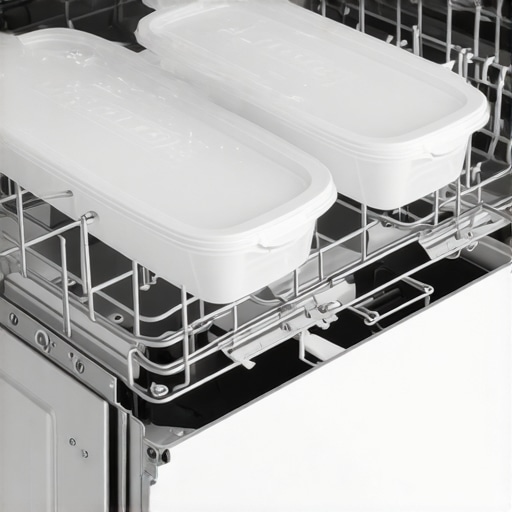
Think of your dishwasher rack like a game of Tetris where gravity is the only player that matters. If you lay a plastic container flat on its back, you have essentially built a tiny swimming pool for hot water. Plastic is a ‘cold’ material compared to ceramic; it doesn’t hold heat, so it can’t evaporate that pool on its own. The trick is to angle everything at a steep 45-degree slope. This ensures that water runs down the sides and off the rim rather than sitting in the recessed bottom. I remember the Sunday I spent prepping 15 identical plastic bowls for a busy work week. I shoved them into the top rack perfectly level, thinking I was a master of organization. When the cycle finished, I pulled the rack out and those fifteen tiny ponds splashed right onto my clean, dry dinner plates below. It was a domino effect of dampness that forced me to dry every single item by hand. Since then, I have learned that even a slight tilt makes the difference between a puddle and a dry surface.
Stop Choosing the Wrong Cycle for Plastic
We all want to save the planet and our wallets, but when it comes to drying Tupperware, the default settings are often your biggest enemy. If you are trying to fix a dishwasher that leaves dishes soaking wet, you need to look at your control panel. Many people lean on the ‘Eco’ setting, but the truth about eco mode is that it frequently lowers the final rinse temperature to save energy. High heat in the final rinse is what creates the ‘flash evaporation’ effect. Without that heat, plastic—which is basically a heat sink—stays cold and wet. When I switched to a ‘Heavy’ or ‘Sanitize’ cycle, the results were night and day. These cycles use higher temperatures that actually give the plastic enough thermal energy to shed water. When choosing the best dishwasher for your home, look for models that specifically feature a ‘Plastic’ or ‘Extra Dry’ button, which often uses a heating element or a fan to circulate air specifically to combat this issue.
The Magic of the Cracked Door
Once the machine beeps, your job isn’t quite done. If you leave the door sealed shut for three hours after the cycle ends, you are essentially leaving your dishes in a tropical rainforest. The steam has nowhere to go, so it condenses right back onto your containers. I started a habit of ‘burping’ the dishwasher. The moment that chime goes off, I crack the door open about two inches. This allows the humid air to escape and fresh, dry kitchen air to enter. Some of the top smart appliances now do this automatically, popping the door open at the end of the run. If yours doesn’t, doing it manually is a game-changer. Also, always unload the bottom rack first. This prevents any stray water caught in the upper plastics from dripping down onto the dry ceramic below. By combining the right energy efficient settings with proper physical placement, you can finally retire that soggy dish towel for good.
While angling your tubs and ‘burping’ the door will get you 80% of the way there, the final 20% comes down to a nuance that most people flat-out ignore. We have been conditioned to believe that ‘more is better’ when it comes to cleaning, but in the world of high-efficiency appliances, this is a dangerous myth. If you are pouring in detergent until the cup overflows, you are actually sabotaging the drying process. Excess suds create a heavy, humid atmosphere inside the tub that prevents moisture from evaporating off your plastics. According to a technical brief by the Association of Home Appliance Manufacturers (AHAM), oversudsing can even trick the sensors in innovative dishwashers with AI technology, leading the machine to shorten the rinse cycle and leave behind a film that traps water. Have you ever fallen into this trap? Let me know in the comments.
The Clogged Filter Is Killing Your Airflow
Here is a hard truth: your dishwasher cannot dry what it cannot breathe. We often focus on the heating element, but the real MVP of the drying cycle is the drainage and filtration system. If your filter is gunked up with a month’s worth of oatmeal and spinach bits, the humid air stays trapped at the bottom of the unit instead of being processed out. I recommend learning how to clean the hidden filter in your energy efficient dishwasher at least once a month. When I finally pulled mine out after a year of neglect, it looked like a swamp. The moment I scrubbed it clean, my drying performance improved instantly because the steam could actually circulate and vent properly. If you find that your why your dishwasher pod isnt dissolving completely, it is often a sign that your circulation is hampered by these very same blockages.
How Does My Water Hardness Impact the Drying Phase?
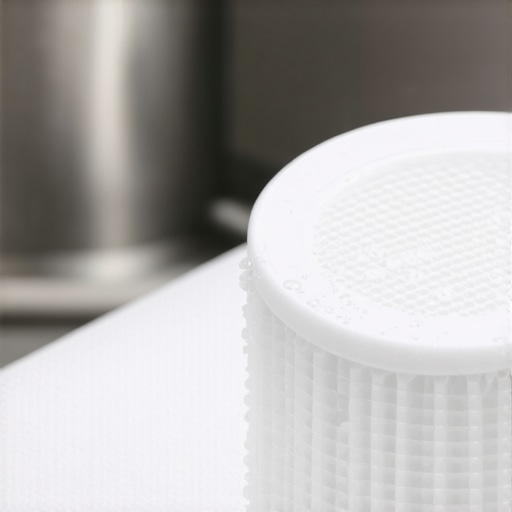
This is a question I get from readers who have tried every setting and still see spots. If you live in an area with high mineral content, your water is physically ‘heavier’ and stickier. These minerals create a microscopic jagged surface on your plastic containers that water clings to like glue. This is why finding the best detergent for hard water that wont kill your dishwasher is vital. Without the right chemical balance, the water won’t sheet off, no matter how high you crank the heat. It is a chemical battle, not just a thermal one. I have found that adding a dedicated water softener salt to the machine—if your model supports it—is the single most effective way to help plastics shed water in difficult environments.
Think Beyond the Kitchen Sink
This level of ‘appliance mindfulness’ shouldn’t stop at the dishwasher. The same logic of airflow and sensor accuracy applies across your entire home. For instance, many of the 5 mistakes that are shortening the life of your smart refrigerator involve similar issues with blocked vents and ignored filters. Whether you are looking at the future of home appliances trends to watch in 2025 or just trying to get through Tuesday morning without wet socks, the secret is always the same: respect the machine’s need for airflow and precise chemistry. Stop treating your appliances like ‘set it and forget it’ boxes and start treating them like the precision tools they actually are.
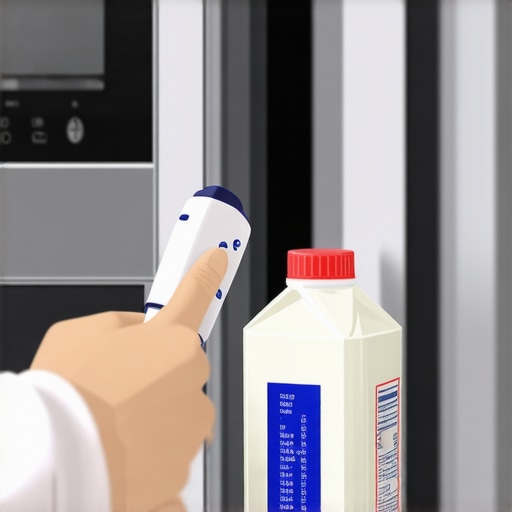
I personally keep a stash of water hardness test strips in my “junk drawer” alongside the spare batteries. Why? Because water quality fluctuates with the seasons, and your dishwasher’s “salt” setting needs to reflect that reality. If you’re seeing white residue, don’t just scrub it; test the water. Using the best way to remove hard water spots from dishwasher interiors is a great start, but prevention via chemistry is better. I also swear by a simple $15 infrared thermometer. Every three months, I point it at my milk carton. If it’s not between 37°F and 40°F, I know it’s time to calibrate your refrigerator thermometer without calling a pro. It’s these small, data-driven checks that prevent a $500 repair bill down the line. I’ve found that most “broken” appliances are actually just “misaligned” machines waiting for a human to notice a slight dip in performance.
How do I maintain my smart home ecosystem over time?
Maintaining a modern kitchen isn’t just about soap and sponges anymore; it’s about software maintenance. I’ve seen neighbors get frustrated because their “smart” machine stopped working, only to realize they hadn’t checked for a firmware update in two years. Much like your smartphone, your fridge and washer need digital tune-ups. You should regularly check why your smart fridge isnt updating its software or learn how to update the firmware on your smart kitchen appliances to ensure the sensors are interpreting data correctly. According to a technical service bulletin from Whirlpool (W11174624), software glitches are often mistaken for mechanical failures in high-efficiency units. Beyond the digital side, don’t forget the physical basics—vacuuming your refrigerator coils twice a year is non-negotiable for longevity. Checking your the best smart plugs for monitoring appliance energy use can also reveal if a motor is working too hard before it actually burns out, giving you a chance to clean or lubricate parts before they fail.
Prepare for the Era of Predictive Repairs
Looking ahead at the future of home appliances trends to watch in 2025, we are moving away from reactive fixing and toward predictive maintenance. We are already seeing washing machines that save water using internal vibration sensors to detect if a bearing is starting to wear out before you ever hear that “jet engine” sound. My prediction is that within three years, your dishwasher will automatically order its own replacement filter or a specific descaling agent based on the actual mineral buildup it detects. We’re reaching a point where the appliance will be smarter than the owner in terms of diagnostic health. Until that “set and forget” utopia arrives, you are the chief engineer of your home. I challenge you to do one thing this weekend: pull out your dishwasher filter and give it a five-minute scrub under hot water. It’s the single most effective way to guarantee your plastics come out dry on Monday morning and that your machine lives to see its tenth birthday.
After years of trial and error, I’ve come to see my dishwasher as a partner rather than just a box that eats energy and detergent. The biggest ‘lightbulb moment’ for me was realizing that modern machines rely on physics—like surface tension and evaporation—rather than the brute force heat of the past. I also learned that if you are using too much salt in your dishwasher, you might be accidentally causing spotting or a film that traps moisture on your plastics. Another hard lesson? If you see a puddle, check the drain. I once spent two weeks hand-drying everything only to find out I was dealing with standing water at the bottom because of a single stray olive pit blocking the exit.
Tools That Saved My Tuesday Mornings
To move beyond simple trial-and-error, I recommend building a small ‘maintenance kit’ for your kitchen. First, get a pack of water hardness test strips; knowing your mineral content changes how much detergent you actually need to prevent sticky residue. Second, keep an infrared thermometer handy to verify if your machine is actually reaching the sanitize temperatures required for flash drying. For broader knowledge, I frequently revisit this comprehensive modern home guide to ensure all my high-tech gear is properly synced and maintained. If you are looking to apply these efficiency hacks to other parts of your chores, look into simplifying your laundry routine using similar logic regarding load size and sensor accuracy.
Reclaiming Your Morning Routine
You do not have to settle for damp containers and soggy socks. By mastering the 45-degree tilt and staying ahead of filter maintenance, you are not just drying dishes; you are taking control of your home’s overall efficiency. As we look toward upcoming home tech trends, these manual habits will prepare you for a kitchen that eventually does the thinking for you. Now, go crack that dishwasher door and enjoy the satisfaction of a truly dry load of Tupperware. Do you have a specific container that refuses to dry no matter how you angle it? Let me know in the comments below!